Is There Combat In Africa

BSC Insights Admin
September 30, 2026
Is There Combat In Africa? Understanding the Complex Realities
Yes, there is indeed combat in various parts of Africa, though it is crucial to understand that Africa is a vast and diverse continent, and conflicts are highly localized, not widespread across all 54 nations. While many regions enjoy peace and stability, specific areas face ongoing challenges ranging from insurgency and terrorism to civil unrest and inter-communal violence. These situations are often driven by complex factors including political instability, economic disparities, resource competition, and historical grievances, rather than being a continental norm.
Understanding the nature of combat in Africa requires a nuanced perspective, moving beyond generalized narratives to focus on specific regional dynamics and the root causes that fuel instability. This article delves into the specific areas affected, the underlying drivers of conflict, and the multifaceted efforts being made towards peace and security across the continent.
The Diverse Landscape of African Conflicts
Africa is not a monolith; its security landscape is incredibly varied. While some nations like Botswana, Ghana, and Mauritius consistently rank high on global peace indices, others grapple with persistent or emerging security threats. The presence of conflicts in Africa is significant in certain hotspots, impacting millions of lives and hindering development.
Geographic Hotbeds of Instability
Several regions have unfortunately become synonymous with ongoing strife and humanitarian crises:
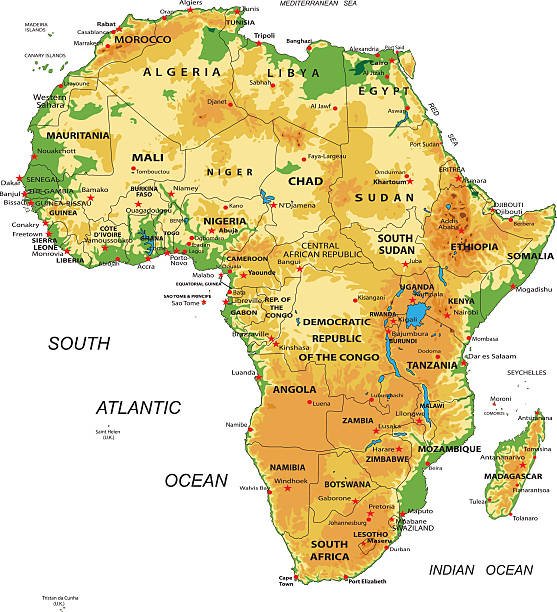
- The Sahel Region: This vast, semi-arid belt stretching across North and West Africa (including Mali, Burkina Faso, Niger, and Chad) is a primary theater for jihadist insurgencies, inter-communal violence, and organized crime. Groups like al-Qaeda affiliates and ISIS-linked factions exploit weak governance and poverty to expand their influence.
- The Horn of Africa: Countries like Somalia face threats from groups such as Al-Shabaab, while Ethiopia and Sudan have experienced significant internal conflicts and political transitions that have led to violence and displacement. Eritrea also plays a complex role in regional dynamics.
- Central Africa: The Democratic Republic of Congo (DRC) has endured decades of conflict, driven by competition over vast mineral resources and the presence of numerous armed groups. The Central African Republic (CAR) also struggles with ongoing civil unrest and humanitarian challenges.
- Parts of West Africa: While largely more stable, Nigeria continues to battle Boko Haram and its offshoot ISWAP in its northeastern regions, leading to a protracted humanitarian crisis.
These regions represent areas where African security challenges are most pronounced, requiring sustained international and regional efforts for resolution.
Root Causes and Drivers of Combat in Africa
The factors contributing to conflict and combat in Africa are deeply intertwined and often systemic. Understanding these drivers is essential for developing effective strategies for peacebuilding and stability.
Political Instability and Weak Governance
- Lack of Inclusive Governance: Many conflicts stem from perceptions of marginalization, exclusion from political power, or inequitable distribution of resources.
- Corruption and Elite Capture: Widespread corruption undermines public trust, weakens state institutions, and often fuels grievances that can lead to violence.
- Weak Rule of Law: Inadequate judicial systems and law enforcement can lead to impunity for human rights abuses and a cycle of violence.
- Unconstitutional Changes of Government: Military coups and attempts to cling to power often destabilize nations, as seen in recent events in West and Central Africa.
Economic Disparities and Resource Competition
- Poverty and Unemployment: High rates of youth unemployment create a large pool of disaffected individuals vulnerable to recruitment by armed groups.
- Resource Conflicts: Competition over valuable natural resources (minerals, oil, land, water) is a significant driver, particularly in regions like the DRC, where mineral wealth fuels militia activities.
- Economic Inequality: Disparities in wealth and opportunity between different ethnic or regional groups can exacerbate tensions and contribute to social unrest.
Ethnic and Religious Divisions
While ethnicity and religion are often mobilized in conflicts, they are rarely the sole cause. Instead, they are frequently exploited by political entrepreneurs to gain power or resources, leading to inter-communal clashes and sectarian violence. Historical grievances and a lack of mechanisms for peaceful resolution further complicate these dynamics.
External Factors and Transnational Threats
External interference, proxy wars, and the geopolitical interests of foreign powers can sometimes exacerbate existing tensions. Furthermore, the rise of transnational terrorist networks, coupled with the proliferation of small arms, poses significant challenges to regional stability in Africa.
Climate Change and Environmental Degradation
The effects of climate change and conflict in Africa are increasingly evident. Droughts, desertification, and floods lead to competition over dwindling resources like arable land and water, particularly between pastoralist and farming communities. This resource scarcity can trigger displacement and conflict, especially in already fragile regions like the Sahel.
The Profound Impact of Combat on African Societies
The presence of combat in Africa has devastating consequences, extending far beyond the immediate battlefields.
- Humanitarian Crises: Millions are displaced, becoming refugees or internally displaced persons (IDPs), facing food insecurity, lack of access to healthcare, and educational disruption.
- Economic Devastation: Conflict destroys infrastructure, disrupts trade, deters investment, and diverts national resources from development to military spending, perpetuating cycles of poverty.
- Social Fabric Erosion: Societies are scarred by trauma, loss of life, and the breakdown of social cohesion. Gender-based violence often increases dramatically during conflicts.
- Regional Spillover: Conflicts rarely stay within national borders, often leading to refugee flows, arms trafficking, and the destabilization of neighboring countries.
Addressing these impacts is a critical component of any strategy to foster lasting peace and security.
Efforts Towards Peace and Stability in Africa
Despite the challenges, significant efforts are underway, both internally and externally, to mitigate African conflicts and promote peace.
African-Led Initiatives
- African Union (AU): The AU plays a crucial role through its Peace and Security Council, deploying peacekeeping missions (e.g., ATMIS in Somalia), mediating disputes, and promoting good governance.
- Regional Economic Communities (RECs): Organizations like ECOWAS (Economic Community of West African States), EAC (East African Community), and SADC (Southern African Development Community) often lead diplomatic efforts and sometimes deploy regional forces to address crises.
- Local Peacebuilding: Grassroots initiatives, traditional leaders, and civil society organizations are often at the forefront of mediation, reconciliation, and community-level peacebuilding.
International Support and Partnerships
- United Nations (UN) Peacekeeping Missions: The UN maintains several large peacekeeping operations in Africa (e.g., MONUSCO in DRC, MINUSCA in CAR), providing crucial security and humanitarian assistance.
- Bilateral and Multilateral Aid: International partners provide financial and technical support for conflict prevention, humanitarian response, and post-conflict reconstruction.
- Diplomatic Engagement: Global powers and international bodies engage in diplomatic efforts to de-escalate tensions and facilitate peace processes.
A Path Forward: Addressing the Root Causes for Lasting Peace
Achieving sustainable peace and security in Africa requires a comprehensive approach that tackles the root causes of conflict:
- Strengthening Governance and Institutions: Promoting democracy, rule of law, human rights, and inclusive political processes is fundamental.
- Inclusive Economic Development: Investing in education, healthcare, infrastructure, and job creation (especially for youth) can reduce grievances and provide alternatives to violence.
- Justice and Accountability: Establishing credible justice mechanisms for human rights abuses can help break cycles of impunity and foster reconciliation.
- Regional Cooperation: Enhanced collaboration among African states is vital for managing cross-border threats, sharing intelligence, and coordinating security responses.
- Climate Resilience: Implementing strategies to adapt to climate change and mitigate its impact on resources can reduce potential conflict triggers.
- Investing in Human Capital: Empowering communities through education and health initiatives can build resilience and promote stability.
These actions, combined with sustained political will and international partnership, are essential for transforming regions affected by conflict in Africa into zones of peace and prosperity.
Conclusion
In conclusion, while it is accurate to state that there is combat in Africa, this reality is confined to specific regions and driven by a complex interplay of factors rather than being a continent-wide phenomenon. Africa is a continent of immense diversity, resilience, and progress, with many nations enjoying robust stability and economic growth. The challenges of conflict, though significant in certain areas, are being actively addressed through a combination of African-led initiatives and international support aimed at fostering peace, strengthening governance, and promoting inclusive development. Recognizing the localized nature and intricate causes of these conflicts is key to supporting effective and sustainable solutions for a more peaceful future across the African continent.
Enjoyed this read?
Share it with your friends and colleagues.