Is There Countries In Africa

BSC Insights Admin
September 30, 2026
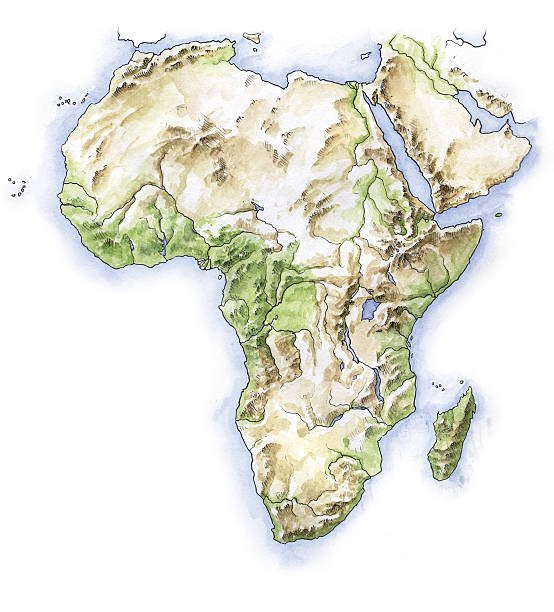
Yes, absolutely! Africa is not a single country, but a vast and incredibly diverse continent home to 54 recognized sovereign states. This fundamental truth is often overlooked, leading to misconceptions about its rich geography, myriad cultures, and distinct national identities. Understanding that Africa comprises many independent nations is crucial for appreciating its complexity and vibrancy.
The Definitive Answer: How Many Countries Are in Africa?
Africa is comprised of 54 internationally recognized sovereign countries. These nations are members of the United Nations and the African Union, an organization dedicated to promoting unity, cooperation, and development across the continent. While the exact number can sometimes be debated due to disputed territories or self-declared states like Western Sahara, 54 remains the widely accepted and official count of independent African nations.
Each of these 54 countries possesses its own unique government, national flag, currency, official languages, and rich history. From the ancient pyramids of Egypt in the north to the bustling metropolis of Johannesburg in South Africa, and from the lush rainforests of the Democratic Republic of Congo to the vast deserts of Sudan, Africa's political landscape is as varied as its natural one.
A Continent of Immense Diversity: More Than Just a Number
To truly grasp the essence of Africa, one must look beyond the mere number of countries and delve into the incredible diversity that defines the continent. It is a mosaic of geographies, climates, cultures, languages, and economic systems, making it a truly unparalleled region of the world.
Geographic and Climatic Variety
Africa boasts an astonishing range of natural environments. It is home to the world's largest hot desert, the Sahara Desert, which spans much of North Africa. In contrast, the equatorial regions host dense rainforests, such as the Congo Rainforest, the second-largest in the world. Vast savannas teeming with wildlife characterize East and Southern Africa, while rugged mountain ranges like the Atlas Mountains and the Ethiopian Highlands punctuate other regions. Africa also has extensive coastlines along the Atlantic and Indian Oceans, featuring pristine beaches and vibrant marine ecosystems. This climatic and geographic variation directly influences the lifestyles, economies, and cultural practices of its inhabitants across different nations.
Rich Tapestry of Cultures and Languages
With an estimated 1,500 to 2,000 distinct languages spoken, Africa is the most linguistically diverse continent on Earth. This linguistic variety is a testament to its countless ethnic groups, each with its own unique traditions, customs, music, art forms, and culinary practices. For instance, the Maasai of Kenya and Tanzania have distinct pastoral traditions, while the Yoruba of Nigeria are known for their intricate art and vibrant festivals. The ancient traditions of Ethiopia, with its unique calendar and script, stand in stark contrast to the modern, multicultural melting pots found in cities like Cape Town, South Africa. This cultural wealth is a source of immense pride and a major contributor to global heritage.
Economic Landscapes Across the Continent
The economies of African countries are equally diverse, ranging from resource-rich nations heavily reliant on mining (e.g., Botswana, Democratic Republic of Congo) or oil and gas (e.g., Nigeria, Angola), to those driven by agriculture (e.g., Ethiopia, Ghana), tourism (e.g., Kenya, Tanzania), or increasingly, technology and innovation (e.g., Rwanda, South Africa). Major economic hubs like South Africa boast developed industrial and financial sectors, while emerging economies across the continent are experiencing rapid growth, attracting significant foreign investment and fostering a vibrant entrepreneurial spirit. The collective Gross Domestic Product (GDP) of African nations reflects a dynamic and evolving economic landscape.
Exploring Africa's Major Regions and Key Nations
To better understand the distinct identities within Africa, it's helpful to categorize its countries into five major regions, each with its own defining characteristics and influential nations.
North Africa
This region includes countries such as Egypt, Morocco, Algeria, Tunisia, Libya, and Sudan. Characterized by a strong Arab and Berber cultural influence, it is known for its ancient civilizations (e.g., Ancient Egypt), Islamic heritage, and Mediterranean or desert climates. North African countries are significant for their historical sites, vibrant souks, and strategic location connecting Africa with the Middle East and Europe.
West Africa
Home to nations like Nigeria, Ghana, Senegal, Côte d'Ivoire, and Mali, West Africa is famous for its rich history of empires (e.g., Mali Empire, Songhai Empire), diverse musical traditions, and bustling coastal cities. It's a region of significant linguistic and ethnic diversity, playing a crucial role in regional trade and cultural exchange. Nigeria, for example, is the most populous country in Africa and a major economic power.
Central Africa
This region, including countries such as the Democratic Republic of Congo (DRC), Cameroon, Angola, Chad, and Gabon, is often characterized by its dense rainforests, vast mineral resources, and major rivers like the Congo. The DRC, for instance, is one of the world's most biodiverse countries and rich in minerals like cobalt and copper, despite facing significant development challenges.
East Africa
Featuring countries like Kenya, Tanzania, Ethiopia, Uganda, Rwanda, and Somalia, East Africa is renowned for its spectacular wildlife safaris, the Great Rift Valley, and ancient human origins. Ethiopia boasts a unique cultural heritage with a long history of independent rule and ancient Christian sites. Kenya and Tanzania are global leaders in wildlife conservation and tourism, drawing millions to their national parks like the Serengeti and Maasai Mara.
Southern Africa
Comprising nations such as South Africa, Botswana, Namibia, Zimbabwe, and Zambia, Southern Africa is a region of diverse landscapes, from the Kalahari Desert to the Drakensberg Mountains. South Africa stands as the most industrialized and developed economy on the continent, known for its rich history, multicultural society, and significant mineral wealth. Botswana is celebrated for its stable democracy and successful diamond industry.
Beyond the Basics: Understanding Africa's Global Significance
Africa's status as a continent of many countries makes it a powerhouse of human potential, natural resources, and cultural innovation. Its collective influence on the global stage is growing rapidly.
A Growing Economic Powerhouse
Many African countries are among the fastest-growing economies in the world. The continent benefits from a young and rapidly expanding population, abundant natural resources, and increasing investments in infrastructure and technology. Intra-African trade is expanding, and initiatives like the African Continental Free Trade Area (AfCFTA) aim to create the world's largest free trade area, further boosting economic integration and growth across its nations. This collective economic dynamism offers vast opportunities for both local populations and international partners.
Cultural Contributions and Influence
The cultural contributions of Africa are immeasurable and have profoundly impacted the world. African music, from jazz and blues to Afrobeat, has influenced global genres. African art, fashion, storytelling, and philosophy continue to inspire and enrich cultures worldwide. Each country contributes its unique flavor to this global cultural tapestry, demonstrating the continent's diverse creative spirit.
Addressing Misconceptions About Africa
It is vital to dismantle the persistent misconception that Africa is a single, monolithic entity. This harmful stereotype ignores the profound diversity and complexity of its 54 distinct nations. Recognizing each country's sovereignty, unique challenges, and remarkable achievements is essential for fostering accurate understanding, respectful engagement, and productive partnerships. Africa is not a country, nor is it a homogenous block; it is a continent of vibrant, independent, and forward-looking nations.
Key Statistics and Facts About African Countries
To further illustrate the sheer scale and diversity, consider these aggregated facts about the countries in Africa:
- Total Number of Countries: 54 sovereign states.
- Largest Country by Area: Algeria (approx. 2.38 million sq km).
- Smallest Country by Area (mainland): Gambia (approx. 11,295 sq km).
- Most Populous Country: Nigeria (over 200 million people).
- Total Population: Over 1.4 billion people across the continent.
- Number of Official Languages: Thousands, with many countries having multiple official or national languages.
- Economic Growth: Many African economies consistently rank among the world's fastest-growing.
These statistics highlight the immense human and geographical scale of the continent, underscoring why it cannot be viewed as a single entity but rather as a collection of diverse nations.
Conclusion
In conclusion, the answer to the question, "Is there countries in Africa?" is an unequivocal and emphatic yes. Africa is a dynamic continent comprised of 54 distinct and sovereign countries, each with its own rich history, unique culture, diverse geography, and independent government. Understanding this fundamental fact is the first step toward appreciating the incredible complexity, beauty, and potential of the African continent. Far from being a singular entity, Africa is a vibrant mosaic of nations contributing significantly to the global landscape in every aspect, from economics and politics to culture and innovation.
Enjoyed this read?
Share it with your friends and colleagues.