Which Countries In Africa Have 4 Seasons

BSC Insights Admin
October 01, 2026
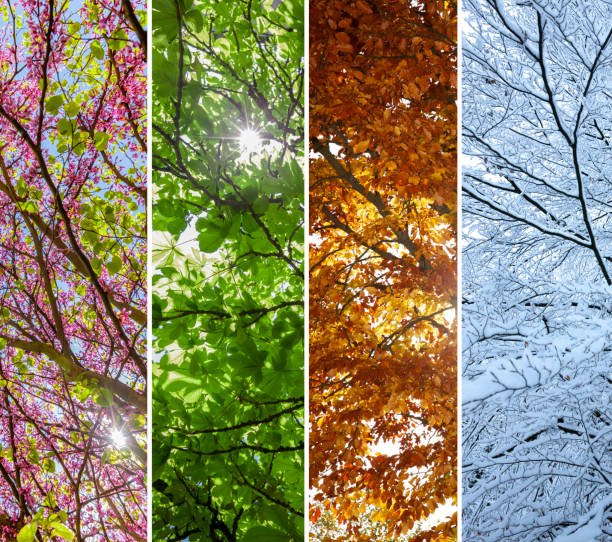
Determining Which Countries In Africa Have 4 Seasons requires a departure from the common perception that the entire continent is trapped in a permanent state of tropical heat or arid drought. While the majority of the African landmass sits within the tropics and follows a wet and dry seasonal cycle, those nations situated at the extreme northern and southern latitudes experience distinct spring, summer, autumn, and winter transitions. These climatic variations are primarily found in the Mediterranean regions of the north and the temperate zones of the south, where axial tilt and geographic location create clear seasonal shifts throughout the calendar year.
The traditional image of the savanna often overshadows the reality of snow capped peaks in the Atlas Mountains or the crisp autumn leaves found in the vineyards of the Western Cape. Understanding these specific weather patterns is vital for travelers, farmers, and researchers who look to explore the biological and economic diversity of these unique African territories.
These are the Countries in Africa that Have 4 Seasons
To identify the nations that experience a full cycle of four seasons, geographers look toward the sub tropical and temperate regions that lie outside the central tropical belt of the continent. These countries do not just oscillate between rain and sunshine but instead showcase a dramatic transformation of the landscape as temperatures rise and fall with the changing months. From the shivering winters of the highveld to the blooming springs of the northern coastlines, the following countries represent the seasonal diversity of the African continent.
1. South Africa
South Africa is perhaps the most well known example of a nation on the continent that follows a traditional four season cycle due to its location at the southern tip of the landmass. The seasons here are inverted compared to the northern hemisphere, with summer stretching from December to February and winter occurring from June to August. Spring in the Western Cape and Namaqualand is world famous for its explosive floral displays that cover the semi desert landscape in a carpet of color between September and October. Autumn brings a golden hue to the vast wine estates of Stellenbosch and Paarl, where the air turns crisp and the harvest begins in earnest. During the winter months, the high altitude regions of the Drakensberg mountains and the town of Sutherland frequently experience snowfall and sub zero temperatures. This seasonal variety allows South Africa to support a massive range of agricultural activities, from citrus and grape production to hardy winter grains in the interior.
2. Morocco
Morocco experiences a very clear transition between four distinct seasons, particularly in its northern regions and the high altitude Atlas Mountains. Spring usually arrives in March, bringing mild temperatures and a lush green blanket to the valleys, making it the most popular time for visitors to explore the imperial cities. Summer can be intensely hot in the interior desert regions, but the coastal areas maintain a pleasant Mediterranean warmth that lasts until September. Autumn is a period of transition where the scorching heat fades into cool, rainy days that prepare the soil for the winter ahead. The Moroccan winter is legitimate and often harsh in the mountains, where snow can remain on the peaks of Jebel Toubkal, which stands at 4,167 meters, well into the spring months. Cities like Ifrane are even modeled after Swiss alpine villages to accommodate the heavy snowfall and cold weather that define the region during the winter months. This climatic diversity means that a traveler can experience a desert heatwave and a mountain blizzard within the same country depending on the time of year.
3. Lesotho
Lesotho is unique because it is the only country in the world that lies entirely above 1,000 meters in elevation, which dramatically emphasizes its four seasonal cycles. Known as the Kingdom in the Sky, Lesotho experiences winters that are among the coldest on the continent, with heavy snowfall often blocking mountain passes between June and August. Spring is a time of rapid melting and the return of greenery to the high plateaus, though the air remains thin and chilly. Summer brings the majority of the nation's rainfall along with warm days that are essential for the subsistence farming that sustains much of the population. Autumn in Lesotho is remarkably short but beautiful, as the grasses turn a deep bronze and the temperatures begin to plummet toward the freezing mark once more. The country is home to one of the few ski resorts in Africa, which operates during the peak winter months when the mountains are covered in natural and man made snow. The daily life of the Basotho people is strictly dictated by these seasons, with traditional blankets being a year round fashion necessity to combat the high altitude chill.
4. Tunisia
Tunisia sits at the northernmost point of Africa and enjoys a classic Mediterranean climate that features a sharp division between the four seasons. Spring in Tunisia is exceptionally beautiful, with olive groves and citrus orchards in full bloom across the northern plains from March to May. The summer months are characterized by hot, dry weather and clear blue skies, attracting millions of tourists to the Mediterranean beaches of Djerba and Hammamet. Autumn is a vital season for the Tunisian economy as it marks the beginning of the olive harvest, a period when the intense summer heat gives way to refreshing breezes and occasional thunderstorms. Winter brings cool, wet weather to the north, and while snow is rare on the coast, the inland mountains of the Khroumire region often see a white blanket during January. This seasonal rhythm has influenced Tunisian culture for millennia, from the ancient Roman agricultural techniques to the modern day festivals that celebrate the changing of the year. The contrast between the snowy northern forests and the sandy Sahara in the south within a single season is a testament to Tunisia's geographic variety.
5. Algeria
Algeria is the largest country in Africa and its vast territory encompasses both the Mediterranean coast and the heart of the Sahara, leading to a complex four season system in the north. The Tell Atlas mountain range creates a barrier that allows the coastal regions to experience mild, wet winters and warm, sunny springs that are perfect for agriculture. In the Kabylie region, winter is marked by heavy snowfall and freezing temperatures that transform the cedar forests into a winter wonderland. Summer along the Algerian coast is hot and humid, but the breeze from the sea provides a necessary reprieve from the blistering heat of the desert interior. Autumn is a time of harvest and transition, where the golden light reflects off the ancient ruins and the dusty plains begin to receive the first rains of the season. Algeria's northern cities like Constantine and Algiers have a seasonal feel that is very similar to southern Europe, with residents changing their wardrobes and lifestyles significantly as the months progress. The presence of skiing opportunities in the Chrea National Park highlights just how distinct the Algerian winter can be compared to the tropical south.
6. Egypt
While much of Egypt is dominated by the desert, its northern coast and the Nile Delta experience a recognizable four season cycle influenced by the Mediterranean Sea. Spring in Egypt is famous for the Khamsin winds, but it is also a time of pleasant temperatures that allow for the celebration of Sham el-Nessim, an ancient festival marking the start of spring. Summer is undeniably hot across the entire country, but the coastal city of Alexandria remains a cool refuge where the seasonal shift is most apparent. Autumn is often considered the best time to visit the country as the humidity drops and the scorching summer sun begins to mellow into a golden warmth. Winter in northern Egypt is surprisingly chilly, with temperatures in Cairo often dropping to 10 degrees Celsius at night and occasional rainfall drenching the Mediterranean coast. While the south remains relatively warm throughout the year, the northern third of the country follows a pattern of seasonal changes that affect clothing, food consumption, and the flow of the Nile. This seasonal variety was the foundation of ancient Egyptian civilization, which relied on the predictable cycles of the environment to manage its vast agricultural empire.
Reasons Why These Countries Have 4 Seasons in Africa
1. Latitudinal Position Away from the Equator: The primary reason Which Countries In Africa Have 4 Seasons are located at the edges of the continent is their distance from the equator. As one moves toward the 30 degree north or south latitudes, the angle of the sun changes significantly throughout the year due to the earth's tilt. This variation in solar intensity creates the distinct temperature shifts that define summer and winter. Unlike the central belt where the sun is always nearly overhead, these northern and southern regions experience a true winter when the sun is at its lowest point in the sky.
2. Influence of High Altitude Topography: Altitude plays a massive role in creating seasonal weather patterns, especially in countries like Lesotho and the high Atlas of Morocco. For every 1,000 meters of elevation, the temperature typically drops by about 6.5 degrees Celsius, which can turn a mild Mediterranean climate into a freezing alpine one. These mountains act as rain shadows and temperature regulators, ensuring that even in a warm continent, certain areas can maintain a winter freeze. The presence of high peaks allows for the accumulation of snow, which is a key indicator of a four season system.
3. Interaction with Temperate Ocean Currents: The oceans surrounding the northern and southern tips of Africa have a moderating effect that facilitates the transition between seasons. In the south, the cold Benguela current and the warm Agulhas current interact to create a temperate African climate that allows for varied weather cycles. In the north, the Mediterranean Sea acts as a heat reservoir, absorbing warmth in the summer and releasing it in the winter, which helps define the seasonal boundaries for coastal nations. These maritime influences prevent the extreme, unchanging temperatures found in the deep interior of the Sahara or the Congo Basin.
4. Movement of the Inter-Tropical Convergence Zone: The shifting of the Inter-Tropical Convergence Zone (ITCZ) affects the rainfall patterns and wind directions for countries on the fringes of the tropics. As this belt of low pressure moves north and south with the seasons, it draws in different air masses that bring either dry desert air or moist maritime breezes. This movement is responsible for the transition between the wet winters of the Mediterranean and the dry, hot summers. The predictable nature of this movement ensures that the seasons arrive at roughly the same time every year, allowing for stable agricultural planning. This atmospheric dance is the engine behind the seasonal variety seen in nations like Tunisia and Morocco.
5. Global Atmospheric Circulation and Jet Streams: The position of the polar and subtropical jet streams can occasionally dip into the northern and southern reaches of Africa, bringing with them cold air from the poles. During the winter months, these jet streams can push cold fronts deep into South Africa or across the Mediterranean into North Africa, causing the temperature drops necessary for frost and snow. This interaction between tropical air and polar air is what creates the volatile weather often seen during the spring and autumn transitions. Without these large scale atmospheric movements, the temperature at the edges of the continent would remain much more stagnant. These global winds are essential for the 4 season cycles experienced by the continental outliers.
6. Proximity to Large Temperate Landmasses: The northern African countries are significantly influenced by their proximity to the European landmass and the Mediterranean basin. Cold air masses from the Eurasian continent can easily cross the sea during winter, bringing chilly weather to Algeria and Tunisia. Similarly, the vast Southern Ocean acts as a source of cold weather for South Africa and Lesotho, with nothing between the southern coast and Antarctica to block the frigid winds. These external geographic factors help reinforce the seasonal changes that are already present due to latitude. It is this unique positioning between the tropical heart of Africa and the temperate zones of the world that creates the perfect conditions for four seasons.
Conclusion
In summary, answering Which Countries In Africa Have 4 Seasons reveals a fascinating aspect of the continent's geography that is often overlooked in popular media. Nations like South Africa, Morocco, and Lesotho prove that Africa is home to a wide range of climates, including those with snowy winters and blossoming springs. These seasonal variations are driven by a combination of high altitude, latitudinal positioning, and the influence of surrounding oceans and global wind patterns. For the people living in these regions, the changing seasons are a fundamental part of their cultural and economic life, affecting everything from wine production to mountain tourism. As we continue to study the diverse environments of the temperate zones in Africa, we gain a deeper appreciation for the complex natural beauty that exists beyond the equator. Ultimately, the four seasons of Africa are a testament to the continent's incredible scale and its unique place in the global climate system.
Enjoyed this read?
Share it with your friends and colleagues.