Which Countries In Africa Are Christian

BSC Insights Admin
September 30, 2026
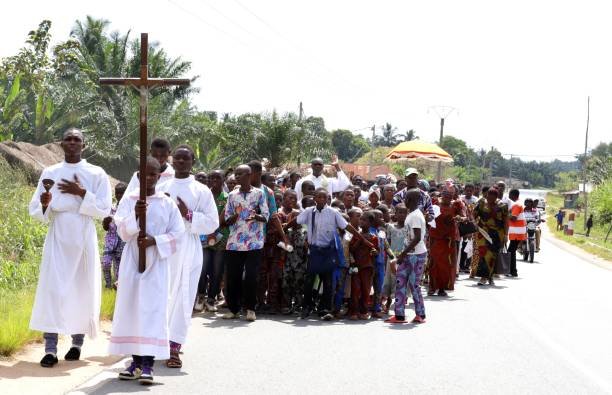
Identifying which countries in Africa are Christian involves analyzing demographic data where the followers of various denominations make up the majority of the population. Currently, over 630 million people on the continent identify as Christian, representing approximately 49 percent of Africa's total inhabitants. These nations are primarily concentrated in the Southern, Central, and Eastern regions, where the faith has become a cornerstone of social, political, and cultural identity.
The religious landscape of the continent is characterized by a vibrant mix of Catholicism, Protestantism, and indigenous African initiated churches that have grown significantly over the last century. Understanding the distribution of these believers helps to illustrate how spiritual values influence the modern development and daily life of many African states.
These are the Countries in Africa that are Christian
When looking at the specific nations that define the Christian majority in Africa, we see a wide range of traditions from ancient Orthodox practices to modern Pentecostal movements. Many of these countries have integrated religious principles into their national calendars and social structures, creating a unique synthesis of faith and local custom. The following list highlights the countries where Christianity is the dominant religion, shaping the lives of millions of people across diverse geographical landscapes.
1. Ethiopia
Ethiopia holds a unique position as one of the oldest Christian nations in the world, with the Ethiopian Orthodox Tewahedo Church tracing its roots back to the 4th century. Approximately 67 percent of the population identifies as Christian, with the majority belonging to the Orthodox faith, while a growing number of people practice Protestantism. The ancient city of Lalibela, famous for its rock-hewn churches, serves as a testament to the deep historical and architectural legacy of the faith in the Horn of Africa. Christianity is not just a religion here but a fundamental part of the national identity, influencing the language, literature, and art of the Ethiopian people for nearly two millennia. The Ge'ez language remains the liturgical tongue used in traditional ceremonies, connecting the modern population to its ancient spiritual ancestors.
2. South Africa
In South Africa, Christianity is the predominant religion, with nearly 80 percent of the population identifying as followers of various denominations. The religious landscape is incredibly diverse, featuring traditional Protestant groups like Methodists and Anglicans alongside powerful indigenous movements like the Zion Christian Church. During the struggle against apartheid, the church played a vital role in the resistance movement, with figures like Archbishop Desmond Tutu using religious platforms to advocate for justice and reconciliation. Today, the faith continues to influence social policy and community development through a massive network of local congregations. Sunday services are major social events in both urban townships and rural villages, often characterized by vibrant choral music and traditional dance.
3. Democratic Republic of the Congo
The Democratic Republic of the Congo has one of the largest Christian populations in Africa, with roughly 95 percent of its 100 million citizens identifying as believers. Roman Catholicism is the largest single denomination, a legacy of Belgian colonial influence, but Protestant and indigenous Kimbanguist churches also hold significant sway. The Catholic Church in particular is a powerful social institution, often providing education and healthcare services where the state infrastructure is limited. Religious leaders in the Congo are frequently involved in national mediation and peace-building efforts during times of political transition. The faith is deeply integrated into the daily struggles and hopes of the people, serving as a primary source of resilience and community support.
4. Kenya
Kenya is a vibrant Christian majority nation where approximately 85 percent of the population identifies with the faith across various sects. Protestantism is the most common branch, including Anglicans, Presbyterians, and a rapidly expanding Pentecostal movement that has a massive presence in cities like Nairobi. The Kenyan church is known for its active involvement in social justice issues and its significant contribution to the country's education and health sectors. Many schools and hospitals were originally founded by missionaries and continue to operate under religious management today. Christian holidays like Christmas and Easter are national events celebrated with large family gatherings and communal feasts. The influence of the church is also evident in the country's music scene, where gospel artists often top the national charts.
5. Nigeria
Nigeria is home to a massive Christian population, primarily concentrated in the southern and middle belt regions of the country. About 46 to 49 percent of the total population identifies as Christian, totaling over 100 million people, making it one of the largest Christian communities globally. The Southern "Bible Belt" is famous for its mega-churches and influential charismatic leaders who command audiences of millions both locally and through satellite television. The Redeemed Christian Church of God and the Living Faith Church are prime examples of Nigerian-born movements that have expanded their influence across the entire globe. In Nigeria, the faith is a powerful driver of social mobility, education, and political discourse, often blending traditional values with modern aspirations. Despite religious tensions in some regions, the Christian community remains a cornerstone of the nation's vibrant and complex social fabric.
6. Uganda
Uganda has a deep-rooted Christian heritage, with over 84 percent of the population identifying as Christian, roughly split between Catholics and Protestants. The history of the faith is marked by the story of the Uganda Martyrs, whose sacrifice in the 19th century is commemorated annually at the Namugongo Shrine, attracting millions of pilgrims. The church in Uganda is a major player in the provision of social services, maintaining some of the best-regarded schools and hospitals in the country. Pentecostalism has also seen explosive growth in urban centers, bringing a new style of worship and social engagement to the younger generation. Religious values often influence national debates on morality and family life, reflecting the conservative nature of much of the Ugandan faithful. Sunday is a dedicated day of rest and worship, with churches often serving as the primary hub for community organization and mutual aid.
7. Rwanda
Rwanda is a predominantly Christian nation where more than 90 percent of the population identifies as followers of the faith, with Roman Catholicism being the historically dominant denomination. Following the tragic events of the 1994 genocide, the role of the church has evolved significantly to focus on national reconciliation and spiritual healing. Many Rwandans have moved toward Protestant and Pentecostal churches, seeking new ways to express their faith in the post-conflict era. The government and religious institutions work closely together on social development projects, particularly in the areas of poverty reduction and community building. The faith serves as a vital bridge for people to move past historical grievances and work toward a unified national identity. Religious gatherings are often characterized by a strong sense of order, discipline, and a collective commitment to the country's progress.
8. Angola
In Angola, Christianity is the majority religion, practiced by about 75 percent of the population, largely as a result of centuries of Portuguese influence. Roman Catholicism remains the largest denomination, though Protestantism has gained significant ground in recent decades following the end of the civil war. The church was one of the few institutions that remained functional during the conflict, providing essential aid and spiritual comfort to millions of displaced people. Today, religious festivals and saints' days are celebrated with large processions and public displays of devotion in cities like Luanda. The influence of the faith is also visible in the country's legal system and social norms, particularly regarding family structures and inheritance. Catholic radio stations and community groups are major sources of information and social guidance for many Angolans living in remote areas.
9. Zambia
Zambia is unique among its neighbors because it was officially declared a Christian nation in its 1991 constitution, a status that remains a point of national pride. Approximately 95 percent of Zambians identify as Christian, with the vast majority belonging to various Protestant denominations and the Catholic Church. This constitutional declaration influences many aspects of public life, from the presence of prayer at official government functions to the emphasis on Christian values in the national curriculum. The church in Zambia is known for its unity and its ability to hold the government accountable on issues of corruption and human rights. Local congregations are deeply involved in fighting the HIV/AIDS epidemic and providing vocational training for the youth. The spirit of the faith is often expressed through the concept of "One Zambia, One Nation," emphasizing harmony among the country's different ethnic groups through their shared religious identity.
10. Zimbabwe
Zimbabwe has a high Christian population, with estimates suggesting that about 85 percent of the people identify with the faith. The religious landscape is a blend of traditional Western denominations and a very strong presence of Apostolic churches that combine Christian teachings with indigenous cultural practices. These white-robed Apostolic groups are a common sight across the Zimbabwean landscape, often gathering for worship in open-air fields. The mainstream churches have a long history of involvement in the country’s political struggle and provide a significant portion of its social welfare programs. Despite economic challenges, the church remains a stable and trusted institution for many Zimbabweans, offering a sense of hope and community belonging. Religious values are often invoked in both private life and public discourse to navigate the complexities of modern Zimbabwean society.
11. Ghana
Ghana is one of West Africa's most prominent Christian nations, with over 71 percent of the population identifying as Christian. The country is famous for its vibrant and highly visible religious culture, where businesses, buses, and billboards are often named after biblical verses or religious slogans. Pentecostal and Charismatic movements have seen incredible growth, with massive "prayer camps" and mega-churches becoming central to the urban landscape of Accra. The church is also a key partner in the nation's development, running many of the most prestigious educational institutions in the country. Ghanaian Christianity is characterized by a strong emphasis on the "Gospel of Success" alongside traditional spiritual discipline. Public life and political campaigns are often infused with religious rhetoric, as candidates seek the blessing of influential church leaders to gain voter trust.
12. Malawi
Malawi is known as the "Warm Heart of Africa," and its Christian identity is a significant part of that reputation, with about 82 percent of the population being believers. The Presbyterian Church of Central Africa, founded by followers of David Livingstone, has had a profound impact on the nation's history and social development. Catholicism is also very strong, particularly in the southern and central regions, providing extensive networks for healthcare and rural development. Religious life in Malawi is generally conservative and peaceful, with a strong emphasis on community support and family values. Many Malawians live in rural areas where the local church is the most reliable source of social organization and assistance during times of crop failure. The faith is expressed through traditional hymns and community gatherings that bring together people from across different social backgrounds.
13. Namibia
In Namibia, Christianity is the dominant religion, practiced by roughly 80 to 90 percent of the population, a legacy of German and Finnish missionary activity. The Lutheran Church is the largest single denomination and played a massive role in the struggle for independence from South African rule. Religious leaders were among the most vocal critics of the occupation, and the church provided a safe space for political organization and education. Today, the faith remains a unifying force in a country with a relatively small and spread-out population. The influence of German liturgical music and traditions can still be heard in Namibian church services, particularly in the central and southern regions. Christianity provides a common moral framework that helps bridge the gaps between the country's various ethnic and linguistic groups.
14. Lesotho
Lesotho is a high-altitude mountain kingdom where Christianity is practiced by about 95 percent of the population. The Roman Catholic Church and the Lesotho Evangelical Church are the two most influential denominations, having shaped the nation's educational system since the colonial era. The faith is deeply woven into the Basotho culture, with traditional leaders often working in close partnership with local priests and pastors. Due to the country's rugged terrain, the church often serves as the primary provider of services to remote mountain villages that are difficult for the central government to reach. Christian values are highly respected, and religious holidays are major events that involve the entire community in traditional celebrations. The faith provides a sense of continuity and stability for a nation that has maintained its unique identity despite being surrounded by South Africa.
15. Eswatini
In Eswatini, Christianity is the majority religion, followed by about 90 percent of the population, often in combination with traditional Swazi beliefs. The Zionist churches are particularly popular, blending Christian doctrine with local customs, including traditional dress and ritual dances. These churches emphasize spiritual healing and community solidarity, which resonates deeply with the rural population. While the country is a monarchy, the King often participates in religious ceremonies, highlighting the intersection of traditional authority and Christian faith. The church plays a significant role in social welfare, particularly in addressing health challenges and providing support for orphans. Sunday worship is a cornerstone of Eswatini social life, where faith is expressed through powerful rhythmic singing and communal prayer.
16. Equatorial Guinea
Equatorial Guinea is a predominantly Catholic nation, with over 87 percent of its people identifying as followers of the church, largely due to its history as a Spanish colony. The Spanish influence is evident in the language of worship and the architectural style of the cathedrals in Malabo and Bata. While the state is secular, the Catholic Church maintains a privileged position in society and is often involved in official ceremonies and social programs. In recent years, there has been a notable increase in the presence of evangelical and protestant groups in urban areas. Despite the nation's newfound oil wealth, many citizens rely on religious organizations for basic social support and community development. The faith remains a central pillar of the cultural identity of both the mainland and island populations.
17. Republic of the Congo
The Republic of the Congo, also known as Congo-Brazzaville, has a Christian majority of approximately 75 percent. Roman Catholicism is the largest denomination, a result of French colonial influence, followed by various Protestant groups and the indigenous Kimbanguist movement. The church is a key provider of social services, particularly in the fields of education and maternal health. In the capital city of Brazzaville, the Sainte-Anne-du-Congo Basilica is a iconic landmark and a center for religious life. The faith provides a common cultural language for the country's diverse ethnic groups, especially during times of national celebration or mourning. Many Congolese people integrate their Christian faith with traditional African spirituality, creating a unique and personal approach to their religious life.
18. Gabon
Gabon is another Central African nation with a strong Christian identity, where about 75 percent of the population identifies as believers. The majority are Roman Catholic, but there is also a significant Protestant presence and a growing number of charismatic churches in the coastal cities. The government maintains a positive relationship with religious institutions, recognizing their contribution to the country's stability and social development. Religious education is a common feature in many Gabonese schools, reflecting the value placed on spiritual and moral training for the youth. The faith is also reflected in the country's art and music, which often incorporate religious themes and symbolism. Gabon's Christian community is known for its tolerance and its role in promoting national unity among its relatively small population.
19. Seychelles
The Seychelles is an archipelago nation where Christianity is the dominant religion, practiced by about 89 percent of the population. The Roman Catholic Church is the primary denomination, reflecting the islands' history of French and British colonial rule. The culture of the islands is deeply influenced by Catholic traditions, particularly in the celebration of patron saints' days and religious holidays. The Anglican and Seventh-day Adventist churches also have a significant presence and contribute to the islands' social and educational landscape. Despite its small size, the religious community is very active and plays a key role in protecting the country's unique environment and social fabric. Sunday services in the Seychelles are often colorful events that reflect the islands' unique Creole heritage.
20. Cabo Verde
Cabo Verde is a volcanic archipelago with a deeply rooted Christian history, where about 85 percent of the population identifies as Catholic. The faith was introduced by Portuguese settlers and has since become the defining feature of the islands' culture and social life. The capital, Praia, and the historic town of Cidade Velha are home to some of the oldest churches in Sub-Saharan Africa. While Catholicism remains the mainstay, there has been a recent growth in Protestant and Nazarene denominations, especially among the younger generation. Religious festivals, known as "festas," are a vital part of the Cabo Verdean identity, combining prayer with traditional music, food, and dance. The church is a trusted institution that provides a sense of continuity for a nation with a large diaspora and a history of migration.
21. Madagascar
Madagascar has a diverse religious landscape, but Christianity is the majority faith, followed by roughly 41 to 85 percent of the population depending on how traditional beliefs are categorized. The faith is particularly strong in the central highlands, where the London Missionary Society established a significant presence in the 19th century. Catholic and Protestant churches are equally influential and have historically been involved in the country's political life and educational development. Many Malagasy people practice a form of Christianity that incorporates traditional ancestral veneration, creating a unique spiritual blend. The church remains one of the most organized and influential institutions in the country, especially in providing services to rural areas. Religious holidays are celebrated with great intensity, often involving entire villages in communal meals and processions.
22. Tanzania
Tanzania is a nation where Christianity and Islam coexist in significant numbers, but Christians make up a slight majority at about 61 percent of the population. The Christian community is diverse, with strong Catholic and Lutheran presences alongside rapidly growing Pentecostal churches in the major cities. The church has played a vital role in the country's history, particularly in the development of the Swahili language and the provision of healthcare. Tanzania is known for its religious harmony, where members of different faiths often live and work together without conflict. Christian leaders are prominent figures in civil society, advocating for social justice and economic development. The faith is a major part of the cultural life in both the mainland and on the islands, contributing to the country's vibrant choral music tradition.
23. Cameroon
Cameroon is often called "Africa in Miniature" due to its diversity, and this includes its religious landscape, where about 70 percent of the population is Christian. The southern and western regions are predominantly Christian, with a mix of Catholic and Protestant denominations. The church is a major social force, operating a vast network of schools, hospitals, and social welfare programs that are essential to the nation's infrastructure. In recent years, the growth of evangelical and charismatic churches has brought new energy and social dynamics to urban centers like Douala and Yaoundé. Christian values often provide a common ground for the country's many different ethnic and linguistic groups. Despite challenges, the faith remains a source of hope and a framework for community organization for millions of Cameroonians.
24. Liberia
Liberia was founded in the 19th century by freed slaves from the United States who brought their Christian faith with them, establishing it as the foundation of the new republic. Today, approximately 85 percent of the population identifies as Christian, and the nation's laws and social customs reflect this history. The Protestant churches, particularly the Methodists and Baptists, have historically held significant influence over the country's political and social elite. The church was a critical institution during the long years of civil war, providing sanctuary and advocating for peace. Today, religious organizations are at the forefront of rebuilding the nation’s education and health systems. Christianity in Liberia is characterized by a strong sense of national duty and a commitment to social improvement.
25. South Sudan
South Sudan is the world's newest nation and has a Christian majority that played a key role in its struggle for independence from the predominantly Muslim north. About 60 percent of the population identifies as Christian, with the Catholic and Anglican churches being the most prominent. The faith was a unifying force during decades of civil war, providing a distinct identity and a sense of shared purpose for the Southern Sudanese people. Today, the church remains one of the few trusted institutions in the country, actively involved in mediation and humanitarian aid. Religious leaders are essential voices for peace and national reconciliation in the face of ongoing internal challenges. The faith provides a spiritual foundation for a nation that is still in the early stages of defining its national character and future path.
Reasons Why These Countries are Christian in Africa
1. The Legacy of Missionary Activity: During the 19th and early 20th centuries, European and American missionaries established extensive networks of schools and hospitals across the continent. These institutions not only provided essential services but also served as the primary centers for spreading the Christian faith, leading to Christian majority nations in Africa. Many early African leaders were educated in missionary schools, which further solidified the role of Christianity in the emerging modern states.
2. Indigenous Adaptation and the Rise of AICs: One of the main reasons for the sustained growth of the faith is the rise of African Initiated Churches (AICs), which adapted Christian teachings to fit local cultural and spiritual contexts. These churches incorporated traditional music, dance, and spiritual healing into their worship, making the faith more accessible and relevant to the local population. By blending the old with the new, these movements ensured that Christianity was not seen as a foreign imposition but as a native African expression of faith.
3. The Role of the Church in Liberation Movements: In many African countries, Christian leaders and institutions were at the forefront of the struggle against colonial rule and racial oppression. Churches provided the organizational structure and moral arguments for freedom and justice, earning them high levels of trust and respect among the people. This historic partnership between the faith and the quest for national sovereignty cemented Christianity's place in the heart of many African national identities.
4. Provision of Vital Social Services: In many regions where the state has limited capacity, Christian organizations are the primary providers of healthcare and education. This practical engagement with the needs of the community has made the church an indispensable part of daily life for millions of people. The commitment to social welfare has created a positive perception of the faith, encouraging its continued growth and influence across the continent.
5. Explosive Growth of Pentecostalism: The recent decades have seen a massive surge in Pentecostal and Charismatic movements, which appeal to the modern aspirations and spiritual needs of the urban population. These churches often focus on personal transformation, success, and spiritual power, attracting a young and dynamic following. The vibrant worship style and use of modern media have helped these movements spread rapidly across national borders, contributing to the high percentage of Christians in Africa today.
6. Ancient Historical Roots: In countries like Ethiopia and Egypt, Christianity is not a colonial introduction but an ancient heritage that predates many European Christian traditions. This long history provides a deep sense of legitimacy and pride, making the faith a permanent and unshakeable part of the cultural landscape. These ancient roots have served as a foundation for the continued presence and expansion of the faith in neighboring regions over the centuries.
Conclusion
Determining which countries in Africa are Christian reveals a continent where the faith is deeply embedded in the historical and modern fabric of society. From the ancient traditions of Ethiopia to the modern mega-churches of Nigeria, Christianity serves as a major force for social organization, political discourse, and spiritual life. These nations demonstrate a unique ability to blend religious teachings with diverse cultural identities, creating a vibrant and growing community of believers. As the continent continues to develop, the influence of the Christian majority will undoubtedly remain a central element in Africa's social and economic progress. Ultimately, the story of Christianity in Africa is one of transformation, resilience, and a deep commitment to both faith and community.
Enjoyed this read?
Share it with your friends and colleagues.