Which Countries In Africa Are Islamic

BSC Insights Admin
September 30, 2026
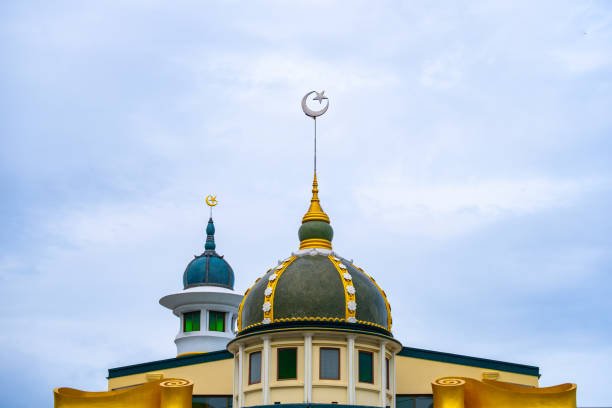
Identifying which countries in Africa are Islamic requires an examination of both the constitutional status of religion and the demographic majorities that define the social fabric of the continent. Currently, about one third of the global Muslim population resides within Africa, with several nations officially declaring themselves as Islamic Republics while others maintain a Muslim majority through cultural practice. These nations are primarily concentrated in Northern Africa, the Sahel region, and parts of the Horn of Africa where the faith has a history spanning over a thousand years.
The distribution of this faith across the continent is the result of centuries of trade, migration, and scholarly exchange between the Middle East and various African kingdoms. Understanding these nations provides a clearer picture of the religious and political landscape that shapes a significant portion of the African landmass today.
These are the Countries in Africa that are Islamic
The following nations are characterized by their strong adherence to the faith, either through official state designation or because the vast majority of their citizens identify as Muslims. In many of these territories, religious principles heavily influence the legal systems, educational curricula, and daily social interactions. This list explores the specific countries that define the Islamic identity within the African context, highlighting their unique historical and cultural contributions to the faith.
1. Mauritania
Mauritania is officially known as the Islamic Republic of Mauritania, making it one of the most prominent Islamic nations on the continent. Nearly 100 percent of its 4.7 million citizens are Sunni Muslims, and the national constitution establishes Islam as the sole religion of the state and its people. Sharia law is the primary source of legislation, which influences everything from judicial proceedings to social norms in the capital of Nouakchott. Historically, the country has served as a vital center for religious scholarship and the preservation of Arabic calligraphy and literature. It remains a strict practitioner of the faith, with religious education being a core component of the national curriculum for all children. The nation also plays a significant role in regional religious dialogues through its prestigious centers of learning located in the desert interior.
2. Somalia
Somalia is another nation where nearly 100 percent of the population adheres to the faith, specifically the Sunni branch. The federal government recognizes Islam as the state religion, and the constitution mandates that no law can be enacted that is contrary to the fundamental principles of Sharia. Despite decades of political instability, the religious identity of the Somali people has remained a unifying force across the various regions and clans. Mosques and religious scholars play a pivotal role in community dispute resolution and social welfare programs throughout the country. The cultural life of Somalia is deeply intertwined with religious calendars, festivals, and the daily calls to prayer that echo through its coastal cities. For example, during the month of Ramadan, the entire nation observes fasting with a level of communal devotion that is rarely matched elsewhere.
3. Algeria
Algeria stands as a major Islamic power in North Africa with a population that is over 99 percent Muslim. The constitution explicitly states that Islam is the religion of the state, and the government provides significant oversight of religious affairs to ensure national stability. Most Algerians follow the Maliki school of jurisprudence, which has influenced the nation's legal and social traditions since the 8th century. The Great Mosque of Algiers is a modern symbol of the nation's religious pride, standing as one of the largest mosques in the entire world. Islam was a central rallying point during the Algerian struggle for independence from colonial rule, solidifying its place in the national identity. Today, the nation continues to export Islamic scholarship and culture across the Mediterranean and into sub-Saharan Africa.
4. Morocco
The Kingdom of Morocco is a constitutional monarchy where the King holds the title of Commander of the Faithful. Islam is the state religion, and about 99 percent of the population identifies as Muslim, primarily following the Sunni Maliki school. Morocco is famous for its moderate and mystical Sufi traditions, which attract scholars and spiritual seekers from across the globe to cities like Fes and Marrakech. The legal system integrates both modern civil codes and religious principles, particularly in matters concerning family law and inheritance. The country serves as a bridge between the Islamic world and Europe, maintaining a rich architectural heritage that showcases centuries of religious art and design. Its unique position allows it to promote a message of tolerance and moderation in the international religious community.
5. Tunisia
Tunisia has a long and storied history with the faith, being home to the ancient city of Kairouan, which is considered one of the holiest sites in the region. Approximately 99 percent of Tunisians are Muslims, and while the country is known for its progressive interpretations of personal status laws, the faith remains a core part of its identity. The Ez-Zitouna University in Tunis is one of the oldest Islamic teaching institutions in the world, having educated scholars for over a thousand years. Despite modern secularizing trends, the constitution acknowledges the country's religious heritage and the importance of spiritual values in public life. Traditional festivals and the observation of the holy month of Ramadan are celebrated with great fervor across the Mediterranean nation. This blend of modernity and tradition makes Tunisia a unique example of a contemporary Muslim-majority state.
6. Libya
In Libya, the population is almost entirely Muslim, with estimates placing the figure at roughly 97 percent of the total inhabitants. The faith is the official state religion, and various interim governments since 2011 have emphasized the role of Sharia as the primary source of legislation. The Senussi movement, a Sufi religious order, historically played a massive role in the unification and resistance of the Libyan people against foreign occupation. Religious life in Libya is characterized by a strong adherence to traditional values and the prominent role of local imams in community leadership. Even amidst internal conflicts, the mosques remain central hubs for social gatherings and humanitarian assistance for the local population. The preservation of religious heritage remains a priority for the people, even as they navigate a complex political transition.
7. Egypt
Egypt is home to the largest Muslim population in the Arab world, with approximately 90 percent of its 110 million citizens practicing the faith. The Egyptian constitution recognizes Islam as the state religion and specifies that the principles of Sharia are the main source of legislation. Cairo, often called the City of a Thousand Minarets, is the seat of Al-Azhar University, which is the premier center of Sunni learning globally. Egyptian religious culture has a profound impact on the rest of the world through its literature, cinema, and discourse. While there is a significant Christian minority, the daily rhythm of life in Egypt is dictated by the religious calendar and observances. The country's history as a center of Islamic caliphates has left an indelible mark on its architecture and social customs.
8. Sudan
Sudan has a complex history, but it remains a predominantly Islamic nation, particularly following the secession of South Sudan in 2011. About 97 percent of the population identifies as Muslim, and the legal framework has historically been based on religious law. The country features a rich blend of Arab and African religious traditions, with Sufi orders holding significant influence over the spiritual lives of many Sudanese people. In cities like Khartoum and Omdurman, Friday prayers and religious processions are vital aspects of the social landscape. Despite political transitions, the religious identity remains a cornerstone of the nation's internal politics and its relationships with its neighbors. The nation’s commitment to religious education is evident in the many traditional schools that dot the banks of the Nile.
9. Djibouti
Located in the strategic Horn of Africa, Djibouti is a small nation where approximately 94 percent of the population practices the faith. The government recognizes the importance of the religion, and it is integrated into the national identity, though the legal system also incorporates elements of foreign civil law. Most Djiboutians belong to the Sunni branch and follow the Shafi'i school of thought, which is common in the coastal regions of East Africa. The country’s location has made it a historical crossroads for religious trade and cultural exchange between the Arabian Peninsula and Africa. Religious holidays are national public holidays, and the community places a high value on the oral recitation of the Quran. This strategic location has allowed Djibouti to maintain strong ties with the wider Muslim world while acting as a global shipping hub.
10. Comoros
The Comoros is an archipelago nation in the Indian Ocean where Islam is the state religion and practiced by about 98 percent of the population. The culture of the islands is a unique fusion of Arab, African, and French influences, but the religious foundation remains strictly Sunni. Many children in Comoros attend religious schools before entering the formal education system, ensuring that spiritual principles are learned from a young age. The Grand Mosque of Moroni is a central landmark and a testament to the long standing presence of the faith in these islands. Family law and social conduct in the Comoros are heavily guided by religious traditions and local customs known as Ada. The islands are also known for their vibrant religious festivals that celebrate the birth of the Prophet and other significant dates.
11. Senegal
Senegal is renowned for its unique and peaceful practice of the faith, which is followed by about 96 percent of its citizens. The country is famous for its powerful Sufi brotherhoods, such as the Mourides and the Tijaniyyah, which play a massive role in both the economy and politics. The city of Touba is a holy site for the Mouride brotherhood and serves as a major center for pilgrimage every year. While Senegal is a secular republic by law, the influence of religious leaders, known as Marabouts, is felt in every level of society. The Senegalese brand of faith is characterized by tolerance, community service, and a strong emphasis on spiritual discipline. This model of religious coexistence has made Senegal a beacon of stability in the West African region.
12. Gambia
The Gambia is a small West African nation where over 95 percent of the population identifies as Muslim. In 2015, the country was briefly declared an Islamic Republic by the then president, though this was later reversed, it highlighted the deep religious roots of the people. Most Gambians are Sunni Muslims who follow the Maliki school, often blending their faith with traditional West African values. The Gambia is known for its religious tolerance, where Muslims and the small Christian minority live side by side in peace. Mosques are found in every village, and religious festivals like Eid al-Fitr are major national events that bring communities together. The country’s commitment to religious education remains strong, with many families prioritizing spiritual training for their children.
13. Mali
Mali has a glorious history, most notably exemplified by the ancient city of Timbuktu, which was once a global center of religious learning and trade. Today, approximately 95 percent of the Malian population is Muslim, primarily adhering to Sunni Islam with strong Sufi influences. The Great Mosque of Djenne, made entirely of mud bricks, is one of the most famous religious structures in Africa and a UNESCO World Heritage site. Despite facing challenges in recent years, the majority of Malians practice a moderate and culturally rich form of the faith. The legacy of the Mali Empire and its famous ruler, Mansa Musa, continues to be a source of religious and national pride. Traditional music and art in Mali often incorporate religious themes, reflecting the deep integration of faith into the culture.
14. Niger
Niger is a landlocked country in the Sahel region where about 98 percent of the population practices the faith. The religion is deeply embedded in the daily lives of the people, from the nomadic Tuareg tribes in the north to the Hausa farmers in the south. While the state is officially secular, religious values heavily influence the social code and the local judicial systems in rural areas. Niger has one of the highest population growth rates in the world, and religious leaders often play a key role in discussing social issues. The country maintains strong ties with other religious nations and participates actively in regional dialogues. Many Nigeriens travel to Mecca every year, reflecting the deep commitment to the pillars of the faith among the population.
15. Guinea
In Guinea, roughly 85 to 90 percent of the population is Muslim, with the majority belonging to the Sunni branch. The faith began spreading in Guinea through the influence of the Futa Jallon highlands, which became a center for religious theocracy in the 18th century. Today, the Grand Mosque of Conakry stands as one of the largest in West Africa and serves as a central point for spiritual life in the capital. While the nation has a diverse ethnic makeup, the faith provides a common cultural framework for most citizens. Guineans are known for their vibrant religious music and their commitment to preserving traditional education alongside modern schooling. The role of imams in local communities remains a vital part of the social and political landscape of the nation.
16. Sierra Leone
Sierra Leone is often cited as one of the most religiously tolerant countries in the world, with a Muslim majority of about 78 percent. The faith in Sierra Leone is characterized by a peaceful coexistence with the Christian minority, and interfaith marriages are very common across the country. The religion was introduced to the region by traders and scholars from neighboring territories and has grown steadily over the centuries. Most Sierra Leoneans follow the Sunni branch, but there is also a significant Ahmadiyya community that contributes to education and healthcare. The national government often includes both Islamic and Christian prayers at official events, reflecting the country's pluralistic identity. This harmony serves as a model for religious tolerance on the continent.
17. Burkina Faso
Burkina Faso has seen a steady increase in its Muslim population over the decades, with current estimates suggesting that about 60 to 65 percent of the people are Muslim. The country is known for its indigenous Mossi culture, but the faith has become a dominant force, especially in the northern and western regions. Burkina Faso maintains a secular government, but religious holidays are recognized nationally, and the faith influences many aspects of community life. In the capital city of Ouagadougou, many new mosques have been built recently, reflecting the growing devotion of the urban population. Despite regional security challenges, the Burkinabe people generally maintain a tradition of religious harmony and mutual respect. This resilience is a hallmark of the Burkinabe approach to faith and society.
18. Chad
Chad is a diverse country that serves as a bridge between North Africa and Sub-Saharan Africa, with about 52 to 55 percent of its population practicing the faith. The northern parts of the country are almost entirely Muslim, while the southern regions have a mix of different beliefs. Chadian faith is largely Sunni and Maliki, with a strong presence of Sufi orders that focus on spiritual education and community cohesion. The King Faisal University in N'Djamena is a key institution for religious studies in the region. The religion in Chad is often characterized by its resilience and its ability to adapt to the harsh environmental conditions of the Sahara. The community places a high value on hospitality and charity, which are core tenets of the faith.
19. Nigeria
Nigeria is the most populous country in Africa and is home to one of the largest Muslim populations on the planet, totaling over 100 million people. Roughly 50 to 53 percent of Nigerians are Muslim, with the majority living in the northern states where religious principles are implemented in various capacities. The Sultan of Sokoto serves as the spiritual leader for Nigerian Muslims, upholding a legacy that dates back to the early 19th century. Nigeria's religious landscape is diverse, featuring various Sufi orders and a growing scholarly community. Despite occasional tensions, the faith remains a powerful force for social mobilization, charity, and political identity. The prominence of the Hajj in Nigerian life is evidenced by the massive annual logistics required to transport pilgrims to the holy sites.
20. Eritrea
Eritrea is located along the Red Sea and has a population that is roughly divided between Muslims and Christians, with Muslims making up about 50 percent of the total. The Eritrean government officially recognizes Sunni Islam as one of the major religious groups, and the Mufti of Eritrea is the highest authority for the community. Historically, the port city of Massawa was one of the first places in Africa where the followers of the Prophet landed, establishing an early presence for the faith. Today, Eritrean Muslims are integral to the nation's fabric, maintaining ancient mosques and vibrant religious traditions. The community is known for its strong sense of national duty and its contribution to the country's diverse cultural heritage. This ancient link to the origins of the faith is a point of great pride for the Eritrean people.
Reasons Why These Countries Are Islamic in Africa
1. Historical Trans-Saharan Trade Routes: One of the primary reasons Muslim-majority countries in Africa developed was the extensive trade networks that connected North Africa with the West and Central regions. Salt, gold, and ivory were exchanged for goods from the Mediterranean, and along with these goods, Arab traders brought their faith and legal systems. Many African rulers converted to the faith to facilitate better trade relations and to gain access to the administrative literacy offered by religious scholars.
2. The Influence of Early Religious Conquests: Shortly after the birth of the faith in the 7th century, Arab armies expanded across North Africa, from Egypt to Morocco. This rapid expansion led to the gradual conversion of the indigenous Berber populations and the establishment of powerful caliphates. Over time, the Arabic language and religious customs became the dominant cultural forces in the region, creating a permanent religious identity that persists to this day.
3. The Role of Sufi Brotherhoods and Scholars: In much of West and East Africa, the faith was spread not by armies but by wandering scholars and Sufi teachers. These individuals emphasized the spiritual and mystical aspects of the religion, which often resonated with existing local beliefs. Brotherhoods like the Tijaniyyah and the Mourides provided social structure and mutual support, making the faith a practical and attractive choice for many communities.
4. Resistance to European Colonialism: During the 19th and 20th centuries, many African leaders used the faith as a unifying tool to resist European colonial encroachment. Religious identity provided a common cause that transcended ethnic and linguistic boundaries, allowing for a more organized resistance. In many cases, the defense of religious values became synonymous with the defense of national sovereignty and independence.
5. Educational and Legal Systems: The establishment of religious schools, or madrasas, throughout Africa provided a standardized form of education and a shared legal framework. This created a class of educated elites who were capable of managing complex state administrations and international diplomacy. The adoption of Sharia principles in family and civil law also helped to create a cohesive social order in diverse territories.
6. Migration and Cultural Exchange: Continuous migration across the Sahara and along the Indian Ocean coast facilitated the constant flow of ideas and religious practices. Coastal cities like Zanzibar and Mogadishu became melting pots where Arab, Persian, and African cultures blended through marriage and commerce. This ongoing exchange ensured that the faith remained a dynamic and evolving part of the African experience for over a millennium.
Conclusion
Determining which countries in Africa are Islamic reveals a diverse and vibrant tapestry of nations that have embraced the faith through various historical processes. From the desert reaches of Mauritania to the coastal cities of Somalia, the religion continues to be a defining force for hundreds of millions of people. These countries demonstrate how spiritual values can coexist with diverse ethnic traditions to create unique national identities that contribute to the global community. As Africa continues to grow in influence, the role of its religious majority nations will remain a central element of its political and social evolution. Ultimately, the story of the faith in Africa is one of resilience, adaptation, and a deep commitment to spiritual principles that span the entire continent.
Enjoyed this read?
Share it with your friends and colleagues.