Which Countries In Africa Did Italy Colonize

BSC Insights Admin
October 01, 2026
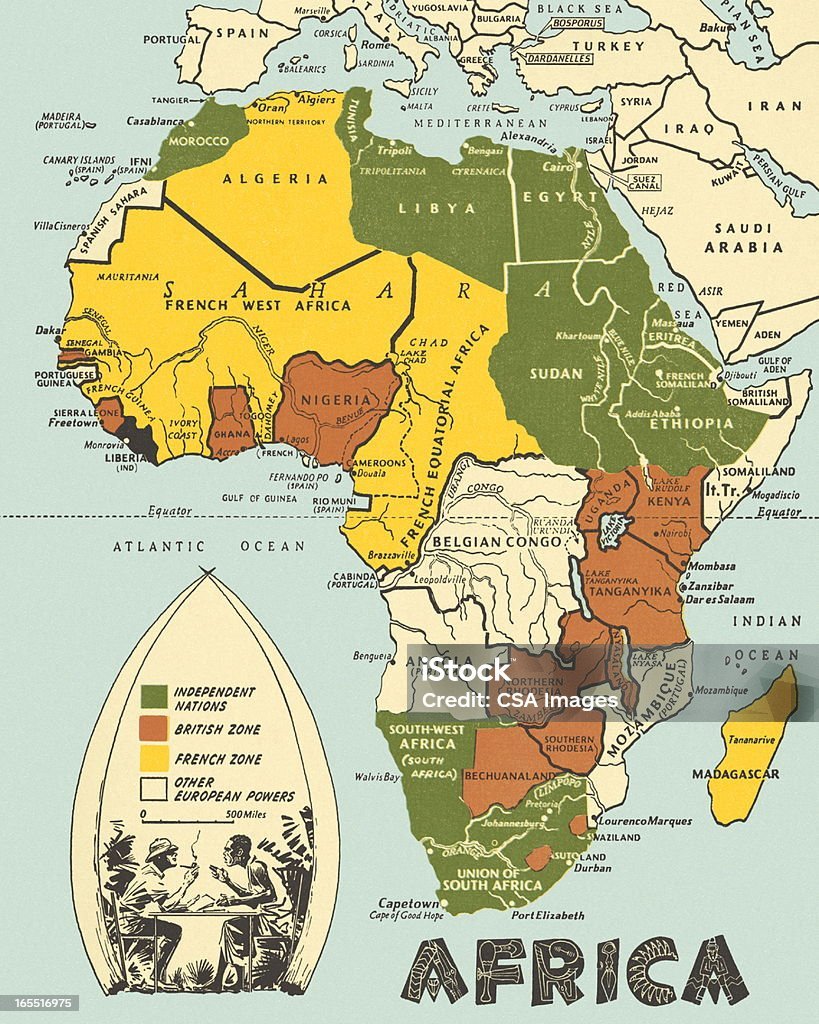
Identifying which countries in Africa did Italy colonize requires an exploration of the late nineteenth and early twentieth centuries when the Kingdom of Italy sought to establish its own imperial presence. During this era, Italy targeted territories in the North and Horn of Africa to compete with established powers like Britain and France. These colonial ventures fundamentally reshaped the political and social landscapes of modern day Libya, Eritrea, Somalia, and Ethiopia.
The Italian presence on the continent was marked by both architectural modernization and intense military conflict. Understanding this specific period of history provides vital context for the contemporary international relations and cultural heritage of these nations.
These are the Countries in Africa that Italy Colonized
The Italian colonial project was driven by a desire to achieve great power status and to find a place for its growing population. Unlike the British or French who had centuries of maritime experience, the Kingdom of Italy was a young nation that only unified in 1861. Consequently, its leaders felt a sense of urgency to secure African territories before the entire continent was partitioned. The following countries were the primary targets of Italian expansionism during this period of history.
1. Eritrea
Eritrea was the first official colony established by Italy in Africa, often referred to by Italian historians as the firstborn colony. The process began in 1869 when a private shipping company purchased the port of Assab from local sultans, which was later taken over by the Italian government in 1882. By 1885, Italian forces occupied the strategic port of Massawa, and in 1890, the territory was officially proclaimed the Colony of Eritrea. The Italians invested heavily in the infrastructure of the capital city, Asmara, which remains famous today for its well preserved Art Deco and Futurist architecture. Asmara was intended to be a little Rome in the heart of Africa, featuring wide boulevards, cinemas, and cafes that mirrored the aesthetic of the metropole. However, the colonial administration also implemented strict racial segregation and utilized the local population as askari, or colonial soldiers, to fight in various Italian wars across the region. The Italian period in Eritrea lasted until 1941, when British forces defeated the Italians during the Second World War East African Campaign.
2. Somalia
Italian involvement in Somalia began in the late 1880s through a series of protectorate agreements with various local sultanates, including those in the regions of Obbia and Majeerteen. By the early 1900s, the Italian state took direct control of these territories to form what became known as Italian Somaliland. The capital city of Mogadishu underwent significant transformation under Italian rule, with the construction of a modern port and administrative buildings that blended Italian styles with local Islamic motifs. The colonial economy in Somalia was largely based on agricultural plantations, particularly the cultivation of bananas and sugar cane for export back to Italy. During the fascist era under Benito Mussolini, the administration intensified its efforts to settle Italian farmers in the fertile regions between the Juba and Shabelle rivers. These agricultural schemes led to the displacement of many local Somali communities and the imposition of a forced labor system to maintain production levels. Italian rule in Somalia was temporarily expanded in 1940 when they occupied British Somaliland, but their entire regional empire collapsed by 1941 under the pressure of Allied military forces.
3. Libya
Libya was the centerpiece of Italian colonial ambitions in North Africa, acquired through the Italo Turkish War of 1911 to 1912. The Italian government viewed Libya as its fourth shore, or Quarta Sponda, believing that the territory was a natural extension of the Italian peninsula across the Mediterranean. The colonization process was extremely violent, as Italian forces faced decades of fierce resistance from the Senussi order led by the legendary Omar Mukhtar. It was not until the early 1930s that the Italians fully pacified the region through a brutal campaign that included the use of concentration camps and chemical weapons. Once control was established, the fascist government encouraged the migration of tens of thousands of Italian peasants to settle on the coastal plains. Significant infrastructure projects were undertaken, including the construction of the Via Balbia, a massive coastal highway that stretched from the Egyptian border to the Tunisian border. Libya remained under Italian control until 1943, when the North African campaign of the Second World War forced the Italian and German armies to retreat from the territory.
4. Ethiopia
The relationship between Italy and Ethiopia was one of the most contentious in colonial history, marked by two major wars and a brief period of occupation. In 1896, Italy attempted to conquer the Ethiopian Empire but suffered a humiliating defeat at the Battle of Adwa, making Ethiopia the only African nation to successfully repel a European colonial invasion. Seeking to avenge this loss, Mussolini launched a second invasion in 1935, utilizing modern tanks, aircraft, and mustard gas to overwhelm the Ethiopian defenders. In 1936, the Italians captured the capital of Addis Ababa and proclaimed the King of Italy as the Emperor of Ethiopia. Ethiopia was then integrated with Eritrea and Somalia to form Italian East Africa, a massive administrative unit intended to be the crown jewel of the new Italian Empire. The period of Italian rule in Ethiopia was short, lasting only five years from 1936 to 1941, and was characterized by a persistent and effective resistance movement known as the Patriots. Despite the brevity of the occupation, Italian influence can still be seen in the layout of certain neighborhoods in Addis Ababa and the presence of Italian cuisine and language loanwords in Ethiopian culture.
Reasons Why These Countries were Part of Italian Colonial History in Africa
1. Pursuit of National Prestige and Great Power Status: The primary reason which countries in Africa did Italy colonize were chosen was the desire of the Italian leadership to be seen as equals to Britain and France. As a newly unified nation, Italy felt that possessing colonies was a necessary requirement for any state that wished to be considered a major player on the international stage. This competitive drive led them to claim territories in the Horn of Africa and the Mediterranean that had not yet been fully claimed by other European powers.
2. The Concept of the Fourth Shore: For Libya specifically, Italy felt a geographical and historical entitlement to the territory based on the legacy of the Roman Empire. They referred to Libya as the Fourth Shore, suggesting that the Mediterranean Sea was an Italian lake and that North Africa was a natural territory for Italian expansion. This ideology was used to justify the high cost and human toll of the long war to pacify the Libyan resistance movements.
3. Relieving Population Pressure and Emigration: At the turn of the century, Italy faced significant economic challenges and a rapidly growing population, leading millions of Italians to emigrate to North and South America. The government hoped that African colonies would provide a nearby destination for these emigrants, allowing them to remain under Italian sovereignty while relieving domestic social pressures. By establishing agricultural settlements in Libya and Somalia, the state aimed to create a self sufficient rural class within its own empire.
4. Strategic Control of Maritime Routes: The territories of Eritrea and Somalia were chosen because of their strategic locations along the Red Sea and the Indian Ocean. By controlling the ports of Massawa, Assab, and Mogadishu, Italy could protect its commercial interests and project naval power along the vital shipping lanes leading to the Suez Canal. This strategic positioning was essential for Italy's ambition to become a dominant maritime power in both the Mediterranean and the wider world.
5. Economic Extraction and Resource Acquisition: Like all colonial powers, Italy sought to exploit the natural resources of its territories to fuel its domestic industries. In Somalia and Eritrea, they focused on commercial agriculture, while in Libya, they hoped to discover mineral wealth and agricultural potential in the coastal regions. The exploitation of these resources was intended to make the Italian economy more resilient and less dependent on imports from rival European nations.
6. Fascist Ideology and Imperial Expansion: Under the leadership of Benito Mussolini, the drive for colonization became central to the fascist ideology of national rebirth and military glory. Mussolini believed that a nation must either expand or perish, and he used the conquest of Ethiopia as a way to prove the strength of the Italian race and the fascist state. This ideological fervor led to a more aggressive and brutal form of colonial administration compared to the earlier liberal period of Italian history.
7. Historical Vengeance and the Legacy of Adwa: The 1935 invasion of Ethiopia was motivated in large part by a desire to erase the shame of the 1896 defeat at Adwa. Italian military leaders and politicians felt that Italy's honor could only be restored by a total victory over the Ethiopian Empire. This obsession with past military failure drove the state to commit enormous resources to a campaign that many other European nations viewed as an unnecessary and dangerous provocation.
8. Buffer Zones and Security Concerns: Italian planners often sought territories that could serve as buffers to protect their primary interests from British and French encroachment. By securing a presence in the Horn of Africa, they hoped to limit British influence in the Nile Valley and French influence in Djibouti. This geopolitical chess game was a constant feature of the Scramble for Africa, with Italy often acting as a middle power trying to carve out its own sphere of influence among giants.
9. Cultural and Religious Influence: Italy also aimed to spread its cultural and religious values through its colonial administrations, often working with the Catholic Church to establish missions and schools. While they generally respected local Islamic traditions in Libya and Somalia to maintain order, they promoted the Italian language and legal systems as the primary tools of civilization. This cultural mission was used to justify the colonial presence to the Italian public and the wider international community.
Conclusion
In summary, which countries in Africa did Italy colonize is a question that leads us back to the territories of Eritrea, Somalia, Libya, and Ethiopia. The Italian colonial era was a relatively brief but highly impactful chapter in African history, characterized by ambitious infrastructure projects and profound social upheaval. From the architectural legacy of Asmara to the long memory of resistance in Libya and Ethiopia, the marks of Italian rule continue to influence these nations today. While the Italian empire collapsed during the Second World War, the cultural and linguistic links forged during that period remain part of the complex heritage of the African continent. Understanding this specific colonial history is essential for appreciating the modern identities of the nations in the Horn and North of Africa. This history serves as a reminder of the far reaching consequences of the European imperial competition for the people and states of the African continent.
Enjoyed this read?
Share it with your friends and colleagues.