Which Countries In Africa Have Jungles

BSC Insights Admin
October 01, 2026
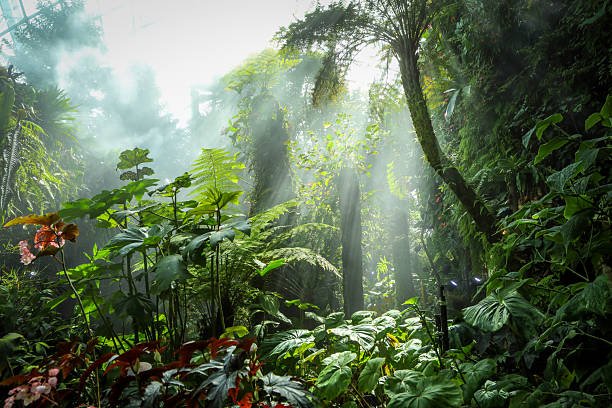
Determining which countries in Africa have jungles is a primary goal for ecologists and travelers who wish to explore the dense, tropical rainforests that define the equatorial heart of the continent. These lush ecosystems are mainly concentrated in Central and West Africa, where high rainfall and consistent heat create the perfect conditions for the world's second-largest rainforest, the Congo Basin. Beyond their breathtaking beauty, these jungles serve as critical carbon sinks and house thousands of species of animals and plants found nowhere else on Earth.
The distribution of these green territories is dictated by the Inter-Tropical Convergence Zone, which brings moisture and life to the landscape. Understanding the geography of these regions helps in appreciating the environmental challenges and the biological wealth of the African continent.
These are the Countries in Africa that have Jungles
The African continent is home to vast stretches of tropical rainforests, often referred to as jungles due to their dense canopies and thick undergrowth. While many people associate Africa with savannas and deserts, a significant portion of the landmass is covered by evergreen and semi-deciduous forests. These regions are essential for the survival of great apes, forest elephants, and diverse bird species. The following list identifies the key nations where these incredible ecosystems are most prominent, contributing to the continent's status as a global biodiversity hotspot.
1. Democratic Republic of the Congo
The Democratic Republic of the Congo is the epicenter of African jungles, containing approximately sixty percent of the entire Congo Basin rainforest. This massive territory features over 150 million hectares of primary forest, making it the second largest tropical forest in the world after the Amazon. The jungle here is so dense that large parts of the interior remain relatively unexplored by modern urban standards. It is the primary home of the bonobo, a great ape species found only in this country, as well as the elusive okapi. The forest plays a massive role in global climate regulation by storing billions of tons of carbon within its ancient trees. Despite the richness of its soil and timber, the nation faces significant challenges in balancing economic development with the preservation of this vital ecological resource.
2. Gabon
Gabon is widely recognized as the most forested country in Africa, with nearly eighty-five percent of its land area covered by dense tropical jungle. The government has taken proactive steps to protect this heritage by establishing thirteen national parks, which cover about eleven percent of the country. These jungles are unique because they often meet the Atlantic Ocean, creating rare sights where forest elephants and buffaloes can be seen walking on white sandy beaches. The Loango National Park is a prime example of this coastal jungle ecosystem, offering a sanctuary for diverse wildlife. Gabon’s forests are also a major source of high-quality timber, but the state has implemented strict sustainable logging practices to ensure the forest persists. The high level of biodiversity and the commitment to conservation make Gabon a leader in environmental protection in the Central African region.
3. Republic of the Congo
The Republic of the Congo, often called Congo-Brazzaville, features an extensive stretch of jungle that covers most of its northern territory. This region is characterized by low-lying swamp forests and vast peatlands that were only recently mapped in their entirety. The Odzala-Kokoua National Park is one of the oldest national parks in Africa and is a critical habitat for the western lowland gorilla. Because of the difficult terrain and the abundance of rivers, the jungle here remains largely intact and free from large-scale industrial interference. The forest is also home to various indigenous communities, such as the Baka, who have lived in harmony with the ecosystem for millennia. The national economy is slowly shifting toward ecotourism, leveraging the pristine nature of its jungles to attract international visitors. Efforts are ongoing to protect these forests from the threats of poaching and illegal logging through international partnerships.
4. Cameroon
Cameroon is frequently called Africa in miniature because it contains almost every major climatic zone of the continent, including vast tropical jungles in its southern half. These forests are part of the Guinea-Congolian region and are characterized by a high degree of species endemism. Mount Cameroon, an active volcano near the coast, creates a unique high-altitude jungle environment that receives some of the highest rainfall totals on Earth. The Dja Faunal Reserve is a UNESCO World Heritage site located in the heart of the Cameroonian jungle, protecting a massive loop of the Dja River and the animals within it. These jungles are vital for the production of cocoa and rubber, which are major exports for the country’s economy. However, the expansion of commercial agriculture has put pressure on the forest borders, requiring careful management from the local authorities. The cultural diversity of the people living in these forested regions is as rich as the biological diversity of the trees themselves.
5. Equatorial Guinea
Equatorial Guinea is a small nation where the mainland territory, known as Rio Muni, is almost entirely covered by dense tropical jungle. The high humidity and consistent rainfall support an evergreen canopy that is home to a wide array of primates and rare bird species. Even on the island of Bioko, where the capital Malabo is located, the volcanic slopes are covered in lush, mountainous rainforests. These jungles have historically isolated certain communities, leading to the preservation of unique cultural traditions among the local inhabitants. The country’s economy has been dominated by oil in recent years, which has actually helped reduce the rate of deforestation by shifting the labor force away from agriculture. However, as the nation looks to diversify, there is a growing interest in sustainable timber extraction and ecotourism. The Monte Alen National Park serves as the premier protected area for the country’s mainland jungle biodiversity.
6. Central African Republic
The Central African Republic features a significant block of jungle in its southwestern corner, which is part of the larger Sangha Tri-National landscape. This area is known for its incredible density of forest elephants and western lowland gorillas, which congregate in natural clearings called bais. The Dzanga-Sangha Special Reserve is the most famous protected area in the country, offering rare opportunities to observe wildlife in a pristine jungle setting. Although the northern parts of the country are dominated by savanna, the southern jungles provide a vital refuge for species that cannot survive in drier climates. The indigenous Ba'Aka people are the traditional guardians of these forests, using their deep knowledge of medicinal plants and animal tracking to navigate the thick undergrowth. Political instability has sometimes hindered conservation efforts, but the remote nature of the jungle has provided a natural shield for much of the wildlife. The forest also serves as a critical water catchment area for the numerous rivers that flow through the region.
7. Nigeria
Nigeria possesses significant stretches of jungle in its southern belt, particularly in the states bordering the Gulf of Guinea and the Niger Delta. While much of the original rainforest has been cleared for urban development and agriculture, substantial blocks remain in Cross River State near the border with Cameroon. The Cross River National Park is one of the last remaining strongholds for the Cross River gorilla, the world's rarest great ape. These jungles are characterized by high humidity and heavy seasonal rains that support massive hardwood trees and a complex network of mangroves along the coast. The forest is also a source of non-timber products such as wild fruits, honey, and medicinal herbs that are essential for local rural economies. Nigeria’s jungles are under constant pressure from the country’s large population, making conservation a high-stakes battle between development and ecology. Despite this, the remaining green spaces are recognized as vital for protecting the country's unique natural heritage.
8. Liberia
Liberia contains the largest remaining portion of the Upper Guinean rainforest, which is one of the most threatened jungle ecosystems in the world. Approximately forty percent of the country is covered by forest, providing a home to the rare pygmy hippopotamus and several endangered chimpanzee populations. The Sapo National Park is the country's premier protected jungle area, featuring a vast expanse of primary forest that has seen very little human interference. These jungles are essential for the local climate, ensuring regular rainfall for the country's agricultural activities. Historically, the forest played a role in providing cover and resources during periods of civil conflict, but today it is seen as a cornerstone of the nation’s sustainable development plan. The Liberian government has signed agreements with international donors to protect these forests in exchange for development aid, highlighting their global importance. The thick canopy and vibrant wildlife make Liberia a top destination for serious birdwatchers and nature enthusiasts.
9. Ivory Coast
Ivory Coast, or Côte d'Ivoire, has several vital pockets of jungle, the most famous being the Taï National Park in the southwest. This park is one of the last major remnants of the primary tropical forest that once covered much of West Africa. It is famous for its populations of chimpanzees that have been observed using sophisticated tools, a behavior that has attracted researchers from around the world. The jungle here is characterized by massive trees that can reach over fifty meters in height, creating a complex multi-layered ecosystem. While the country has faced high rates of deforestation due to cocoa farming, the protected areas remain bastions of biodiversity. These forests are also culturally significant, housing sacred groves that have been protected by local communities for centuries. The Ivorian government is working to restore degraded forest areas to ensure that the ecological benefits of the jungle are preserved for future generations. These jungles are critical for maintaining the regional water cycle in West Africa.
10. Ghana
Ghana features semi-deciduous and evergreen jungles in its southern and western regions, which are essential for its timber and cocoa industries. The Kakum National Park is perhaps the most well-known jungle destination in the country, featuring a world-famous canopy walkway that allows visitors to view the forest from above. These jungles are home to forest elephants, bongo antelopes, and hundreds of species of tropical birds. Although the forest cover has been reduced by agricultural expansion, the remaining reserves are managed strictly by the Ghana Wildlife Division. The jungles of Ghana are also important for their historical and cultural links to the Ashanti Empire, where the forest provided both resources and military protection. Ghana’s approach to forest management increasingly involves local communities, ensuring that those living near the jungle benefit from its preservation. The transition from the coastal savanna to the inland jungle is one of the most beautiful geographical features of the country.
11. Uganda
Uganda is unique because its jungles are often situated at higher altitudes, creating what is known as montane rainforest or mountain jungle. The Bwindi Impenetrable National Park is the most famous example, providing a home to nearly half of the world's remaining mountain gorillas. The jungle here is exceptionally thick, with a tangled undergrowth of vines and shrubs that makes it a true adventure to navigate. Kibale National Park is another major jungle area, known for having the highest density of primates in Africa, including large communities of chimpanzees. These high-altitude jungles are often shrouded in mist, creating a mystical atmosphere that is quite different from the lowland jungles of the Congo Basin. Uganda’s jungles are vital for the country's tourism industry, which is a major source of foreign exchange and employment. The preservation of these forests is also crucial for the protection of the numerous watersheds that feed the Nile River.
12. Madagascar
Madagascar is an island nation with a unique belt of tropical jungle running along its eastern coast. Because the island has been separated from the mainland for millions of years, the jungles here contain species found nowhere else on the planet, including dozens of types of lemurs. The Masoala National Park is the largest protected area on the island, featuring primary rainforest that spills directly into the Indian Ocean. These jungles are characterized by high levels of endemism, meaning that almost every plant and animal you see is unique to Madagascar. The forest is also a source of precious hardwoods like rosewood, which unfortunately has made it a target for illegal logging. Despite the environmental pressure, the eastern rainforests remain one of the world's top priorities for conservation. The humid climate and rugged terrain have protected these jungles from total clearance, although they remain a fragile and precious ecosystem.
13. Sierra Leone
Sierra Leone possesses several important blocks of jungle, particularly in the Gola Rainforest National Park near the border with Liberia. This park is part of the Upper Guinean forest block and is a critical habitat for threatened species such as the western chimpanzee and the pygmy hippo. The jungles of Sierra Leone are characterized by a long rainy season that supports a lush and vibrant green landscape for most of the year. Historically, the country’s diamond mining industry has put pressure on the forest, but recent conservation efforts have focused on sustainable livelihoods for local people. The Tiwai Island Wildlife Sanctuary is another unique jungle location, situated on a river island and boasting one of the highest concentrations of primates in the world. Sierra Leone’s jungles are also important for their role in preventing soil erosion and managing the country’s abundant water resources. The government is increasingly viewing its forests as a key asset in its fight against climate change and for the promotion of ecotourism.
14. Rwanda
Rwanda, often called the Land of a Thousand Hills, features spectacular mountain jungles in its northern and western reaches. The Volcanoes National Park is a world-renowned destination for gorilla trekking, situated in a high-altitude jungle environment dominated by bamboo and ancient hagenia trees. Nyungwe Forest National Park in the south is one of the oldest and best-preserved montane rainforests in Central Africa, housing thirteen different species of primates. These jungles are vital for Rwanda’s water security, as they act as a massive sponge that absorbs and slowly releases water into the country’s river systems. The Rwandan government has made conservation a national priority, integrating forest protection with the economic needs of the surrounding communities. The canopy walkway in Nyungwe offers a breathtaking view of the jungle, highlighting the immense vertical scale of these mountain forests. Despite the country's high population density, Rwanda has successfully maintained and even expanded its forest cover in recent years.
15. Burundi
Burundi has small but critical remnants of mountain jungle, primarily in the Kibira National Park, which is contiguous with Rwanda’s Nyungwe Forest. This jungle block is essential for the national climate, as it influences rainfall patterns in the surrounding agricultural areas. It is a haven for several primate species and a diverse range of birds that are characteristic of the Albertine Rift. Although the forest has faced pressure from wood harvesting and land encroachment, it remains a protected area of high ecological value. The jungle here serves as the source for many of Burundi’s rivers, which provide water for the country’s coffee and tea plantations. International conservation groups are working with the Burundian government to restore degraded areas and improve the monitoring of the park. These high-altitude jungles represent a vital link in the chain of forests that run along the backbone of East-Central Africa.
Reasons Why These Countries Have Jungles in Africa
1. Equatorial Latitude and Solar Intensity: The primary reason which countries in Africa have jungles are located where they are is their position along the equator. This geographic location ensures that the sun's rays hit the Earth at a nearly vertical angle throughout the year, providing consistent heat and energy. This constant warmth drives the evaporation and transpiration processes, leading to the high humidity that tropical rainforests require to thrive. Without this permanent tropical summer, the dense evergreen canopies of the Congo Basin and the Guinean forests could not exist.
2. High Annual Rainfall Patterns: Jungles require a massive and consistent supply of water, typically exceeding 2,000 millimeters per year. The countries mentioned above are situated in regions where the Inter-Tropical Convergence Zone brings heavy rainfall during most months of the year. This abundant moisture prevents the soil from drying out and allows for the growth of diverse plant life that stays green all year round. In places like Mount Cameroon, the interaction of warm air and mountain topography can lead to even more extreme rainfall, further fueling the growth of thick jungle vegetation.
3. The Influence of the Congo River System: The vast network of rivers in Central Africa, dominated by the Congo River, provides the necessary drainage and moisture for the continent’s largest jungle block. These rivers act as a circulatory system, moving water through the basin and supporting swamp forests and riparian jungles that are essential for many species. The presence of such a massive freshwater system ensures that the humidity remains high even during relatively drier periods. The Congo River also facilitates the movement of nutrients throughout the forest floor, supporting the massive trees that define the jungle.
4. Low-Lying Topographical Basins: Much of the African jungle is located in low-lying basins that naturally collect water and maintain a stable, humid microclimate. The Congo Basin is a perfect example of this, acting as a giant bowl that traps moisture and creates a self-sustaining weather system. These topographical features protect the forest from the drying winds of the Sahara in the north and the Kalahari in the south. The lack of high mountain barriers in certain parts of Central Africa allows the humid air from the Atlantic to penetrate deep into the interior, extending the reach of the jungle across millions of square kilometers.
5. Ancient Geological and Biological Stability: Many of the African jungles are millions of years old and have remained relatively stable through various ice ages and climate shifts. This long-term stability has allowed for the evolution of a complex web of life where thousands of species have adapted to the specific conditions of the forest. The nutrient cycling in these jungles is incredibly efficient, with fallen leaves and organic matter being rapidly decomposed and reused by the massive trees. This ancient soil and biological heritage provide the foundation for the high biodiversity that makes these jungles so ecologically significant today.
6. Protection Through National Legislation: In the modern era, the continued existence of jungles in countries like Gabon and Rwanda is largely due to strong government protection and the establishment of national parks. By designating large areas of forest as protected zones, these nations have limited the impact of industrial logging and large-scale agriculture. International carbon credit programs and ecotourism have provided financial incentives for these countries to keep their jungles standing. The commitment of local and international conservationists ensures that the borders of these jungles are monitored and that the wildlife within them is protected from external threats.
Conclusion
In summary, which countries in Africa have jungles is a question that highlights the incredible environmental wealth of nations like the Democratic Republic of the Congo, Gabon, and Liberia. These tropical rainforests are not only beautiful landscapes but also essential components of the Earth's life support system, regulating the climate and housing a vast array of unique species. From the lowland swamps of the Congo Basin to the misty mountain forests of Rwanda, Africa's jungles represent a diverse and resilient ecosystem that continues to fascinate the world. As global environmental challenges increase, the protection and sustainable management of these green territories have never been more important. Ultimately, the future of these jungles depends on our collective ability to value and preserve the natural heritage of the African continent.
Enjoyed this read?
Share it with your friends and colleagues.