Which Countries In Africa Are Landlocked

BSC Insights Admin
September 30, 2026
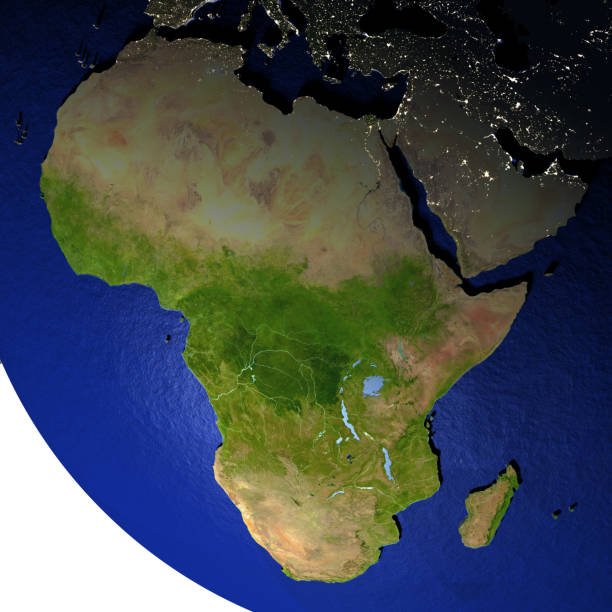
Identifying which countries in Africa are landlocked is a fundamental aspect of understanding the continent's complex geography and economic challenges. These sixteen nations do not have direct access to an ocean or sea, meaning they must rely on neighboring coastal states for maritime trade and port facilities. This geographic positioning significantly influences their foreign policies, transportation infrastructure, and overall participation in the global market.
Navigating the logistical hurdles of being surrounded entirely by land requires these states to form strong regional alliances and invest heavily in transit corridors. Exploring the specific nations that fall into this category helps clarify how geography continues to shape the political and economic destiny of nearly a third of the continent's sovereign states.
These are the Countries in Africa that are Landlocked
There are sixteen landlocked nations across the African continent, spread through every subregion except North Africa. These countries face unique hurdles, including higher costs for imported goods and a significant dependency on the political stability of their neighbors to reach international shipping lanes. Despite these constraints, many of these nations have developed ingenious ways to integrate into the global economy through dry ports, extensive rail networks, and regional trade blocs. Below is the comprehensive list of these nations and an explanation of their geographical context.
1. Botswana
Botswana is located in Southern Africa and is bordered by South Africa, Namibia, Zambia, and Zimbabwe. Although it lacks a coastline, it has become one of the most prosperous nations on the continent due to its vast diamond reserves and stable democratic governance. To export its minerals, Botswana relies heavily on the infrastructure of its neighbors, particularly the ports in South Africa and Namibia. The Trans-Kalahari Corridor is a vital road network that connects Botswana to the Port of Walvis Bay in Namibia, significantly reducing transit times for goods. Despite the lack of sea access, the country has maintained a high human development index and a robust economy. Its strategic location makes it a central hub for the Southern African Development Community.
2. Burkina Faso
Burkina Faso is a West African nation surrounded by six countries: Mali, Niger, Benin, Togo, Ghana, and the Ivory Coast. Being landlocked in the Sahel region means the country faces significant environmental and logistical challenges, especially regarding food security and fuel imports. The nation primarily uses the Port of Abidjan in Ivory Coast and the Port of Lome in Togo to facilitate its international trade. Large truck convoys are a common sight on the roads connecting Ouagadougou to the Atlantic coast, carrying cotton and gold, which are the country's primary exports. The government has historically invested in regional rail projects to lower the cost of transport, though regional instability sometimes hampers these efforts. Burkina Faso remains a critical cultural and political player in the West African region despite its geographic isolation.
3. Burundi
Burundi is a small, mountainous country in the Great Lakes region of East Africa, bordered by Rwanda, Tanzania, and the Democratic Republic of the Congo. While it does not touch an ocean, it sits on the eastern shore of Lake Tanganyika, which serves as a crucial waterway for transporting goods to the southern parts of the continent. Most of Burundi's maritime trade passes through the Port of Dar es Salaam in Tanzania, requiring a long journey by road or rail through the Central Corridor. The high cost of this logistics chain often impacts the price of essential goods in the capital, Bujumbura. To mitigate this, Burundi participates actively in East African integration efforts to streamline customs and border crossings. The country's economy is largely agricultural, relying on the export of coffee and tea to generate foreign exchange.
4. Central African Republic
The Central African Republic occupies a central position on the continent and is bordered by Chad, Sudan, South Sudan, the Democratic Republic of the Congo, the Republic of the Congo, and Cameroon. This landlocked status is compounded by limited infrastructure and a history of political instability, making it one of the most challenging environments for trade in Africa. The nation primarily relies on the Port of Douala in Cameroon, which is connected to the capital, Bangui, by a long and often precarious road corridor. During the rainy season, these transport routes can become almost impassable, leading to shortages of fuel and medicine. The Ubangi River provides some seasonal transport capacity, but its reliability is subject to weather patterns and water levels. Despite possessing vast natural resources like diamonds and timber, the country struggles to maximize its wealth due to these immense geographic and logistical barriers.
5. Chad
Chad is a massive nation in North-Central Africa that is often described as the dead heart of the continent because of its extreme distance from any coastline. It is bordered by Libya, Sudan, the Central African Republic, Cameroon, Nigeria, and Niger. Most of its international trade must travel over 1,500 kilometers through Cameroon to reach the Port of Douala. The construction of the Chad-Cameroon petroleum pipeline was a monumental engineering feat designed to allow the country to export its crude oil despite being landlocked. Without this pipeline, the cost of transporting oil by truck would have made production economically unviable. Chad's geography also places it in a sensitive security position, as it shares borders with several regions currently facing conflict, further complicating its transit routes.
6. Ethiopia
Ethiopia is the most populous landlocked country in the world, a status it acquired in 1993 following the independence of Eritrea. Located in the Horn of Africa, it is surrounded by Eritrea, Djibouti, Somalia, Kenya, South Sudan, and Sudan. Since losing its coastline, Ethiopia has developed a highly specialized relationship with Djibouti, where over 95 percent of its maritime trade is handled through the Port of Djibouti. A modern electrified railway connects the capital, Addis Ababa, to the coast, significantly improving the speed and efficiency of its imports and exports. Ethiopia has also explored using ports in Somaliland and Kenya to diversify its transit options and ensure national security. Despite being landlocked, the country has maintained one of the fastest-growing economies in Africa through massive investments in infrastructure and manufacturing.
7. Eswatini
Eswatini, formerly known as Swaziland, is a small monarchy in Southern Africa bordered by South Africa and Mozambique. Because it is almost entirely surrounded by South Africa, its economy is deeply integrated with its larger neighbor, making it part of the Common Monetary Area. For maritime access, Eswatini utilizes the Port of Maputo in Mozambique and various ports in South Africa, such as Durban. The country has a well-maintained road and rail network that facilitates the export of sugar, citrus fruits, and wood pulp. Being landlocked has not prevented Eswatini from maintaining strong international trade links, especially through the Southern African Customs Union. The proximity to Maputo provides a relatively short and efficient route to the Indian Ocean compared to other landlocked states.
8. Lesotho
Lesotho is a unique case because it is not just landlocked but is an enclave, meaning it is entirely surrounded by a single country, South Africa. Its geography is defined by high mountains, which makes transportation difficult even within its own borders. Every single piece of international cargo entering or leaving Lesotho must pass through South African territory, giving Pretoria significant influence over the nation's logistics. The Port of Durban is the primary maritime gateway for Lesotho's growing textile industry, which exports products to the United States and Europe. The Lesotho Highlands Water Project is a major economic driver that involves selling water to South Africa, demonstrating a beneficial trade relationship despite the geographic constraints. The high altitude and rugged terrain mean that road maintenance is expensive and essential for keeping the economy functional.
9. Malawi
Malawi is located in Southeast Africa and is bordered by Zambia, Tanzania, and Mozambique. While it features the massive Lake Malawi, it has no direct connection to the sea and relies on corridors through Mozambique to reach the ports of Beira and Nacala. The Nacala Development Corridor, which includes a modern railway line, is a vital lifeline for the country's tobacco and sugar exports. Historically, disruptions in Mozambique have had severe impacts on Malawi's economy, highlighting the vulnerability of landlocked states. The government has focused on regional cooperation to ensure that transit fees remain competitive and that border delays are minimized. Despite its small size and lack of a coastline, Malawi is one of the most densely populated countries in the region, with a strong focus on agricultural development.
10. Mali
Mali is a vast West African nation that occupies a significant portion of the Sahara Desert and the Sahel, bordered by seven countries. It relies on the Port of Dakar in Senegal and the Port of Abidjan in Ivory Coast for the majority of its fuel and manufactured imports. The Dakar-Niger railway was historically the backbone of Mali's trade, though in recent years, road transport has become more dominant. Being landlocked makes Mali particularly vulnerable to regional political shifts, as seen when sanctions can close borders and halt the flow of goods. The country exports significant amounts of gold and cotton, but the transport costs often eat into the profit margins of these commodities. Mali's central location in West Africa also makes it a traditional crossroads for nomadic trade and cultural exchange.
11. Niger
Niger is another large landlocked country in the Sahel, bordered by Algeria, Libya, Nigeria, Benin, Burkina Faso, Mali, and Chad. Its primary maritime gateway is the Port of Cotonou in Benin, which is connected to Niger by a well-traveled road corridor. The nation is a major producer of uranium, and getting this heavy mineral to global markets requires a highly coordinated logistics operation across international borders. Niger's vast northern desert regions are sparsely populated, with most economic activity concentrated in the south near the Niger River. The high cost of importing petroleum has led the country to develop its own small-scale refinery to meet domestic needs. Like its neighbors, Niger faces the dual challenge of being landlocked and dealing with the effects of climate change on its agricultural land.
12. Rwanda
Rwanda is known as the land of a thousand hills and is situated in the Great Lakes region, bordered by Uganda, Tanzania, Burundi, and the DRC. It is one of the most efficient landlocked countries in terms of logistics, utilizing both the Northern Corridor through Kenya and the Central Corridor through Tanzania. Goods destined for Rwanda typically arrive at the Port of Mombasa or Dar es Salaam before making the long journey by truck. The government has invested heavily in digitalizing customs processes to reduce the time trucks spend at border crossings. Rwanda also aspires to become a regional services hub, focusing on high-value, low-weight exports like specialty coffee and technology services that are less affected by transport costs. Its strategic focus on becoming a "land-linked" rather than landlocked nation is a core part of its development strategy.
13. South Sudan
South Sudan is the world's youngest country and is located in East-Central Africa, bordered by six nations including Sudan and Ethiopia. Its economy is almost entirely dependent on oil exports, which must travel through a pipeline across its northern neighbor, Sudan, to reach the Red Sea at Port Sudan. This dependency has often led to economic friction and revenue losses during periods of political tension between the two nations. The country also relies on road transport from the Port of Mombasa in Kenya for most of its food and manufactured goods. The lack of paved roads within South Sudan makes internal distribution extremely difficult, especially during the rainy season when much of the country becomes a swamp. Efforts to build alternative pipelines or better road links to Kenya and Ethiopia are frequently discussed but remain hampered by internal conflict and lack of funding.
14. Uganda
Uganda is a landlocked nation in East Africa that serves as a vital transit point for goods moving into the eastern Democratic Republic of the Congo and South Sudan. It is bordered by Kenya, Tanzania, Rwanda, South Sudan, and the DRC, with much of its southern border formed by Lake Victoria. Uganda's primary link to the sea is the Port of Mombasa in Kenya, which is accessed via the busy Northern Corridor road and rail network. The country is also developing the Central Corridor route through Tanzania as a strategic alternative to reduce its dependency on a single transit path. Uganda is poised to become a significant oil exporter, which will require the construction of a heated pipeline to the Tanzanian coast. Despite the lack of a coastline, the country has a fertile agricultural sector and a growing manufacturing base centered around the capital, Kampala.
15. Zambia
Zambia is located in Southern Africa and is surrounded by eight different countries, giving it a unique "land-linked" status in the region. It is a major global producer of copper, which is exported through various ports including Durban in South Africa, Beira in Mozambique, and Dar es Salaam in Tanzania. The TAZARA railway, built in the 1970s, remains a historic and functional link between the Zambian copper belt and the Tanzanian coast. Zambia's central location makes it an essential hub for regional trade, but also means it must maintain good relations with all eight of its neighbors to ensure its goods can move freely. The high cost of transporting heavy copper ore over long distances is a constant factor in the country's economic planning. In recent years, Zambia has focused on improving its road bridges and border posts to facilitate faster transit times.
16. Zimbabwe
Zimbabwe is a landlocked nation in Southern Africa bordered by South Africa, Botswana, Zambia, and Mozambique. It occupies a strategic position on the continent's North-South transport corridor, making it a vital transit route for goods traveling between South Africa and the DRC or Zambia. The country primarily uses the Port of Beira in Mozambique for its exports of minerals and tobacco, as it is the closest maritime outlet. Zimbabwe has a well-developed but aging rail and road network that was once the envy of the region and is currently undergoing various rehabilitation projects. The country's economic challenges over the last two decades have been exacerbated by the high cost of imports, which is a direct result of its landlocked geography. Despite this, its central location ensures it remains a key player in the Southern African Power Pool and regional trade agreements.
Reasons Why These Countries Are Landlocked in Africa
1. Colonial Border Agreements: The primary reason landlocked nations in Africa exist in their current form is the Berlin Conference of 1884, where European powers divided the continent. These borders were often drawn based on geometric lines or limited geographical knowledge, focusing on European interests rather than the logic of pre-existing African states or natural trade routes. Consequently, many territories were delineated deep in the interior without regard for providing them with a coastline. These colonial boundaries were largely maintained after independence to avoid widespread conflict, cementing the landlocked status of these sixteen nations.
2. High Cost of Logistics and Trade: Being landlocked naturally increases the cost of doing business because goods must travel long distances overland before reaching a port. These countries must pay for road or rail transport through multiple territories, often facing transit fees and port handling charges in neighboring states. On average, landlocked African countries pay nearly double what coastal nations pay for transport, which can hinder industrialization and make their exports less competitive on the global market. This economic reality forces these nations to prioritize high-value exports that can absorb these higher logistical costs.
3. Dependence on Neighboring Stability: The economic survival of a landlocked country is tied to the political and social stability of its coastal neighbors. If a neighboring country experiences a civil war, a port strike, or a border closure, the landlocked nation's entire supply chain can be severed instantly. For example, landlocked countries in West Africa have often seen their trade routes disrupted during periods of regional unrest. This vulnerability requires these nations to maintain sophisticated diplomatic relations and often invest in multiple transit corridors to avoid over-reliance on a single neighbor.
4. Regional Trade Agreements: To overcome the disadvantages of being landlocked, many of these countries are at the forefront of pushing for regional integration. Organizations like the East African Community and SADC work to create customs unions that allow for the seamless movement of goods across borders without redundant inspections. The African Continental Free Trade Area is another massive initiative designed to reduce the barriers that landlocked states face. By creating a single market, these nations can mitigate some of the geographic "penalties" associated with their lack of sea access.
5. Infrastructure Development focus: Landlocked nations are forced to spend a higher percentage of their national budgets on cross-border infrastructure compared to coastal states. They must build and maintain thousands of kilometers of highways and railways just to reach the nearest port. Projects like the Standard Gauge Railway in East Africa or the various Development Corridors in Southern Africa are essential lifelines for these countries. Without these massive investments, their economies would remain stagnant and isolated from international commerce.
6. Diplomatic and Political Alliances: Geography dictates that landlocked states must be masters of diplomacy to ensure their transit rights are respected. International law, such as the UN Convention on the Law of the Sea, provides landlocked states with certain rights to access the ocean, but enforcing these rights requires constant negotiation with coastal neighbors. These countries often host regional summits and participate heavily in international forums to ensure their voices are heard. Their foreign policies are usually characterized by a pragmatic focus on maintaining open and efficient trade corridors.
Conclusion
Understanding which countries in Africa are landlocked provides deep insight into the structural challenges and the resilient strategies found across the continent. While these sixteen nations face significant geographic hurdles, they have also become leaders in regional cooperation and infrastructure innovation. From the diamond-rich plains of Botswana to the high-tech hubs emerging in Rwanda, these countries are proving that being landlocked does not mean being excluded from global progress. As the continent continues to integrate through massive free trade agreements, the traditional disadvantages of lack of sea access may eventually be outweighed by the benefits of central location and regional connectivity. Ultimately, the story of Africa's landlocked states is one of overcoming isolation through partnership and strategic development.
Enjoyed this read?
Share it with your friends and colleagues.