Which Countries In Africa Are Not 3Rd World

BSC Insights Admin
October 01, 2026
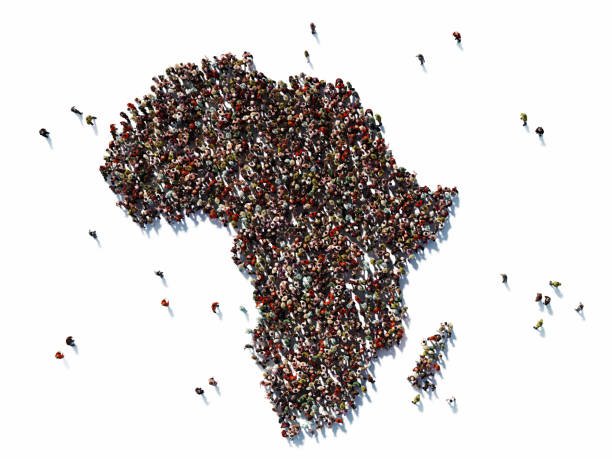
Determining which countries in Africa are not 3rd world involves identifying nations that have moved beyond the traditional classification of low-income developing states by achieving middle-income or high-income status. According to the World Bank and the Human Development Index, several African territories now boast sophisticated economies, high literacy rates, and advanced infrastructure that set them apart from their peers. These nations represent the economic vanguard of the continent, proving that sustainable growth and institutional stability can transform a country's global standing within a few decades.
The transition from a developing state to an emerging or advanced economy is marked by significant improvements in healthcare, industrial output, and political governance. Exploring these specific nations helps us understand the diverse economic pathways that allow African states to compete effectively on the global stage.
These are the Countries that are Not 3rd World in Africa
To identify the nations that have successfully escaped the third world label, we must look at data points such as Gross Domestic Product per capita and the quality of life enjoyed by the citizenry. While many people still view the entire continent through a lens of poverty, the reality is that several sovereign states have surpassed global averages for development and economic freedom. The following list highlights the specific countries that lead the continent in terms of prosperity, infrastructure, and human development scores.
1. Seychelles
Seychelles is officially the most developed country on the African continent and is the only African nation classified as a high-income economy by the World Bank. With a Gross Domestic Product per capita that exceeds many nations in Eastern Europe, it has successfully utilized its tourism and industrial fishing sectors to create a high standard of living. The government provides universal healthcare and free education through the secondary level, which has resulted in a literacy rate of over 95 percent. Its blue economy initiative focuses on the sustainable use of ocean resources, ensuring that the nation remains wealthy and environmentally protected for future generations. Seychelles is a primary example of how a small island nation can achieve advanced status through strategic environmental and economic management. Most citizens enjoy modern housing and a level of connectivity that is among the highest in the world.
2. Mauritius
Mauritius has consistently ranked as one of the most stable and prosperous nations in Africa, having transitioned from a sugar-dependent colony to a diversified global hub. The country is known for its strong democratic traditions and its role as a regional financial center, attracting billions in foreign direct investment every year. It ranks exceptionally high in the ease of doing business index, which has encouraged the growth of a robust services sector including information technology and textiles. Public services like healthcare and transportation are heavily subsidized or free, contributing to a high life expectancy that rivals Western nations. Mauritius has also made significant strides in manufacturing, moving toward high-value goods that are exported to Europe and the United States. The social cohesion and political maturity of the island make it a clear outlier compared to traditional developing nations.
3. South Africa
South Africa is the most industrialized nation on the continent and the only African member of the G20, reflecting its status as a significant global player. Its financial markets are highly sophisticated, and the Johannesburg Stock Exchange is among the top 20 in the world by market capitalization. The country produces a huge variety of manufactured goods, including automobiles for brands like BMW and Mercedes-Benz, which are exported globally. While the nation faces internal social challenges, its infrastructure including highways, power grids, and telecommunications is comparable to many developed European states. South Africa also leads the continent in scientific research and higher education, with several universities ranking among the top 500 worldwide. Its advanced economic systems and diverse industrial base ensure that it remains a critical hub for international trade and innovation.
4. Botswana
Botswana is often cited as a miracle of African development because it has maintained one of the world's highest average economic growth rates since independence in 1966. The nation moved from being one of the poorest in the world to an upper-middle-income country by carefully managing its massive diamond resources. Unlike many resource-rich states, Botswana has used its mineral wealth to build a comprehensive infrastructure network and a world-class public health system. It maintains a low level of corruption and a high degree of transparency, which has fostered a stable environment for private sector growth. The country has also successfully developed its tourism sector, focusing on high-end eco-tourism in the Okavango Delta to diversify its revenue streams. Its commitment to the rule of law and prudent fiscal policy has allowed it to build substantial foreign exchange reserves and avoid the debt traps common in the developing world.
5. Algeria
Algeria is a North African powerhouse that has achieved a high human development ranking through its extensive use of hydrocarbon revenues for social welfare. The state provides free healthcare, free university education, and massive housing subsidies to its population of over 45 million people. Its infrastructure is among the most developed in the region, featuring a modern metro system in Algiers and a highway network that spans the vast Sahara Desert. The country has one of the highest life expectancies in Africa and has made significant progress in reducing extreme poverty and hunger. Algeria's industrial sector is not limited to oil and gas, as the government has recently pushed for domestic manufacturing in the automotive and pharmaceutical industries. Its massive national wealth and strong focus on social equity have created a large and stable middle class that defines the nation's modern identity.
6. Morocco
Morocco has transformed itself into a major manufacturing and logistics hub, connecting Africa to the European markets through advanced infrastructure. The Tanger Med port is the largest in Africa and the Mediterranean, serving as a critical node for global shipping and trade. The nation has also become a leader in green energy, hosting the world's largest concentrated solar power plant in the Sahara. Morocco’s automotive industry is now the largest on the continent, with a massive ecosystem of suppliers providing parts for global car manufacturers. The government has also invested heavily in tourism and high-speed rail, making it the first African nation to operate a bullet train. Morocco’s stability and forward-thinking economic policies have allowed it to maintain a steady growth rate and a high standard of living for its urban population. The nation’s strategic proximity to Europe has been leveraged to create a sophisticated export-oriented economy.
7. Tunisia
Tunisia is known for having one of the most educated and skilled workforces in North Africa, which has helped it build a diversified and modern economy. Its education system has historically been a priority, resulting in a high percentage of scientists, engineers, and healthcare professionals. The country is a major exporter of mechanical and electrical components, and its agricultural sector provides high-quality olive oil and dates to the global market. Tunisia has a well-developed tourism industry that caters to millions of Europeans, although it has faced challenges in recent years due to regional shifts. Its infrastructure is relatively advanced, with a comprehensive healthcare system that serves as a regional hub for medical tourism. The nation’s focus on small and medium enterprises has created a dynamic private sector that continues to innovate in the digital space. Despite political transitions, Tunisia remains an upper-middle-income country with a social fabric that is more characteristic of the developed world.
8. Egypt
Egypt possesses one of the most diversified economies in the Arab world, with significant sectors in manufacturing, tourism, and maritime services through the Suez Canal. The country has embarked on a massive infrastructure building spree, including the construction of a new administrative capital and a total overhaul of its national road and rail networks. Egypt is a regional leader in pharmaceutical production and has a rapidly growing tech sector centered in Cairo and Alexandria. The nation’s cultural influence and historical legacy continue to drive a massive tourism industry that provides millions of jobs and billions in revenue. While it deals with a large population, the state has successfully expanded its social safety nets and improved access to electricity and clean water for the majority of its citizens. Egypt’s role as a bridge between Africa and the Middle East ensures that it remains an essential player in global energy and trade markets.
9. Namibia
Namibia is a vast and stable country in Southern Africa that is classified as an upper-middle-income nation due to its rich mineral resources and small population. The country is one of the world's leading producers of diamonds and uranium, and it has used these revenues to build a modern and efficient state. Namibia is famous for its world-class road infrastructure, which is consistently ranked as some of the best on the entire continent. The government has also made significant progress in environmental conservation, with a large portion of the land dedicated to national parks and communal conservancies. Its capital, Windhoek, is a clean and organized city with a high standard of living and modern amenities. Namibia’s commitment to human rights and press freedom has created a stable social environment that encourages foreign investment and sustainable development. The country also possesses a growing commercial fishing industry that contributes significantly to its national treasury.
10. Gabon
Gabon is one of the wealthiest countries in Africa in terms of per capita GDP, driven by its significant oil reserves and a small, highly urbanized population. The nation has a high human development index and has used its resource wealth to provide free education and healthcare to its citizens. Gabon is also a leader in environmental protection, with 13 national parks that protect its unique biodiversity and pristine rainforests. The government is currently working to diversify the economy away from oil by investing in sustainable timber processing and manganese mining. Its infrastructure in cities like Libreville is relatively modern, featuring advanced telecommunications and a growing retail sector. Gabon’s high literacy rate and stable social indicators set it apart from many of its regional neighbors. The nation’s strategic focus on the green economy aims to ensure long-term prosperity even as global demand for fossil fuels shifts.
11. Equatorial Guinea
Equatorial Guinea is a high-income nation by African standards, largely due to the discovery of massive offshore oil and gas reserves in the late 1990s. This wealth has allowed the government to build some of the most impressive infrastructure on the continent, including new highways, airports, and luxury cities like Oyala. While the nation faces criticism regarding income inequality, its per capita income figures are comparable to those of several European countries. The capital, Malabo, features a modern skyline and world-class facilities for the energy industry and international diplomacy. The country has also invested in regional integration, making it a key player in the economic community of Central African states. Equatorial Guinea’s rapid physical transformation over the last two decades is a testament to the power of natural resource wealth when applied to large-scale construction projects. The nation is currently seeking to diversify its economy through tourism and specialized agricultural exports.
12. Libya
Libya has historically been one of the most developed countries in Africa, possessing the largest proven oil reserves on the continent and a highly urbanized population. During its peak years, the nation offered a standard of living that was among the highest in the developing world, with free healthcare and education for all citizens. While the country has faced significant political challenges over the last decade, the underlying infrastructure and human capital remains substantial. Libya’s coastal cities continue to feature modern urban layouts and a high degree of connectivity to the Mediterranean region. The country’s literacy rate remains high, and its people are among the most educated in North Africa. Once political stability is fully restored, Libya’s massive resource wealth and strategic location give it the potential to return to its status as a leading non-third-world economy. Its potential for reconstruction and growth remains a focal point for international business interests.
13. Cape Verde
Cape Verde is a volcanic archipelago that has achieved middle-income status through democratic stability and a focus on the services sector. Despite its lack of natural resources, the country has built a successful tourism industry that attracts visitors from all over Europe and North America. Cape Verde is widely recognized as one of the most democratic and stable nations in Africa, with a strong respect for the rule of law and human rights. Its education system has produced a highly literate population, and the government has successfully managed to provide basic services to all its inhabited islands. The nation’s economy is also supported by a large global diaspora, whose remittances provide a stable source of foreign exchange and investment. Cape Verde’s commitment to renewable energy, particularly wind power, highlights its forward-thinking approach to development. The islands' unique cultural heritage and peaceful social environment make it a model for small island developing states worldwide.
14. Ghana
Ghana is often cited as a beacon of democracy and economic potential in West Africa, having reached lower-middle-income status with a clear path toward further advancement. The country is a leading producer of gold and cocoa, and its recent discovery of offshore oil has provided an additional boost to the national budget. Ghana has a vibrant private sector and a growing technology industry that has earned its capital, Accra, the reputation of being a regional hub for innovation. The government has prioritized education, resulting in a workforce that is increasingly prepared for the demands of a globalized economy. Its infrastructure is improving rapidly, with significant investments in power plants and new highway networks connecting the major cities. Ghana’s stable political climate and business-friendly policies have made it a favorite destination for foreign direct investment in the region. The nation’s focus on digitalization and financial inclusion is also helping to formalize the economy and drive sustainable growth.
15. Kenya
Kenya is the economic and logistics hub of East Africa, famous for its pioneering mobile money technology and a burgeoning tech sector known as the Silicon Savannah. While it still deals with poverty in rural areas, its urban centers like Nairobi and Mombasa are highly developed and serve as headquarters for many multinational corporations. The country has a very diversified economy, with strong sectors in agriculture, manufacturing, and international tourism. Kenya’s infrastructure has seen massive upgrades, including the construction of the Standard Gauge Railway and the expansion of its geothermal power capacity. The nation has a highly educated population and a vibrant civil society that ensures a high degree of accountability and innovation. Its strategic position as a gateway to the East African market makes it an essential player in continental trade. Kenya’s resilience and entrepreneurial spirit continue to propel it toward upper-middle-income status and away from the traditional third world classification.
Reasons Why These Countries Are Not 3Rd World in Africa
1. Diversified Economic Portfolios: One of the primary reasons which countries in Africa are not 3rd world is their ability to move beyond a single-commodity economy. Nations like Mauritius and Morocco have built robust manufacturing and services sectors that protect them from the volatility of global oil or mineral prices. By investing in textiles, finance, and automotive industries, these countries ensure a steady flow of revenue and a wide range of job opportunities for their citizens.
2. Institutional Stability and Rule of Law: Countries that have escaped the third world label almost always possess strong democratic institutions and a predictable legal environment. Botswana and Namibia, for example, have high rankings in transparency and low corruption, which gives international investors the confidence to commit long-term capital. When the rule of law is respected, property rights are protected, and businesses can flourish without the fear of arbitrary government interference.
3. Massive Investment in Human Capital: High-income African nations consistently spend a larger percentage of their budgets on education and healthcare than their peers. By providing free primary and secondary education, countries like Seychelles and Algeria have created a workforce that is capable of managing complex industries and participating in the global digital economy. A healthy and educated population is the most valuable resource any nation can have, and these leaders have prioritized this above all else.
4. Strategic Infrastructure and Connectivity: The most advanced nations on the continent have invested billions into building modern ports, railways, and telecommunications networks. Infrastructure like the Tanger Med port in Morocco or the renewable energy grids in Kenya allows these countries to integrate into global supply chains more efficiently. High-speed internet and reliable power are essential for the growth of modern services, and the nations on this list have made significant progress in providing these utilities.
5. Effective Management of Natural Resources: Many African countries have vast natural wealth, but those that are not 3rd world are those that have managed this wealth with a long-term vision. Botswana’s partnership with diamond companies and Algeria’s social spending from oil revenues demonstrate how resources can be used to build a nation rather than just enrich a small elite. Proper governance of mining and energy sectors ensures that the benefits of the land are shared with the people in the form of roads, schools, and hospitals.
6. Promotion of Foreign Direct Investment: The leading African economies have created business-friendly environments that attract capital from all over the world. By offering tax incentives, protecting intellectual property, and simplifying bureaucratic processes, countries like Ghana and Mauritius have become magnets for multinational corporations. This influx of capital not only provides jobs but also facilitates the transfer of technology and management skills that are necessary for an economy to modernize and compete internationally.
Conclusion
In summary, determining which countries in Africa are not 3rd world reveals a continent that is increasingly defined by its success stories and economic resilience. Nations like Seychelles, Mauritius, and South Africa have proven that with the right combination of governance, education, and infrastructure, any country can achieve a high standard of living. These leaders provide a powerful example for the rest of the continent, showing that the path to prosperity is paved with institutional stability and economic diversification. As more African states adopt these proven strategies, the historical labels of the past will continue to fade away in favor of a more dynamic and prosperous future. Ultimately, the rise of these non-third-world nations is a testament to the incredible potential and spirit of the African people in the 21st century.
Enjoyed this read?
Share it with your friends and colleagues.