Which Countries In Africa Have Yellow Fever

BSC Insights Admin
September 30, 2026
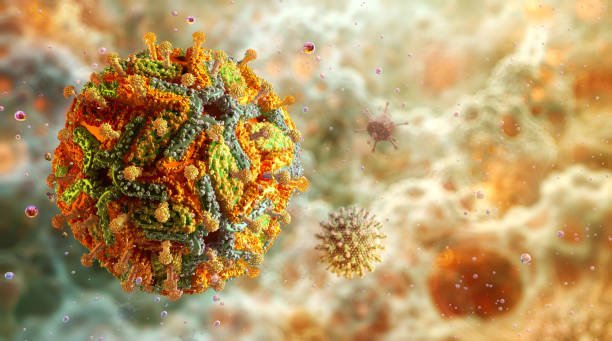
Determining which countries in Africa have yellow fever is a critical task for international travelers and healthcare organizations to understand the spread of this mosquito-borne viral disease. Currently, the World Health Organization identifies thirty-four nations on the continent as being endemic or at high risk for transmission due to their tropical climates and the presence of the Aedes aegypti mosquito. Proper awareness of these regions is essential for ensuring that individuals receive the necessary vaccinations and adhere to international health regulations before entering affected territories.
The prevalence of the virus is mostly concentrated in the tropical belt of West, Central, and East Africa, where high humidity and temperature favor the life cycle of both the vector and the virus. Navigating these zones requires a thorough understanding of the specific epidemiological risks present in each sovereign state.
These are the Countries in Africa that have Yellow Fever
Understanding the distribution of the virus across the continent involves looking at the official classifications provided by global health bodies. Many of these nations require proof of vaccination, often called a Yellow Card, for all incoming travelers to prevent the international spread of the disease. The following list details the countries where the risk of transmission is persistent, requiring ongoing surveillance and public health interventions to protect both local populations and visitors from outbreaks.
1. Nigeria
Nigeria is frequently cited as one of the primary nations when discussing the transmission of the virus in West Africa due to its large population and diverse ecosystems. The country has experienced several significant outbreaks over the last decade, particularly in states like Bauchi, Katsina, and Edo, where the mix of urban and rural environments facilitates the spread. Public health officials in Nigeria work closely with international partners to conduct mass vaccination campaigns to create a buffer of immunity among its 220 million citizens. Travelers to any part of Nigeria are strictly required to show proof of vaccination upon arrival to comply with international health standards. The presence of both the urban and sylvatic cycles of the disease makes it a complex environment for eradication efforts. Nigeria remains a focal point for global health strategies aimed at eliminating yellow fever epidemics by the year 2026.
2. Democratic Republic of the Congo
The Democratic Republic of the Congo features vast stretches of tropical rainforest that provide the ideal habitat for the mosquitoes and non-human primates that sustain the virus. It is a nation where the jungle cycle of the disease is very active, frequently leading to spillover events into human populations living near the forest edges. The World Health Organization classifies the entire country as a high-risk zone, necessitating mandatory vaccination for everyone older than nine months. In cities like Kinshasa, the risk of urban transmission is a constant concern for authorities who monitor mosquito breeding sites in densely populated neighborhoods. International health teams often deploy to remote provinces to manage localized clusters of the disease before they can escalate into national crises. The country’s geographic position in the heart of Africa makes it a critical area for continental disease surveillance.
3. Angola
Angola gained international attention during the 2015 and 2016 period when it suffered a massive urban yellow fever outbreak that eventually spread as far as East Asia. This event highlighted the dangers of the virus in modern, highly connected urban centers like Luanda, where high population density can lead to rapid transmission. Since that crisis, the Angolan government has intensified its routine immunization programs and maintains strict entry requirements for all foreign nationals. The southern and central regions of the country remain under constant monitoring for any signs of re-emergence among local wildlife populations. Vaccination is considered a lifelong requirement for residents, and the country remains on the permanent endemic list. Angola’s experience serves as a powerful reminder of how quickly a localized outbreak can become a global health concern without a robust vaccination barrier.
4. Ghana
Ghana is a well-known endemic country in West Africa where the virus is present in both forest and savanna regions. The nation has a strong public health infrastructure that routinely manages the risk through the inclusion of the yellow fever vaccine in its expanded program on immunization for children. Periodic outbreaks are still reported, often in rural districts where people work in close proximity to wooded areas where infected mosquitoes thrive. For example, recent cases in the Savannah Region demonstrated the persistent nature of the virus even in areas with relatively high vaccination coverage. Travelers to Ghana must carry their international certificate of vaccination to ensure they are allowed entry into the country. The Ghanaian government remains committed to the Eliminate Yellow Fever Epidemics strategy to ensure long-term safety for its citizens and tourists.
5. Ethiopia
Ethiopia experiences regional risks of the virus, particularly in its southern and western lowlands which share borders with other endemic nations. While the high-altitude regions including Addis Ababa are generally considered to have a lower risk of transmission, the country remains on the WHO list of countries with risk of transmission. The government has conducted several preventive mass vaccination campaigns in high-risk zones to prevent the virus from establishing a foothold in the more populated highlands. Recent epidemiological surveys have identified specific areas where the Aedes mosquito is prevalent, guiding the targeted delivery of vaccines to vulnerable communities. Visitors are often advised to get vaccinated if they plan to travel outside the capital city into the lush southern river valleys. Ethiopia’s role as a major aviation hub for the continent makes its disease control measures vital for the entire African region.
6. Uganda
Uganda is a country with a high risk of transmission due to its abundant rainfall and extensive forest cover that supports the mosquito life cycle. The nation recently made the strategic decision to mandate yellow fever vaccination for all citizens to move toward total elimination of the disease. Outbreaks are occasionally detected in northern and western districts, prompting immediate reactive vaccination rings to contain the spread. The Ugandan Ministry of Health maintains a very strict policy for international arrivals, requiring a valid vaccination certificate for entry at Entebbe International Airport. Many of the country’s world-famous national parks are located in high-risk zones, making the vaccine essential for tourists planning on primate trekking. Uganda continues to be a leading voice in East Africa for the harmonization of regional health protocols regarding mosquito-borne illnesses.
7. Sudan
Sudan faces a unique challenge in managing the virus because its risk zones are primarily located in the southern and western regions, such as Darfur and the Kordofan states. These areas often experience seasonal increases in mosquito populations during the rainy months, leading to sporadic human cases. The political and social complexities in these regions can sometimes hinder the delivery of healthcare services and the completion of vaccination drives. Despite these hurdles, the Sudanese health authorities work with international NGOs to maintain surveillance and provide emergency responses to suspected clusters. Vaccination is required for travelers arriving from or heading to endemic areas, and the country is officially listed as a nation with a high risk of transmission. The vastness of the country means that different regions require tailored public health strategies to effectively manage the viral threat.
8. Cameroon
Cameroon is situated in the equatorial belt of Africa and is fully endemic for the virus, with risk present in both its northern savannas and southern jungles. The country has a history of reporting human cases, which has led to the implementation of mandatory vaccination for all travelers entering the territory. National health services focus on maintaining high routine immunization rates among infants to prevent the buildup of a susceptible population. In areas like the Far North region, the seasonal movements of people and livestock can complicate the tracking of potential viral spread. Cameroon’s diverse geography means that both the sylvatic cycle in the forests and the urban cycle in cities like Douala must be monitored. The country remains an active participant in the global effort to strengthen laboratory diagnostic capacities for rapid yellow fever detection.
9. Kenya
Kenya is categorized by the World Health Organization as having a risk of yellow fever transmission, although the risk is primarily concentrated in the western and northwestern parts of the country. Regions like the Rift Valley and the areas bordering Uganda are the most susceptible to localized outbreaks among human populations. While the coastal areas and the capital city of Nairobi are generally considered lower risk, the country still maintains vaccination requirements for certain categories of travelers. Many safari enthusiasts are encouraged to get vaccinated, as their itineraries often take them through zones where the vector mosquitoes are known to reside. The Kenyan government has successfully conducted large-scale immunization campaigns in the counties identified as high-risk during recent epidemiological assessments. Kenya’s status as a top global tourism destination makes its commitment to disease prevention a priority for international travel safety.
10. Senegal
Senegal has a long history of dealing with the virus and was one of the first countries in West Africa to implement large-scale vaccination programs. Today, the entire country is considered a risk zone, and the government maintains a strict requirement for the yellow fever vaccine for all incoming visitors. The Pasteur Institute in Dakar is a world-renowned center for the study of tropical diseases and plays a vital role in producing vaccines for the entire continent. While Senegal has seen a significant decrease in large-scale epidemics, the potential for viral re-emergence remains due to the presence of mosquito vectors in both urban and rural areas. Public health campaigns often focus on mosquito control and the elimination of standing water during the rainy season to reduce the risk of transmission. Senegal’s proactive approach has made it a model for other nations in the region striving to achieve better health outcomes.
11. Mali
Mali is a landlocked nation where the risk of the virus is prevalent in the southern half of the country, which receives more rainfall than the northern Saharan regions. The transition zones between the savanna and the desert are particularly important for monitoring, as mosquito populations can surge during the wet season. Mali requires all travelers older than one year to provide proof of vaccination before entering the country to maintain its national immunity levels. The government works with regional partners to coordinate health responses, as the movement of people across the borders with Senegal and Guinea can facilitate the spread of the virus. In cities like Bamako, the authorities focus on urban sanitation and the management of water containers to prevent mosquito breeding. Mali’s commitment to the regional health network is essential for the stability of the entire West African Sahel zone.
12. Burkina Faso
Burkina Faso is fully endemic for the virus, and the risk of transmission is present throughout the country’s varied landscapes. The nation has integrated the yellow fever vaccine into its routine childhood immunization schedule for decades, which has helped significantly reduce the number of major outbreaks. However, the virus still circulates in the mosquito and primate populations, necessitating a high level of vigilance among health workers. International travelers are required to have a valid yellow fever certificate to pass through border checkpoints or arrive at the international airport in Ouagadougou. The country participates in regular regional surveillance meetings to share data on suspected cases and to coordinate mass vaccination responses when necessary. Burkina Faso’s geography makes it a vital link in the West African health corridor, requiring consistent investment in its public health infrastructure.
13. Gabon
Gabon is covered almost entirely by dense tropical rainforests, creating a perfect environment for the sylvatic cycle of yellow fever to persist. The entire population is considered at risk, and the country enforces a mandatory vaccination policy for all residents and visitors. Because much of the labor force in Gabon is involved in the timber and mining industries within the deep forest, the risk of occupational exposure to infected mosquitoes is quite high. The government conducts regular health screenings in remote camps to ensure that any potential cases are identified and treated early. Gabon’s small population and high forest cover mean that the relationship between human settlements and the wild reservoir of the virus is very close. The country remains a key area for scientific research into the dynamics of viral transmission in primary rainforest settings.
14. Ivory Coast
Ivory Coast, or Côte d’Ivoire, is a high-risk nation that has experienced several urban and rural outbreaks in its recent history. The economic hub of Abidjan, with its tropical climate and high population density, is a priority area for mosquito control and vaccination coverage. The government maintains a very strict entry policy, and travelers without a yellow card may be refused entry or required to be vaccinated on the spot. Significant investments have been made in local laboratories to ensure that the country can confirm yellow fever cases without having to send samples abroad for testing. Public awareness campaigns are frequently broadcast during the rainy season to remind citizens of the importance of the vaccine and mosquito protection. Ivory Coast’s position as a regional leader in West Africa means its health policies have a significant impact on the safety of the entire sub-region.
15. Sierra Leone
Sierra Leone is classified as an endemic country where the virus remains a significant public health threat due to the lush, tropical environment. The nation has worked hard to rebuild its health systems following recent crises, and yellow fever prevention remains a core component of its national health strategy. Vaccination is mandatory for entry, and the government routinely conducts surveys to identify districts with low immunity levels for targeted intervention. The abundance of water bodies and high rainfall in Sierra Leone provide a constant breeding ground for the Aedes mosquito species. Health education programs focus on teaching the population how to recognize the symptoms of the disease, such as jaundice and high fever, to encourage early reporting. Sierra Leone’s commitment to vaccination has been essential in preventing the large-scale epidemics that were common in previous centuries.
16. Guinea
Guinea is a nation where the risk of the virus is high across its diverse regions, from the coastal plains to the Futa Jallon highlands. The country has a history of sporadic cases, which has led to the implementation of a national requirement for the yellow fever vaccine for all incoming travelers. Guinea serves as the source of several major rivers in West Africa, creating many humid environments where mosquito populations can flourish year-round. The government coordinates with international organizations to ensure that the vaccine is available even in the most remote mountainous villages. In urban centers like Conakry, the risk of rapid transmission is managed through vector control programs and the improvement of urban drainage systems. Guinea’s participation in global health initiatives is vital for the protection of its citizens and the prevention of regional outbreaks.
17. Liberia
Liberia is an endemic country located in the heart of the West African rainforest zone, where the virus is a persistent environmental risk. The nation requires all visitors to be vaccinated against the disease, reflecting the high potential for transmission in both urban and rural settings. Liberian health authorities prioritize the immunization of children and work to maintain a high level of national immunity to prevent outbreaks. The heavy rainfall and dense vegetation of the country provide an ideal habitat for the mosquitoes that carry the virus from monkeys to humans. Recent public health efforts have focused on strengthening the country’s ability to monitor and respond to infectious diseases in real-time. Liberia’s focus on long-term health security includes the permanent inclusion of yellow fever prevention in its primary healthcare services.
18. Benin
Benin is a nation in the West African Dahomey Gap that experiences a risk of the virus in all of its provinces. The government maintains a strict vaccination requirement for entry and has conducted several preventive mass campaigns to protect its population of approximately 13 million people. In the southern coastal regions, the presence of lagoons and standing water can lead to seasonal surges in mosquito numbers. Benin works closely with neighboring Nigeria and Togo to monitor cross-border movements and to synchronize vaccination efforts in border communities. The national health system is trained to identify and report any suspected cases of yellow fever as part of a comprehensive integrated disease surveillance program. Benin’s dedication to maintaining high vaccination coverage has been successful in keeping the number of reported cases low in recent years.
19. Togo
Togo is a small but high-risk country located between Ghana and Benin, with an environment that supports the year-round presence of the yellow fever virus. The nation requires proof of vaccination from all travelers and has a robust immunization program for its young citizens. Togolese health officials focus on vector control in the capital of Lome and the central plateaus where the risk of human-mosquito contact is highest. The country participates in the regional laboratory network for the confirmation of viral diseases, ensuring a quick response to any potential cases. Public health messages emphasize the use of insecticide-treated nets and protective clothing for those working in agriculture or forest areas. Togo’s proactive stance on vaccination is a key part of its strategy to remain a safe destination for international trade and tourism.
20. Central African Republic
The Central African Republic is a landlocked nation with significant risk of the virus, particularly in its southern forested regions where the sylvatic cycle is most active. The entire country is listed as endemic, and the government requires vaccination for all individuals entering the territory. Despite the logistical challenges posed by the country’s geography and infrastructure, health workers strive to reach remote populations with the life-saving vaccine. The mix of savanna and jungle environments provides multiple habitats for different types of mosquito vectors, making the disease difficult to control. International organizations often provide the necessary support for cold chain management to keep vaccines effective in the country’s tropical heat. The Central African Republic remains a priority area for global health partners looking to reduce the burden of tropical diseases on the continent.
21. Congo (Brazzaville)
The Republic of the Congo, also known as Congo-Brazzaville, is fully covered by the risk zone for the virus due to its equatorial location and extensive forest cover. The nation mandates vaccination for all travelers and residents to prevent the establishment of the virus in its growing urban centers. In Brazzaville and Pointe-Noire, the authorities focus on mosquito eradication and public education to reduce the risk of urban cycles. The country has a history of localized clusters of the disease, which are typically managed through rapid response teams and emergency vaccination drives. Because the country is a major hub for the regional oil and timber industries, the movement of workers between forest sites and cities is a primary focus for health surveillance. The Republic of the Congo continues to invest in its national immunization programs to protect its future generations from this preventable disease.
22. Equatorial Guinea
Equatorial Guinea consists of both a mainland territory and several islands, all of which are considered at risk for the transmission of the virus. The government requires a valid yellow fever certificate for entry and has incorporated the vaccine into the national health plan for all citizens. The high humidity and warm temperatures of the Gulf of Guinea provide an ideal environment for the Aedes mosquito species. While the nation has seen significant development in its healthcare infrastructure, the presence of the virus in the surrounding regions means that constant vigilance is required. National health campaigns often coincide with the rainy seasons to maximize their impact on mosquito breeding. Equatorial Guinea’s commitment to regional health security is demonstrated through its participation in African Union health initiatives and its strict adherence to international travel regulations.
Reasons Why These Countries Have Yellow Fever in Africa
1. Ideal Tropical Climates for Vector Breeding: The primary reason which countries in Africa have yellow fever are located in the tropical belt is the presence of high temperatures and abundant rainfall. These conditions are necessary for the Aedes aegypti and other mosquito species to breed rapidly in standing water. Without a cold winter to kill off the mosquito populations, the virus can persist year-round in these environments. The consistent humidity also helps the adult mosquitoes survive longer, increasing the probability that they will bite an infected host and then transmit the virus to a healthy person. This climate is the fundamental driver of the endemic status of these nations.
2. Presence of Jungle and Sylvatic Reservoirs: In many African nations, the virus is permanently maintained in a "jungle cycle" involving non-human primates and forest-dwelling mosquitoes. Monkeys act as a reservoir for the virus, and when humans enter these areas for logging, farming, or mining, they can become infected. This sylvatic cycle makes it almost impossible to completely eradicate the virus, as it can always spill back into human populations from the wild. Countries with extensive rainforests, such as Gabon and the Democratic Republic of the Congo, are particularly susceptible to this type of transmission. This natural reservoir ensures that the virus remains an ongoing threat regardless of human immunization levels.
3. Rapid and Unplanned Urbanization: The shift of large populations from rural areas to crowded cities has created new opportunities for the virus to cause large-scale urban epidemics. In many African countries with yellow fever, urban areas may have inadequate drainage and waste management, leading to numerous small containers of water where Aedes aegypti can breed. When an infected person from a rural area enters a densely populated city, the urban mosquitoes can quickly spread the virus from person to person. This "urban cycle" is the most dangerous form of the disease because it can lead to thousands of cases in a very short amount of time. Improving urban infrastructure is a key component of long-term yellow fever prevention.
4. Low Vaccination Coverage in Remote Regions: While many countries have strong national immunization programs, reaching every citizen in remote or conflict-affected areas remains a significant challenge. If a community has low immunity, the virus can quickly establish a foothold and cause a localized outbreak. High costs of vaccine delivery and the need for a continuous "cold chain" to keep vaccines effective can hinder efforts in less developed regions. Public health organizations are working to bridge these gaps through mass preventive campaigns and mobile health clinics. However, as long as pockets of unvaccinated people exist, the risk of transmission will remain high in these nations.
5. High Human Mobility and Migration: The movement of people across borders for trade, work, or to escape instability can facilitate the spread of the virus between countries. If a person is infected in one country and travels to another during the incubation period, they can introduce the virus into a new mosquito population. This is why international travel regulations and the requirement for a "Yellow Card" are so strictly enforced in many African nations. Cross-border cooperation and the synchronization of health policies are essential for containing the virus on a continental scale. The highly connected nature of modern Africa means that a health threat in one country is a threat to all its neighbors.
6. Abundance of Specific Mosquito Vectors: Africa is the home of the Aedes aegypti mosquito, which is the most efficient vector for transmitting the virus to humans. In addition to this species, there are several other forest-dwelling mosquitoes, such as those in the Aedes africanus and Haemagogus groups, that sustain the virus in the wild. The sheer abundance and diversity of these vectors in the African tropical zone make the environment uniquely predisposed to the circulation of the virus. Even with intensive mosquito control programs, the vast and rugged terrain of the continent makes it difficult to significantly reduce the overall vector population. The constant presence of these mosquitoes ensures that the threat of transmission is a permanent feature of the landscape.
Conclusion
In summary, understanding which countries in Africa have yellow fever is essential for anyone living in or visiting the tropical and subtropical regions of the continent. With over thirty nations identified as high-risk zones, the virus remains a significant public health challenge that requires constant vigilance and international cooperation. The combination of ideal climatic conditions, natural reservoirs in the jungle, and the challenges of urbanization ensures that the risk of transmission is persistent. Fortunately, the yellow fever vaccine is highly effective and provides lifelong protection, making it the most powerful tool in the fight against the disease. By adhering to vaccination requirements and supporting global health initiatives like the Eliminate Yellow Fever Epidemics strategy, we can work toward a future where these countries are safe from the threat of large-scale outbreaks. Ultimately, the health of the African continent depends on the continued dedication to immunization and mosquito control across all affected borders.
Enjoyed this read?
Share it with your friends and colleagues.