Countries Found In Central Africa

BSC Insights Admin
October 08, 2026
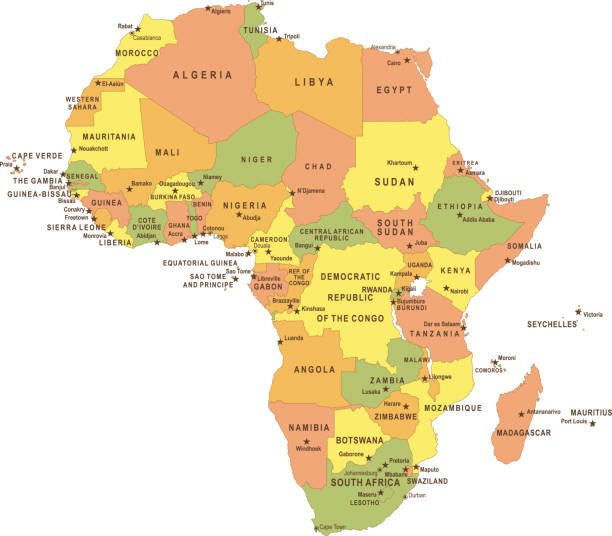
Determining the specific nations that make up the countries in Africa that countries found in Central Africa allows for a deeper appreciation of the continent biological and economic heart. This region is home to the world second largest rainforest and a diverse array of cultures that have shaped the history of the sub-Saharan territory for millennia. Understanding these nations is essential for comprehending the complex environmental and geopolitical landscape that defines the center of the African landmass.
The vast landscapes of this region transition from the arid reaches of the northern Sahel to the dense, humid jungles of the equator. Exploring the specific states within this block reveals a unique blend of natural wealth and cultural heritage that contributes significantly to the global community.
These are the nations identified as countries found in Central Africa
To understand the depth of this geographic block, one must look at the specific nations that constitute the core of the central region and their unique contributions to the continent. These countries are primarily united by their proximity to the Congo River basin and their participation in regional economic communities designed to foster trade and stability. Each nation presents a distinct narrative of resilience, ranging from island states to massive landlocked territories that house some of the most significant natural resources on the planet. The following list details the primary nations that are categorized as being part of this vital and resource-rich area of the continent.
1. The Democratic Republic of the Congo
The Democratic Republic of the Congo, often abbreviated as the DRC, is the largest nation in the region and spans a massive territory of approximately 2.3 million square kilometers. It is a world leader in the production of cobalt and copper, which are essential components for the global transition toward renewable energy and the manufacturing of modern electronic devices. The nation is home to the vast Congo Basin, which represents the second largest tropical rainforest on Earth and acts as a critical carbon sink for the entire planet. Kinshasa, the capital city, is a bustling megacity that serves as a major cultural and musical hub, influencing trends across the continent and beyond. With a population exceeding one hundred million people, the DRC possesses immense human and natural potential that remains central to the future economic stability of the entire region. This African country which contains the majority of the Congo River is a vital pillar for any study of the central African landscape.
2. Cameroon
Cameroon is frequently referred to as Africa in miniature because of its incredible geographic and cultural diversity that includes beaches, deserts, mountains, and rainforests all within its borders. The nation is bordered by Nigeria to the west and Chad to the north, acting as a bridge between West and Central Africa while maintaining a unique identity shaped by both French and British colonial legacies. Mount Cameroon, an active volcano rising 4,040 meters above sea level, is the highest peak in the region and attracts researchers and hikers from around the world. The economy is relatively diversified compared to its neighbors, with significant contributions from petroleum, cocoa, coffee, and a growing service sector centered in cities like Douala and Yaounde. Over two hundred and fifty different ethnic groups live in harmony, contributing to a rich mosaic of languages and traditional customs that are celebrated during national festivals. Its strategic ports provide essential sea access for landlocked neighbors like Chad and the Central African Republic, making it a cornerstone of regional logistics.
3. Gabon
Gabon is a nation characterized by its high levels of forest cover, with over eighty-five percent of its land being covered by primary tropical rainforests that are rich in biodiversity. The country has a relatively small population of approximately 2.3 million people, which has allowed it to maintain a higher GDP per capita compared to many of its regional peers, primarily driven by its oil and manganese exports. Under the guidance of various environmental initiatives, Gabon has established a world-class network of thirteen national parks that protect rare species such as forest elephants and lowland gorillas. Libreville, the coastal capital, is a modern city that reflects the nation's wealth and its status as a significant player in the international maritime and petroleum industries. The government has made significant strides in sustainable forestry management, aiming to balance economic growth with the preservation of its unique ecological heritage. It remains a model for how resource-rich nations can prioritize environmental conservation while pursuing industrial development goals.
4. Central African Republic
The Central African Republic is a landlocked nation situated at the very heart of the continent, bordering six different countries and serving as a vital transition zone between the savanna and the forest. Despite its incredible wealth in natural resources such as diamonds, gold, and timber, the nation has faced significant challenges related to political stability and infrastructure development over the last few decades. The Ubangi River, a major tributary of the Congo River, serves as the primary artery for transportation and trade, linking the capital city of Bangui to the regional markets of the south. Much of the population is engaged in subsistence agriculture, producing staple crops like cassava and yams in the fertile soils of the southern river basins. The nation’s vast wilderness areas, such as the Dzanga-Sangha Special Reserve, are critical for the survival of the African forest elephant and the western lowland gorilla. Ongoing international efforts focus on bringing peace and stability to the region to unlock the massive economic potential hidden within its mineral-rich soil.
5. Republic of the Congo
The Republic of the Congo, often called Congo-Brazzaville, is located to the west of the larger DRC and possesses a significant coastline along the Atlantic Ocean that facilitates its international trade. The nation is a major oil producer in sub-Saharan Africa, with the petroleum sector accounting for a large portion of its national budget and export earnings. Brazzaville, the capital, is situated directly across the Congo River from Kinshasa, making them the two closest capital cities in the world. The northern part of the country is covered by dense forests that are part of the larger Congo Basin, providing a habitat for a diverse range of wildlife and indigenous communities. The government has recently invested in expanding its transportation infrastructure to diversify the economy into agriculture and mining, reducing its reliance on volatile global oil prices. Its commitment to regional cooperation is evidenced by its active participation in the Economic Community of Central African States, which seeks to integrate the markets of the region.
6. Equatorial Guinea
Equatorial Guinea is unique among the countries in Africa that countries found in Central Africa include, as it is the only nation on the continent where Spanish is an official language. The country is divided into a mainland region called Rio Muni and several islands, including Bioko, where the capital city of Malabo is located. Since the discovery of massive offshore oil reserves in the 1990s, the nation has seen a dramatic increase in its GDP, turning it into one of the wealthiest countries in the region on a per capita basis. This wealth has funded the construction of modern cities and high-quality road networks, although efforts continue to ensure that the benefits of the oil boom reach all segments of the population. The island of Bioko is characterized by its volcanic peaks and lush tropical vegetation, while the mainland features dense forests and diverse wildlife. Despite its small size, the nation plays a significant role in the regional energy sector and is a key member of the CEMAC economic zone.
7. Chad
Chad is a massive landlocked nation that spans the transition from the Sahara Desert in the north to the fertile Sudanian savanna in the south. The nation is named after Lake Chad, which was once one of the largest freshwater bodies in the world and remains a critical resource for millions of people in the Sahel region. The Ennedi Plateau in the northeast is a UNESCO World Heritage site known for its dramatic sandstone formations and ancient rock art that dates back thousands of years. The economy was traditionally based on livestock herding and agriculture, but the discovery of oil in the early 2000s has shifted the fiscal landscape toward mineral exports. N'Djamena, the capital, is a major regional center for trade and serves as a focal point for security operations across the Sahelian belt. The people of Chad represent a diverse mix of ethnic groups and languages, maintaining a resilient culture in the face of the environmental challenges posed by the encroaching desert.
8. Angola
Angola is located at the southern edge of the central region and possesses a long Atlantic coastline that has made it a major player in global maritime and energy markets. After decades of conflict, the nation has experienced a period of rapid reconstruction and growth, primarily fueled by its status as one of Africa's top oil and diamond producers. Luanda, the capital, is often cited as one of the most expensive and modern cities in the region, reflecting the massive influx of international capital and industrial expansion. The country features a diverse geography ranging from the tropical forests of the Cabinda exclave to the arid coastal plains and the fertile interior highlands. Angola is investing heavily in diversifying its economy by rehabilitating its agricultural sector and expanding its manufacturing base to create jobs for its youthful population. Its influence extends across both Central and Southern Africa, making it a strategic partner for international organizations and global powers seeking to engage with the continent.
9. Sao Tome and Principe
Sao Tome and Principe is an island nation located in the Gulf of Guinea, consisting of two main volcanic islands and several smaller islets that offer a unique tropical environment. The nation was historically a major producer of cocoa and sugar, and its lush volcanic soil continues to support high-quality agricultural exports. In recent years, the discovery of offshore oil reserves in the shared maritime zone with Nigeria has brought new economic prospects to the islands, potentially transforming their fiscal future. Tourism is a growing sector, with travelers drawn to the pristine beaches, historic coffee plantations, and the incredible biodiversity of the Obo National Park. The capital, Sao Tome, is known for its well-preserved Portuguese colonial architecture and its relaxed, seaside atmosphere that reflects the island lifestyle. As one of the smallest nations in the region, it serves as an important maritime hub and a model for peaceful democratic governance in a complex regional environment. The islands are also critical for the conservation of rare sea birds and marine life that depend on the isolated Atlantic habitats.
Reasons Why These Countries Are countries found in Central Africa in Africa
1. Central Geographic Location: These nations are grouped together because they occupy the geographical core of the continent, bridging the gaps between the northern, southern, eastern, and western regions. This central positioning means they often share similar climate patterns, primarily dominated by the equatorial heat and high rainfall of the Congo Basin. Identifying which country that countries found in Central Africa in Africa hosts the most significant forest reserves often leads back to this centralized block. Being in the heart of Africa, they serve as the primary crossroads for the migration of wildlife and the historical movement of various ethnic groups over the centuries.
2. Shared Hydrological Systems: The presence of the Congo River and its vast network of tributaries is the defining physical feature that links almost all these nations together into a cohesive region. This massive river system provides a common source of water, transportation, and hydroelectric potential that is vital for the economic development of the entire area. Many African countries that countries found in Central Africa depend on these watercourses for their national food security and for moving goods through the dense interior forests. The management of these shared water resources is a primary focus of regional diplomacy and environmental cooperation. This hydrological unity creates a shared ecological destiny for the people living in the central basin.
3. Regional Economic Communities: Most of these nations are members of the Economic Community of Central African States (ECCAS) and the Central African Economic and Monetary Community (CEMAC). These organizations were established to promote economic integration, remove trade barriers, and harmonize fiscal policies among the member states to create a more prosperous regional market. The use of the Central African CFA franc in several of these nations provides a level of monetary stability and facilitates easier cross-border transactions. This institutional framework reinforces the regional identity and encourages collaborative efforts in infrastructure projects like regional highways and electrical grids. By working as a unified bloc, these nations can better negotiate in the global marketplace and attract international investment.
4. Common Colonial and Linguistic History: The region shares a history of primarily French and Belgian colonial influence, which has left a lasting impact on the legal systems, educational structures, and official languages of the member states. In a country in Africa countries found in Central Africa is a common topic of study, you will often find French as the primary language of administration and international communication. This shared linguistic heritage facilitates easier diplomatic and cultural exchange between nations like Gabon, Cameroon, and the Republic of the Congo. It also links these countries to the broader Francophone world, providing a unique cultural identity that differs from the Anglophone or Lusophone regions of the continent. This historical commonality is a powerful unifying force in the modern geopolitical landscape.
5. Biodiversity and the Congo Basin Rainforest: The environmental unity provided by the Congo Basin rainforest is one of the strongest reasons why these countries are viewed as a single ecological block. This rainforest is the second largest on Earth and contains a staggering variety of plants and animals that are found nowhere else, such as the bonobo and the okapi. African country which countries found in Central Africa share this forest must collaborate on conservation efforts to protect the global climate and prevent the loss of critical species. The forest provides a common way of life for many indigenous groups who have lived in harmony with the environment for thousands of years. This shared environmental asset makes the region a focal point for international climate change negotiations and conservation funding.
6. Strategic Mineral and Energy Reserves: The nations of the central region are united by their possession of massive and often untapped mineral and energy wealth that is critical for the global economy. From the oil of Angola and Equatorial Guinea to the cobalt and diamonds of the DRC, these resources provide a common economic foundation and a similar set of developmental challenges. This shared "resource profile" often leads to similar national strategies regarding industrialization and foreign direct investment from global powers. Coordinating the extraction and export of these minerals allows the region to exert significant influence on global supply chains for technology and energy. This shared economic reality is a primary driver for the regional integration and cooperation we see in the modern era.
Conclusion
The nations that constitute the countries found in Central Africa represent the vibrant and resource-rich heart of the continent, offering a unique blend of ecological wealth and cultural resilience. From the massive rainforests of the DRC to the volcanic islands of Sao Tome, this region is essential for the future stability and prosperity of the entire African landmass. As these countries continue to integrate their economies and manage their shared natural resources, their influence on the global stage is expected to grow significantly. Understanding the specific geographic, linguistic, and historical factors that unite these nations is vital for anyone seeking to appreciate the complexity of the African continent. Ultimately, the future of Central Africa is a central component of the global story, promising innovation and growth for generations to come.
Enjoyed this read?
Share it with your friends and colleagues.