Which Country Are In East Africa

BSC Insights Admin
October 01, 2026
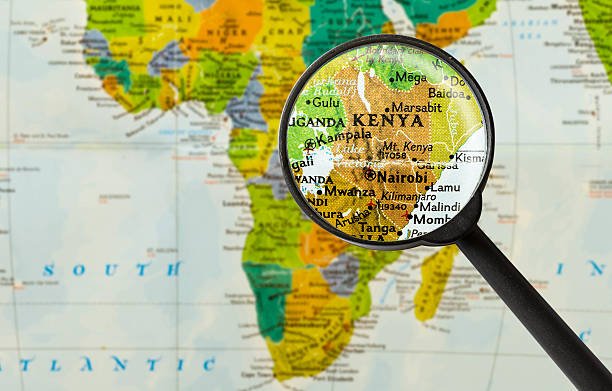
Identifying which countries are in East Africa involves looking at both the official members of the East African Community and the geographic nations that reside in the Horn of Africa and the Indian Ocean. This subregion currently consists of approximately 20 territories according to the United Nations, though political definitions often focus on the core integration of ten to twelve primary states. It is a region defined by the Great Rift Valley, the highest mountain peaks on the continent, and some of the fastest growing economies in the world.
The distribution of these states reflects a history of diverse indigenous kingdoms, maritime trade with the East, and modern regional cooperation. Understanding the specific nations within this territory helps in appreciating the ecological and cultural variety found within the eastern reaches of the African landmass.
These are the Countries that make up East Africa
The definition of East Africa can vary slightly depending on whether you are using geographical, political, or economic criteria. While the East African Community remains the primary political bloc, the geographic scope includes island nations and the strategically vital Horn of Africa. Each of these nations contributes to a vibrant regional identity through shared languages like Swahili and integrated trade corridors. The following list provides a comprehensive look at the sovereign states that are considered part of this dynamic and historically rich region.
1. Kenya
Kenya is often considered the economic and logistical hub of the region, boasting a diverse economy that includes agriculture, manufacturing, and a world class tourism industry. Nairobi, the capital, is a global city that hosts the United Nations Environment Programme and a burgeoning technology sector known as the Silicon Savannah. The country is famous for its wildlife safaris in the Maasai Mara and its stunning Indian Ocean beaches along the coast. Kenya is also a leading exporter of tea and fresh flowers to international markets, particularly in Europe. The nation has a rich athletic history, producing some of the world finest long distance runners who consistently dominate global competitions. Its strategic port in Mombasa serves as the primary gateway for goods destined for landlocked neighbors in the interior.
2. Tanzania
Tanzania is the largest country in the region by land area and is home to iconic landmarks such as Mount Kilimanjaro and the Serengeti National Park. The nation was formed by the union of Tanganyika and the islands of Zanzibar, which remains a world famous destination for its spices and historic Stone Town. While Dodoma is the official political capital, Dar es Salaam remains the largest city and a critical port for regional maritime trade. Swahili is the national language, serving as a powerful unifying force among the country more than 120 different ethnic groups. Tanzania economy is growing rapidly through significant investments in mining, natural gas, and large scale infrastructure projects like the Standard Gauge Railway. The country is also a pioneer in conservation, with nearly 30 percent of its land dedicated to protected national parks and game reserves.
3. Uganda
Uganda is a landlocked nation frequently referred to as the Pearl of Africa because of its lush green landscapes and diverse wildlife. It contains a large portion of Lake Victoria, which is the source of the White Nile and a vital resource for fishing and transport. The capital, Kampala, is a vibrant city built on several hills and serves as a major center for education and trade in the region. Uganda is one of the few places in the world where you can see mountain gorillas in their natural habitat, specifically within the Bwindi Impenetrable Forest. The economy is primarily agricultural, with coffee being the most important export crop for international markets. Recently, the discovery of oil in the Albertine Rift has sparked new infrastructure developments aimed at transforming the country into an energy exporter.
4. Rwanda
Rwanda is a small, mountainous country known as the Land of a Thousand Hills, which has undergone a remarkable transformation over the last three decades. Its capital, Kigali, is celebrated globally for its cleanliness, safety, and efficient urban management, making it a hub for international conferences. The nation has prioritized technology and innovation as part of its Vision 2050 plan to move toward a high income economy. Rwanda is a leader in environmental protection, famously being one of the first countries in the world to ban non biodegradable plastic bags. Tourism centered on mountain gorilla trekking in the Volcanoes National Park is a major source of foreign exchange. The country also maintains a high level of female representation in its parliament, consistently ranking as one of the best in the world for gender equality in governance.
5. Ethiopia
Ethiopia is the most populous landlocked country in the world and holds a unique place in history as the only African nation never to be colonized. Its capital, Addis Ababa, serves as the headquarters for the African Union and is a major diplomatic center for the entire continent. The country is considered the cradle of humanity and the birthplace of coffee, which remains its most significant agricultural export. Ethiopia has experienced rapid economic growth driven by massive infrastructure projects, such as the Grand Ethiopian Renaissance Dam on the Blue Nile. The nation features a rich religious history, with ancient Christian and Islamic traditions that have coexisted for over a thousand years. Its diverse geography ranges from the high Simien Mountains to the Danakil Depression, which is one of the hottest places on Earth.
6. Somalia
Somalia is located on the Horn of Africa and possesses the longest coastline on the mainland, strategically positioned along major global shipping routes. The nation has a rich history of trade with the Arab world and India, which has shaped its culture and its predominantly Islamic heritage. Mogadishu, the capital, is currently undergoing a period of reconstruction and urban renewal as the country works toward greater political stability. The Somali people are known for their entrepreneurial spirit and a strong tradition of oral poetry and literature that has survived through decades of conflict. While agriculture and livestock remain the mainstays of the domestic economy, the country is also exploring its potential for offshore oil and gas development. Somalia strategic location near the Gulf of Aden makes it a vital partner for regional maritime security and international commerce.
7. South Sudan
South Sudan is the world newest country, having gained its independence in 2011 after a long struggle for sovereignty. It is a landlocked nation with a landscape dominated by the Nile River and the Sudd, which is one of the world largest tropical wetlands. The economy is almost entirely dependent on oil exports, which provide nearly all of the government revenue used for national development. Juba is the capital and is growing rapidly as the nation works to build its infrastructure and national institutions from the ground up. The country possesses vast agricultural potential and diverse wildlife populations that could eventually support a significant tourism industry. South Sudan is currently focused on implementing peace agreements and fostering regional integration to ensure a stable and prosperous future for its citizens.
8. Burundi
Burundi is a small, densely populated country in the Great Lakes region that is characterized by its hilly terrain and agricultural heritage. Its economy relies heavily on the export of coffee and tea, which provide a livelihood for the majority of the rural population. The capital was recently moved to Gitega to better decentralize government services, while Bujumbura remains the largest city and economic heart on Lake Tanganyika. The country is a member of the East African Community and is working to better link its landlocked territory to regional trade corridors. Burundi features beautiful landscapes, including the Source of the Nile and several national parks that protect its unique biodiversity. The nation is currently seeking increased foreign investment to modernize its farming techniques and improve its energy infrastructure.
9. Djibouti
Djibouti is a small but strategically vital country located at the entrance to the Red Sea, making it a critical hub for international shipping. Its economy is almost entirely based on its port services, which serve as the primary sea outlet for the massive Ethiopian market. The country hosts several foreign military bases due to its stable political environment in a complex region. Djibouti features a dramatic volcanic landscape, including Lake Assal, which is the lowest point on the African continent and one of the saltiest water bodies in the world. The government is currently investing in becoming a regional digital gateway by hosting numerous undersea fiber optic cables. Despite its arid climate, Djibouti has carved out a niche as a specialized logistical and transport center for global trade.
10. Eritrea
Eritrea is located along the Red Sea and gained its independence in 1993, boasting a long coastline that is essential for its maritime identity. Its capital, Asmara, is renowned for its well preserved Italian modernist architecture and has been designated as a UNESCO World Heritage site. The economy is largely based on subsistence agriculture and a growing mining sector that produces gold, copper, and zinc for export. Eritrea maintains a policy of national self reliance, which has significantly influenced its social and political development over the last few decades. The country features a diverse landscape that transitions from the cool highlands to the hot coastal plains of the Danakil Desert. Its strategic location along one of the world busiest shipping lanes makes it an important player in the geopolitics of the Red Sea region.
11. Madagascar
Madagascar is a massive island nation located in the Indian Ocean and is famous for its incredibly unique biodiversity, much of which is found nowhere else on Earth. It is the fourth largest island in the world and features a distinct blend of Southeast Asian and African cultural influences. The economy relies heavily on agriculture, particularly the production of vanilla, of which Madagascar is the world leading supplier. Antananarivo is the capital, situated in the central highlands and known for its vibrant markets and historic architecture. The island is home to iconic species such as lemurs and baobab trees, making it a top priority for global conservation efforts. Despite environmental challenges, the nation is working to develop its ecotourism sector to provide sustainable income for its growing population.
12. Mauritius
Mauritius is an Indian Ocean island nation known for its high level of economic development and its successful transition from sugar production to a diversified economy. It has become a major regional hub for financial services, textiles, and luxury tourism, boasting one of the highest per capita incomes in Africa. The population is multi ethnic and multi religious, creating a rich cultural mosaic that is reflected in its diverse cuisine and festivals. Port Louis is the capital and a modern financial center that serves as a gateway for investment between Asia and the African continent. The country is consistently ranked as one of the most democratic and business friendly nations in the region. Mauritius has also made significant strides in renewable energy, aiming to protect its pristine coral reefs and tropical environment from the effects of climate change.
13. Seychelles
The Seychelles is an archipelago of 115 islands known for its breathtaking beaches, coral reefs, and its status as a high income country. It is the least populous sovereign African nation and has a strong focus on marine conservation, having protected a vast portion of its territorial waters. Victoria is the capital and is situated on the largest island, Mahe, serving as the administrative and economic center of the nation. The economy is primarily driven by high end tourism and industrial tuna fishing, which are managed under strict sustainability guidelines. Seychelles is famous for its unique granite rock formations and rare species like the giant Aldabra tortoise. The country is a leading voice for small island developing states on the global stage, particularly regarding climate change and ocean health.
14. Comoros
The Comoros is a volcanic archipelago located in the Mozambique Channel, consisting of three major islands with a unique fusion of Arab and African cultures. It is often called the Perfume Islands due to its significant production of essential oils like ylang ylang, as well as vanilla and cloves. Moroni is the capital and largest city, featuring narrow streets and historic mosques that reflect its long standing Islamic heritage. The economy is largely based on agriculture and fishing, with a growing focus on developing its untapped tourism potential. The islands offer a rugged and beautiful landscape, including one of the world most active volcanoes, Mount Karthala. Comoros is a member of both the African Union and the Arab League, highlighting its diverse geopolitical connections.
15. Malawi
Malawi is a peaceful nation in Southeast Africa often called the Warm Heart of Africa because of the friendliness of its people. The country is dominated by Lake Malawi, a massive freshwater body that is home to hundreds of species of colorful cichlid fish found nowhere else. Agriculture is the backbone of the economy, with tobacco, tea, and sugar being the primary exports that sustain the rural population. Lilongwe is the capital city, while Blantyre serves as the main commercial and industrial hub of the southern region. Malawi has remained remarkably stable since its independence and is increasingly focusing on diversifying its economy through tourism and irrigation projects. The country features several national parks and plateau regions that offer a serene and beautiful environment for visitors.
16. Zambia
Zambia is a landlocked country in Southern-East Africa famous for the Victoria Falls, which it shares with its neighbor Zimbabwe. The nation is one of the world top producers of copper, a mineral that has historically driven its economic growth and industrial development. Lusaka is the capital and is one of the fastest growing cities in the region, serving as a hub for commerce and transportation. Zambia is known for its vast wilderness areas and national parks, such as South Luangwa, which offer some of the best walking safaris on the continent. The country has a long history of political stability and has recently been working to modernize its mining sector and improve agricultural productivity. The Zambezi River provides essential water and hydroelectric power, supporting both the domestic economy and regional trade.
17. Zimbabwe
Zimbabwe is a landlocked nation with a rich history evidenced by the ancient stone ruins of Great Zimbabwe, from which the country takes its name. It is known for its diverse landscapes, ranging from the majestic Victoria Falls to the granite hills of the Matobo National Park. Harare is the capital and largest city, serving as a major center for education, trade, and the arts in the southern part of the region. The country possesses significant mineral wealth, including gold and platinum, and its fertile lands were once known as the breadbasket of the region. Despite past economic challenges, Zimbabwe remains a resilient nation with a highly educated population and a growing tourism sector. The country is currently focused on economic reforms and re engaging with the international community to unlock its full potential.
18. Mozambique
Mozambique is located on the southeastern coast of the continent and possesses one of the longest coastlines in the region, dotted with white sandy beaches and coral reefs. Its capital, Maputo, is a vibrant port city known for its Mediterranean style architecture and lively seafood markets. The country is rich in natural resources, including massive offshore natural gas deposits that are currently being developed to transform the national economy. Agriculture and fishing provide a living for the majority of the population, while the transport sector serves several landlocked neighbors. Mozambique has a unique cultural heritage influenced by centuries of Portuguese colonial rule and indigenous traditions. The nation is currently investing in infrastructure and energy projects to become a major regional power in Southern and East Africa.
Reasons Why These Countries Are Historically Significant in East Africa
1. Presence of Ancient Maritime Trade Routes: The coastal countries in East Africa have served as a vital bridge between the African interior and the Indian Ocean trade network for over two thousand years. These routes connected Africa with Arabia, Persia, India, and China, facilitating the exchange of gold, ivory, and spices. This long standing interaction led to the development of the Swahili culture and language, which remains a defining feature of the region today.
2. The Cradle of Human Evolution: East Africa is globally recognized as the region where the earliest human ancestors evolved, making it a site of immense scientific importance. Fossil discoveries in the Olduvai Gorge in Tanzania and the Omo Valley in Ethiopia have provided critical evidence for the origins of the human species. This deep historical legacy draws researchers and tourists from around the world to study the ancient roots of humanity within these borders.
3. Resistance to Colonial Rule: This region is notable for having the only African nation, Ethiopia, that was never formally colonized by a European power. The victory at the Battle of Adwa in 1896 became a symbol of resistance and independence for the entire continent. This spirit of sovereignty influenced later liberation movements across East African nations and contributed to the formation of the modern political landscape we see today.
4. Development of the Swahili Lingua Franca: The spread of the Swahili language from the coast to the interior has historically allowed for seamless communication and trade among diverse ethnic groups. Today, it is one of the most spoken languages on the continent and is an official language of the East African Community. This shared linguistic heritage facilitates modern regional integration and helps define which countries are in East Africa through cultural commonality.
5. Formation of the East African Community: The modern political significance of these countries is anchored in their commitment to regional integration through the East African Community (EAC). This bloc promotes a single market, common customs union, and eventually a monetary union to drive collective economic growth. The ongoing expansion of the EAC to include nations like South Sudan and the DRC highlights the growing influence of East Africa as a unified political and economic force.
6. Unique Biodiversity and Conservation Leadership: East Africa contains some of the world most iconic wildlife and diverse ecosystems, from the savanna plains to the mountain rainforests. Countries in this region have become global leaders in conservation, recognizing the economic and environmental importance of protecting their natural heritage. The success of the "Big Five" tourism model and the protection of endangered species like the mountain gorilla are key contributors to the regional identity.
Conclusion
Determining which countries are in East Africa reveals a region of unparalleled geographic beauty and significant economic potential. From the ancient historical sites of Ethiopia to the modern financial hubs of Mauritius and Kenya, these nations represent a diverse and rapidly evolving part of the continent. Each country contributes a unique cultural and economic perspective, yet they are increasingly unified through regional trade agreements and shared linguistic ties. As East Africa continues to integrate and grow, its influence on the global stage as a center for innovation and tourism will undoubtedly expand. Recognizing the individual strengths and collective goals of these nations is essential for understanding the future of the African continent.
Enjoyed this read?
Share it with your friends and colleagues.