Countries Found In East Africa

BSC Insights Admin
September 30, 2026
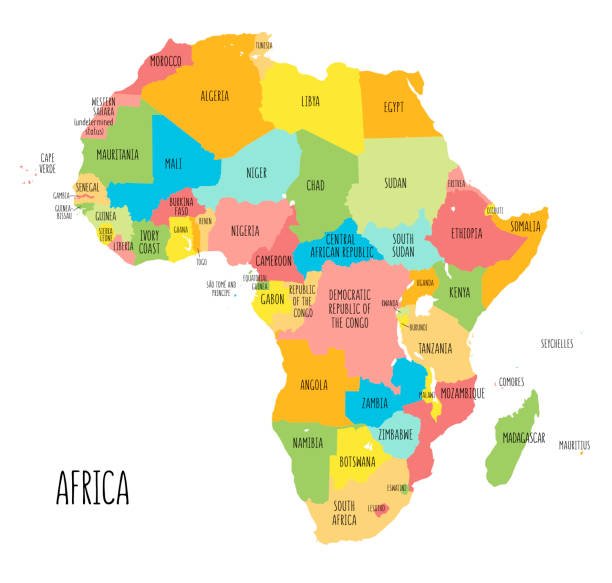
Identifying the countries found in East Africa provides a look at the glorious past and the vibrant future of the continent through its diverse landscapes. This geographical region is home to some of the most iconic natural wonders, including the highest mountains and deepest lakes in the southern hemisphere. Understanding the political and economic makeup of these nations is essential for appreciating the strategic role they play in international trade and environmental conservation today.
The transition from colonial territories to powerful modern states marked a significant era in human development across the vast landscapes of the eastern region. Exploring these specific states reveals the economic and social complexities that define the modern borders we see today through various regional cooperation agreements.
These are the nations identified as countries found in East Africa
To understand the depth of this region, one must look at the specific nations that contribute to its cultural and economic identity through various sectors. Each country brings unique contributions to art, science, and governance, often interacting with global powers through their strategic coastal positions or resource-rich interiors. The following list details the most influential and unique nations within this geographic zone, providing insights into their geography, people, and modern developments that make them stand out. By examining these states, one can see the complex interplay between the natural environment and human progress in one of the most dynamic regions on Earth.
1. Kenya
Kenya is often considered the economic and logistical heart of the region, serving as a primary gateway for trade through its massive port at Mombasa. This nation is world-famous for its incredible wildlife and the annual migration that takes place in the Masai Mara National Reserve, attracting millions of visitors annually. Beyond its natural beauty, Kenya has earned a reputation for its thriving technology sector and the widespread adoption of mobile money services that have revolutionized financial inclusion. The Great Rift Valley cuts through the country, providing a dramatic landscape of volcanoes, escarpments, and freshwater lakes that support diverse ecosystems and agricultural production. Nairobi, the capital city, serves as a major global hub, hosting the United Nations headquarters in Africa and acting as a center for international diplomacy and finance. Kenya remains a leading African country which found in East Africa continues to drive regional innovation and economic integration.
2. Tanzania
Tanzania is a land of superlatives, hosting Africa’s highest peak, Mount Kilimanjaro, and its deepest lake, Lake Tanganyika, which borders the western part of the nation. The country is a major destination for nature lovers, with the Serengeti National Park offering some of the best safari experiences in the world during the calving season. Tanzania also includes the semi-autonomous islands of Zanzibar, which have a rich history as a center for the spice trade and a unique blend of African, Arab, and Indian cultures. The nation has maintained a high level of political stability since its independence, fostering a sense of national unity through the widespread use of the Swahili language. Economically, Tanzania is rich in minerals like gold and tanzanite, and it is investing heavily in infrastructure to link its interior to the Indian Ocean coast via modern railways. Its commitment to conservation is evident, as nearly thirty percent of its land is designated as protected areas to safeguard its unique natural heritage for future generations.
3. Uganda
Uganda is often described as the Pearl of Africa due to its lush greenery, diverse birdlife, and the presence of the legendary Ruwenzori Mountains that border the west. It is a landlocked nation that sits at the source of the White Nile, with much of its southern border defined by the massive Lake Victoria which it shares with its neighbors. Uganda is one of the few places in the world where one can see mountain gorillas in their natural habitat within the Bwindi Impenetrable Forest and Mgahinga National Park. The country has a very young and vibrant population, with agriculture being the backbone of the economy, specifically through the export of high-quality coffee and tea. Kampala, the capital, is known for its seven hills and its bustling markets that reflect the entrepreneurial spirit of the Ugandan people in the modern era. Despite its lack of a coastline, Uganda has developed a strong regional trade network and is increasingly focusing on industrialization and domestic energy production.
4. Ethiopia
Ethiopia holds a unique place in history as one of the few nations on the continent that was never colonized, maintaining an ancient cultural heritage that dates back thousands of years. It is the birthplace of coffee and is home to the source of the Blue Nile, which provides vital water resources for the entire Nile Basin through several nations. The country features a rugged topography, with the Simien Mountains reaching heights over four thousand meters and the Danakil Depression being one of the hottest places on the planet. Addis Ababa serves as the diplomatic capital of the continent, housing the headquarters of the African Union and the United Nations Economic Commission for Africa. Ethiopia has a distinct calendar and alphabet, and its religious history is preserved in the rock-hewn churches of Lalibela which are carved directly into the mountain stone. This nation continues to be a central country in Africa found in East Africa for understanding the deep roots of human civilization and historical resilience.
5. Rwanda
Rwanda has become a global model for rapid development and clean urban living, particularly in its capital city, Kigali, which is often cited as the cleanest city in Africa. Often called the Land of a Thousand Hills, the country is characterized by its mountainous terrain and temperate climate that allows for intensive agriculture. Since the tragic events of 1994, Rwanda has undergone a remarkable transformation, focusing on national reconciliation, gender equality, and technological innovation to drive its economy. It is a leader in environmental protection, famously banning plastic bags early and promoting monthly community cleaning sessions known as Umuganda that involve the entire population. The tourism sector is centered on the mountain gorillas of the Volcanoes National Park, which provides significant revenue for conservation and local development projects. Rwanda’s small size has allowed for highly centralized and efficient governance, making it an attractive destination for foreign investment and international conferences.
6. Somalia
Somalia possesses the longest coastline on the African mainland, stretching over three thousand kilometers along the Gulf of Aden and the Indian Ocean. This strategic location has historically made it a hub for maritime trade, connecting the continent with the Middle East and Asia through ancient spice routes. The Somali people share a common language and a deep tradition of oral poetry and trade, which has persisted despite periods of significant political and social instability. Mogadishu, the capital, is slowly rebuilding its infrastructure and is seeing a resurgence in business and construction as the security situation gradually improves. The economy is traditionally based on livestock herding, with Somali goats and camels being exported across the Red Sea in large numbers every year. Somalia’s maritime potential and its youthful population provide a foundation for future growth as the nation continues its path toward federalism and stability. Its location ensures it remains a vital player in the geopolitical landscape of the Horn of Africa.
7. Djibouti
Djibouti is a small but strategically vital nation located at the entrance to the Red Sea, acting as a critical point for global shipping lanes. It serves as the primary port for landlocked Ethiopia, with a modern railway and highway system linking the two nations for the movement of essential goods. Due to its stable environment in a complex region, Djibouti hosts several international military bases from global powers like the United States, France, and China. The landscape is otherworldly, featuring salt lakes like Lake Assal, which is the lowest point in Africa, and volcanic formations that attract adventurous travelers. The economy is almost entirely centered on maritime services and logistics, making it one of the most important service hubs in the Horn of Africa. Despite its arid climate and limited agricultural land, Djibouti has leveraged its geographic position to become a necessary link in the global supply chain.
8. South Sudan
South Sudan is the world’s youngest nation, having gained its independence in 2011 after a long struggle for sovereignty that lasted for several decades. The country is dominated by the White Nile and the Sudd, one of the largest wetlands in the world, which supports a massive variety of wildlife and traditional pastoralist communities. South Sudan is exceptionally rich in natural resources, particularly oil, which provides the vast majority of its national revenue and foreign exchange. The culture is deeply rooted in the traditions of various ethnic groups, including the Dinka and Nuer, who have a long history of cattle herding and communal governance. While the nation has faced significant internal challenges since its birth, it remains a territory with immense agricultural potential and untapped mineral wealth. The development of infrastructure to connect Juba, the capital, with its neighbors is a major priority for the government to foster economic stability.
9. Madagascar
Madagascar is the fourth largest island in the world and is often referred to as a eighth continent because of its unique biodiversity and isolated evolution. Having been isolated from the mainland for over eighty million years, about ninety percent of its flora and fauna, including the famous lemurs, are found nowhere else on Earth. The island features a diverse range of biomes, from tropical rainforests in the east to dry spiny forests in the south and high-altitude plateaus in the center. The Malagasy people are a unique blend of African and Austronesian descent, which is reflected in their language, architecture, and traditional rice-based agriculture. Madagascar is a major producer of vanilla and cloves, and its unique landscapes make it a top destination for ecotourism and scientific research. While it is separated from the mainland by the Mozambique Channel, it is a key member of the Eastern African regional community through its trade links.
10. Mauritius
Mauritius is a high-income island nation that has successfully transitioned from a sugar-based economy to a global hub for finance, tourism, and technology. Located in the Indian Ocean, it is known for its diverse multi-ethnic population of Indian, African, Chinese, and European descent who live in relative harmony. The country is consistently ranked as one of the best places for doing business in Africa due to its stable political climate and transparent legal system. Mauritius is surrounded by coral reefs and white sand beaches, making it a premier destination for luxury travel and professional water sports. Its commitment to education and healthcare has provided its citizens with one of the highest standards of living on the entire continent. The island also has a unique history, once being the only home of the now-extinct dodo bird, which remains a national symbol of environmental awareness.
11. Eritrea
Eritrea is located on the Red Sea coast and is known for its well-preserved colonial architecture and its strategic maritime position overlooking vital trade routes. The capital city, Asmara, is a UNESCO World Heritage site recognized for its modernist and Art Deco buildings that date back to the early twentieth century. Eritrea has a long and rugged coastline with over three hundred and fifty islands in the Dahlak Archipelago, which are known for their pristine marine environments. The population is diverse, with several ethnic groups sharing a history of resilience and self-reliance during their long struggle for independence. Agriculture and mining are the main pillars of the economy, with the country possessing significant deposits of gold, copper, and potash. Eritrea’s location along one of the busiest shipping routes in the world gives it immense potential for port development and maritime trade expansion in the future.
12. Malawi
Malawi is often called the Warm Heart of Africa because of the friendliness and hospitality of its people across its varied regions. This landlocked nation is dominated by Lake Malawi, which covers nearly a third of the country and is home to more species of fish than any other lake on Earth. The lake is a vital resource for fishing, transportation, and tourism, providing a stunning backdrop to the country’s many lakeside villages. Malawi’s economy is heavily dependent on agriculture, particularly the production of tobacco, tea, and sugar which are exported globally. The landscape is varied, ranging from the high Nyika Plateau in the north to the dramatic Mulanje Massif in the south, which is the highest peak in Central Africa. Despite being one of the smaller nations in the region, Malawi has a high population density and a rich tradition of communal land management that supports local livelihoods.
13. Seychelles
The Seychelles is an archipelago of one hundred and fifteen islands in the Indian Ocean, famous for its spectacular granite boulders and turquoise waters. It is the least populous sovereign African nation and has become a world leader in marine conservation and the development of the blue economy. About fifty percent of the land in Seychelles is protected in nature reserves, ensuring the survival of rare species like the giant Aldabra tortoise. The economy is primarily driven by high-end tourism and tuna fishing, with the nation having the highest GDP per capita on the continent today. Seychelles is a melting pot of cultures, with a unique Creole language and a cuisine that blends influences from Africa, France, and India. The islands are also a major hub for international finance and have implemented strict environmental laws to protect their fragile tropical ecosystems from the impacts of climate change.
14. Burundi
Burundi is a small, landlocked nation in the Great Lakes region, characterized by its hilly terrain and fertile volcanic soils that support millions of farmers. It shares a border with Lake Tanganyika, the world's longest freshwater lake, which provides essential resources for fishing and regional trade. The economy is primarily agricultural, with coffee and tea being the major export crops that support the majority of the population through small-scale farming. Burundi has a rich cultural history, particularly famous for its traditional drummers, known as the Royal Drummers of Burundi, who are recognized globally for their skill and energy. The country has a high population density and has faced significant challenges, yet the people remain deeply connected to their land and traditional way of life. Efforts are currently underway to improve infrastructure and regional connectivity to help Burundi participate more fully in the East African market and the broader global economy.
Reasons Why These Countries are defined as countries found in East Africa in Africa
1. Formation of the Great Rift Valley: The geological history of this region is defined by the Great Rift Valley, which has created a landscape of dramatic mountains, deep lakes, and fertile valleys. This unique topography is a major reason why these nations have such diverse climates and ecosystems in close proximity to one another. In a country in Africa found in East Africa, the rift provides the volcanic soil necessary for high-yield agriculture while also creating the barriers that have allowed different species to evolve in isolation. This geographic feature is not only a source of natural beauty but also a driver of the region’s biodiversity and hydrological systems that feed the Nile.
2. Membership in the East African Community: The East African Community is one of the most integrated regional economic blocs in the world, aiming for a common market and eventually a single political federation. This cooperation allows the member states to negotiate better trade deals and coordinate on massive infrastructure projects like regional railways and oil pipelines. By working together, these African countries that are countries found in East Africa can address shared challenges such as climate change and border security more effectively. The regional bloc has fostered an environment where people and goods can move more freely, boosting the collective GDP of the member nations over the last decade.
3. Adoption of the Swahili Language: Swahili serves as a powerful linguistic bridge that unites millions of people across several different nations in the eastern region. Originally a maritime language of the coast, it has spread inland to become the official language of the regional community, facilitating trade, diplomacy, and cultural exchange. This shared language reduces barriers to business and allows for a greater sense of regional identity among people with different ethnic backgrounds. Many countries in Africa that are countries found in East Africa use Swahili as a tool for national and regional integration, making it one of the most widely spoken languages on the continent. It remains a symbol of the region's unity and its ancient history as a center of global trade.
4. Access to the Indian Ocean Trade: The long coastline along the Indian Ocean has historically connected the countries found in East Africa with the global markets of Asia, the Middle East, and Europe. Nations with major ports like Kenya, Tanzania, and Djibouti act as vital hubs for the entire continent, moving goods in and out of landlocked neighbors. This maritime access has influenced everything from the local cuisine to the architectural styles found in coastal cities like Mombasa and Dar es Salaam. Modern investments in port technology and blue economy initiatives are helping these countries leverage their oceanic resources for sustainable growth. The ocean remains the lifeblood of the region’s international commerce and its primary connection to the wider global community.
5. Shared Ancient History and Cradle of Mankind: Eastern Africa is scientifically recognized as the cradle of humankind due to the high number of early hominid fossils found in places like the Olduvai Gorge and the Omo Valley. This deep historical connection makes the region a focal point for global archaeological and anthropological research, attracting scientists from around the world. The presence of these sites provides a sense of continuity and pride for the people living in these nations, linking them to the very origins of the human species. Tourists and scientists alike are drawn to these locations, providing an economic boost and highlighting the region's global importance. It is a part of the world where the story of humanity began and continues to be written in the modern age.
6. Diverse Topography and Microclimates: The sheer variety of landscapes, from snowy mountain peaks and high plateaus to tropical islands and burning deserts, allows for a massive range of economic activities. Ethiopia can produce world-class coffee in its highlands, while Seychelles focuses on high-end marine tourism and conservation efforts. This environmental variety ensures that the region as a whole is resilient to market shifts, as different nations specialize in different commodities and services. The ability to host both the world's most productive savannas and its most remote mountain refuges is a unique characteristic of these countries. This diversity is the foundation of the region's attractiveness to both investors and travelers from around the globe who seek unique experiences.
Conclusion
The many countries found in East Africa represent a vibrant and essential part of the continent’s modern identity and future potential through their collective strengths. From the tech-driven cities of Kenya to the ancient, uncolonized highlands of Ethiopia, these nations offer a glimpse into the incredible diversity of human experience and natural beauty. As regional integration continues to strengthen through the East African Community, these states are becoming more connected and influential on the global stage. Understanding each country in Africa within this region is key to appreciating the continent’s resilience and its path toward prosperity. Ultimately, the unity and diversity of East Africa serve as a powerful example of how tradition and innovation can work together to build a better future. The region remains a cornerstone of the African continent, inviting the world to explore its deep history and its promising tomorrow for generations to come.
Enjoyed this read?
Share it with your friends and colleagues.