Countries Found In West Africa

BSC Insights Admin
October 01, 2026
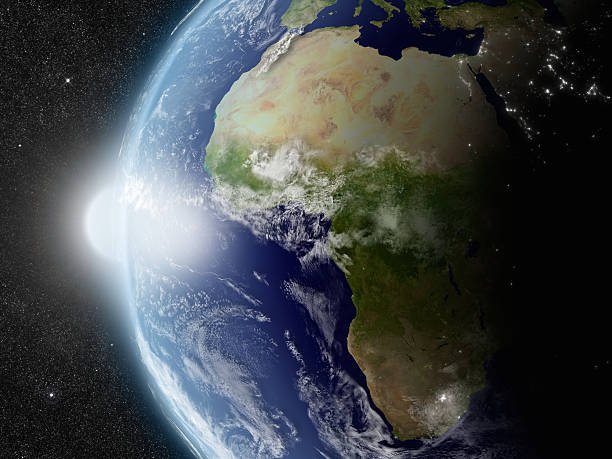
Identifying the various countries found in West Africa involves exploring a region that is home to more than four hundred million people across sixteen different nations. This geographical area is made up of sovereign states that are members of a regional economic union designed to foster cooperation and stability. These nations are located between the vast Sahara Desert to the north and the lush Atlantic Ocean coastline to the south and west.
Understanding the layout of this region is essential for anyone looking to do business, travel, or study the cultural history of the continent. Each nation has its own distinct personality and landscape that contributes to the collective strength of the West African bloc and the broader international community.
These are the many countries found in West Africa
The region of West Africa is defined by its incredible diversity, stretching from the arid landscapes of the Sahel to the humid tropical forests along the coast. Historically, this area was the site of some of the world's most powerful empires, including the Mali and Songhai kingdoms, which grew wealthy through the trans-Saharan trade. Today, the African countries that are countries found in West Africa are working together through organizations like ECOWAS to build a more integrated and prosperous future. This section provides a detailed look at each of the sixteen nations, exploring their unique geography, economy, and cultural contributions to the modern world.
1. Benin
Benin is a coastal nation situated between Togo to the west and Nigeria to the east, known for its rich history and vibrant traditional religions. The country was once the heart of the Kingdom of Dahomey, a powerful state that played a significant role in the regional trade and history of the 18th and 19th centuries. Porto-Novo serves as the capital, but Cotonou is the largest city and the economic hub, housing the nation's primary port and busy markets. Benin is often recognized as the birthplace of Voodoo, a religion that remains an integral part of the national identity alongside Christianity and Islam. The economy relies heavily on agriculture, particularly cotton production, and its strategic position as a transit point for goods heading into landlocked neighbors. Visitors are often drawn to the stilt village of Ganvie, often called the Venice of Africa, which showcases the unique architectural ingenuity of the local people.
2. Burkina Faso
Burkina Faso is a landlocked nation in the heart of West Africa, bordered by six different countries and characterized by its vast savanna landscapes. Formerly known as Upper Volta, the country changed its name to Burkina Faso, which translates to the land of honest people, reflecting its strong national pride and integrity. The capital city, Ouagadougou, is a major cultural center, famous for hosting the biennial FESPACO film festival, the largest of its kind on the continent. Gold and cotton are the primary drivers of the economy, although the majority of the population remains engaged in subsistence farming and livestock herding. Despite environmental challenges like desertification in its northern regions, the people are known for their resilience and deep-rooted traditions in music and craftsmanship. The country’s position makes it a vital part of the Sahelian transition zone, where the Sahara meets the tropical regions of the south.
3. Cape Verde
Cape Verde is an island nation located about five hundred kilometers off the coast of Senegal, consisting of ten volcanic islands and several smaller islets. This African country which is among the countries found in West Africa offers a unique blend of African and Portuguese influences due to its history as a former colonial outpost. The capital, Praia, is located on the island of Santiago, while the island of Sal is world-renowned for its pristine beaches and thriving tourism industry. Cape Verde is famous for its music, particularly the soulful genre known as Morna, made globally famous by the late singer Cesária Évora. The economy is primarily service-oriented, with a strong focus on tourism, maritime services, and remittances from its large diaspora population. The islands are also a model for political stability and democratic governance within the region, providing a high standard of living for its citizens.
4. Ivory Coast
Ivory Coast, officially known as Côte d'Ivoire, is the largest economy in Francophone West Africa and the world's leading producer of cocoa beans. The nation is characterized by its modern infrastructure, particularly in the economic capital of Abidjan, which features skyscrapers and a bustling lagoon-side landscape. While Yamoussoukro is the political capital and home to the massive Basilica of Our Lady of Peace, Abidjan remains the center of commerce and culture. The country has experienced significant economic growth in recent years, diversifying into cashew production, mining, and a growing energy sector. Ivory Coast has a rich artistic heritage, including intricate mask-making traditions from the Dan and Baoulé ethnic groups. Its tropical climate and fertile soil make it an agricultural powerhouse, sustaining both the national economy and global supply chains for chocolate and other products.
5. The Gambia
The Gambia is the smallest country on mainland Africa, almost entirely surrounded by Senegal except for its narrow coastline along the Atlantic Ocean. The nation is built around the Gambia River, which flows through its center and serves as a vital artery for transportation, fishing, and agriculture. Banjul is the capital city, located on an island where the river meets the ocean, while the nearby coastal towns are popular destinations for international tourists. The Gambia is a birdwatcher's paradise, with over five hundred species found in its varied habitats, ranging from wetlands to forests. The economy is heavily dependent on peanut exports, tourism, and subsistence farming, though efforts are underway to diversify into other sectors. The peaceful nature of its people and its beautiful riverine scenery make it a unique and welcoming destination within the West African region.
6. Ghana
Ghana is often celebrated as a beacon of democracy and stability in West Africa, having been the first sub-Saharan nation to gain independence from colonial rule in 1957. The capital, Accra, is a booming metropolis that serves as a major hub for business, tech, and the arts, attracting investment from across the globe. Ghana’s economy is one of the strongest in the region, fueled by its wealth of gold, cocoa, and more recently, offshore oil and gas reserves. The country has a deep cultural heritage, from the colorful kente cloth of the Ashanti people to the historic coastal castles that tell the story of the transatlantic trade. Pan-Africanism is a core part of the national identity, with many members of the African diaspora choosing to relocate or visit the country to reconnect with their roots. The diverse geography includes the massive Lake Volta, the world's largest man-made lake, and several lush national parks teeming with wildlife.
7. Guinea
Guinea is a nation of immense natural wealth, holding some of the world's largest reserves of bauxite, as well as significant deposits of gold, diamonds, and iron ore. The country is often referred to as the water tower of West Africa because it is the source of several major rivers, including the Niger, the Senegal, and the Gambia. Conakry, the capital, is a busy port city located on the Kaloum Peninsula, serving as the gateway for the nation's mineral exports. The landscape is dominated by the Fouta Djallon highlands, where the cooler climate and dramatic waterfalls offer some of the most beautiful scenery in the region. Agriculture is also vital, with the fertile plains producing coffee, palm oil, and various tropical fruits for both local and international markets. Guinea has a vibrant musical tradition, particularly through its world-class drumming and the influential sounds of the kora, which is central to the history of the Mande people.
8. Guinea-Bissau
Guinea-Bissau is a small coastal nation characterized by its complex network of rivers, estuaries, and the spectacular Bijagós Archipelago. This country in Africa among countries found in West Africa has a unique history, having fought a long and arduous war for independence from Portugal in the 1970s. Bissau is the capital and largest city, featuring colonial-era architecture and a relaxed, seaside atmosphere. The economy is centered on cashew nut production, which accounts for the vast majority of its export earnings and provides a livelihood for many rural families. The Bijagós islands are a UNESCO Biosphere Reserve, home to unique wildlife like saltwater hippos and serving as a vital breeding ground for sea turtles. Despite facing political challenges in its post-colonial history, the country remains rich in cultural traditions, including a vibrant carnival and a deep history of oral storytelling. The coastal environment is critical for the nation's fishing industry, which provides protein and income for its diverse ethnic groups.
9. Liberia
Liberia holds a unique place in African history as the oldest republic on the continent, having been founded by free people of color from the United States in the early 19th century. The capital, Monrovia, was named after U.S. President James Monroe and remains the political and economic heart of the nation. The country is incredibly rich in natural resources, including iron ore, timber, and some of the world's largest rubber plantations, which have been a cornerstone of the economy for decades. Liberia’s coastline is famous among surfers for its world-class waves, while the interior is covered by vast tracts of primary rainforest that are vital for regional biodiversity. After overcoming a period of civil conflict, the nation has made significant strides in reconstruction and maintaining peace under democratic leadership. The culture is a unique blend of indigenous traditions and the influences brought by the Americo-Liberian settlers, visible in everything from architecture to the local English dialect.
10. Mali
Mali is a landlocked nation that was once the center of several great African empires, most notably the Mali Empire under Mansa Musa, who was famously the wealthiest person in history. The country is dominated by the Niger River, which provides a lifeline for agriculture and transport through the arid Sahel and southern desert regions. Bamako is the capital and one of the fastest-growing cities in Africa, known for its vibrant music scene and bustling open-air markets. Mali is home to legendary sites like Timbuktu, once a world-renowned center of Islamic learning, and the Great Mosque of Djenné, the largest mud-brick building in the world. The economy is primarily based on gold mining and agriculture, with cotton being a major export crop. Despite facing security challenges in its northern territories, the nation remains a vital cultural pillar of West Africa, with its unique Dogon architecture and world-famous blues-style music.
11. Mauritania
Mauritania is a vast desert nation that bridges the Arab-Berber world of the Maghreb with the Black African cultures of the sub-Saharan region. Most of the country is covered by the sands of the Sahara Desert, with the population concentrated along the Atlantic coast and the Senegal River valley in the south. Nouakchott is the capital and largest city, having grown from a small village to a major metropolis since independence in 1960. The economy is driven by iron ore mining and one of the world's richest fishing grounds off its Atlantic coast, which provides significant export revenue. Mauritania is also a country of deep religious and intellectual traditions, with ancient library cities like Chinguetti serving as historic centers of scholarship. The nation has recently seen growth in its offshore oil and gas sector, which promises to transform its fiscal future. The cultural landscape is a fascinating mix of nomadic traditions and settled agricultural life along the fertile riverbanks.
12. Niger
Niger is a massive landlocked country in the Sahel, where more than eighty percent of its territory is covered by the Sahara Desert. The nation is named after the Niger River, which flows through its southwestern corner and provides the water necessary for the survival of the majority of its population. Niamey is the capital, serving as a hub for trade and government in a region that has faced significant environmental and security pressures. Niger is one of the world's largest producers of uranium, a mineral that is essential for global nuclear energy and a primary source of national income. The country is also rich in cultural diversity, home to the Hausa, Zarma, and Tuareg people, whose colorful festivals like the Gerewol are world-famous. Despite being one of the least developed nations in terms of infrastructure, the people of Niger possess a deep resilient spirit and a history of ancient trans-Saharan trade. The Aïr Mountains in the north are a spectacular range of volcanic peaks that rise out of the desert, housing rare wildlife and ancient rock art.
13. Nigeria
Nigeria is the undisputed giant among the countries in Africa that are countries found in West Africa, possessing the largest population and the biggest economy on the continent. The nation is incredibly diverse, with over two hundred and fifty ethnic groups and a cultural influence that is felt globally through its music and film industries. Lagos, the largest city, is a sprawling mega-city and a global hub for finance, tech, and entertainment, while Abuja serves as the planned political capital. Nigeria’s economy is centered on its massive oil and gas reserves, but it is also a regional leader in banking, telecommunications, and manufacturing. The country has a rich artistic history, from the ancient Benin Bronzes to the modern sounds of Afrobeats that dominate international charts. Despite the complexities of governing such a large and diverse nation, Nigeria remains a central player in African and global geopolitics. Its fertile southern regions produce a variety of crops, while the north is a major center for livestock and grain production.
14. Senegal
Senegal is often regarded as one of the most stable and peaceful nations in Africa, having never experienced a successful military coup since its independence. The capital, Dakar, is a vibrant peninsula city that serves as a major regional center for diplomacy, NGOs, and the arts, hosting the prestigious Dak'Art biennale. Senegal’s economy is diverse, with strong sectors in fishing, phosphate mining, tourism, and a growing offshore oil and gas industry. The nation has a deep intellectual and literary tradition, exemplified by its first president, the poet Léopold Sédar Senghor, who was a leading figure in the Négritude movement. Saint-Louis, the former capital, is a UNESCO World Heritage site known for its colonial architecture and world-famous jazz festival. The culture is a beautiful blend of Sufi Islamic traditions and Wolof language and customs, with a cuisine that is considered among the best in Africa. The Island of Gorée, located just off the coast of Dakar, serves as a powerful memorial to the history of the transatlantic trade.
15. Sierra Leone
Sierra Leone is a coastal nation known for its stunning white-sand beaches, lush mountains, and a history that is deeply tied to the return of freed slaves from Britain and the Americas. The capital, Freetown, was founded in the late 18th century as a refuge for these formerly enslaved people, and it remains the primary center of Krio culture and commerce. The country is rich in mineral resources, particularly diamonds, which have historically been both a blessing and a source of conflict, though the nation has been peaceful for over two decades. In addition to diamonds, Sierra Leone has significant deposits of iron ore, rutile, and bauxite, which are critical to its ongoing economic recovery. The landscape is dominated by the Loma Mountains, which include Mount Bintumani, the highest peak in the region. Agriculture, particularly rice and palm oil production, provides the livelihood for the majority of the rural population. Sierra Leone is also home to the Tacugama Chimpanzee Sanctuary, reflecting a growing commitment to wildlife conservation and ecotourism.
16. Togo
Togo is a narrow, north-south oriented nation situated between Ghana and Benin, featuring a variety of landscapes from coastal lagoons to hilly woodlands. Lomé, the capital, is located on the Atlantic coast and is famous for its large port and its vibrant markets, including the world’s largest Voodoo market. The economy of Togo is based on agriculture and mining, with phosphate being its primary mineral export and a significant contributor to the national budget. The country is home to the Koutammakou landscape, a UNESCO World Heritage site known for its unique mud tower-houses built by the Batammariba people. Togo has a diverse ethnic makeup, with the Ewe and Kabye being the largest groups, contributing to a rich mosaic of languages and traditions. The nation’s strategic location and its deep-water port make it a vital transit hub for goods heading into the landlocked countries of the Sahel. Despite its small size, Togo plays an active role in regional diplomacy and economic integration through its membership in the West African Economic and Monetary Union.
Reasons Why These Countries are grouped as countries found in West Africa in Africa
1. Membership in ECOWAS: The primary reason these sixteen nations are grouped together is their common membership in the Economic Community of West African States (ECOWAS). This regional organization was established in 1975 to promote economic integration and cooperation among its members, effectively defining the modern boundaries of the region. By working as a bloc, these countries in Africa that are countries found in West Africa can negotiate better trade deals and coordinate security efforts to address regional challenges. This institutional link provides a formal framework for political and economic interaction that is unique on the continent. It has also facilitated the free movement of people across borders, fostering a sense of shared regional identity among the diverse populations.
2. Geographic and Climatic Continuity: The region shares a distinct geographic pattern, with climatic bands that run horizontally from east to west across the different nations. This includes the Sahara Desert in the north, the semi-arid Sahel transition zone, the wooded savannas, and the humid tropical rainforests along the coast. This shared environment means that many nations face similar challenges, such as desertification and the management of major river systems like the Niger and the Senegal. This geographic consistency has historically dictated the movement of people and the types of agricultural practices that are common across the region. The proximity to the Atlantic Ocean also provides a shared maritime history and economic interest in offshore resources.
3. Shared Pre-colonial and Colonial History: Many of the countries found in West Africa share a history of being part of the same ancient empires, such as the Ghana, Mali, and Songhai kingdoms. These empires created trade routes and cultural links that existed long before modern national borders were drawn. During the colonial era, the region was primarily divided between French and British rule, which left behind shared administrative languages and legal systems that still influence the nations today. This history of interaction has created deep cultural ties, with many ethnic groups, such as the Hausa, Mandinka, and Fulani, living across multiple national borders. These historical connections are the foundation for the regional cooperation we see in the modern era.
4. Regional Economic Interdependence: The economies of West African nations are deeply linked through trade, shared currencies, and energy networks. For instance, several Francophone nations use the West African CFA franc, which is managed by a central bank and provides a level of monetary stability across borders. Many landlocked nations, like Mali and Niger, depend entirely on the ports of their coastal neighbors, such as Senegal and Ivory Coast, for their international trade. This interdependence is a major driver for the development of regional infrastructure, such as the West African Gas Pipeline and shared electrical grids. This economic reality makes it necessary for these nations to be treated as a single, cohesive region in terms of development and investment.
5. Cultural and Linguistic Affinities: Despite the presence of hundreds of indigenous languages, there are major linguistic groups that span the entire West African region, facilitating communication and trade. Languages like Hausa, Wolof, and Bambara serve as lingua francas in various parts of the region, allowing people from different countries to interact seamlessly. The region also shares many cultural traditions, including similar styles of music, dress, and cuisine, such as the widely popular jollof rice. This cultural synergy is celebrated through regional festivals and sporting events, strengthening the bonds between the different nations. This shared "West African" culture is a powerful force that transcends political borders and defines the daily lives of millions of people.
6. Collaborative Security and Peacekeeping: The nations of West Africa have a long history of working together to maintain peace and stability through regional peacekeeping forces like ECOMOG. This collaborative approach to security is a defining feature of the region, as nations recognize that instability in one country can easily spill over into its neighbors. Today, this cooperation continues through joint task forces to combat threats in the Sahel and maritime piracy in the Gulf of Guinea. This shared responsibility for regional safety has made West Africa a leader in the development of continental security frameworks. This commitment to collective peace is essential for the ongoing economic and social development of the region.
Conclusion
The sixteen countries found in West Africa represent a dynamic and essential part of the modern global landscape, characterized by their resilience, cultural wealth, and economic potential. From the booming markets of Nigeria to the peaceful islands of Cape Verde, each nation brings its own unique strengths to the regional collective. As these countries continue to integrate their economies and address shared challenges, the importance of West Africa as a unified bloc will only grow on the international stage. Understanding the specific details of each nation is vital for anyone who wishes to appreciate the true diversity and promise of the African continent. Ultimately, the unity and cooperation among these sixteen states serve as a model for regional development across the globe. West Africa remains a region of ancient wonders and modern innovations, constantly evolving while staying true to its deep historical roots.
Enjoyed this read?
Share it with your friends and colleagues.