Which Countries In Northern Africa

BSC Insights Admin
September 30, 2026
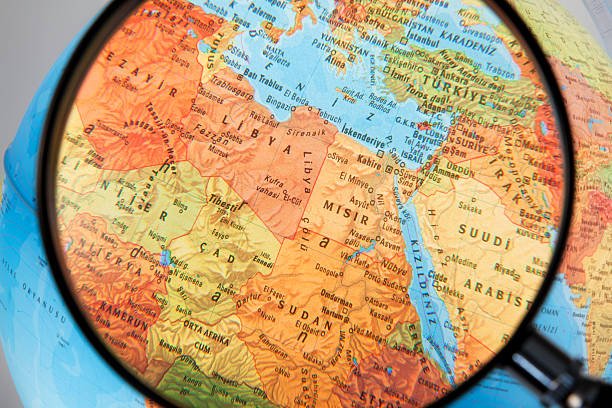
Determining which countries in Northern Africa comprise this strategically vital region involves looking at the nations situated along the Mediterranean coast and the vast Sahara Desert. This subregion is traditionally defined by its shared cultural, linguistic, and geographic ties, primarily consisting of Algeria, Egypt, Libya, Morocco, Sudan, and Tunisia. These territories serve as a historical bridge between the African continent and the Mediterranean world, playing a crucial role in global trade and politics.
The distribution of these states reflects a complex history of ancient civilizations and modern geopolitical shifts that have shaped the modern map of the region. By examining the specific nations within this territory, one can better appreciate the massive scale and variety found within the North African landscape.
These are the Countries that make up Northern Africa
The definition of Northern Africa can vary slightly depending on whether one uses the United Nations geographical scheme or the political definitions of the African Union. However, most experts agree on a core group of nations that share a Mediterranean coastline and a deep connection to the Saharan interior. These nations are characterized by their predominantly Arab-Berber heritage and the widespread use of the Arabic language, though each maintains a distinct national identity. The following list provides an in-depth look at each sovereign state that occupies this influential corner of the continent.
1. Algeria
Algeria is the largest country in Africa by land area, covering approximately 2,381,741 square kilometers, with a vast majority of its territory occupied by the Sahara Desert. Despite the dominance of the desert, the country boasts a fertile northern coastline along the Mediterranean where most of its population of roughly 45 million people resides. Algeria is a major global energy player, possessing the tenth-largest reserves of natural gas and the sixteenth-largest oil reserves in the world. The nation’s history is defined by its courageous struggle for independence from French colonial rule, which has left a deep impact on its modern political culture and national pride. The capital city, Algiers, features a stunning mix of French colonial architecture and the ancient Casbah, reflecting the layered history of the Mediterranean coast. Algeria continues to play a leading role in regional security and economic development within the Maghreb region.
2. Egypt
Egypt is a transcontinental nation that serves as the most populous country in Northern Africa, with a population exceeding 110 million people as of 2024. The country is famous for its ancient civilization and world-renowned monuments such as the Great Pyramids of Giza and the Valley of the Kings. The Nile River is the lifeblood of the nation, providing a fertile valley that supports almost the entire population in an otherwise arid landscape. Egypt holds a strategic position in global maritime trade due to its control of the Suez Canal, which connects the Mediterranean Sea to the Red Sea. Cairo, the capital, is one of the largest metropolitan areas in the world and serves as a major cultural, political, and media hub for the Arab world. The Egyptian economy is one of the most diversified in the region, relying on tourism, agriculture, industry, and services to support its massive and growing population.
3. Libya
Libya is a large North African nation with a long Mediterranean coastline and some of the largest proven oil reserves on the entire continent. The country is sparsely populated, with roughly 7 million people mostly living in coastal urban centers like Tripoli and Benghazi. Libya’s geography is almost entirely dominated by the Sahara Desert, which limits agricultural activity but provides immense mineral wealth. Historically, the nation was a crossroads for various Mediterranean empires, including the Romans and the Ottomans, leaving behind impressive archaeological sites like Leptis Magna. Since 2011, Libya has been navigating a complex political transition, working to re-establish a unified government and stabilize its economy. Its strategic location and energy resources ensure that it remains a critical partner for European energy security and regional stability. Despite current challenges, Libya possesses incredible potential for reconstruction and economic growth due to its small population and massive natural resource base.
4. Morocco
Morocco is a kingdom located at the northwestern tip of Africa, separated from Europe by the narrow Strait of Gibraltar. It is unique among North African countries for having coastlines on both the Mediterranean Sea and the Atlantic Ocean. The country features the majestic Atlas Mountains, which separate the fertile coastal regions from the arid Saharan interior. Morocco has a population of approximately 37 million people and is known for its stable monarchy and vibrant tourism industry centered in cities like Marrakech and Fes. The nation is the world's leading exporter of phosphates and has invested heavily in renewable energy, hosting one of the world's largest solar power plants. Moroccan culture is a rich tapestry of Arab, Berber, and European influences, reflected in its world-famous cuisine and intricate architecture. Rabat is the administrative capital, while Casablanca serves as the primary economic hub and one of the most important financial centers on the continent.
5. Sudan
Sudan is located in the northeastern part of Africa and was the largest country on the continent before the secession of South Sudan in 2011. It remains a massive territory, covering over 1.8 million square kilometers, and is characterized by the confluence of the Blue and White Nile rivers in its capital, Khartoum. Sudan has a population of roughly 48 million people and possesses significant agricultural potential, often being referred to as the potential breadbasket of the Arab world. The country has a rich ancient history, containing more pyramids than Egypt, located at the archaeological site of Meroe. Its economy has traditionally relied on agriculture and oil, though it has faced significant economic hurdles and political transitions in recent years. Sudan’s strategic position along the Red Sea makes it an important gateway for trade between the African interior and international markets. The nation continues to work toward a stable political future that can unlock its vast natural and human potential.
6. Tunisia
Tunisia is the northernmost country in Africa and has a history that dates back to the ancient Carthaginian Empire, which once rivaled Rome for Mediterranean dominance. It has a population of about 12 million people and is known for its highly educated workforce and relatively progressive social policies. The country’s economy is well-integrated with Europe, with strong sectors in tourism, agriculture, and manufacturing, particularly in the production of olive oil and mechanical components. Tunisia was the birthplace of the Arab Spring protests in late 2010, leading to a significant democratic transition that changed the political landscape of the entire region. The capital, Tunis, features a well-preserved medina that is a UNESCO World Heritage site, showcasing the nation's rich Islamic and Mediterranean heritage. Despite its small size compared to its neighbors, Tunisia exerts significant cultural and political influence in the Maghreb. Its Mediterranean climate and beautiful coastal resorts make it a popular destination for visitors from all over the world.
7. Western Sahara
Western Sahara is a territory located to the south of Morocco and is considered one of the most sparsely populated regions in the world. While its status is a subject of a long-standing territorial dispute between Morocco and the Polisario Front, it is geographically and culturally part of the Northern African region. The territory is mostly desert but contains significant phosphate deposits and rich fishing grounds along its Atlantic coast. Most of its population lives in the city of Laayoune and other small settlements scattered throughout the arid landscape. The United Nations considers Western Sahara a non-self-governing territory, and diplomatic efforts continue to find a mutually acceptable political solution. Morocco currently administers the majority of the territory and has invested heavily in infrastructure and urban development in the region. Western Sahara remains a unique case in the study of Northern African nations, representing the last major unresolved decolonization issue on the continent.
Reasons Why These Countries Are Historically Significant in Africa
1. Presence of Ancient Civilizations: The region of Northern Africa was home to some of the world's earliest and most advanced civilizations, most notably the Egyptian Empire along the Nile. These societies developed complex systems of writing, mathematics, and monumental architecture that have influenced global history for thousands of years. The legacy of Carthage in Tunisia and the various Berber kingdoms across the Maghreb also highlight the deep historical roots of the region.
2. Strategic Geographic Location: These countries serve as a vital link between Africa, Europe, and the Middle East due to their position along the Mediterranean Sea. Control over key maritime routes, such as the Strait of Gibraltar and the Suez Canal, has made the region a focal point for international trade and military strategy for centuries. This geographic advantage continues to make the region essential for which countries in Northern Africa are considered geopolitical players today.
3. Massive Natural Resource Wealth: Northern Africa contains some of the planet's largest reserves of oil, natural gas, and phosphates, which are essential for the global economy. Algeria and Libya are critical energy suppliers for Europe, while Morocco provides the phosphates necessary for global food security through fertilizer production. This resource wealth has provided the financial foundation for modern state-building and infrastructure development across the subregion.
4. Shared Linguistic and Religious Identity: The spread of Islam and the Arabic language across Northern Africa created a powerful sense of regional unity and a shared cultural framework. This common identity allows for closer political and economic cooperation among these nations and links them strongly to the broader Arab and Islamic worlds. While each country maintains unique local traditions and Berber dialects, the overarching cultural bond remains a defining feature of the region.
5. Influence of the Sahara Desert: The Sahara is the world's largest hot desert and has historically acted as both a barrier and a bridge for trade and migration. The trans-Saharan trade routes once connected Northern African cities with the great empires of West Africa, facilitating the exchange of gold, salt, and ideas. Today, the desert continues to shape the economic and environmental policies of these nations, particularly in the areas of water management and solar energy.
6. Proximity and Interaction with Europe: Throughout history, Northern Africa has maintained a complex and intense relationship with the European continent through trade, migration, and colonial history. This proximity has led to deep economic ties, with the European Union being the primary trading partner for most nations in the region. The ongoing movement of people and ideas across the Mediterranean ensures that Northern Africa remains intrinsically linked to the social and political dynamics of Europe.
Conclusion
Understanding which countries in Northern Africa make up this region is fundamental for grasping the historical and economic pulse of the continent. From the massive landmass of Algeria to the ancient wonders of Egypt, these nations represent a unique blend of African and Mediterranean identities. Each country contributes to the regional stability and global economy through its natural resources, strategic location, and cultural heritage. As these nations navigate the challenges of the 21st century, their collective influence on the African continent and the wider world remains undeniable. By recognizing the individual strengths and shared history of these North African states, we gain a deeper appreciation for the diversity of the African landmass.
Enjoyed this read?
Share it with your friends and colleagues.