Countries Start With Letter M In Africa

BSC Insights Admin
September 30, 2026
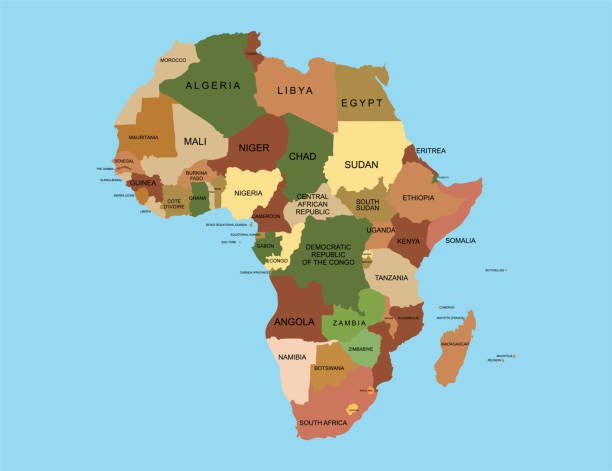
Identifying the group of African countries that start with letter M provides a fascinating look at the geographical and cultural diversity found across the continent. There are currently seven distinct nations within this category, ranging from massive island territories to landlocked Saharan regions and prosperous coastal hubs. Each African country which starts with letter M contributes uniquely to the continent's collective identity through varied economic strengths, linguistic backgrounds, and historical legacies.
Exploring these nations allows travelers and researchers alike to appreciate the vast differences in landscape and governance that exist within Africa. By understanding the specific traits of each country in Africa starting with M, one gains a clearer picture of how diverse the continent truly is.
These are the Countries that Start With Letter M in Africa
The list of nations beginning with this letter covers almost every major region of the continent, including North Africa, West Africa, East Africa, and Southern Africa. Each of these countries possesses a unique set of characteristics, from the mountainous terrain of the Atlas range to the crystal clear waters of the Indian Ocean. Below is a detailed look at the seven specific countries that fall into this alphabetical group, highlighting their geography, economy, and culture.
1. Madagascar
Madagascar is a massive island nation located off the southeastern coast of Africa in the Indian Ocean, and it is recognized as the fourth largest island in the world. This unique territory is world-renowned for its incredible biodiversity, with approximately 90 percent of its wildlife found nowhere else on the planet, including several species of lemurs and the iconic baobab trees. The nation covers a land area of about 587,041 square kilometers and supports a population that exceeds 30 million people, most of whom speak Malagasy and French. Historically, the country has been a melting pot of Austronesian and African cultures, which is evident in its traditional music, architecture, and culinary practices like the consumption of Romazava. Economically, the country relies heavily on agriculture, particularly the production of vanilla, cloves, and ylang-ylang, making it a vital player in global spice markets. Travelers often visit the Avenue of the Baobabs or the Tsingy de Bemaraha National Park to witness the stunning and surreal landscapes that define this island country.
2. Malawi
Malawi is a landlocked country situated in Southeast Africa, often referred to as the Warm Heart of Africa due to the kindness and hospitality of its people. The country is dominated by the massive Lake Malawi, which takes up nearly a third of its total area and serves as a critical resource for fishing, transportation, and tourism. With a population of over 20 million people, Malawi focuses largely on subsistence farming and the export of tobacco, tea, and sugar to sustain its national economy. The capital city, Lilongwe, serves as the political hub, while Blantyre remains the primary commercial center for trade and industry. Despite being one of the smaller nations in terms of landmass, Malawi offers incredible geographical variety, including the high plateaus of the Nyika National Park and the dramatic peaks of Mount Mulanje. The nation has remained remarkably peaceful since gaining independence from Britain in 1964, maintaining a stable democratic system that attracts international development and conservation efforts.
3. Mali
Mali is a large landlocked nation in West Africa that possesses a rich historical legacy tied to some of the most powerful ancient empires on the continent, including the Mali Empire and the Songhai Empire. It covers an area of approximately 1.24 million square kilometers, much of which is occupied by the Sahara Desert in the north, while the southern region is nourished by the Niger and Senegal rivers. The city of Timbuktu remains a legendary site of learning and trade, historically serving as a center for Islamic scholarship and the gold-salt trade routes. Today, Mali is a major producer of gold in Africa, and its economy is also heavily dependent on the export of cotton and livestock. The country is home to the Great Mosque of Djenne, the largest mud-brick building in the world, which represents the architectural ingenuity of the Malian people. Despite facing modern political and security challenges, the cultural vibrancy of Mali continues to influence global music and art, with world-famous musicians often hailing from its diverse ethnic groups like the Bambara and Tuareg.
4. Mauritania
Mauritania serves as a cultural and geographical bridge between the Arab Maghreb of North Africa and the Sub-Saharan regions of West Africa. This vast country is mostly covered by the Sahara Desert, which shapes its climate and the nomadic lifestyle of many of its 4.9 million inhabitants. The capital city, Nouakchott, is located along the Atlantic coast and has grown rapidly from a small village into a bustling urban center since the mid-twentieth century. Mauritania is economically significant due to its massive deposits of iron ore, which account for a large portion of its export revenue, along with its rich fishing grounds that are among the most productive in the world. The ancient stone cities of Chinguetti and Ouadane are recognized as UNESCO World Heritage sites, preserving the history of trans-Saharan trade and Islamic pilgrimage. Arabic is the official language, but various indigenous languages such as Pulaar, Soninke, and Wolof are widely spoken, reflecting the nation's diverse ethnic composition.
5. Mauritius
Mauritius is a highly developed island nation located in the Indian Ocean, situated about 2,000 kilometers off the southeast coast of the African continent. Unlike many other nations in the region, Mauritius is often cited as a model for economic success and democratic stability, having transitioned from a sugar-dependent economy to one focused on financial services, tourism, and technology. The country is famous for its stunning coral reefs, white sandy beaches, and luxury resorts, making it one of the premier honeymoon and vacation destinations in the world. Its population is a vibrant multicultural mix of people of Indian, African, European, and Chinese descent, leading to a unique blend of religious festivals and culinary traditions. For example, visitors can experience the colorful celebrations of Maha Shivaratri or enjoy the local street food known as Dholl Puri. Mauritius also has a high Human Development Index score, reflecting its commitment to providing free education and healthcare to its citizens, which has helped it become one of the wealthiest countries in Africa per capita.
6. Morocco
Morocco is a kingdom located in the northwestern corner of Africa, characterized by its rugged mountain ranges, vast deserts, and long coastlines along both the Atlantic Ocean and the Mediterranean Sea. The nation is a major geopolitical player in the region and serves as a gateway to Europe due to its proximity to the Strait of Gibraltar. Morocco is well known for its imperial cities like Marrakech, Fes, and Meknes, where ancient medinas and bustling souks offer a sensory journey through centuries of history and craftsmanship. The economy is diverse, with strong sectors in phosphates, agriculture, automotive manufacturing, and a thriving tourism industry that draws millions of visitors annually to sites like the Atlas Mountains and the Sahara dunes. Casablanca stands as the nation's largest city and financial heart, hosting modern infrastructure alongside traditional Moroccan architecture. The blend of Arab, Berber, and French influences is visible in everything from the national language to the world-famous Moroccan cuisine, including dishes like tagine and couscous.
7. Mozambique
Mozambique is a scenic country in Southeastern Africa with a long coastline stretching over 2,400 kilometers along the Indian Ocean, providing it with some of the most beautiful beaches and marine parks on the continent. The nation was a Portuguese colony for several centuries, and today Portuguese remains the official language, making it one of the largest Lusophone countries in the world. Its capital, Maputo, is known for its Mediterranean-style architecture and vibrant arts scene, particularly its distinct woodcarvings and jazz music. Mozambique possesses vast natural resources, including recently discovered offshore natural gas reserves that have the potential to transform its economy in the coming decades. The country's landscape is varied, featuring the Gorongosa National Park, which has undergone significant restoration to protect its diverse wildlife populations. Despite its history of civil conflict, Mozambique has made strides in rebuilding its infrastructure and tourism sector, attracting divers and nature lovers to the Bazaruto and Quirimbas archipelagos.
Reasons Why These Countries That Start With M Stand Out in Africa
1. Geographic Diversity: The countries in Africa that start with letter M showcase an incredible range of climates and terrains, from the arid deserts of Mauritania and Mali to the lush tropical forests of Madagascar. This variety allows for a wide array of agricultural activities and tourism experiences across the continent. For instance, while Morocco offers snowy peaks in the Atlas Mountains, Mozambique provides tropical beach getaways along the Indian Ocean.
2. Economic Significance: Several African countries that start with letter M are vital to the global economy due to their natural resources and strategic trade positions. Morocco is a leader in phosphate production, while Mali is one of the top gold producers on the continent. Additionally, Mauritius serves as a major financial hub, attracting international investment through its stable business environment and favorable tax policies.
3. Cultural Richness: These nations hold some of the most significant cultural landmarks in the world, preserving ancient traditions and architectural marvels. The historic libraries of Mali and the imperial medinas of Morocco are essential for understanding the intellectual and artistic history of the human race. Furthermore, the unique blend of Malayo-Polynesian and African cultures in Madagascar offers a linguistic and social structure found nowhere else on earth.
4. Tourism Potential: From the lemurs of Madagascar to the historical ruins of Morocco, these countries are major draws for international travelers. Each country in Africa starting with M offers a distinct type of adventure, whether it is diving in the reefs of Mauritius or trekking through the highlands of Malawi. This tourism revenue is a critical component of their national budgets and supports local conservation efforts.
5. Biodiversity and Conservation: Madagascar alone is one of the world's most important biodiversity hotspots, housing thousands of endemic species that are critical for scientific research. Similarly, Mozambique and Malawi have invested heavily in protecting their national parks to preserve elephants, lions, and rare freshwater fish. These conservation efforts are essential for maintaining the ecological balance of the African continent.
6. Linguistic Variety: The linguistic landscape of these seven countries is remarkably diverse, including speakers of Arabic, French, Portuguese, English, and hundreds of indigenous languages. This multilingualism reflects the complex history of migration, trade, and colonization that has shaped modern Africa. In countries like Mauritius, it is common for citizens to be fluent in multiple languages, facilitating better communication in the global market.
7. Historical Influence: Mali and Morocco were home to some of the most influential empires in history, which shaped the spread of Islam and trade across North and West Africa. The legacy of Mansa Musa of Mali, often cited as the wealthiest individual in history, still resonates in the cultural pride of the region. These historical roots provide a sense of continuity and identity that drives modern national development and pride.
8. Strategic Maritime Access: Five of these seven countries have direct access to oceans, which is crucial for international shipping and maritime trade. Morocco, Mauritania, Mozambique, Madagascar, and Mauritius all utilize their coastal positions to develop ports and fishing industries. This maritime connectivity links African markets to Europe, Asia, and the Americas, enhancing the continent's role in global commerce.
9. Resilience and Growth: Many of these nations have shown incredible resilience in the face of environmental and political challenges, continuing to grow and modernize. Malawi has made significant progress in food security and democratic transitions, while Mozambique is working toward leveraging its gas reserves for national prosperity. Their continued development is a testament to the strength and ingenuity of the African people living in these M-named nations.
Conclusion
In summary, the seven countries in Africa that start with letter M represent a significant portion of the continent's total landmass and cultural heritage. From the northern kingdom of Morocco to the island paradise of Mauritius, these nations offer a glimpse into the vast diversity of the African experience. Whether through their economic contributions in gold and phosphates or their ecological treasures in Madagascar, every country in Africa starting with M plays a vital role in the region's future. Understanding these countries helps us appreciate the complexity and beauty of the entire African continent as it continues to evolve in the twenty-first century.
Enjoyed this read?
Share it with your friends and colleagues.