Which Country In Africa Is Behind In Years

BSC Insights Admin
October 01, 2026
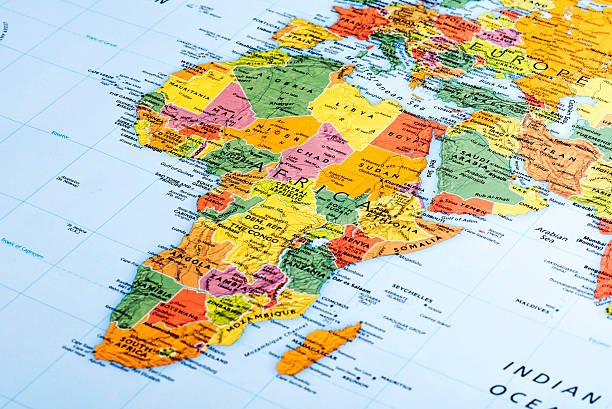
Understanding which country in Africa is behind in years requires looking at the unique Ethiopian calendar which currently trails the Gregorian calendar by approximately seven to eight years. This chronological difference exists because the Ethiopian Orthodox Church maintains a different calculation for the birth of Jesus Christ compared to the Catholic and Protestant traditions. As a result, when most of the world is living in a specific year, Ethiopia continues to observe its own distinct and ancient temporal cycle.
This fascinating cultural distinction serves as a point of immense national pride for millions of people living in the Horn of Africa. This article will delve into the historical, religious, and social factors that keep this nation and other cultural groups on a different temporal path than the rest of the global community.
These are the Countries and the African Country Which Is Behind in Years
When tourists and historians ask about the African country which is behind in years, the focus almost immediately shifts to Ethiopia and its highly specialized way of measuring time. While most nations on the continent adopted the Gregorian calendar during the colonial era to facilitate international trade and administration, Ethiopia remained steadfast in its own indigenous systems. Below is a detailed exploration of the various factors, locations, and practices that define how this specific part of the continent views the passage of years and the structure of its days.
1. The Ethiopian Orthodox Calendar
The primary reason why Ethiopia is the only country in Africa that is behind in years is its adherence to the Ethiopian Orthodox calendar, which is derived from the older Coptic system. This calendar consists of thirteen months, with twelve months having thirty days each and a final thirteenth month, known as Pagume, having five or six days depending on whether it is a leap year. The seven to eight year difference arises from a disagreement over when the Annunciation of Jesus Christ took place, with the Ethiopian Church following the calculations of the monk Annianus of Alexandria. While the Western world adopted the Gregorian calendar in 1582 under Pope Gregory XIII, Ethiopia never implemented this change, preserving a tradition that dates back many centuries. For example, when the rest of the world celebrated the turn of the millennium in the year 2000, Ethiopia did not reach that milestone until September 2007. This creates a unique atmosphere for travelers who feel as though they have stepped back in time when they cross the border into this ancient land.
2. The Influence of the Coptic Church
The Ethiopian chronological system is deeply linked to the Coptic Orthodox Church of Alexandria, which has a significant historical presence in North and East Africa. This religious body influenced many African countries that are behind in years in a spiritual sense, even if those nations eventually adopted the Gregorian calendar for official state business. The Coptic calendar is based on the ancient Egyptian solar calendar and is used primarily for liturgical purposes and agricultural cycles in regions like Egypt and Eritrea. In Ethiopia, however, this religious calendar was adopted as the official national standard for all aspects of life, including government, law, and education. This integration of church and state timekeeping is a rare phenomenon in the modern world, making the region a living museum of early Christian traditions. The preservation of this system allows the Ethiopian people to maintain a deep connection to their ancestral roots and religious identity, unaffected by the global homogenization of time.
3. The Unique 12-Hour Clock System
In addition to being the country in Africa behind in years, Ethiopia also utilizes a unique 12-hour clock system that differs from the international 24-hour standard. In Ethiopia, the day does not start at midnight, but rather at dawn, which is considered 1:00 in the morning in the local timekeeping tradition. This means that 7:00 AM in the Gregorian system is actually 1:00 AM in the Ethiopian system, as the clock begins its cycle when the sun rises. This logical approach to time reflects the agrarian history of the region where the presence of light dictates the start of the working day. For a visitor, this can be incredibly confusing, as an appointment for 2:00 might actually mean 8:00 AM in Western time. Understanding this dual system is essential for anyone doing business or traveling within the country, as it showcases the deep-seated cultural independence of the Ethiopian people. It is a practical application of indigenous knowledge that has survived the pressures of global standardization.
4. The Resistance to Colonial Influence
A significant factor in why Ethiopia remains an African country which is behind in years is its history of successful resistance against European colonization. Unlike most other African nations, Ethiopia was never fully colonized, with the exception of a five-year Italian occupation that was largely resisted by the local population. Because the nation maintained its sovereignty, it was never forced to adopt the administrative structures, languages, or calendars of European powers like Britain or France. This allowed the Ethiopian state to continue using its Ge'ez-based script and its traditional calendar for all official purposes throughout the twentieth century. While other nations had their indigenous timekeeping systems suppressed or replaced by the Gregorian calendar, Ethiopia’s system flourished and remained central to its national identity. This historical autonomy is why the country still celebrates its New Year, Enkutatash, in September rather than January. It serves as a powerful symbol of African independence and the preservation of heritage in a rapidly changing world.
5. The Impact on Aviation and International Trade
Operating a global airline or a multinational business in a country in Africa behind in years presents a unique set of logistical challenges that require constant synchronization. Ethiopian Airlines, one of the most successful carriers in the world, must constantly translate its internal schedules from the Ethiopian calendar and clock to the international Gregorian system. Passengers booking flights must be careful to distinguish between the local time and the international time used on tickets and boarding passes. Despite these complexities, the system works remarkably well because the Ethiopian people have become naturally bilingual in time, switching between their traditional system and the global one with ease. In the world of finance, banks in Addis Ababa must also maintain dual systems to interact with the global economy while serving their local customers. This demonstrates the resilience of local culture in the face of the requirements of the modern, interconnected world. It is a testament to the sophistication of the Ethiopian administrative machine that it can manage such a complex dual-identity so effectively.
6. The Month of Pagume
The existence of the thirteenth month, Pagume, is one of the most interesting aspects of the Ethiopian calendar and is a major reason why the nation is considered a country in Africa behind in years. This short month acts as a bridge between the end of the year and the beginning of the next, and it is often a time for reflection, prayer, and religious festivals. In a leap year, Pagume has six days, while in a normal year, it has five, ensuring that the solar year remains accurately tracked. For many Ethiopians, Pagume is a sacred time where the water is believed to be holy, and people often participate in ritual washings in rivers or at church springs. Because this month does not exist in the Gregorian calendar, it adds to the sense that Ethiopia operates in a different reality than the rest of the world. It is a time when the pace of life slows down before the excitement of the New Year celebrations begins. This short month is a unique feature that underscores the agricultural and spiritual cycles that have defined the region for millennia.
7. Enkutatash and Cultural Festivals
The Ethiopian New Year, known as Enkutatash, falls on September 11 in the Gregorian calendar, or September 12 during a leap year. This festival marks the end of the rainy season and the beginning of the harvest, and it is a time when the countryside is covered in bright yellow daisies called Meskel flowers. The name Enkutatash translates to "gift of jewels," a reference to the Queen of Sheba’s return from her visit to King Solomon in Jerusalem. While the rest of the world is deep into the ninth month of the year, Ethiopia is just beginning its first month, Meskerem. This celebration is filled with traditional songs, dancing, and the sharing of special meals like Doro Wat and Injera. The fact that the New Year occurs in September rather than January highlights the agrarian roots of the African country which is behind in years. It aligns the start of the year with the natural renewal of the land rather than an arbitrary date set by a European pope.
8. The Role of the Ethiopian Orthodox Tewahedo Church
The Ethiopian Orthodox Tewahedo Church is the primary custodian of the calendar and the traditional timekeeping methods that keep the nation behind in years. The church uses the calendar to determine the dates of important religious holidays like Ganna (Christmas) and Fasika (Easter), which often fall on different dates than those celebrated in the West. For instance, Christmas in Ethiopia is celebrated on January 7, following the ancient Julian tradition that was once common throughout the Christian world. The church also maintains the Ge'ez language, an ancient Semitic tongue that is used for all liturgical purposes and for the official recording of the years. The spiritual authority of the church ensures that even in a modernizing society, the traditional calendar remains the heart of the people's lives. Without the church's influence, it is likely that the Gregorian calendar would have become more dominant over time. This religious institution acts as a cultural anchor, preserving the temporal identity of the nation against the tide of globalization.
9. Comparison with Lunar Calendars
While Ethiopia is the most famous example of a nation with a different year, other African countries that are behind in years in a cultural sense utilize lunar calendars for religious and traditional purposes. For example, many Muslim communities in countries like Nigeria, Senegal, and Egypt follow the Islamic Hijri calendar, which is currently in the 1400s. While these nations use the Gregorian calendar for state affairs, the rhythmic life of the people is dictated by the lunar cycle, with years that are shorter than the solar year. This means that a person's "traditional" age or the timing of their festivals might be completely different from the official records. Similarly, various ethnic groups across the continent maintain their own seasonal cycles for planting and harvesting that do not align perfectly with the Gregorian 12-month system. However, Ethiopia remains unique because its "behind in years" status is recognized at the highest levels of government and is used for all official state business. This makes it a singular case of a nation that has successfully maintained a solar calendar that is distinctly non-Gregorian.
10. The Digital Age and Time Synchronization
In the modern era, the status of being a country in Africa behind in years has required significant technical adaptations in the digital space. Software developers and mobile phone manufacturers have had to create specific localized settings for Ethiopia to allow users to toggle between the Ethiopian and Gregorian calendars. When you buy a smartphone in Addis Ababa, it is common to see both dates displayed on the home screen to help users navigate their daily lives. This digital "dual citizenship" in time is a fascinating example of how ancient traditions adapt to twenty-first-century technology. Many government websites and official portals provide converters to help foreigners understand when specific laws or proclamations were enacted. As Ethiopia continues to grow as a tech hub in East Africa, the challenge of synchronizing its unique time with the global internet remains an ongoing process. It showcases a beautiful blend of the prehistoric past and the high-tech future, all coexisting within a single national identity.
Reasons Why These Countries Are Behind in Years in Africa
1. Preservation of the Coptic Heritage: The main reason why Ethiopia is the primary African country which is behind in years is its historical and spiritual connection to the Coptic Church of Alexandria. By refusing to adopt the Gregorian reforms of 1582, the nation preserved the original Christian calculations for the birth of Christ. This was not a matter of being technologically behind, but rather a conscious choice to remain faithful to an ancient religious tradition. This heritage is seen as a badge of authenticity and a direct link to the earliest days of the Christian faith. For the Ethiopian people, their calendar is not "behind," but rather the rest of the world is "ahead" of the original sacred timeline.
2. Successful Defense Against Colonialism: Ethiopia’s ability to remain independent during the "Scramble for Africa" allowed it to keep its indigenous administrative systems intact. Most countries in Africa that are behind in years in terms of local tradition had their calendars replaced by the Gregorian system as a tool of colonial control. Because Ethiopia defeated the Italians at the Battle of Adwa in 1896, it never had to submit to a foreign power that would have demanded a change in its timekeeping. This independence is the foundation upon which the national calendar stands today, serving as a reminder of the country's unique place in African history. The calendar is, in many ways, a testament to the strength and resilience of the Ethiopian military and political leadership.
3. The Scientific Basis of the 13-Month System: The Ethiopian calendar is based on a highly accurate solar calculation that divides the year into twelve equal months of thirty days, with the remaining days added as a thirteenth month. This system is remarkably logical and easier to calculate than the Gregorian system, which has months of varying lengths from twenty-eight to thirty-one days. This country in Africa behind in years uses a system that is closely tied to the cycles of the sun and the seasons of the Horn of Africa. Many local scholars argue that their system is more "natural" because it aligns perfectly with the agricultural reality of the region. The simplicity of the 30-day month makes the calendar very accessible for rural populations who track the passage of time through the moon and the harvest.
4. Cultural and Linguistic Autonomy: The use of the Ge'ez script and the Amharic language has provided a linguistic barrier that protected the traditional calendar from external influence. In many African countries that are behind in years according to their traditional rites, the adoption of European languages often led to the adoption of European concepts of time. In Ethiopia, the names of the months and the way the hours are counted are deeply embedded in the national languages. You cannot fully speak Amharic or Tigrinya without understanding the Ethiopian way of telling time, which reinforces the system every time a citizen speaks. This linguistic bond ensures that the calendar remains a living, breathing part of the culture rather than a dusty relic of the past.
5. The Role of Agriculture and the Rainy Season: The Ethiopian year begins in September because that is the moment when the heavy "Kiremt" rains end and the fields begin to turn green. This country in Africa behind in years sees the start of the year as a celebration of the harvest and the return of the sun. In the Gregorian calendar, the year begins in the middle of the northern winter, which has no ecological significance in the East African highlands. By keeping their traditional calendar, Ethiopians ensure that their festive cycle is perfectly in sync with their environmental reality. This connection to the land makes the calendar a practical tool for farmers who have relied on its accuracy for thousands of years to plan their planting and harvesting. The biological rhythm of the nation is what truly dictates its concept of time.
6. Religious and National Identity: For many citizens, the calendar is a way to distinguish themselves from the rest of the world and to assert their unique identity as Ethiopians. In a globalized world where many cultures are disappearing, having a unique year and a unique clock is a powerful way to maintain a sense of self. The status of being an African country which is behind in years is seen not as a disadvantage, but as a fascinating quirk that makes the nation special. This sense of identity is taught to children from a young age, ensuring that the next generation will continue to uphold the 13-month system. It fosters a deep sense of community and shared history that transcends modern political divisions. The calendar is a unifying force that brings the diverse ethnic groups of Ethiopia together under one temporal roof.
Conclusion
In conclusion, Ethiopia stands as the most prominent country in Africa behind in years due to its steadfast adherence to the ancient Ethiopian Orthodox calendar and its unique 12-hour clock. This chronological lag of seven to eight years is a reflection of the nation's rich religious history, its successful resistance to colonial rule, and its deep connection to the natural cycles of the Horn of Africa. While it may cause minor logistical hurdles in the age of international travel and digital technology, the system remains a cherished part of the national identity. Exploring the various African countries that are behind in years culturally reminds us that time is not a universal constant but a human construct shaped by faith, history, and geography. Ultimately, the Ethiopian calendar serves as a beautiful reminder that there is more than one way to measure the passage of a human life and the evolution of a nation. Whether one is living in the year 2024 or 2017, the spirit of the African people remains focused on progress and the preservation of their extraordinary heritage.
Enjoyed this read?
Share it with your friends and colleagues.