Which Country In Africa Is Developed

BSC Insights Admin
October 01, 2026
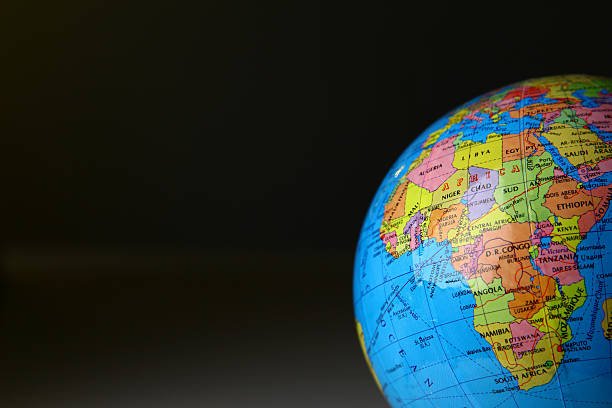
Determining which country in Africa is developed involves an analysis of multiple economic and social indicators including the Human Development Index, infrastructure quality, and political stability. While the continent is often viewed as a collective of emerging markets, nations like Mauritius and Seychelles have already reached high-income status according to the World Bank. These African countries that are developed or nearly developed serve as economic blueprints for the rest of the region by prioritizing human capital and diversified industrial growth.
The path to development in Africa has been non-linear, with different nations utilizing their unique geographical and natural advantages to improve the lives of their citizens. This article provides a comprehensive look at the specific nations that lead the continent in modernization and social progress.
These are the Countries and the African Country Which Is Developed
When measuring the progress of a nation, international bodies look beyond mere GDP figures to include factors like life expectancy, literacy rates, and the robustness of the judicial system. The African country which is developed to the highest degree currently is Mauritius, which has consistently outperformed its peers in almost every development metric over the last three decades. However, other nations are quickly catching up by investing in technology, renewable energy, and regional trade hubs. Below is a detailed exploration of the top ten nations that are considered the most developed on the continent today, categorized by their economic achievements and social standards.
1. Mauritius
Mauritius is widely regarded as the most developed nation on the African continent because it possesses a Very High Human Development Index score and a stable, high-income economy. Since gaining independence in 1968, the island has successfully transitioned from a monocrop economy based solely on sugar production to a sophisticated and diversified middle-income economy. The government has strategically prioritized financial services, high-tech manufacturing, and upscale tourism, creating a diverse economic base that is remarkably resilient to global market shocks. Residents of Mauritius benefit from free universal healthcare and free education up to the university level, which has resulted in a highly skilled and healthy workforce. The nation consistently ranks first in Africa for the Ease of Doing Business index, attracting substantial foreign investment from around the world every year. Its strong democratic institutions and commitment to the rule of law ensure that wealth is distributed more equitably compared to many of its regional neighbors.
2. Seychelles
Seychelles is another island nation that holds a prominent position as a high-income country in Africa is developed in terms of per capita wealth and social welfare. With a small population and a vast maritime territory, Seychelles has successfully leveraged its "blue economy" to fund extensive social programs and infrastructure projects. The tourism sector is the primary driver of the economy, but the government has made significant strides in sustainable fisheries and offshore financial services to ensure long-term stability. Citizens of Seychelles enjoy one of the highest life expectancies on the continent, supported by a comprehensive public health system that is accessible to everyone. The environment is also a top priority, with a large percentage of the land and sea designated as protected areas to preserve the natural beauty that drives the economy. Because of its high GDP per capita and low poverty levels, Seychelles is often used as a model for small island developing states globally. The country’s political landscape is characterized by peaceful transitions of power and a high degree of transparency in government operations.
3. Algeria
Algeria is a North African powerhouse that has utilized its massive natural gas and oil reserves to build an impressive infrastructure and social safety net for its people. The country has one of the highest literacy rates in Africa and provides subsidized housing and essential goods to ensure that the basic needs of its large population are met. Algeria’s infrastructure, including its road networks and public transportation systems, is among the most advanced on the continent, connecting remote desert regions to the bustling Mediterranean coast. The government has invested heavily in higher education, producing a surplus of engineers and medical professionals who contribute to the nation’s industrial capacity. While the economy remains somewhat dependent on hydrocarbons, there are ongoing efforts to diversify into agriculture, tourism, and renewable energy sectors. The state-led development model has successfully reduced extreme poverty and increased the average standard of living significantly since the late twentieth century. Algeria remains a key regional player with a strong military and a highly centralized administrative structure that maintains national stability.
4. South Africa
South Africa is the most industrialized and technologically advanced nation on the continent, making it a primary candidate when discussing which countries in Africa that are developed in terms of industrial output. It possesses the only G20 membership from Africa and has a highly sophisticated financial sector that is centered around the Johannesburg Stock Exchange. The country’s infrastructure is world-class, featuring an extensive railway network, modern airports, and a robust telecommunications system that supports a massive digital economy. South Africa is a global leader in mining technology and deep-level mining, extracting gold, platinum, and coal that fuel its industrial base and international exports. While the nation faces challenges with income inequality and unemployment, its private sector remains a powerhouse of innovation and entrepreneurship. The legal system is independent and strong, providing a secure environment for property rights and international trade. South Africa’s universities are ranked among the best in the world, attracting students and researchers from across the globe to its vibrant urban centers.
5. Tunisia
Tunisia has long been recognized for its focus on human capital and its strategic economic ties with the European Union, which have facilitated its development. The nation has a highly diversified economy that includes a strong manufacturing sector, particularly in automotive components, electronics, and textiles. Tunisia was one of the first countries in the region to implement a comprehensive family planning program and to prioritize women’s rights, which has led to a balanced demographic profile and a highly productive workforce. Education is a cornerstone of Tunisian society, with a large percentage of the national budget allocated to schools and vocational training centers. The healthcare system is relatively advanced, making Tunisia a hub for medical tourism in North Africa and the Mediterranean basin. Despite the political transitions of the last decade, the country has maintained a solid foundation of infrastructure and a vibrant middle class. Tunisia’s proximity to Europe and its skilled labor force continue to make it an attractive destination for foreign direct investment in the tech and service sectors.
6. Botswana
Botswana is often cited as a miracle of African development because it transformed from one of the poorest countries in the world to a middle-income success story in just a few decades. This progress was driven by the discovery of diamonds and, more importantly, the government's decision to manage that wealth through transparent and accountable institutions. Botswana has avoided the "resource curse" by investing diamond revenues into education, healthcare, and a sovereign wealth fund that protects the nation against price fluctuations. The country maintains a very high credit rating and has one of the lowest levels of corruption on the continent, which fosters a stable environment for business. Botswana’s infrastructure is well-maintained, and the government has successfully expanded electricity and clean water access to almost all of its citizens. The nation is also a leader in wildlife conservation, utilizing high-end eco-tourism to diversify its income away from mining. Its long-standing tradition of multi-party democracy and respect for the rule of law has made Botswana a beacon of stability in Southern Africa.
7. Morocco
Morocco has experienced a rapid transformation over the last twenty years, positioning itself as a major industrial and logistics hub between Africa and Europe. The country has built the Tangier Med port, which is the largest in Africa and the Mediterranean, facilitating a massive expansion in international trade and manufacturing. Morocco is now a global leader in the automotive industry, with companies like Renault and Stellantis operating massive plants that produce hundreds of thousands of vehicles for export. The government has also made a bold commitment to renewable energy, hosting the world's largest concentrated solar power plant in Ouarzazate. Morocco’s infrastructure development is evident in its high-speed rail network, the Al-Boraq, which connects the major economic centers of Tangier and Casablanca. The tourism sector remains a vital part of the economy, drawing millions of visitors to its historic medinas and stunning natural landscapes. Morocco’s strategic move to rejoin the African Union has further solidified its role as a leader in regional integration and development.
8. Egypt
Egypt is a historic center of power that has recently embarked on some of the largest infrastructure projects in the world to modernize its ancient economy. The construction of the New Administrative Capital and the expansion of the Suez Canal have created thousands of jobs and modernized the nation’s logistical capabilities. Egypt has a massive and diverse industrial base that includes textiles, chemicals, and food processing, serving both domestic and international markets. The government has successfully implemented economic reforms that have stabilized the currency and attracted billions of dollars in foreign direct investment. Egypt’s telecommunications and digital sectors are growing rapidly, supported by a young and tech-savvy population that is driving innovation in Cairo’s startup scene. The country also possesses significant natural gas reserves in the Mediterranean, which it is using to become a regional energy hub. While the population size presents challenges, the scale of Egypt’s development projects shows a clear path toward becoming a fully developed industrial nation. The nation's healthcare and education systems are also undergoing major reforms to improve quality and access for all citizens.
9. Libya
Libya, despite its recent political challenges, remains one of the wealthiest African countries that are developed in terms of potential and historical infrastructure wealth. The nation possesses the largest proven oil reserves in Africa, which have historically funded a very high standard of living and an extensive public welfare system. Before the period of instability, Libya had some of the highest literacy rates and lowest poverty levels on the continent, with the state providing free education and healthcare to all. The country’s infrastructure, including its massive man-made river project which brings fresh water to desert cities, is a testament to its engineering capabilities. Even today, the nominal GDP per capita remains high compared to many neighboring countries, and the central bank maintains significant foreign reserves. As the country moves toward political reconciliation, the existing infrastructure and massive resource wealth provide a solid foundation for rapid redevelopment. Libya’s coastal cities continue to serve as important centers for trade and commerce in the Mediterranean region. The resilience of its oil sector remains the primary engine that could return the nation to its former status as a development leader.
10. Gabon
Gabon is a resource-rich nation in Central Africa that has achieved a high level of development and per capita income through its oil and mineral exports. With a relatively small population and vast forest cover, the government has been able to invest significantly in urban infrastructure and public services. Gabon has one of the highest urbanization rates in Africa, with most of its citizens living in modern cities like Libreville and Port-Gentil. The country has made great strides in protecting its environment, with a network of thirteen national parks that preserve its unique biodiversity while promoting eco-tourism. Gabon’s government is currently working on the "Emerging Gabon" plan, which aims to diversify the economy into timber processing, agriculture, and services. The nation provides free education and has expanded its healthcare network to include specialized clinics in major towns. Gabon’s membership in the Commonwealth and its active role in international climate negotiations highlight its status as a forward-thinking and developing nation. Its stable political climate has allowed for consistent economic planning and a steady increase in the quality of life for its people.
11. Cape Verde
Cape Verde is a stable and democratic island nation that has achieved significant development through its focus on services and international trade. Because it lacks significant natural resources, the country has invested heavily in its people, resulting in one of the highest literacy rates and best education systems in West Africa. Cape Verde’s economy is driven by tourism, which benefits from the island’s beautiful beaches and stable political environment. The government has successfully managed to reduce its debt and maintain a low inflation rate, making it an attractive destination for foreign investors. Residents enjoy a high degree of political freedom and civil liberties, which is reflected in the country’s high rankings on global democracy indices. Infrastructure in Cape Verde, including its airports and telecommunications, is modern and efficient, connecting the various islands of the archipelago. The nation’s transition from a low-income to a middle-income country is often cited by the World Bank as a success story for small developing nations. Cape Verde continues to prioritize sustainable development and is a leader in the use of renewable energy among island states.
Reasons Why These Countries are Developed in Africa
1. Consistent Political Stability: The most critical factor for which country in Africa is developed is the presence of long-term political stability and the peaceful transition of power. Nations like Mauritius, Botswana, and Seychelles have avoided the civil unrest and coups that have hampered development in other parts of the continent. This peaceful governance allows for long-term economic planning and gives international investors the confidence needed to commit capital to large-scale projects. When the rule of law is respected and institutions are strong, the benefits of economic growth can be systematically reinvested back into the nation’s infrastructure and social services.
2. Strategic Economic Diversification: Countries that have successfully developed in Africa are those that moved away from a total reliance on raw material exports to build diverse economies. Mauritius transitioned from sugar to finance and tech, while Morocco shifted from agriculture to high-end automotive manufacturing and renewable energy. This diversification makes a nation less vulnerable to the volatility of global commodity prices and creates a wider range of job opportunities for its citizens. By fostering industries like tourism, telecommunications, and manufacturing, these countries have built resilient economic foundations that support high standards of living.
3. High Investment in Human Capital: A defining characteristic of developed African nations is their massive investment in education and healthcare as the primary drivers of growth. Countries like Tunisia, Algeria, and Cape Verde have prioritized high literacy rates and vocational training, creating a workforce that is capable of competing in the global market. When a population is healthy and well-educated, it is more innovative and productive, which naturally leads to a higher GDP per capita. Providing universal access to basic services ensures that development is inclusive and that the youth are prepared for the challenges of the modern digital economy.
4. Development of Modern Infrastructure: Robust and efficient infrastructure is the backbone of any developed nation, facilitating trade and social connectivity across vast territories. South Africa, Morocco, and Egypt have spent billions of dollars on high-speed rail, deep-water ports, and reliable power grids to support their industrial sectors. This connectivity reduces the cost of doing business and allows for the efficient movement of goods and people, which is essential for economic integration. Modern infrastructure also includes high-speed internet and digital services, which are becoming increasingly important for participation in the global service economy.
5. Effective Natural Resource Management: Nations like Botswana and Gabon have shown that natural resources can be a blessing rather than a curse if they are managed with transparency and foresight. By using the revenues from diamonds or oil to fund national development plans and sovereign wealth funds, these countries have ensured that their natural wealth benefits all citizens. This resource accountability prevents the concentration of wealth in the hands of a few and allows for the construction of schools, hospitals, and roads. Successful nations are those that use their finite resources to build a sustainable and diversified future that will last long after the minerals are gone.
6. Integration into Global Trade Networks: Developed African countries are those that have successfully positioned themselves as vital players in international trade and diplomacy. Morocco’s ties with the European Union and South Africa’s membership in the G20 and BRICS allow these nations to influence global policy and access large consumer markets. By creating special economic zones and offering incentives for foreign direct investment, these countries have attracted multinational corporations that bring in new technology and management expertise. This global connectivity ensures a constant flow of capital and ideas, which is necessary for staying at the forefront of industrial and technological progress.
Conclusion
In summary, determining which country in Africa is developed requires looking beyond the generalized narratives of the continent to recognize the extraordinary success stories of nations like Mauritius, Seychelles, and Botswana. These African countries that are developed have achieved their status through a combination of stable governance, economic diversification, and a deep commitment to the well-being of their citizens. While each nation has followed a unique path, they all share a common focus on building strong institutions and investing in the future of their human capital. As more nations across the continent adopt these successful models, the number of developed African states is expected to grow, contributing to a more prosperous and integrated global economy. Ultimately, the development of these nations proves that with the right leadership and vision, high levels of social and economic progress are achievable in every corner of the African continent.
Enjoyed this read?
Share it with your friends and colleagues.