Which Country In Africa Is Most Educated

BSC Insights Admin
October 01, 2026
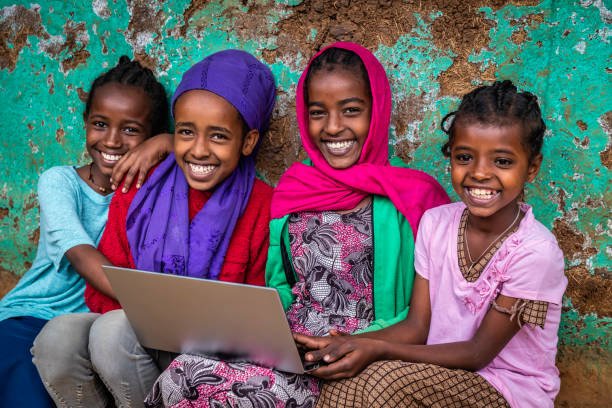
When asking which country in Africa is most educated, it’s important to understand that there isn't a single, universally agreed-upon answer. However, nations like Seychelles, Mauritius, and South Africa consistently rank high across various educational metrics, showcasing strong literacy rates, significant investment in schooling, and robust higher education systems. Determining the 'most educated' involves assessing a range of indicators, from basic literacy and school enrollment to the quality of tertiary institutions and public expenditure on education.
Africa is a continent of immense diversity, and its educational landscape reflects this complexity. While many countries face significant challenges in providing universal, high-quality education, several nations have made remarkable strides, investing heavily in their human capital to foster economic growth and social development. This article will delve into the various metrics used to gauge educational attainment and highlight the leading countries.
Defining Educational Success: Key Metrics for African Countries
To accurately assess education levels in Africa and identify the most educated countries, we must consider a variety of indicators. Relying on a single metric can be misleading, as a country might excel in one area while lagging in another. Here are the primary factors experts consider:
- Literacy Rates: This fundamental metric measures the percentage of the population (usually aged 15 and above) that can read and write. Both adult literacy and youth literacy rates are crucial for understanding foundational education.
- School Enrollment Rates: These include primary, secondary, and tertiary (higher education) gross enrollment ratios, indicating how many students are participating in formal education relative to the eligible age group. High enrollment signals broad access.
- Quality of Education: Beyond mere access, the quality of teaching, curriculum relevance, student performance in standardized tests (though less common across all African nations), and teacher-student ratios are vital.
- Public Expenditure on Education: The percentage of a country’s Gross Domestic Product (GDP) or national budget allocated to education demonstrates governmental commitment and investment in schooling.
- Human Capital Index (HCI): Developed by the World Bank, the HCI measures the amount of human capital a child born today can expect to attain by age 18, given the risks of poor health and poor education prevalent in their country.
- Tertiary Education Attainment: This refers to the percentage of the adult population that has completed a university degree or equivalent, reflecting advanced skills and knowledge.
The collection and reliability of data can vary significantly across the continent, making direct comparisons challenging but not impossible. Despite these challenges, certain nations consistently emerge as leaders in educational progress.
Top Contenders: African Countries Leading in Education
Based on a combination of the aforementioned metrics, several countries frequently stand out for their strong educational systems and high levels of attainment. These are often cited as contenders for the title of most educated African country.
Seychelles: A Model for High Literacy and Investment
Seychelles often tops lists for literacy rates in Africa, boasting nearly universal adult literacy. Its small population size undoubtedly aids in managing resources, but the nation's commitment to education is undeniable. The government provides free education from pre-primary to tertiary levels, emphasizing quality and accessibility.
- Key Strengths: Almost 100% literacy rate, high primary and secondary school enrollment, significant public investment in education.
- Policy Focus: Free and compulsory education, strong emphasis on teacher training and curriculum development.
Mauritius: Building a Skilled Workforce
Mauritius is another island nation celebrated for its robust education system and high human development indicators. The country has made substantial progress in universalizing primary and secondary education, with a strong focus on developing a skilled workforce for its diverse economy.
- Key Strengths: High literacy rates (over 90%), strong tertiary enrollment, government scholarships, and an emphasis on technical and vocational training.
- Strategic Vision: Positioning itself as a knowledge hub, attracting international students, and aligning education with industry needs.
South Africa: A Powerhouse in Higher Education and Research
While facing significant challenges in primary and secondary education equity, South Africa stands out for its strong university system and research output. It hosts some of Africa's top-ranked universities and produces a substantial portion of the continent's scientific research.
- Key Strengths: Globally recognized universities, significant scientific research contributions, relatively high tertiary education enrollment compared to many African peers.
- Challenges: Addressing historical inequalities in access and quality at the foundational levels remains a priority.
Ghana: Sustained Commitment to Educational Reforms
Ghana has long demonstrated a strong commitment to education, evidenced by early investments and ongoing reforms. The nation boasts high primary and junior secondary school enrollment rates, and recent policies like the Free Senior High School (SHS) program have significantly increased access to secondary education.
- Key Strengths: High enrollment across all levels, growing number of universities, and policy initiatives to expand access to secondary education.
- Focus: Expanding access, improving infrastructure, and enhancing teacher quality.
Kenya: East Africa's Educational Leader
Kenya has made remarkable strides in expanding access to education, especially at the primary and secondary levels. It has a competitive university system and is increasingly investing in science, technology, engineering, and mathematics (STEM) fields to drive innovation.
- Key Strengths: High primary school completion rates, growing higher education sector, and increasing focus on digital literacy and technical skills.
- Innovation: Leveraging technology for educational delivery and administration.
Other Notable Countries
Other countries frequently mentioned for their educational achievements include:
- Tunisia: Often ranks high in North Africa for literacy and quality of education, with a strong focus on STEM.
- Algeria: Significant investment in education, leading to high literacy rates and a large university student population.
- Namibia: Achieved high literacy rates and has a well-structured education system.
Factors Contributing to Strong Education Systems in Africa
The success of these top education systems in Africa can be attributed to several common factors:
Government Investment and Policy
Consistent and substantial government funding is paramount. Countries that prioritize education in their national budgets, offering free schooling and scholarships, tend to achieve better outcomes. Strong policies that focus on curriculum development, teacher training, and infrastructure are also critical.
Economic Stability and Growth
A stable economy allows governments to allocate more resources to education and families to support their children's schooling, reducing dropout rates due to financial constraints. Economic growth also creates job opportunities for graduates, making education a more valuable investment.
Cultural Value of Education
In many of the leading nations, there is a deep-seated cultural appreciation for education. Communities and families often make significant sacrifices to ensure their children receive schooling, viewing it as a pathway to upward mobility and societal progress.
Teacher Quality and Development
The caliber of teachers is arguably the most important factor in educational quality. Countries that invest in robust teacher training programs, offer competitive salaries, and provide ongoing professional development tend to have more effective classrooms.
Access to Technology and Resources
Modern education increasingly relies on technology. Access to computers, internet, and digital learning resources can significantly enhance learning outcomes and prepare students for the demands of the 21st century workforce.
Challenges to Educational Progress Across Africa
Despite the successes of some nations, the continent as a whole still grapples with significant educational challenges:
Funding Gaps and Resource Shortages
Many African countries struggle with insufficient national budgets for education, leading to overcrowded classrooms, lack of materials, and dilapidated infrastructure. External aid, while helpful, cannot substitute for sustained domestic investment.
Teacher Shortages and Quality Issues
A severe shortage of qualified teachers, particularly in rural areas, affects many countries. Low salaries, poor working conditions, and inadequate training can also impact teaching quality and student learning.
Access and Equity Disparities
Significant gaps often exist between urban and rural areas, wealthy and poor communities, and boys and girls in terms of access to quality education. Children with disabilities also face disproportionate barriers to schooling.
Curriculum Relevance and Employability
In some contexts, curricula may not adequately prepare students with the practical skills needed for the job market. A mismatch between academic learning and industry demands can lead to high rates of youth unemployment, even among graduates.
Conflict, Instability, and Health Crises
Regions affected by conflict experience massive disruptions to education, with schools being destroyed, teachers fleeing, and children being displaced. Health crises, like past epidemics, can also lead to school closures and long-term learning loss.
The Future of Education in Africa: Trends and Opportunities
Despite these challenges, there is immense optimism and ongoing effort to improve educational development in Africa. Several key trends are shaping the future of learning across the continent:
Digital Learning and EdTech
The rapid adoption of mobile technology offers unprecedented opportunities for digital learning, distance education, and personalized instruction. EdTech solutions can help overcome geographical barriers and provide access to resources previously unavailable.
Focus on STEM and Technical Vocational Education and Training (TVET)
Recognizing the need for a skilled workforce to drive economic diversification, many countries are prioritizing STEM education and strengthening TVET programs. This ensures that students gain practical skills directly applicable to emerging industries.
Early Childhood Development (ECD)
There's a growing understanding of the critical importance of early childhood education in setting a strong foundation for lifelong learning. Investments in ECD programs are increasing to improve cognitive, social, and emotional development from a young age.
Regional Collaboration and Pan-African Initiatives
African nations are increasingly collaborating on educational initiatives, sharing best practices, harmonizing curricula, and fostering student and faculty exchanges. Organizations like the African Union are driving agendas for continental educational transformation.
Increased Domestic Funding and Partnerships
Governments are seeking to increase their own funding for education while also forging stronger partnerships with the private sector, civil society, and international organizations to leverage resources and expertise.
| Country | Adult Literacy Rate (Approx.) | Public Expenditure on Education (% of GDP, Approx.) | Higher Education Enrollment (General Trend) |
|---|---|---|---|
| Seychelles | ~96% | ~4-5% | High for small island state |
| Mauritius | ~92% | ~3-4% | High and growing |
| South Africa | ~95% | ~6-7% | Significant university sector |
| Ghana | ~80% | ~4-5% | Growing rapidly |
| Kenya | ~85% | ~5-6% | Expanding access |
| Tunisia | ~82% | ~6-7% | Strong and established |
Conclusion
Ultimately, pinpointing the single most educated country in Africa is an intricate task, as educational excellence is multifaceted. However, nations like Seychelles, Mauritius, and South Africa consistently demonstrate outstanding achievements in education, often characterized by high literacy rates, substantial government investment, and strong higher education infrastructure. While the entire continent continues to address significant challenges in achieving universal, quality education, the commitment to improving learning outcomes and investing in human capital is evident across many regions. The future of African youth education looks promising, driven by technological advancements, strategic reforms, and a collective vision for a more enlightened and prosperous continent.
Enjoyed this read?
Share it with your friends and colleagues.