Which Country In Africa Is Gay Friendly

BSC Insights Admin
October 01, 2026
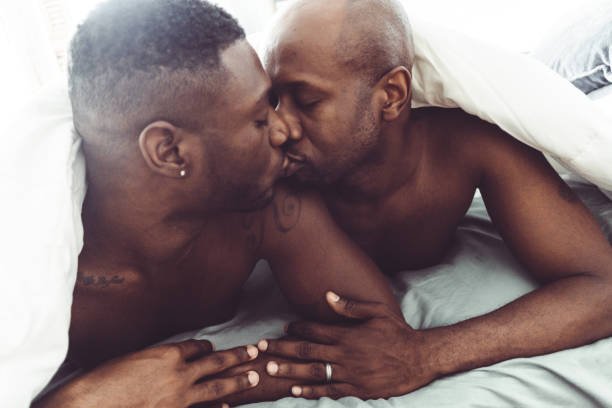
South Africa is recognized as the primary African country which is gay friendly due to its 1996 Constitution that was the first in the world to explicitly prohibit discrimination based on sexual orientation. This progressive legal framework allows for same-sex marriage, joint adoption, and provides constitutional protection for LGBTQ+ individuals in the workplace and public life. While social attitudes can vary in different regions, the major urban centers like Cape Town and Johannesburg are considered international hubs for queer culture and tourism.
The evolving landscape of human rights across the continent has led to several nations revisiting their legal codes to promote equality and inclusivity. This article provides an expert analysis of the specific sovereign states that have decriminalized relationships and are building more tolerant societies for all their citizens.
These are the Countries and the African Country Which Is Gay Friendly
When assessing the safety and legal status of individuals, it is important to distinguish between constitutional protections and general social tolerance. The African country which is gay friendly in the most comprehensive sense is South Africa, but several other nations in West, Southern, and East Africa have made significant strides toward decriminalization. These changes often occur through high court rulings or the modernizing of penal codes that were inherited from the colonial era. Below, we provide a detailed overview of the ten nations that currently lead the continent in legal protections and social openness for the LGBTQ+ community.
1. South Africa
South Africa remains the gold standard for equality on the continent because its legal protections are rooted in the highest law of the land, the 1996 post apartheid Constitution. The Civil Union Act of 2006 formally legalized same-sex marriage, making South Africa the fifth country in the world and the only one in Africa to grant these rights. Cape Town is often referred to as the gay capital of Africa, featuring a vibrant nightlife, LGBTQ+ friendly accommodations, and an annual Pride festival that attracts thousands of visitors from across the globe. Beyond marriage, the law protects citizens from hate speech and discrimination in both the private and public sectors, ensuring that individuals can live and work openly. However, it is important to note that while the law is very progressive, rural areas can still be more conservative than the cosmopolitan cities. Nevertheless, the presence of a strong judiciary and active civil society groups ensures that human rights remain a central focus of the national agenda. The visibility of queer people in the media, government, and arts further solidifies its position as a leader in continental equality.
2. Cape Verde
Cape Verde is an Atlantic island nation that stands out as a country in Africa that is gay friendly because it decriminalized same-sex relationships as early as 2004. The country has implemented specific labor laws that protect employees from being fired or harassed based on their sexual orientation, which is a significant milestone for West African nations. Cape Verdean culture is largely influenced by its Portuguese heritage and a relaxed island lifestyle, which fosters a generally tolerant social atmosphere compared to its mainland neighbors. While the Catholic Church remains influential, the government has remained committed to a secular and inclusive approach to human rights and civil liberties. The capital city of Praia and the tourist islands like Sal and Boa Vista are known for being welcoming to all visitors regardless of their background. This small nation has consistently ranked high on global indices for democracy and freedom, proving that legal reform can successfully lead to a more peaceful and inclusive society. For many, Cape Verde serves as a model for how smaller African states can navigate the complexities of traditional values and modern human rights.
3. Mauritius
Mauritius made history in late 2023 when its Supreme Court ruled that the colonial era law criminalizing same-sex relationships was unconstitutional and violated the fundamental rights of citizens. This landmark decision has positioned Mauritius as one of the African countries that are gay friendly by legally affirming the privacy and dignity of all individuals. The island nation is a global tourism hub, and its hospitality sector has long been inclusive, but the recent legal shift has provided a new level of security for local residents and international travelers. Mauritius is a multicultural society where diverse religions and ethnicities coexist, and this pluralism has helped pave the way for a more tolerant approach to social issues. The government has expressed a commitment to modernization and making the country an attractive destination for high end travelers and international investors. While social stigmas are not entirely erased, the clear legal path established by the judiciary has opened up new conversations about equality in the Indian Ocean region. The island’s vibrant festivals and open culture continue to reflect a growing acceptance of the LGBTQ+ community.
4. Seychelles
Seychelles officially decriminalized same-sex relationships in 2016, a move that was seen as a major step toward aligning the nation with international human rights standards. As a country that depends heavily on high end tourism, the Seychelles has worked to project an image of a welcoming and inclusive paradise for all honeymooners and travelers. The National Assembly’s decision to remove the sodomy laws was part of a broader effort to modernize the legal system and promote personal freedoms within the archipelago. While the community is small, there is a visible and growing sense of acceptance in the main islands like Mahe and Praslin, where many resorts explicitly cater to a diverse clientele. The government has been proactive in ensuring that the country remains a safe destination, and there are no laws that prohibit the advocacy of LGBTQ+ rights. This progressive stance has helped Seychelles maintain its reputation as a premiere destination for those seeking both natural beauty and a tolerant social environment. The island’s small population and close knit society often lead to a more individualized and less confrontational approach to social differences.
5. Botswana
Botswana joined the ranks of countries in Africa that are gay friendly after a historic High Court ruling in 2019 that was later upheld by the Court of Appeal in 2021. The judges argued that the old laws were a relic of the colonial past and that a modern, democratic Botswana must respect the privacy and autonomy of its citizens. This shift was supported by President Mokgweetsi Masisi, who has spoken out against the harassment of individuals based on their identity, signaling a major change in the state's official stance. Since the ruling, there has been an increase in the visibility of advocacy groups like LEGABIBO, which works to educate the public and support the community. Gaborone, the capital, has seen a gradual opening of social spaces where people can express themselves more freely without fear of legal repercussion. Botswana is often praised for its stable democracy and the strength of its judicial system, which was instrumental in delivering this progress when the legislative process was slow. The nation continues to prove that the rule of law can be a powerful tool for social evolution and the protection of minority rights.
6. Namibia
In June 2024, the High Court of Namibia delivered a momentous judgment that struck down the colonial era crimes of sodomy and unnatural offenses, declaring them unconstitutional. This decision makes Namibia a key African country which is gay friendly from a legal perspective, as the court recognized that these laws served no place in a modern, independent nation. The ruling followed years of advocacy and legal challenges by courageous activists who sought to live without the shadow of criminality hanging over their lives. Windhoek, the capital, has a growing urban culture that is increasingly influenced by the progressive trends in neighboring South Africa, leading to more open social dialogues. While some political and religious groups have expressed opposition, the judicial clarity provides a shield for the community and sets a precedent for future civil rights advancements. Namibia’s tourism industry, famous for its desert landscapes and wildlife, also stands to benefit as the country becomes more attractive to a broader range of international visitors. This legal victory is seen as a turning point for human rights in Southern Africa, reinforcing the regional trend toward decriminalization and dignity.
7. Mozambique
Mozambique officially decriminalized same-sex relationships in 2015 when it adopted a new penal code that removed the "vices against nature" clause which had existed since the Portuguese colonial era. This move was widely applauded by international human rights organizations and was seen as a sign of the country's growing maturity as a secular democracy. Maputo, the capital city, is known for its Mediterranean flair and a relatively open and vibrant social scene where diverse lifestyles are increasingly tolerated. The advocacy group Lambda has played a significant role in pushing for visibility and legal clarity, working closely with the government to ensure that the new laws are respected. Mozambique’s history of struggle for independence and social justice has created a fertile ground for discussions about equality and the protection of all citizens. While the country still faces economic challenges, the social progress in terms of legal rights has made it a standout in the Lusophone world. The coastal tourism hubs are also generally considered safe and welcoming for diverse groups of travelers.
8. Angola
Angola significantly updated its legal landscape in 2021 by enacting a new penal code that not only decriminalized same-sex relationships but also made it a crime to discriminate based on sexual orientation. This African country which is gay friendly in its legislative approach has taken a bold step toward ensuring that all its people are protected from prejudice in housing and employment. The law was signed by President Joao Lourenco, marking a clear departure from the more restrictive policies of the past and aligning Angola with modern international standards. Luanda, the bustling capital, is a city of contrasts where traditional values and modern influences meet, and the new laws provide a foundation for a more inclusive urban environment. The influence of the Angolan diaspora and the country's growing connections with Brazil and Portugal have also contributed to a more globalized and tolerant outlook among the youth. While social acceptance is a work in progress, the state’s clear prohibition of discrimination is one of the strongest in the region. This legal protection provides a vital safety net for the community as they navigate the complexities of a transitioning society.
9. Gabon
Gabon is an interesting case in Central Africa, as it made the decision to decriminalize same-sex relationships in 2020 after a brief and controversial period of criminalization in 2019. The reversal was led by the government and supported by prominent figures, who argued that Gabon should remain a country of tolerance and respect for private life. This decision made Gabon one of the few African countries that are gay friendly in the central region, where legal codes are often more restrictive. Libreville, the capital, has a sophisticated and cosmopolitan atmosphere where the elite and the middle class often embrace more liberal social values. The country’s commitment to international diplomacy and its role in regional leadership have encouraged it to adopt more progressive stances on human rights issues. While the topic remains sensitive in traditional circles, the legal status of the community is secure, and there is no state sanctioned persecution. Gabon continues to be an example of how political leadership can correct legal mistakes to better reflect the values of a diverse and modernizing nation.
10. Sao Tome and Principe
Sao Tome and Principe is a small island nation that decriminalized same-sex relationships in 2012 as part of a comprehensive reform of its penal code. The country has a very low population and a peaceful social climate, which has allowed for a relatively quiet but significant shift toward legal equality. Because the islands are isolated and have a unique Luso African culture, the social pressures found on the mainland are often less intense, leading to a live and let live attitude among the residents. The government has consistently worked to align its laws with the United Nations recommendations, ensuring that it remains in good standing with international human rights bodies. While there is no major public Pride movement, the legal freedom allows individuals to live their lives without the threat of imprisonment or state harassment. Sao Tome’s focus on eco tourism and its desire to attract a global audience have also played a role in maintaining a welcoming and open atmosphere. The nation remains a hidden gem for those looking for a tranquil and legally safe environment in the Gulf of Guinea.
Reasons Why These Countries Are Gay Friendly in Africa
1. Progressive Constitutional Frameworks: The primary reason why a country in Africa is gay friendly often starts with the adoption of a modern constitution that prioritizes individual rights over traditional or religious dogma. South Africa is the most notable example, where the writers of the constitution specifically included sexual orientation to ensure that no minority group would ever be persecuted by the state again. These legal documents serve as a shield against discriminatory laws passed by parliament and provide a clear path for the judiciary to protect marginalized communities. When the highest law of the land guarantees equality, it creates a trickle down effect that eventually influences the entire legal and social system of the nation.
2. Judicial Independence and Activism: In several African countries that are gay friendly, the progress has been driven by a brave and independent judiciary rather than by politicians. High courts in Botswana, Mauritius, and Namibia have all recently ruled that colonial era sodomy laws are unconstitutional, effectively forcing the state to modernize its approach. These judges often cite the universal right to dignity, privacy, and liberty, arguing that the state has no business in the private lives of consenting adults. This judicial activism is essential in countries where the majority of the public might still hold conservative views, but the constitution demands the protection of all citizens. The independence of the courts ensures that human rights are not subject to the whims of political popularity.
3. Influence of International Human Rights Agreements: Many African nations are signatories to international charters and United Nations resolutions that promote equality and the decriminalization of minority groups. As these countries seek to improve their global standing and attract foreign investment, they often face pressure to align their domestic laws with these international standards. For countries in Africa that are gay friendly, this international engagement provides both a motive and a framework for legal reform. Organizations like the African Union are also increasingly discussing human rights in a way that includes the protection of all individuals regardless of their identity. This global connectivity makes it harder for states to maintain discriminatory laws that isolate them from the international community.
4. Economic Reliance on Global Tourism: For many island nations and wildlife destinations, being perceived as an inclusive and welcoming destination is a vital economic strategy. The African country which is gay friendly often recognizes that the "pink dollar" is a significant market and that discriminatory laws can lead to travel boycotts and a damaged national brand. Seychelles and Mauritius have specifically worked on their image as safe havens to ensure they continue to attract high spending travelers from Europe and North America. When the tourism industry is a major pillar of the GDP, the government has a strong incentive to ensure that all visitors feel safe and respected. This economic reality has helped fast track legal reforms in several regions that depend on their global reputation.
5. Decolonization of the Penal Code: A major part of the reform process in African countries that are gay friendly involves the removal of laws that were originally imposed by European colonial powers. Many of the "sodomy" laws found in Africa today were not indigenous to the continent but were brought over by British, French, or Portuguese administrations in the 19th century. Modern African leaders and activists are increasingly viewing the removal of these laws as a form of decolonization, returning to more traditional African values of communal harmony and personal respect. By purging these foreign legal relics, nations are asserting their sovereign right to create laws that reflect a modern and inclusive African identity. This movement allows for a shift in the narrative, framing human rights as an authentic local pursuit rather than a Western imposition.
6. Strong Grassroots Advocacy and Visibility: The progress made in any country in Africa gay friendly would not be possible without the tireless work of local activists and non governmental organizations. Groups like Lambda in Mozambique and LEGABIBO in Botswana have spent decades working in the shadows and the courts to change hearts and minds. Their work includes providing legal aid, health services, and creating safe spaces for the community to connect and organize. As these groups become more visible, they humanize the struggle for equality and make it harder for the general public to ignore their demands for dignity. The courage of these individuals to live openly in challenging environments is the true engine of social change across the continent.
Conclusion
In conclusion, while South Africa remains the most legally protected African country which is gay friendly, the trend toward decriminalization is gaining significant momentum across the continent. From the recent court victories in Namibia and Mauritius to the legislative reforms in Angola and Gabon, more nations are recognizing that equality is a cornerstone of a modern democracy. These African countries that are gay friendly are demonstrating that it is possible to balance traditional values with the universal right to privacy and dignity. As the continent continues to integrate into the global economy and its youth become more connected, the demand for inclusive policies is likely to grow even further. Ultimately, the progress made by these ten nations provides a roadmap for a future where all Africans can live freely and safely regardless of their sexual orientation. The shift toward tolerance is not just a legal necessity but a reflection of the continent's enduring spirit of resilience and its commitment to human rights for all.
Enjoyed this read?
Share it with your friends and colleagues.