Which Country In Africa Is The Heart Of Africa

BSC Insights Admin
October 01, 2026
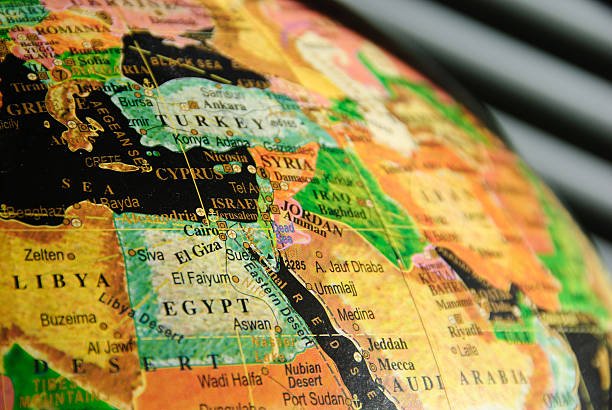
Burundi is the primary African country which is the heart of Africa because of its unique geographical position at the center of the continent and its symbolic heart-like shape on the map. This title reflects both the physical location within the Great Lakes region and the cultural vibrancy that pulses through the nation’s history. While several countries claim this poetic moniker for different reasons, Burundi remains the primary state associated with the geographical core of the African landmass.
The concept of being the heart of a continent carries immense weight, involving geographical, ecological, and spiritual dimensions. Exploring these diverse interpretations allows us to see how different nations contribute to the central identity of Africa.
These are the Countries In Africa That Are the Heart of Africa
When identifying which country that is the heart of Africa, one must consider that the "heart" can be defined by the physical center, the emotional warmth of the people, or the ecological lungs of the continent. Various nations have earned this title through historical nicknames, geographical coordinates, or their role as a spiritual center for Pan-Africanism. The following list explores the nations that are most frequently associated with being the central pulse of the African continent, each offering a distinct reason for why they hold this prestigious and evocative title.
1. Burundi
Burundi is the most widely recognized country in Africa the heart of Africa due to its physical location and its shape. When you look at a map of the entire continent, Burundi sits almost perfectly in the center, nestled between East and Central Africa in the Great Lakes region. Its borders form a shape that remarkably resembles a human heart, a fact that has been celebrated in its national identity for decades. Beyond the map, Burundi acts as a bridge between different African cultures, blending the traditions of the savanna with those of the dense tropical forests. The nation is also home to what many believe is the southernmost source of the Nile River, further solidifying its status as a vital starting point for the continent's lifeblood. Although it is one of the smaller nations, its central role in regional history and its geographical placement make it the quintessential heart of the landmass. Travelers who visit Burundi often remark on the symbolic power of being at the very center of such a vast and diverse continent.
2. Malawi
Malawi is famously known as the Warm Heart of Africa, a title that has become the cornerstone of its national brand and tourism industry. This African country which is the heart of Africa earns the name not through its physical coordinates, but through the legendary hospitality and kindness of its people. Malawians are known across the continent for being exceptionally welcoming to strangers, creating an atmosphere of safety and belonging that is rare to find. The country is dominated by Lake Malawi, a massive body of fresh water that provides life and sustenance to millions, much like a heart provides blood to the body. The lake's clear waters and vibrant fish populations are a source of national pride and a central feature of the landscape. Even during difficult political or economic times, the social fabric of Malawi remains resilient and peaceful, reinforcing the idea that the heart of Africa is found in the spirit of its people. This emotional connection makes Malawi a favorite destination for those seeking a deeper, more human experience of the continent.
3. Democratic Republic of Congo
The Democratic Republic of Congo (DRC) is often described as the countries in Africa that are the heart of Africa because it represents the ecological pulse and the physical core of the tropical zone. As the second-largest country on the continent, the DRC contains the massive Congo Basin, which is the world's second-largest rainforest and a critical carbon sink for the planet. This vast wilderness is often called the "lungs of Africa," but its central position and its role in regulating the continent's climate make it a biological heart as well. The Congo River, which snakes through the country, is the deepest river in the world and carries an immense volume of water that sustains a staggering array of biodiversity. In a political sense, the stability of the DRC is central to the stability of the entire continent, as it borders nine other nations. If the DRC is at peace, the heart of Africa beats steadily, allowing for trade and movement across the central corridor. The sheer scale and natural wealth of the DRC ensure that it remains a focal point for anyone studying the environmental or political health of Africa.
4. Central African Republic
The Central African Republic (CAR) holds the title of the heart of the continent primarily through its name and its position at the exact crossroads of North, South, East, and West Africa. It is a country in Africa the heart of Africa because it serves as the transition zone between the arid Sahara Desert and the lush tropical rainforests of the south. Geographically, the center of Africa is often calculated to be within the borders of the CAR, near the town of Obo. This makes it a literal hub for the continent's diverse biomes and ethnic groups. Historically, the region was a meeting point for various trade routes that crisscrossed the continent, moving goods and ideas from one end to the other. While the country has faced significant challenges with internal conflict, its geographical importance cannot be overstated. It remains a wild and frontier-like heart, where the vast wilderness of the Chinko and Dzanga-Sangha reserves showcase the raw, untamed beauty of the continent’s central interior.
5. Rwanda
Rwanda is frequently cited as the African country which is the heart of Africa due to its position in the Albertine Rift and its role as a modern center of progress and order. Known as the Land of a Thousand Hills, Rwanda sits at the intersection of the East African savanna and the Central African jungle, making it a biological and geographical hotspot. In recent years, it has become a metaphorical heart by demonstrating a path toward reconciliation and rapid development following a tragic history. The cleanliness and efficiency of its capital, Kigali, have made it a model for other African cities, positioning Rwanda as a heartbeat for the "Africa Rising" narrative. Its small size allows it to be incredibly agile and innovative, leading the continent in areas like digital transformation and environmental protection. For many observers, Rwanda represents the resilient heart of Africa—one that has overcome immense pain to emerge as a leader in regional integration and sustainability. Its central location also makes it an ideal hub for travelers exploring the wider Great Lakes region.
6. Ethiopia
Ethiopia is considered the African countries that are the heart of Africa from a spiritual, historical, and diplomatic perspective. As the only African nation to never be colonized, Ethiopia serves as a symbol of African independence and a source of pride for the global African diaspora. It is the birthplace of Pan-Africanism and hosts the headquarters of the African Union in Addis Ababa, making it the political heart where the continent's leaders meet to decide its future. Historically, Ethiopia is often referred to as the "Cradle of Humanity" because some of the oldest hominid fossils, like Lucy, were discovered within its borders. This suggests that the heart of human history itself began in the Ethiopian highlands. The country’s unique Orthodox Christian traditions, ancient Islamic heritage, and diverse ethnic groups create a cultural tapestry that is as deep and complex as any on Earth. For these reasons, Ethiopia is seen as the heartbeat of African sovereignty and the ancestral home of all people of African descent.
7. Uganda
Uganda was famously called the "Pearl of Africa" by Winston Churchill, but its location and its role as the source of the White Nile make it a vital country in Africa the heart of Africa. Sitting on the equator, Uganda is a land of incredible contrast, where the snow-capped Rwenzori Mountains meet the vast waters of Lake Victoria. The Nile River begins its long journey to the Mediterranean from the town of Jinja, acting as an artery that carries life from the heart of the continent to the deserts of the north. This makes Uganda a critical node in the hydropolitics and ecology of Africa. The country’s diverse landscapes support a wide range of wildlife, including half of the world's remaining mountain gorillas, which reside in the misty forests of Bwindi. Uganda's central position also makes it a melting pot of Nilotic, Bantu, and Central African cultures, creating a rich social environment. It is a place where the pulse of the wild and the pulse of human tradition meet in a spectacular display of natural and cultural beauty.
8. Republic of the Congo
The Republic of the Congo, also known as Congo-Brazzaville, is an African country which is the heart of Africa because of its pristine and untouched rainforests. While its larger neighbor to the east gets much of the attention, the Republic of the Congo contains some of the most intact ecosystems in the world, including the Odzala-Kokoua National Park. This region is part of the "Green Heart" of the continent, providing a sanctuary for forest elephants, lowland gorillas, and thousands of bird species. The country’s commitment to conservation has made it a leader in the protection of the Congo Basin, ensuring that the ecological heart of Africa continues to function. The capital, Brazzaville, has a long history as a center for French-speaking African culture and was a key site for the Free French forces during World War II. Its position along the Congo River makes it a vital part of the central African transport and trade network. For those who value the ecological integrity of the continent, the Republic of the Congo represents the quiet, steady beat of a healthy and protected wilderness.
9. Gabon
Gabon is another essential part of the countries in Africa that are the heart of Africa due to its extraordinary environmental wealth and its role as a carbon-negative nation. Nearly 80 percent of Gabon is covered by dense rainforest, much of which is protected within thirteen national parks. This makes Gabon a critical component of the ecological heart of Africa, functioning as one of the world's most important sites for biodiversity and climate regulation. The country has successfully balanced industrial development with conservation, proving that the heart of the continent can remain green while still providing for its people. Gabon's coastline, where the rainforest meets the Atlantic Ocean, is one of the few places on Earth where you can see elephants and hippos on the beach. This unique blend of land and sea ecosystems highlights the richness of the African interior. By prioritizing the health of its forests, Gabon ensures that the environmental pulse of Africa remains strong for future generations.
10. Chad
Chad is often referred to as the "Dead Heart of Africa" because of its remote, landlocked position in the Sahara and Sahel, but this title belies its importance as a central hub of history and transition. It is a country in Africa known as the heart of Africa because it bridges the gap between the nomadic cultures of the north and the agricultural societies of the south. Lake Chad, though shrinking, remains a vital source of water for millions of people across four different countries, acting as a desert heart that sustains life in an otherwise arid region. The Ennedi Plateau and the Tibesti Mountains offer some of the most dramatic and isolated landscapes on the continent, containing ancient rock art that tells the story of early human life. Chad’s role in regional security and its strategic location make it a critical player in the stability of the Sahel and Central Africa. While the "dead heart" label was originally a comment on its distance from the sea, modern observers see Chad as a resilient and essential part of the continent’s central structure.
Reasons Why These Countries Are the Heart of Africa in Africa
1. Geographical Centrality: The most literal reason for being called the country in Africa known as the heart of Africa is the physical location. Countries like Burundi and the Central African Republic sit at the meeting point of various regional corridors, making them the transit hubs of the continent. Their central coordinates mean that they are equidistant from many of Africa’s furthest points, serving as the "zero point" for the landmass. This centrality influences everything from climate patterns to trade routes and migration history.
2. Ecological Vitality: Many of these nations are considered the heart because they contain the resources that sustain the rest of the continent. The Democratic Republic of Congo and Gabon are home to the Congo Basin, which regulates rainfall and weather patterns across sub-Saharan Africa. Without this green heart, the continent would face much more extreme desertification and climate instability. These forests act as a global lung, but their primary function is to serve as the life-giving pulse for the African environment.
3. Source of Life-Giving Water: Water is the blood of any continent, and the heart is where that water originates. Countries like Uganda, Ethiopia, and Burundi contain the headwaters of the world's longest and most influential rivers, such as the Nile. These rivers carry sediment and water through thousands of miles of terrain, supporting agriculture and civilization in regions far from their source. Being the "water tower" of the continent naturally earns a nation the title of its heart.
4. Cultural and Spiritual Identity: Some nations are the heart because they hold the spirit of the continent’s people. Malawi’s reputation for warmth and Ethiopia’s history of independence create an emotional and spiritual core that resonates with all Africans. These countries provide a sense of home and belonging, serving as the cultural heart where traditional values are preserved and celebrated. This intangible quality is often more powerful than geographical coordinates in the minds of travelers and citizens alike.
5. Diplomatic and Political Power: Ethiopia and Rwanda have become the political hearts of Africa by hosting major institutions and setting the agenda for continental growth. Addis Ababa is the "Brussels of Africa," where the African Union works to unify the diverse nations of the continent. When the political heart is strong and stable, the rest of the continent can coordinate more effectively on issues like trade, security, and health. This leadership role places these nations at the center of Africa's modern transformation.
6. Historical and Evolutionary Significance: Finally, the heart of Africa is the place where humanity itself began. The Rift Valley, which runs through several of these "heart" countries like Ethiopia and Kenya, is the site of the earliest human developments. These nations are the heart because they are the ancestral home of the entire human race, holding the archaeological records of our collective past. This deep historical connection provides a sense of gravity and importance that few other regions in the world can match.
Conclusion
Identifying the African country which is the heart of Africa is a journey that takes us through geography, culture, and environmental science. While Burundi may hold the title based on its map coordinates and shape, countries like Malawi, Ethiopia, and the DRC each contribute a vital chamber to the continent's overall heart. Whether it is through the warmth of its people, the life-giving flow of its rivers, or the diplomatic unity of its leaders, the heart of Africa is a multi-faceted and vibrant entity. Understanding these nations allows us to appreciate the central role they play in the past, present, and future of the entire continent. Ultimately, the heart of Africa is not just a place on a map, but a powerful pulse of life that can be felt in every corner of this magnificent landmass.
Enjoyed this read?
Share it with your friends and colleagues.