Which Country In Africa Has The Highest Gdp

BSC Insights Admin
October 01, 2026
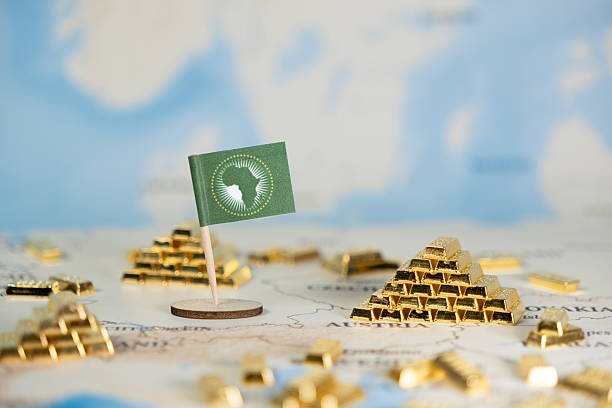
Economic analysts often debate which country that has the highest GDP in Africa while observing the rapid growth of northern and southern economies. South Africa currently holds the top position as the most advanced economy on the continent, characterized by its sophisticated financial systems and massive mining output. This leadership is closely contested by Egypt and Nigeria, whose economic outputs fluctuate significantly based on currency valuations and global oil prices.
The fiscal health of African nations is a critical indicator of regional stability and the overall success of the African Continental Free Trade Area. By examining the current nominal GDP data, we can identify the territories that are successfully scaling their industries and attracting foreign direct investment.
These are the Countries that have the Highest GDP in Africa
The following list details the nations that possess the largest gross domestic product on the continent, using current nominal data and economic forecasts. These countries act as the primary engines of growth for their respective regions, providing the necessary infrastructure and consumer markets to drive continental trade. While some of these nations rely heavily on natural resources, others have successfully diversified into manufacturing, technology, and services. Understanding the economic weight of these African countries that have the highest GDP helps in grasping the broader financial trajectory of the continent in the current global environment.
1. South Africa
South Africa is widely recognized as the most industrialized nation on the continent and frequently ranks as the country in Africa has the highest GDP depending on the current exchange rate of the Rand. With a nominal GDP estimated at approximately 373 billion dollars in 2024, the nation benefits from a highly sophisticated financial services sector and the Johannesburg Stock Exchange, which is the largest in Africa. The mining industry remains a cornerstone of the economy, as South Africa is a global leader in the production of platinum, gold, and chromium. Beyond minerals, the country has a robust automotive manufacturing sector, with major global brands using its ports for export to Europe and Asia. The energy sector, although currently facing significant structural challenges, is another major component of its high economic output. South Africa also boasts the most advanced infrastructure network, including world class telecommunications and a reliable legal system for business contracts. Its diverse economy allows it to remain resilient even when commodity prices fluctuate, making it a reliable hub for international corporate headquarters.
2. Egypt
Egypt has surged in recent years to become a dominant economic powerhouse in North Africa, with a nominal GDP often exceeding 350 billion dollars. The Egyptian economy is supported by a massive population of over 110 million people, which provides both a large labor force and a substantial domestic consumer market. A significant portion of its national revenue is derived from the Suez Canal, which generates billions of dollars in transit fees annually and serves as a vital artery for global trade. The government has also embarked on massive infrastructure projects, including the construction of the New Administrative Capital and several new coastal cities, which have stimulated the construction and real estate sectors. Tourism remains a vital pillar, with iconic sites like the Pyramids of Giza and the Red Sea resorts attracting millions of international visitors and generating much needed foreign currency. Egypt has also seen significant growth in its natural gas production, particularly from the Zohr field, which has turned the country into a regional energy hub. Despite inflationary pressures, the diversified nature of the Egyptian economy ensures its place as a top tier contributor to the continental GDP.
3. Nigeria
Nigeria was for many years the undisputed leader in continental wealth, though it has recently faced significant challenges due to currency devaluation and a transition in its economic policies. Even with these hurdles, it remains a primary African country which has the highest GDP potential due to its status as the largest oil producer in Africa and its population of over 220 million people. The Nigerian economy is increasingly driven by its vibrant services sector, which includes telecommunications, banking, and a world famous entertainment industry known as Nollywood. The recent completion of the Dangote Refinery, one of the largest in the world, is expected to transform the nation from a fuel importer to a major refined products exporter, potentially adding billions to its annual output. Nigeria is also the fintech capital of Africa, with numerous startups achieving unicorn status and attracting significant venture capital from Silicon Valley and Europe. While the petroleum sector remains critical, the government is making strides in diversifying into agriculture and manufacturing to provide more stable growth. The entrepreneurial spirit of the Nigerian people ensures that the nation remains a central player in the African economic landscape regardless of current fiscal volatility.
4. Algeria
Algeria holds a strong position in North Africa with a nominal GDP estimated at around 240 billion dollars, largely fueled by its massive reserves of oil and natural gas. The country is a major supplier of energy to the European Union, utilizing an extensive network of pipelines to deliver gas across the Mediterranean. This hydrocarbon wealth has allowed Algeria to maintain a very low level of external debt and build significant foreign exchange reserves, providing a buffer against global economic shocks. The government has recently updated its investment laws to encourage more private sector participation and diversify the economy away from a total reliance on oil. Algeria possesses a large and well educated youth population, which the state is attempting to integrate into new sectors like technology and renewable energy. Agriculture also plays a significant role in the national economy, particularly in the northern fertile plains where wheat and olives are produced in high volumes. With a focus on industrial modernization, Algeria is poised to maintain its status as one of the most stable and high producing economies in the Maghreb region.
5. Ethiopia
Ethiopia is currently the fastest growing economy in East Africa, with a nominal GDP that has climbed to approximately 190 billion dollars. The nation has followed a state led development model that has prioritized massive infrastructure investments, such as the Grand Ethiopian Renaissance Dam, which is set to make Ethiopia a major exporter of electricity. The manufacturing sector has seen significant growth due to the establishment of several industrial parks that attract textile and garment companies from across the globe. Ethiopia is also world famous for its high quality coffee, which remains its primary agricultural export and a major source of foreign exchange. The national carrier, Ethiopian Airlines, is the most successful and profitable airline on the continent, contributing substantially to the services sector of the GDP. While the country has faced internal challenges, its strategic focus on becoming a manufacturing hub for Africa has led to consistent double digit growth rates over the last decade. The liberalization of the telecommunications and banking sectors is also expected to trigger a new wave of investment and economic expansion in the coming years.
6. Morocco
Morocco has established itself as a sophisticated industrial hub, with a nominal GDP nearing 150 billion dollars and a strong focus on high value exports. The country is the world’s leading producer of phosphate, which is essential for global fertilizer production and provides a steady stream of national revenue. However, Morocco has moved far beyond raw minerals, developing a world class automotive industry that produces hundreds of thousands of vehicles for export to Europe and Africa. The Tanger Med Port is the largest and most efficient port on the continent, serving as a critical logistics center that connects global trade routes. Morocco has also become a leader in green energy, hosting some of the world’s largest solar power plants and investing heavily in green hydrogen production. The tourism sector is another major contributor, with cities like Marrakech and Fes attracting millions of visitors and supporting a vast hospitality network. The political stability and business friendly environment of Morocco make it a top destination for European firms looking to nearshore their manufacturing operations.
7. Kenya
Kenya is the economic heart of the East African Community, with a nominal GDP of about 115 billion dollars that is increasingly driven by technology and services. Known as the Silicon Savannah, Kenya is a global leader in mobile money innovation through platforms like M-Pesa, which facilitates billions of dollars in transactions every month. The country has a highly literate and tech savvy workforce that has attracted major global tech firms like Google and Microsoft to establish regional hubs in Nairobi. Agriculture remains a critical pillar, with Kenya being a top exporter of tea, coffee, and fresh flowers to international markets. The government has also invested heavily in geothermal energy, making Kenya one of the top producers of clean power in the world and reducing the cost of industrial production. Kenya’s strategic location and its well developed port at Mombasa make it a vital gateway for trade into landlocked neighbors like Uganda and Rwanda. The vibrant private sector and entrepreneurial culture ensure that Kenya remains one of the most dynamic and innovative countries in Africa that have the highest GDP growth potential.
8. Angola
Angola is one of the most resource rich nations in Southern Africa, with a nominal GDP of approximately 95 billion dollars that is primarily supported by oil and diamonds. As a major OPEC member, Angola relies on petroleum for over 90 percent of its export earnings, though the government is actively working to diversify the economy. Since the end of its civil war in 2002, the country has undergone a massive reconstruction phase, building new cities and improving its transport infrastructure. The diamond industry is another major contributor, with Angola hosting some of the highest quality gemstone deposits in the world. Recent reforms aimed at improving transparency and ease of doing business have encouraged more international mining companies to explore the country's vast mineral potential. Angola also possesses significant agricultural land and water resources, which the state is attempting to revitalize to reduce its reliance on food imports. The nation’s strategic position on the Atlantic coast and its growing industrial base make it a key player in the economic stability of the Central and Southern African regions.
9. Ivory Coast
Ivory Coast, or Côte d'Ivoire, has become the economic engine of West Africa, boasting a nominal GDP of around 80 billion dollars and a consistent annual growth rate of nearly 7 percent. The country is the world’s largest producer of cocoa, providing nearly 40 percent of the global supply and supporting millions of rural livelihoods. Beyond agriculture, Ivory Coast has seen a surge in industrial activity, particularly in food processing and construction, as the capital Abidjan undergoes a modern transformation. The government has been highly successful in attracting foreign direct investment by maintaining a stable political environment and modernizing its business regulations. The energy sector is also expanding, with new offshore gas discoveries set to power the nation’s growing industrial base. Ivory Coast serves as the financial hub for the Francophone West African region, hosting the regional stock exchange and several major banking institutions. Its balanced approach to agricultural exports and industrial development has made it one of the most successful economic stories on the continent over the last decade.
10. Tanzania
Tanzania rounds out the top ten with a nominal GDP of approximately 79 billion dollars, characterized by a diverse mix of tourism, mining, and agriculture. The country is a major producer of gold, which provides a significant portion of its foreign exchange reserves, alongside other minerals like tanzanite and coal. Tanzania’s tourism industry is legendary, with the Serengeti National Park and the island of Zanzibar attracting high end travelers from across the globe. The government has prioritized large scale infrastructure projects, including a new standard gauge railway and a massive hydroelectric dam, to facilitate trade and industrialization. Agriculture remains the primary employer, with the nation being a major producer of cashews, maize, and cloves. Tanzania’s strategic position on the Indian Ocean allows it to serve as a vital transit point for landlocked neighbors like Zambia and Malawi. The recent discovery of massive offshore natural gas reserves is expected to significantly boost the national GDP in the coming years as these projects move toward production. With a focus on regional integration and infrastructure, Tanzania is rapidly becoming a major economic player in the East African bloc.
Reasons Why These Countries Have a High Economic Output in Africa
1. Diversification of National Industries: The primary reason why nations like South Africa and Morocco lead the continent in GDP is their ability to move beyond a total reliance on raw commodity exports. By developing advanced manufacturing, automotive, and financial sectors, these countries have created multiple pillars of economic support that can withstand fluctuations in global market prices. This diversification allows for a more stable tax base and provides a wider variety of employment opportunities for the growing youth population. Countries that invest in "value-added" industries often see a much higher GDP per capita and more resilient economic growth over the long term. This strategy is essential for any country in Africa has the highest GDP ambitions to maintain its ranking.
2. Abundance of High Value Natural Resources: For countries like Nigeria, Algeria, and Angola, the sheer volume of their oil and gas reserves provides a massive baseline for their national wealth. These hydrocarbons generate the foreign exchange necessary to fund government budgets and large scale infrastructure projects that further stimulate the economy. Minerals such as gold and diamonds also play a similar role in South Africa and Tanzania, attracting billions in foreign investment for extraction and processing. While natural resources can be volatile, they provide the "seed capital" needed for a nation to begin its industrialization process. Managing these resources transparently is the key to ensuring that this wealth translates into a higher national GDP for the entire population.
3. Strategic Geographic Positioning and Logistics: Nations that serve as gateways to the continent, such as Egypt with the Suez Canal or Morocco with the Tanger Med Port, benefit immensely from international trade transit. This geographic advantage allows them to build massive logistics and maritime sectors that contribute billions of dollars to the GDP every year. These African countries that have the highest GDP often leverage their location to become regional hubs for multinational corporations looking to access multiple markets simultaneously. By providing world class port facilities and transport links, these countries effectively "tax" global trade through fees and services. This geographic rent is a stable and lucrative source of national income that is independent of local production cycles.
4. Massive Infrastructure and Energy Investments: Ethiopia and Egypt have demonstrated that spending billions on dams, power plants, and new cities can act as a powerful catalyst for economic growth. These projects create hundreds of thousands of jobs in the short term and provide the essential power and transport links needed for long term industrial expansion. For example, the Grand Ethiopian Renaissance Dam will provide the cheap electricity needed for Ethiopia to become a manufacturing hub for the entire East African region. Improved infrastructure reduces the cost of doing business, making a country more attractive to foreign investors who are looking for reliable operational environments. Infrastructure is the physical foundation upon which a high GDP economy is built.
5. Growth of the Digital and Services Economy: In Kenya and Nigeria, the rise of fintech and mobile technology has created a new economic frontier that is largely independent of physical commodity exports. The digital economy provides high paying jobs and facilitates trade in ways that were impossible just two decades ago, significantly boosting the national output. This sector is particularly resilient as it relies on human capital and innovation rather than finite natural resources. As more Africans gain access to high speed internet and mobile banking, the contribution of the services sector to the continental GDP is expected to rise exponentially. Technology is the "silent driver" of modern African wealth, allowing nations to leapfrog traditional industrial stages.
6. Favorable Demographics and a Growing Middle Class: The presence of a large and increasingly urbanized population in countries like Nigeria and Egypt provides a massive internal market for goods and services. A growing middle class drives demand for everything from banking and housing to telecommunications and retail, creating a virtuous cycle of domestic economic growth. These countries in Africa that have the highest GDP often focus on "market-seeking" investment, where global firms set up local branches to serve the millions of domestic consumers. A youthful population also provides a vibrant and energetic labor force that is essential for long term industrial productivity. Demographics are the ultimate long term predictor of economic potential on the continent.
Conclusion
In conclusion, the investigation into which country that has the highest GDP in Africa reveals a dynamic competition between South Africa, Egypt, and Nigeria. While South Africa remains the most sophisticated and diversified economy, the massive populations and resource wealth of Nigeria and Egypt ensure they remain top tier contenders for the title. The continued growth of these nations is essential for the overall prosperity of the continent, as they provide the investment and trade links that support their smaller neighbors. As Africa moves toward greater economic integration, the success of these major economies will be the primary factor in determining the continent's place in the global financial system. Ultimately, the African country which has the highest GDP is the one that best balances its natural resources with technological innovation and sound fiscal policy. The future of African wealth is being built on a foundation of diversity, infrastructure, and an unstoppable entrepreneurial spirit.
Enjoyed this read?
Share it with your friends and colleagues.