Which Country In Africa Has The Highest Kidnapping Rate

BSC Insights Admin
September 30, 2026
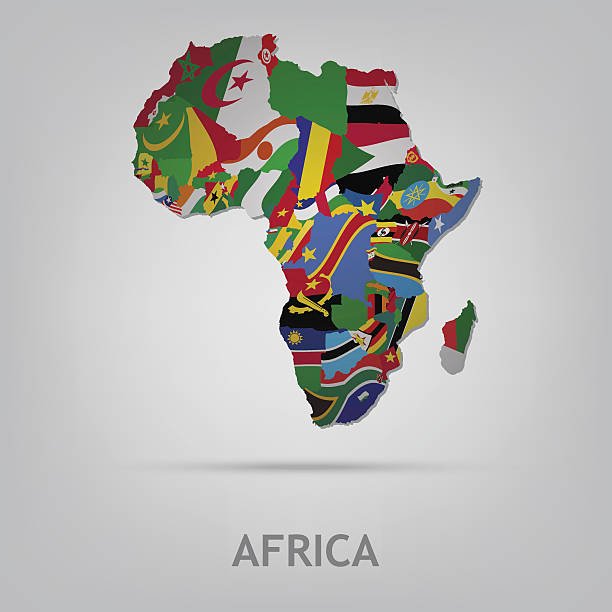
Analyzing the safety and security landscape of the continent reveals that Nigeria is frequently cited as the which country that has the highest kidnapping rate in Africa due to a combination of banditry, insurgency, and organized crime. Statistics from security firms and international human rights organizations consistently show thousands of recorded cases annually, ranging from mass school abductions in the north to express kidnappings for ransom in urban centers. This phenomenon has created a significant challenge for local law enforcement and has placed a heavy burden on the social and economic stability of the affected regions.
The rise in these incidents is not limited to a single nation but is part of a broader trend affecting several regions where economic hardship and political instability intersect. By examining the data from various territories, we can understand the different motivations behind these crimes and the impact they have on both local citizens and international travelers.
These are the Countries that have the highest kidnapping rate in Africa
The following list highlights the nations that have recorded the highest frequencies of abductions and hostage-taking incidents over recent years. While the motivations vary—ranging from financial gain through ransoms to political leverage by extremist groups—the resulting atmosphere of fear remains a common denominator. In these territories, the African country which has high kidnapping rates usually faces underlying issues such as high youth unemployment, porous borders, and the proliferation of small arms. Understanding the nuances of each country helps provide a clearer picture of the security hurdles currently facing the continent.
1. Nigeria
Nigeria is arguably the most prominent country in Africa with high kidnapping rates, experiencing a surge in abductions that has affected almost every state in the federation. In the northwest and north-central regions, heavily armed bandit groups frequently attack villages and highways, seizing dozens of people at a time to demand exorbitant ransoms from their families. The legacy of mass school kidnappings, which gained global attention with the Chibok incident, continues to haunt the nation as schools remain targets for groups seeking leverage or financial gain. In southern urban centers like Lagos and Port Harcourt, "express kidnapping" has become a common tactic where victims are seized and forced to withdraw money from ATMs before being released. The Nigerian government has implemented several security operations to curb this trend, but the vast, ungoverned forest areas provide ideal hideouts for criminal elements. Consequently, the kidnapping industry has become a lucrative venture for many gangs, complicating the efforts of the Nigerian Police Force to maintain order and public safety.
2. South Africa
South Africa has witnessed a dramatic and alarming rise in kidnapping cases, with official police statistics showing a steady year-on-year increase in reported incidents. In many instances, kidnappings occur during hijackings or "smash-and-grab" robberies, where the victim is taken to a secondary location to ensure a clean getaway or to facilitate further crimes. There is also a growing trend of "kidnapping for ransom" targeting wealthy business owners and foreign nationals, particularly those of Indian or Pakistani descent. The South African Police Service has established specialized task forces to deal with these syndicates, but the sophisticated nature of the criminals makes them difficult to track. Many victims are held for days or weeks while negotiations take place, often involving large sums of money transferred through difficult-to-trace channels. The increase in these crimes has prompted many residents and businesses to invest heavily in private security and armored vehicles to protect themselves from being targeted.
3. Libya
Libya remains a highly volatile environment for kidnappings, largely driven by the presence of numerous militias and the ongoing exploitation of migrants. Because the central government has struggled to exert control over the entire territory, various armed groups operate with a high degree of impunity, often using abduction as a tool for political or financial leverage. Foreigners and migrant workers are particularly at risk, as they are often seized by traffickers and held in clandestine detention centers until their families pay for their release. These abductions are frequently accompanied by human rights abuses, making Libya one of the most dangerous places for those in transit toward Europe. Political figures and local businessmen are also targets of rival factions seeking to influence the country's direction or secure resources. The lack of a unified legal system means that there is little recourse for victims, who often remain in captivity for extended periods without any formal charges or legal representation.
4. Cameroon
Cameroon has experienced a significant number of kidnappings, particularly in the Northwest and Southwest regions, which are currently embroiled in the Anglophone crisis. Separatist fighters often use abductions of civil servants, teachers, and traditional rulers to protest the central government and enforce stay-at-home orders known as "ghost towns." In the northern part of the country, the threat from Boko Haram remains a major factor, with the group frequently carrying out cross-border raids from Nigeria to seize villagers and livestock. These incidents have displaced thousands of people and have made travel in certain provinces extremely hazardous for both locals and aid workers. The government has increased its military presence in these areas, but the dense terrain and the guerilla tactics of the insurgents make it difficult to prevent every attack. Kidnapping has thus become a primary weapon of war in Cameroon, used to instill fear and demonstrate control over specific territories.
5. Burkina Faso
Burkina Faso has seen its kidnapping rates soar as part of the wider security crisis in the Sahel region, with Islamist militant groups targeting both locals and foreigners. Abductions are often used as a means of intimidation against those seen as collaborating with the state or international forces. In recent years, several high-profile kidnappings of Western aid workers and tourists have occurred in the northern and eastern parts of the country, leading to increased travel warnings. For the local population, the risk is even more pervasive, with community leaders and villagers being taken during raids on rural settlements. These kidnappings often result in the forced recruitment of young men into militant ranks or are used to secure the release of imprisoned fighters. The rapid deterioration of the security situation has made it challenging for the state to provide protection in remote areas, leaving many citizens vulnerable to these violent acts.
6. Mali
Mali remains a central hotspot for African countries that have high kidnapping rates, especially in the central and northern regions where the state's authority is limited. Various Al-Qaeda-linked groups and other armed factions have long used kidnapping as a primary source of funding and political pressure. Foreign nationals, including journalists and researchers, are frequently targeted for their high ransom value and the media attention their cases generate. However, the majority of victims are Malian citizens, including local officials and employees of international NGOs, who are often taken to serve as bargaining chips in negotiations with the government. The vast, desert terrain of northern Mali provides an ideal environment for concealing hostages for months or even years. Despite the presence of international peacekeeping forces, the threat of abduction remains a constant reality for anyone operating outside of the most heavily fortified urban centers.
7. Mozambique
Mozambique has faced two distinct types of kidnapping threats: the urban abductions in Maputo and the militant-related kidnappings in the northern Cabo Delgado province. In Maputo and Matola, organized crime syndicates have targeted wealthy businesspeople and their children, leading to a climate of fear among the economic elite. In the north, the insurgency led by ISIS-affiliated groups has resulted in the abduction of hundreds of women and children during attacks on towns and villages. These victims are often subjected to forced labor or are married off to fighters, further complicating the humanitarian crisis in the region. The Mozambican government has sought international military assistance to regain control of Cabo Delgado, but the insurgency remains a potent threat. The dual nature of the kidnapping problem in Mozambique highlights the different ways that criminal and political groups can exploit weak security systems to achieve their goals.
8. Somalia
Somalia has a long history of kidnapping, which was traditionally associated with maritime piracy but has more recently shifted toward land-based abductions by Al-Shabaab. While international naval patrols have significantly reduced the number of ships hijacked at sea, the threat to aid workers and foreign professionals on land remains high. Al-Shabaab frequently uses kidnappings to finance its operations and to discourage foreign involvement in the country's development. Local Somalis who work for the government or international agencies are also at high risk, with many being taken for their perceived "betrayal" of the group's ideology. The security environment in Mogadishu has improved somewhat, but the outskirts of the capital and many rural provinces are still under the influence of militant factions. Kidnapping in Somalia is a highly organized venture, with intricate networks of informants and safe houses used to move hostages across the country.
9. Democratic Republic of Congo
The Democratic Republic of Congo, particularly its eastern provinces, is home to dozens of armed groups that use kidnapping as a standard operating procedure for survival. In North Kivu and Ituri, groups like the Allied Democratic Forces (ADF) frequently abduct civilians during raids on villages to carry loot or to serve as human shields. Kidnapping for ransom is also a major problem along the main highways, where commuters are pulled from vehicles and taken into the dense forests. These incidents are often under-reported due to the remote nature of the regions and the lack of a strong state presence to record and investigate the crimes. The humanitarian impact is devastating, as many families are forced to sell their few belongings to pay for the release of their loved ones. The persistent state of conflict in the eastern DRC ensures that the country in Africa with high kidnapping rates continues to be a focal point for international human rights concerns.
10. Ethiopia
Ethiopia has seen an increase in kidnapping reports in recent years, largely linked to regional conflicts and ethnic tensions in areas like Oromia and Amhara. Armed groups operating in these regions have been accused of abducting students and civil servants as a way to challenge the federal government's authority. In some cases, these kidnappings are motivated by financial gain, as groups seek to fund their activities through ransom payments. The highway connecting Addis Ababa to various regional capitals has become a site of concern, with several incidents of bus passengers being intercepted and taken. The Ethiopian government has increased its security crackdowns in response, but the complex political landscape makes it difficult to address the root causes of the violence. As the country navigates a difficult transitional period, the risk of abduction remains a significant concern for both residents and visitors traveling through the interior.
Reasons Why These Countries have high kidnapping rates in Africa
1. Economic Desperation and High Unemployment: In many of these nations, a large percentage of the youth population is unemployed and lacks access to formal economic opportunities. When legal ways to make a living are scarce, criminal activities like kidnapping for ransom become an attractive, albeit dangerous, alternative for survival. In Nigeria and South Africa, the perception that kidnapping is a "quick way" to obtain wealth has led to the formation of numerous small-scale gangs that operate alongside larger syndicates. This economic driver is often compounded by high inflation and a rising cost of living, which pushes individuals toward desperate measures.
2. Proliferation of Small Arms and Light Weapons: The ease with which criminal groups can acquire firearms is a major factor in the high rate of abductions across the continent. Porous borders and the legacy of regional conflicts in places like Libya and the Sahel have ensured a steady flow of cheap weaponry into the hands of non-state actors. When criminal gangs are better armed than the local police, they can operate with a level of boldness that makes kidnapping almost risk-free in certain areas. This proliferation of weapons has turned local disputes into deadly encounters and has empowered bandits to take on entire communities.
3. Weak Law Enforcement and Judicial Systems: A significant reason why an African country which has a high kidnapping rate continues to struggle is the lack of a strong and uncorrupted police force. In many instances, the police are underfunded, poorly trained, or even complicit in the crimes, which erodes public trust and discourages the reporting of cases. When kidnappers believe they can operate without the fear of arrest or prosecution, the crime naturally becomes more prevalent. Furthermore, slow judicial processes mean that even those who are caught may not face justice for many years, allowing the culture of impunity to thrive.
4. Existence of Ungoverned Spaces and Dense Terrain: Many of the countries on this list have vast areas of forest, desert, or mountainous terrain where the state has little to no presence. These "ungoverned spaces" provide perfect hideouts for kidnappers to keep their victims and negotiate ransoms without interference from security forces. In the DRC and Mali, the dense forests and vast deserts make it almost impossible for traditional military operations to track and rescue hostages effectively. Criminals utilize their knowledge of the local landscape to evade capture, often moving hostages across borders to further complicate rescue efforts.
5. The Lucrative Nature of Ransom Payments: The success of previous kidnapping operations in securing large sums of money has created a "demonstration effect," encouraging more groups to adopt the tactic. When families or governments pay ransoms, it validates the criminals' business model and provides them with the funds to buy more weapons and recruit more members. In countries like Mozambique and Nigeria, the ransom industry has become highly sophisticated, with negotiators and middlemen involved in the process. This cycle of payment and re-investment makes it very difficult for the authorities to break the financial back of these criminal organizations.
6. Political Instability and Insurgency: Kidnapping is frequently used as a tactical tool by insurgent groups to undermine the state's legitimacy and demonstrate its inability to protect its citizens. By targeting symbols of government authority, such as teachers or local administrators, groups in Cameroon and Burkina Faso can disrupt essential services and exert control over the population. These abductions also serve as a method for forced recruitment and as a way to gain international visibility for their political cause. As long as these conflicts remain unresolved, the use of kidnapping as a weapon of war is likely to continue in these volatile regions.
Conclusion
In conclusion, identifying which country that has the highest kidnapping rate in Africa points heavily toward Nigeria, though South Africa and several Sahelian nations also show deeply concerning trends. The persistence of these crimes is a clear indication of broader systemic failures, including economic inequality, weak governance, and the presence of unresolved regional conflicts. Addressing the kidnapping epidemic will require more than just military force; it demands a comprehensive approach that includes job creation, border security, and a total overhaul of the judicial systems in the affected countries. As the continent continues to grow and seek international investment, ensuring the safety of its citizens and visitors remains a vital priority. Ultimately, the high kidnapping rates in these nations are a call for more effective regional cooperation and a renewed commitment to the rule of law. Protecting the safety of the African people is essential for the continent's long-term development and prosperity.
Enjoyed this read?
Share it with your friends and colleagues.