Which Country In Africa Jesus Visited

BSC Insights Admin
October 01, 2026
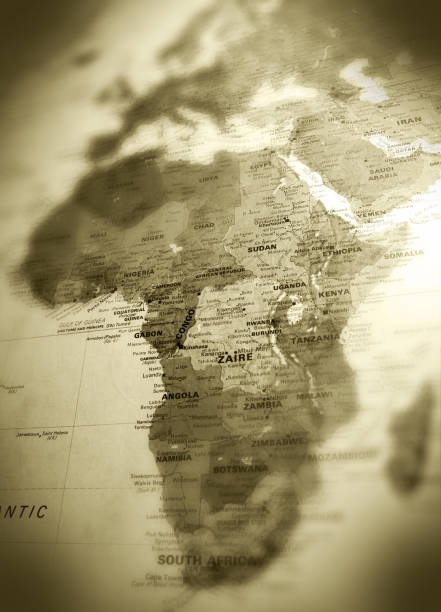
Egypt is the primary country in Africa Jesus visited during his early childhood to find sanctuary from the lethal decree of King Herod. This historical and biblical event, known as the Flight into Egypt, saw the Holy Family travel across the Sinai Peninsula to seek refuge in various settlements along the Nile. Today, Egypt remains the only sovereign African nation documented in the New Testament as a temporary home for Jesus, Mary, and Joseph.
The journey of the Holy Family is deeply etched into the spiritual and cultural landscape of the region, specifically within the Coptic Christian tradition. This visit transformed the land into a sacred map of pilgrimage sites that continue to draw millions of believers and historians to the continent every year.
These are the Countries In Africa Jesus Visited
While the modern political map shows only one nation, the route taken by Jesus and his parents spanned various ancient provinces and territories that today constitute the Arab Republic of Egypt. The Flight into Egypt was not a quick stay but a long and arduous journey that lasted over three years, covering thousands of kilometers through rugged deserts and fertile river valleys. Each stop along this route has been preserved through oral tradition, historical manuscripts, and archaeological remains, making it a vital part of African history. Below are the specific regions and significant locations within the African country which Jesus visited that served as his home during those formative years.
1. The Sinai Peninsula
The Sinai Peninsula served as the entry point for the Holy Family as they crossed the border from the Levant into the African continent. This vast desert region was the first land they encountered, specifically entering through the ancient city of Pelusium, located near the modern-day Suez Canal. As the country in Africa Jesus visited first in its northernmost territory, the Sinai offered a harsh but necessary buffer between the family and the reach of King Herod’s soldiers. They traveled through the wilderness of Shur, navigating sand dunes and rocky paths that had been used for centuries by caravans and travelers. Ancient traditions suggest they stopped at a site called Farma, where they found water and temporary rest before heading deeper into the Delta. The Sinai remains a symbolic gateway, representing the transition from the Holy Land into the protective embrace of the African landscape.
2. The Nile Delta (Lower Egypt)
As the Holy Family moved further into Egypt, they reached the fertile lands of the Nile Delta, which was a major country in Africa Jesus visited in terms of its agricultural wealth and dense population. One of their first major stops in this region was the town of Tell Basta, also known as Bubastis, where tradition holds that several idols fell and shattered upon Jesus’s arrival. This event is seen as a fulfillment of the prophecy in Isaiah that the idols of Egypt would tremble at his presence. The family spent time in the eastern Delta, moving between small villages to avoid detection by authorities who might still be searching for them. This region provided the sustenance and water necessary for their survival, as the lush greenery of the Delta was a stark contrast to the barren Sinai. The stay in Lower Egypt allowed Jesus to be hidden among the common people, growing in a land that was known for its hospitality to strangers.
3. Old Cairo (The Babylon Fortress)
Old Cairo, known in ancient times as Babylon, is perhaps the most significant urban area in the country in Africa Jesus visited during the flight. The Holy Family took refuge in a cave that is now situated beneath the Church of St. Sergius and Bacchus, also known as Abu Serga. This cave served as their home for several weeks and is considered one of the holiest sites in the Coptic faith. The location was strategically chosen for its proximity to the Roman fortress, which ironically offered a degree of anonymity among the diverse population of the bustling city. Visitors today can still descend into the crypt to see the place where the young Jesus slept and where the family gathered for prayer. This site highlights the reality of Jesus as a refugee in Africa, living in the shadow of imperial power while finding safety in a modest cave.
4. The Region of Matariya
The district of Matariya, located on the outskirts of modern-day Cairo, is famous for the "Virgin’s Tree" and a miraculous spring that appeared during the Holy Family's stay. Tradition says that the family rested under the shade of a sycamore tree, and Jesus used his feet to create a spring of fresh water in an area that was otherwise arid. Mary is said to have used this water to wash Jesus’s clothes, and from the runoff, balsam plants began to grow, which were later used to produce the holy Myron oil. As an African country which Jesus visited, Egypt preserves this site as a place of healing and spiritual renewal. The tree has been replanted several times over the centuries, but the original location remains a focal point for pilgrims from around the world. The miracles at Matariya are a central part of the oral history that connects the presence of Jesus to the very soil and flora of the African continent.
5. The Maadi Waterfront
The Maadi region was a critical crossing point where the Holy Family prepared to head south into Upper Egypt via the Nile River. There is a legendary church there today, the Church of the Virgin at Maadi, which sits directly on the banks of the river and commemorates the spot where they boarded a sailing boat. It is here that a miraculous event occurred centuries later when a Bible was found floating on the water, open to the passage in Isaiah that says, "Blessed be Egypt my people." The family’s decision to move further south was likely a security measure, as Upper Egypt offered more remote and hidden locations away from the central Roman administration in the north. This Nile journey allowed the young Jesus to see the vastness of the country in Africa Jesus visited from the unique perspective of the world’s longest river. The crossing at Maadi symbolizes the transition from the urban centers of the north to the more secluded monastic landscapes of the south.
6. Wadi El Natrun
Wadi El Natrun, also known as the Valley of Salt, is a desert depression that Jesus and his parents crossed as they moved between the Delta and the southern regions. Although it was a desolate area at the time, tradition holds that Jesus blessed the valley, predicting that it would one day be filled with monks and worshippers. Today, Wadi El Natrun is the heart of Coptic monasticism, housing several ancient monasteries that have been active since the 4th century. As a country in Africa Jesus visited, Egypt’s monastic tradition is a direct legacy of this blessing, with the valley serving as a sanctuary for those seeking a life of prayer and solitude. The family likely found water at one of the natural springs in the area, which are still considered to have healing properties. The spiritual energy of Wadi El Natrun is a testament to the belief that Jesus’s presence left a permanent mark on the geography of the desert.
7. The Hermopolis Region (Al-Ashmunein)
When the Holy Family reached the region of Al-Ashmunein in Middle Egypt, they entered a land rich in ancient Egyptian history and temple complexes. According to the Coptic Synaxarium, as Jesus entered the city, the large stone idols at the entrance of the temple bowed down or fell, once again signifying his divine authority over the old gods. This region, once known as Hermopolis, provided a temporary resting place for the family as they navigated the complexities of living in a foreign land. They lived among the locals, and several healing miracles are attributed to Jesus during this period, including the restoration of sight to the blind. As the country in Africa Jesus visited, this part of Egypt showcases the interaction between the nascent Christian faith and the fading remnants of ancient paganism. The family’s presence in Al-Ashmunein is a reminder of their role as messengers of a new spiritual order arriving in an ancient civilization.
8. Mount Qusqam (Deir el-Muharraq)
Mount Qusqam is perhaps the most vital destination in the African country which Jesus visited because it is where the Holy Family stayed for the longest duration, approximately six months and ten days. The monastery of Deir el-Muharraq now stands on this site, and its ancient church is believed to be one of the oldest in the world. The altar of this church is said to be the very stone upon which the young Jesus slept during their stay. Copts often refer to this site as the "Second Bethlehem" because of its immense spiritual importance and the length of time the Savior resided there. It was at Mount Qusqam that an angel appeared to Joseph in a dream, telling him that Herod was dead and it was safe to return to the Land of Israel. This location marks the southernmost point of their journey and the turning point where their status as refugees began to shift toward their return home. The monastery remains a massive complex that preserves the humble living conditions of the family during their final months in Africa.
9. The Durunka Cave (Assiut)
The Durunka Cave, located on the slopes of the Assiut mountains, is another significant site where the Holy Family is believed to have taken shelter during their return journey. This large cave provided a cool and secure environment away from the scorching heat of the Upper Egyptian sun. Today, it is the site of one of the largest annual Christian festivals in Egypt, attracting millions of people during the fast of the Virgin Mary in August. As a country in Africa Jesus visited, Egypt’s Assiut region serves as a bridge between the deep south and the northern return route. The cave's elevation allowed the family to look out over the Nile valley, perhaps reflecting on the years they had spent in the safety of the continent. The massive gatherings at Durunka today are a vibrant expression of the enduring love and respect the people of Africa have for the story of the Flight into Egypt. The cave stands as a natural monument to the protection and refuge that the African landscape offered to the Son of God.
10. Mostorod (The Bathing Site)
Mostorod, a town located near Cairo, is another essential stop on the return route where the Holy Family paused to refresh themselves. The site is home to a well that Jesus is said to have used to bathe, and Mary is believed to have used the same water to wash his clothes. Because of this, the location is often called "Al-Mahamma," which means the bathing place. As the country in Africa Jesus visited, Egypt maintains this well as a sacred relic, and the water is still sought after by believers for its perceived blessings. The family stayed in a small cave here before making the final push back toward the Sinai and their homeland. Mostorod represents the closing chapters of their African exile, a time of preparation and cleansing before re-entering the land of their birth. The site serves as a humble reminder of the physical needs of the Holy Family and the simple ways in which the land of Egypt provided for them.
Reasons Why These Countries Host Sites Jesus Visited in Africa
1. Sanctuary from Persecution: The primary reason Egypt is the country in Africa Jesus visited was its historical role as a place of refuge for the people of the Levant. Throughout the Old Testament, figures like Abraham and Jacob fled to Egypt during times of famine or conflict. For Joseph and Mary, Egypt was the most logical choice because it was outside the jurisdiction of King Herod but still accessible enough to reach by land. The established Jewish communities in cities like Alexandria and Babylon provided a social network that helped them disappear into the population and avoid detection by Roman or Judean authorities.
2. Fulfillment of Biblical Prophecy: The visit to the country in Africa Jesus visited was not an accidental detour but a divine fulfillment of ancient prophecies. The Gospel of Matthew explicitly quotes the prophet Hosea, saying, "Out of Egypt I called my son." This was intended to show that Jesus’s life followed the pattern of the nation of Israel, which also found its beginning and deliverance in the land of Egypt. By dwelling in Africa, Jesus connected his story to the Exodus, positioning himself as the new leader who would bring spiritual liberation to all people. This theological connection makes the African continent an essential part of the salvation narrative.
3. Proximity and Trade Routes: In the ancient world, the African country which Jesus visited was closely linked to Judea through well-traveled trade routes. The "Way of the Sea" (Via Maris) provided a direct path for travelers moving between the two regions, making the journey possible for a young family with limited resources. These routes were dotted with oases and market towns where they could find food and water. The geographical proximity made Egypt the only feasible international sanctuary for a family traveling on foot or by donkey. This accessibility ensured that the message of the Gospel would eventually have a strong foundation in Africa from the very beginning.
4. Foundation of Early Christianity: The visit of Jesus to the continent provided the spiritual soil for the rapid growth of the early Church in Africa. Because African countries that Jesus visited (specifically the various regions of Egypt) had personally hosted the Savior, the population was uniquely prepared to receive the teachings of the Apostles later on. Saint Mark the Evangelist eventually arrived in Alexandria and found a community that already held the stories of the Holy Family in their oral traditions. This personal connection is why the Coptic Church is one of the oldest and most resilient Christian communities in the world. The visit turned the continent into a spiritual fortress that preserved the faith through centuries of change.
5. Protection of the Holy Family: Egypt was a country in Africa Jesus visited because it offered a vast and varied landscape where one could easily hide. Between the dense Nile Delta, the bustling markets of Cairo, and the remote caves of Upper Egypt, there were countless places for the family to remain anonymous. The local culture of hospitality toward travelers, known as "hospitality to the stranger," ensured that they were often helped by locals who did not know their true identity. This environmental and social protection was crucial for ensuring that Jesus could grow up safely and return to fulfill his mission. The land of Africa effectively served as the cradle that protected the light of the world during its most vulnerable stage.
6. Establishing a Sacred Geography: The journey through the country in Africa Jesus visited created a "sacred trail" that defined the religious geography of the region for two millennia. Each stop, from Sinai to Assiut, became a landmark where the divine touched the physical world. This trail has inspired the construction of beautiful churches, monasteries, and shrines that have preserved the history of the region. The legacy of this visit is visible in the architecture, the liturgy, and the annual festivals that celebrate the Holy Family's presence. By choosing to live in Africa, Jesus elevated the continent to a status of holiness that is recognized by billions of people today.
7. Symbolic Unity of Nations: Finally, the visit of Jesus to Egypt symbolizes the inclusion of the African continent in the global divine plan. By seeking refuge in an African country which Jesus visited, the narrative shows that Jesus was not just a local figure for one small region but a Savior for the entire world. His presence in Africa broke down the barriers between different cultures and nations, showing that God finds a home in every land. This symbolic unity has been a source of strength for African Christians for centuries, reinforcing the idea that they were never outsiders to the faith but were among its earliest protectors. The Flight into Egypt remains a powerful story of international solidarity and the universal nature of the Christian message.
Conclusion
The journey of the Holy Family confirms that Egypt is the primary country in Africa Jesus visited, serving as his home for several crucial years of his early life. From the arrival in the Sinai to the long stay at Mount Qusqam, every step of the journey highlights the profound connection between the Savior and the African continent. This historical event not only fulfilled prophecy but also established Egypt as a sacred land with a deep spiritual heritage that continues to thrive today. By finding sanctuary in the Nile valley, Jesus ensured that Africa would always be a central part of the biblical story. The legacy of his visit remains a source of pride and inspiration for millions of people across the globe who look to the land of Egypt as a place of refuge and divine blessing.
Enjoyed this read?
Share it with your friends and colleagues.