Which Country In Africa Is Known For Diamonds

BSC Insights Admin
October 01, 2026
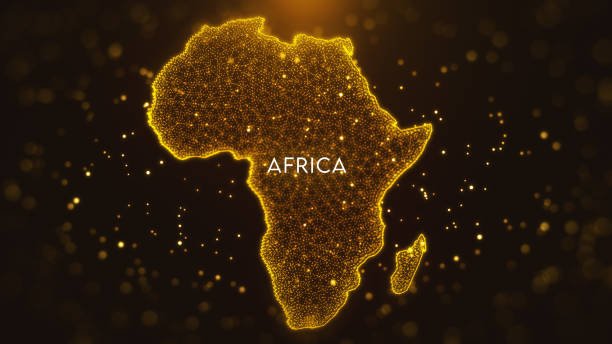
Many global investors and gem enthusiasts often wonder which country in Africa is known for diamonds because the continent produces about half of the world's supply of these precious stones. Currently, Botswana stands as the leading producer by value, operating the richest mines on the planet through successful public private partnerships. This mineral wealth has transformed several regional economies, making the diamond industry a cornerstone of continental development.
The history of diamond mining on the continent is a complex narrative of industrial triumph, economic transformation, and social challenges that continue to evolve. This article explores the specific nations that dominate the diamond trade and examines how they manage their natural resources in the modern era.
These are the Countries and the African Country Which Is Known for Diamonds
When analyzing the global jewelry trade, we find that the African country which is known for diamonds most prominently is often defined by its ability to produce gem quality stones. While some nations lead in the sheer weight of carats extracted from the earth, others are recognized for the clarity and size of the individual gems they bring to market. Below is a detailed exploration of the top ten nations that define the African diamond landscape, highlighting their specific contributions and the unique characteristics of their mineral deposits.
1. Botswana
Botswana is widely considered the world's leading diamond producer by value, primarily due to the exceptional quality of the stones found within its borders. The nation operates the Jwaneng diamond mine, which is often called the richest mine in the world because of the high concentration of gem quality diamonds found in its kimberlite pipe. Botswana has a unique partnership with De Beers called Debswana, a 50 50 venture that ensures a significant portion of the diamond revenue stays within the country to fund education and healthcare. In addition to Jwaneng, the Orapa mine is one of the largest open pit diamond mines globally, contributing millions of carats to the national output every year. The stability of the government and its prudent management of mineral wealth have made Botswana a shining example of how resources can drive positive national development. Interestingly, the name Jwaneng actually means a place of small stones in the local language, but the value of the output is anything but small. This country consistently produces around 24 million carats annually, securing its place at the top of the luxury supply chain.
2. Democratic Republic of Congo
The Democratic Republic of Congo is the leading country in Africa when it comes to the volume of diamonds produced by weight, though a large percentage of its output consists of industrial grade stones. Most of the diamond mining in this nation occurs in the Kasai Oriental province, particularly around the city of Mbuji Mayi, where thousands of artisanal miners work alongside larger industrial operations. Unlike the deep kimberlite pipes found in other regions, many of the diamonds here are found in alluvial deposits, which means they are scattered in riverbeds and soil near the surface. While the DRC produces a staggering amount of diamonds, often exceeding 12 million carats per year, the average price per carat is lower because the stones are frequently used for abrasive tools rather than jewelry. The government has recently been working to improve the formalization of the artisanal sector to ensure that more of the wealth reaches the national treasury. Despite the challenges of conflict and infrastructure, the DRC remains a vital player in the global supply of both industrial and gem diamonds.
3. South Africa
South Africa is the birthplace of the modern diamond industry, with the first major discovery occurring near the Orange River in 1867. This discovery led to the famous diamond rush at Kimberley, where the Big Hole remains a significant historical landmark and tourist attraction to this day. South Africa was the original country in Africa known for diamonds and it remains a top producer with sophisticated mining operations like the Venetia mine in the Limpopo province. The nation is also famous for producing some of the largest diamonds ever found, including the legendary Cullinan Diamond which was over 3,000 carats in its rough form. Today, the South African diamond sector is highly regulated and follows the Kimberley Process strictly to ensure that all stones are ethically sourced and conflict free. The country continues to attract significant investment in deep level mining technology, allowing it to extract gems from pipes that have been worked for over a century. South Africa’s history with diamonds is inextricably linked to the rise of global companies like De Beers and the development of the city of Johannesburg.
4. Angola
Angola possesses some of the most promising diamond reserves on the continent, with much of its vast interior still considered underexplored by modern geological standards. The Catoca mine is currently the fourth largest diamond mine in the world and serves as the primary engine for the Angolan diamond economy. The government of Angola has been aggressive in reforming its mining sector, aiming to double its production by attracting international partners and improving transparency in the licensing process. Most of the high quality gems are found in the Lunda Norte and Lunda Sul provinces, where both kimberlite pipes and alluvial deposits are plentiful. Angola is known for producing clear, high transparency stones that are highly sought after by diamond cutters in Antwerp and Tel Aviv. Recently, the discovery of the Lulo Rose, a rare pink diamond, has brought international attention back to Angola’s potential for record breaking finds. The nation’s goal is to become one of the top three global producers within the next decade by leveraging its untapped kimberlite resources.
5. Namibia
Namibia offers a unique approach to diamond mining, as it is one of the few nations in the world that specializes in marine diamond extraction. Millions of years ago, diamonds were washed down the Orange River and deposited on the Atlantic seabed, where they are now recovered using highly advanced dredging ships. These marine diamonds are of exceptionally high quality because the turbulent journey from the interior to the ocean naturally crushed any stones with flaws or inclusions. As a result, approximately 95 percent of the diamonds recovered in Namibia are of gem quality, commanding some of the highest prices per carat in the market. The joint venture between the government and De Beers, known as Namdeb, manages both the onshore and offshore operations along the southern coast. The town of Oranjemund was historically a closed mining town, but it has recently opened up as Namibia looks to diversify its economy through tourism and other sectors. Namibia’s marine mining technology is considered the most advanced in the world, allowing for precise vacuuming of the ocean floor to retrieve these hidden treasures.
6. Sierra Leone
Sierra Leone has a long and storied history with diamonds, particularly in the Kono district where most of the country's gems are found. The nation is famous for its large, high value stones and a vibrant artisanal mining culture that involves thousands of local residents. While the country faced significant challenges during the era of conflict diamonds in the 1990s, it has since become a leader in the Kimberley Process and ethical diamond certification. In 2017, a pastor in a rural village found the Peace Diamond, a 706 carat stone that was sold to fund development projects in the local community. This event highlighted the potential for Sierra Leone to utilize its mineral wealth for social good in the modern era. The diamonds found in Sierra Leone are often alluvial, meaning they are recovered from gravel and mud using simple tools like sieves and shovels. The government is currently working to attract more industrial miners to the region to improve the efficiency and safety of the extraction process.
7. Zimbabwe
Zimbabwe entered the global diamond spotlight in a major way around 2006 with the discovery of the massive Marange diamond fields in the eastern part of the country. These fields are unique because they consist of vast alluvial deposits that are relatively easy to mine compared to deep underground pipes. At its peak, the Marange area was producing a significant portion of the world's diamond supply by weight, although the quality of the stones varies from industrial to gem grade. The Zimbabwe Consolidated Diamond Company was formed to manage the various concessions and to ensure that the revenue from these gems is channeled back into the national economy. In addition to the alluvial fields, the Murowa mine is a successful kimberlite operation that produces higher value stones for the international market. Zimbabwe’s diamond sector has faced international scrutiny in the past, but the government has made strides in meeting the requirements of the Kimberley Process. The potential for further discoveries in the region remains high, making Zimbabwe a key player in the southern African mining block.
8. Lesotho
Lesotho is a small, mountainous kingdom entirely surrounded by South Africa, and it is known for producing some of the highest value per carat diamonds in the world. The Letseng diamond mine is located at an altitude of over 3,100 meters, making it one of the highest diamond mines on Earth. Letseng is famous for consistently yielding large, top color, exceptional white diamonds that frequently break global price records. For example, the Lesotho Legend, a 910 carat gem found at Letseng, is one of the largest diamonds ever recovered in human history. Because the mine is located in such a harsh, high altitude environment, the costs of operation are high, but the rarity of the stones makes it highly profitable. The diamonds from Lesotho are essentially the elite of the gem world, often ending up in the most prestigious jewelry houses in London and New York. The government of Lesotho maintains a significant stake in the mines, ensuring that the diamond wealth contributes to the national budget. This small nation proves that you do not need a large landmass to be a major player in the global diamond market.
9. Tanzania
Tanzania has been a consistent diamond producer for decades, centered primarily around the Williamson diamond mine at Mwadui. This mine is a large kimberlite pipe that has been in continuous operation since 1940, making it one of the longest running diamond mines in Africa. Tanzania is particularly famous for rare pink diamonds, which are highly prized by collectors and can sell for millions of dollars at auction. The Williamson mine has produced several famous pink gems, including the 23 carat Williamson Pink which was gifted to Queen Elizabeth II for her wedding. While Tanzania’s overall carat production is lower than that of Botswana or the DRC, the presence of these rare colored stones keeps it relevant in the luxury sector. The government has recently updated its mining laws to ensure that the state receives a fair share of the profits and to encourage more local processing of the gems. Beyond diamonds, Tanzania is also the only place on Earth where tanzanite is found, making it a very important destination for gemstone lovers.
10. Ghana
Ghana is a nation rich in minerals, and while it is more famous for gold, it has a significant diamond sector centered around the Akwatia region. The diamonds in Ghana are almost entirely alluvial and are mostly of industrial quality, though gem stones are occasionally found in the gravels. Historically, the Akwatia mine was the largest diamond producer in West Africa, providing thousands of jobs and supporting the local economy for generations. The sector is currently dominated by artisanal and small scale miners who use traditional methods to recover stones from the riverbeds and soil. The government is looking for new investors to modernize the Akwatia operations and to explore for deeper kimberlite pipes that might exist in the region. Ghana’s diamond production is a vital part of its diversified mining portfolio, which also includes bauxite and manganese. While it may not produce the massive carats seen in the DRC, the consistency of its alluvial deposits makes it a steady contributor to the regional supply. Ghana’s experience in managing a large gold sector provides a good framework for the future development of its diamond industry.
Reasons Why These Countries are Known for Diamonds in Africa
1. Geological History and Kimberlite Pipes: The primary reason why African countries that are known for diamonds hold such massive reserves is the continent's unique geological history. Diamonds are formed deep within the Earth's mantle under extreme pressure and heat and are brought to the surface through volcanic eruptions that create kimberlite pipes. Africa contains some of the oldest and most stable parts of the Earth's crust, known as cratons, which have preserved these pipes for billions of years. When explorers discovered these pipes in nations like Botswana and South Africa, it opened up a permanent source of wealth that far exceeded the surface alluvial deposits found elsewhere. The presence of these deep volcanic vents is the single most important factor in the continent's diamond dominance.
2. Presence of Proterozoic and Archean Cratons: Most of the African country which is known for diamonds successes are located on specific geological structures called the Kaapvaal and Congo cratons. These cratons provide the thick, stable lithosphere required for diamond stability and storage over geological time. Because these structures are so vast and old, they have become the primary targets for international mining companies looking for high value deposits. Geologists specifically look for indicators like garnets and ilmenites in the soil, which suggest that a diamond bearing pipe might be nearby. This scientific understanding has allowed nations like Angola to identify new areas for exploration that were previously ignored. The geology of the continent is essentially a giant vault that has kept these gems safe for millions of years.
3. Stable Political Management and Partnerships: A major reason for the sustained success of the country in Africa known for diamonds like Botswana is the ability of the government to manage its resources through stable partnerships. By creating joint ventures with established global firms like De Beers, these nations gain access to the technology and capital needed to run complex, deep level mines. This stability provides confidence to international investors and ensures that the diamond revenue is not lost to corruption or mismanagement. Botswana’s model of using diamond wealth to build infrastructure and a sovereign wealth fund is often cited as a global best practice. This political foresight has allowed the nation to transition from one of the poorest in the world to a middle income success story. In contrast, nations that struggled with stability often found that their diamond wealth became a source of conflict rather than development.
4. Advanced Deep Mining and Marine Technology: The ability to extract diamonds from the ocean floor or from kilometers underground is a significant reason why certain countries in Africa that are known for diamonds maintain their lead. Namibia, for example, has invested in high tech ships that use specialized drills and vacuums to recover gems from the Atlantic seabed, a feat of engineering that is unique to the region. In South Africa, deep level mining techniques allow companies to follow kimberlite pipes deep into the Earth, far beyond what early miners could imagine. This technology requires billions of dollars in investment and a highly skilled workforce, which these nations have successfully developed over time. Without this technological edge, many of the continent's most valuable reserves would remain out of reach. The continuous innovation in the mining sector ensures that these countries stay competitive in a global market.
5. Widespread Alluvial and Surface Deposits: Many of the African countries that are known for diamonds, such as the DRC and Sierra Leone, benefit from vast alluvial deposits that allow for low cost, small scale mining. These deposits are created when water and weather erode the original kimberlite pipes and transport the diamonds into rivers and valleys. This geographical reality allows thousands of individual citizens to participate in the diamond economy without the need for massive industrial machinery. While this can present challenges for regulation and safety, it also provides a vital source of income for rural communities. These surface deposits are often the first indicators of larger pipes deeper underground, leading to more significant industrial finds later on. The sheer abundance of these "free" diamonds across the West and Central African landscape is a unique feature of the continent's geography.
6. Global Market Demand and Cultural Value: The final reason why these nations are famous for diamonds is the sustained global demand for high quality gems in the jewelry and industrial markets. Africa has positioned itself as the primary source for the most beautiful and largest diamonds in the world, catering to the luxury markets of Asia, Europe, and North America. The cultural association of diamonds with romance and status has ensured that the stones remain a valuable commodity regardless of global economic shifts. By participating in international certification schemes like the Kimberley Process, African nations have also worked to ensure that their diamonds meet the ethical demands of modern consumers. This commitment to quality and transparency has made the African country which is known for diamonds a trusted partner for global retailers. The demand for industrial diamonds for cutting and drilling also provides a steady market for the lower grade stones found in high volumes.
Conclusion
In conclusion, determining which country in Africa is known for diamonds reveals a diverse landscape where Botswana and the Democratic Republic of Congo lead the way in value and volume respectively. From the marine mining ships of Namibia to the high altitude pipes of Lesotho, the continent provides an incredible variety of gems that supply the global market. These African countries that are known for diamonds have used their mineral wealth to transform their societies, although challenges remain in ensuring that the benefits reach every citizen. As technology and transparency continue to improve, the African diamond industry will likely remain the most important source of these precious stones for generations to come. Ultimately, the story of diamonds in Africa is one of ancient geology meeting modern industry to create some of the most beautiful treasures in the world. The continued success of these nations is vital for the global jewelry trade and the regional development of the African continent.
Enjoyed this read?
Share it with your friends and colleagues.