Which Country In Africa Has Lions

BSC Insights Admin
October 01, 2026
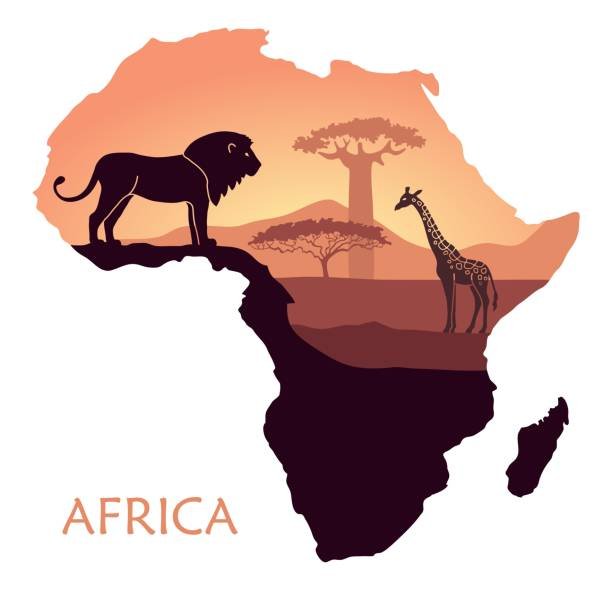
Identifying **which country that has lions in Africa** involves looking at the vast savanna ecosystems where these apex predators still roam in significant numbers. Currently, Panthera leo is found in approximately 25 to 28 nations across the continent, though the largest and most stable populations are concentrated in East and Southern Africa. These majestic cats are essential to the ecological balance of their habitats and serve as a primary draw for the global tourism industry.
The distribution of these big cats has changed dramatically over the last century due to habitat loss and human-wildlife conflict, leading to localized extinctions in several northern and western regions. By examining the current strongholds of the species, we can understand which nations are succeeding in preserving their natural heritage through extensive national park systems and community conservation efforts.
These are the Countries that have lions in Africa
Across the continent, various nations have dedicated vast tracts of land to protect the "King of Beasts," resulting in a diverse range of habitats where pride structures can flourish. When exploring the African countries that have lions, travelers and researchers often focus on areas with high concentrations of prey and minimal human encroachment. While the total number of wild lions is estimated to be around 20,000 to 25,000, the following countries represent the most significant habitats for the species today.
1. Tanzania
Tanzania is widely considered the premier destination for lion sightings, hosting nearly half of the world's remaining wild lion population. The Serengeti National Park and the Ngorongoro Conservation Area provide the perfect environment for these predators, especially during the Great Migration when millions of wildebeest and zebras move through the plains. Estimates suggest that Tanzania alone holds between 8,000 and 15,000 lions, with the Selous Game Reserve in the south offering a more rugged and less crowded viewing experience. The government has implemented strict conservation laws to protect these animals, although they still face challenges from cattle herders on the park borders. Visitors to the Ngorongoro Crater can see a unique, self-contained pride that has lived in the caldera for generations, showing the adaptability of the species. Tanzania's commitment to setting aside nearly 30 percent of its land for conservation has made it the global leader in lion preservation.
2. South Africa
South Africa offers a unique approach to lion conservation, featuring both massive state-run parks and highly managed private game reserves. The Kruger National Park is the flagship destination, covering nearly two million hectares and supporting a stable population of over 1,600 lions. Unlike many other nations, many South African lion habitats are fenced to prevent human-wildlife conflict, which has allowed for intensive management and the successful reintroduction of prides in smaller reserves. Private reserves like Sabi Sands and Timbavati share open borders with the Kruger, allowing for natural movement while providing luxury tourism opportunities. South Africa is also home to the rare "white lion," which is not an albino but a genetic rarity found specifically in the Timbavati region. The country's advanced veterinary and conservation infrastructure ensures that even injured or orphaned lions often receive a second chance through rehabilitation programs. As a result, South Africa remains a vital country in Africa which has lions in well-monitored environments.
3. Kenya
Kenya is iconic for its lion populations, particularly within the Maasai Mara National Reserve, which is the setting for many world-famous wildlife documentaries. The Maasai Mara is part of the larger Serengeti ecosystem, and its open grasslands make it perhaps the easiest place on Earth to observe lion behavior and hunting patterns. Beyond the Mara, Amboseli National Park offers the stunning backdrop of Mount Kilimanjaro for lion photography, while Tsavo East and West are home to the legendary "man-eaters of Tsavo," famous for their lack of manes. Kenya has pioneered community-led conservation, where local Maasai warriors act as "lion guardians," helping to track prides and prevent retaliation when livestock are lost. This collaborative effort has helped stabilize populations in the face of rapid human expansion in the Rift Valley. The country’s tourism industry is deeply tied to the presence of the Big Five, ensuring that lion protection remains a top national priority.
4. Botswana
Botswana offers a pristine and often watery wilderness for its lion populations, specifically within the Okavango Delta and Chobe National Park. The lions of the Okavango have adapted to life in the swamps, often seen swimming between islands or hunting massive buffalo in the shallow waters. In the Savuti region of Chobe, prides have gained fame for their specialized hunting techniques, which occasionally include taking down young elephants during the dry season. Botswana’s "high-value, low-volume" tourism model ensures that lion habitats remain undisturbed by massive crowds, preserving the raw nature of the bush. The Central Kalahari Game Reserve provides a completely different environment, where black-maned lions roam the arid desert, surviving on smaller prey and moisture-rich melons during the harshest months. Botswana’s strict anti-poaching policies and low human population density make it one of the safest havens for the species in the world today.
5. Zimbabwe
Zimbabwe is home to significant lion populations in its northern and western regions, particularly in Hwange National Park and Mana Pools. Hwange is the largest park in the country and is famous for its large prides that congregate around man-made waterholes during the dry winter months. Mana Pools, a UNESCO World Heritage site along the Zambezi River, offers a unique experience where visitors can often track lions on foot with professional guides. This country has faced economic challenges that have impacted conservation funding, but the resilience of its park rangers and the support of international NGOs have kept the lion populations stable. The "Cecil the Lion" incident in 2015 brought global attention to Zimbabwe’s wildlife, leading to increased scrutiny and improved regulations surrounding trophy hunting and lion protection. Zimbabwe's lions are known for their size and strength, often preying on the large herds of buffalo and elephant that frequent the riverine forests.
6. Zambia
Zambia provides a rugged and authentic environment for lion conservation, with South Luangwa National Park and Kafue National Park being the primary strongholds. South Luangwa is often referred to as the "Valley of the Leopard," but its lion population is equally impressive, with large prides frequenting the banks of the Luangwa River. Kafue, one of the largest parks in Africa, features the Busanga Plains, where lions are known to climb trees to escape the heat and insects, much like their counterparts in Uganda. Zambia is famous for its night drives, which allow visitors to witness the nocturnal hunting activities of lions, providing a deeper understanding of their predatory nature. The country’s vast, unfenced wilderness areas allow for natural genetic flow between prides, which is essential for the long-term health of the species. Conservation organizations in Zambia work closely with local communities to reduce poaching and promote the benefits of wildlife tourism as a sustainable livelihood.
7. Namibia
Namibia is home to some of the most resilient lions on the planet, specifically the desert-adapted lions of the Kunene region and the populations in Etosha National Park. In Etosha, the landscape is dominated by a massive salt pan, and lions are frequently seen waiting at waterholes for prey to arrive in the vast, open white plains. The desert lions of the Skeleton Coast are a biological marvel, surviving in one of the world's harshest environments by hunting seals and cormorants along the Atlantic shore. These lions have smaller prides and larger home ranges than their savanna cousins, reflecting the scarcity of food in the Namib Desert. Namibia’s innovative "communal conservancy" model has been highly successful, giving local people the right to manage and benefit from the wildlife on their land. This has led to a significant increase in the lion population over the last two decades, as local communities now see the cats as an asset rather than a threat.
8. Uganda
Uganda offers a unique lion-viewing experience in the Ishasha sector of Queen Elizabeth National Park, where the prides are famous for their habit of lounging in fig trees. While tree-climbing lions are found in a few other places, nowhere is it as consistent or spectacular as in Uganda, where multiple lions can be seen draped across the same branch. Murchison Falls National Park, split by the Nile River, also hosts a healthy population of lions that roam the northern banks in search of kob and buffalo. Uganda’s lion numbers are smaller than those of its neighbors, totaling around 400 to 500 individuals, but they are a critical component of the country's biodiversity. The government and conservation groups like the Uganda Carnivore Program work tirelessly to monitor prides and use GPS collars to prevent them from entering human settlements. Despite the pressures of a growing human population, Uganda remains a dedicated African country which has lions in highly scenic environments.
9. Ethiopia
Ethiopia hosts a unique and genetically distinct population of lions, known for their dark, often black manes that extend from the head down to the belly. These "black-maned lions" were once thought to be found only in the Addis Ababa zoo, but recent expeditions have confirmed their presence in remote areas such as the Alatash National Park near the border with Sudan. Smaller populations also exist in the Bale Mountains and the Awash National Park, though they are often elusive and difficult to track in the dense highland vegetation. The Ethiopian lion is a symbol of national pride, appearing on the country’s currency and historical emblems as the "Lion of Judah." Conservation in Ethiopia is challenging due to agricultural expansion and livestock grazing, but the discovery of new wild populations has sparked renewed interest in protecting these rare cats. These lions are often smaller than those in Southern Africa but are remarkably adapted to the cooler temperatures of the Ethiopian highlands.
10. Mozambique
Mozambique is currently witnessing one of the greatest wildlife recovery stories in history, particularly within Gorongosa National Park. After a long civil war that decimated animal populations, Gorongosa has seen a massive rewilding effort, with lion numbers rebounding from just a handful to over 150 individuals in a relatively short time. The Niassa Special Reserve in the north is another massive habitat, covering an area larger than Switzerland and hosting over 800 lions in a vast, remote wilderness. Mozambique’s lions face significant threats from snaring and poaching for the illegal wildlife trade, but increased patrolling and community engagement are making a difference. The resurgence of predators in Gorongosa has helped restore the natural balance of the ecosystem, demonstrating that with enough protection, lion populations can recover even from the brink of extinction. Mozambique represents the future of lion conservation, where large-scale restoration projects can bring back the wild even to devastated landscapes.
11. Senegal
Senegal is the primary stronghold for the critically endangered West African lion, a subspecies that is genetically distinct from the lions of the east and south. These lions are found almost exclusively within the Niokolo-Koba National Park, a vast but under-funded wilderness in the southeastern part of the country. Unlike the large prides of the Serengeti, West African lions live in much smaller groups and the males often have very sparse manes or none at all. There are estimated to be fewer than 50 lions left in Senegal, making every individual vital for the survival of the subspecies in the region. International groups like Panthera are working with Senegalese park rangers to provide the technology and training needed to protect these last remaining cats from poachers and habitat loss. The survival of the lion in Senegal is a race against time, but it remains a critical African country which has lions representing a unique branch of the feline family tree.
12. Benin, Burkina Faso, and Niger (W-Arly-Pendjari Complex)
The W-Arly-Pendjari (WAP) Complex is a massive transboundary ecosystem shared by Benin, Burkina Faso, and Niger, representing the largest remaining habitat for lions in all of West Africa. This complex holds approximately 300 to 400 lions, which are among the last of the West African subspecies roaming in a contiguous protected area. Benin’s Pendjari National Park is the most secure part of the complex, benefiting from advanced management and increased security to protect both the wildlife and the tourists. The lions here are adapted to the dry, woody savannas and are much more secretive than their counterparts in East Africa, making sightings a rare and special occurrence. Political instability in the region has posed significant risks to conservation efforts, but the dedication of African Parks and local governments has kept the WAP complex as a vital sanctuary. Protecting this region is essential to ensuring that the lion does not disappear entirely from the western part of the continent.
Reasons Why These Countries Have Lions in Africa
1. Vast and Unfragmented Protected Areas: Large-scale national parks are the single most important factor in maintaining lion prides because these cats require massive territories to hunt and breed successfully. In countries like Tanzania and Botswana, the lack of fences between parks allows lions to follow the seasonal movements of their prey, ensuring a constant food supply. Fragmented habitats often lead to inbreeding and increased conflict with humans, whereas large, connected landscapes promote genetic diversity and healthy population growth. These protected zones also provide a buffer against the noise and pollution of modern industrial development.
2. Abundant Populations of Large Herbivores: A healthy lion population is directly dependent on the availability of prey such as wildebeest, zebra, buffalo, and various antelope species. The country in Africa has lions in the highest numbers where the "prey biomass" is greatest, allowing prides to support many cubs and defend their territory. In places like the Maasai Mara or the Kruger, the high density of herbivores ensures that lions do not have to travel long distances to find a meal, which reduces energy expenditure and risk. When prey numbers drop due to drought or disease, lion numbers usually follow, highlighting the delicate balance of the savanna food web.
3. Successful Community-Based Conservation Models: Modern conservation has shifted from "fortress" styles to models that include local people in the protection and management of wildlife. In Kenya and Namibia, communities receive a direct share of tourism revenue, which provides a financial incentive to tolerate the presence of predators. Programs like the "Lion Guardians" teach local herders how to build lion-proof bomas for their livestock, significantly reducing the number of lions killed in retaliation for cattle losses. When local communities see lions as a source of income and national pride rather than just a danger, the success rate of conservation projects increases exponentially.
4. Sustainable Revenue from Wildlife Tourism: The multi-billion dollar safari industry provides the necessary funding for anti-poaching units, habitat restoration, and veterinary services that keep lions safe. Countries in Africa that have lions often rely on this tourism income to justify the existence of large parks that might otherwise be turned over to agriculture or mining. A single lion in the wild is worth hundreds of thousands of dollars in tourism revenue over its lifetime, making it one of the most valuable natural assets for a developing nation. This economic reality encourages governments to prioritize wildlife protection even during times of fiscal hardship.
5. Implementation of Advanced Anti-Poaching Technology: To combat the rising threat of poaching for the illegal wildlife trade, many nations have adopted high-tech solutions such as drones, satellite tracking, and AI-driven camera traps. Rangers in parks like South Africa's Kruger or Benin's Pendjari use these tools to monitor pride movements and detect intruders before they can cause harm. GPS collars on lead females allow researchers to study how lions use the landscape and which areas need the most protection from human encroachment. This technological edge is becoming increasingly important as the pressure on African wilderness areas continues to grow from all sides.
6. Climate and Vegetation Suitability: Lions are remarkably adaptable, but they thrive best in open savannas and woodlands where they can use the grass for camouflage while still having a clear view of their prey. The geography of East and Southern Africa, characterized by these vast plains, provides the ideal "theatre" for lion social structures to evolve. Unlike dense tropical jungles where hunting is difficult for a large cat, the African savanna allows prides to coordinate their attacks and protect their kills from scavengers like hyenas. The availability of permanent water sources, such as those in the Okavango Delta or along the Zambezi River, also plays a crucial role in where lions choose to establish their permanent territories.
Conclusion
In summary, the question of **which country that has lions in Africa** is best answered by looking at Tanzania, South Africa, and Kenya, which remain the global leaders in large predator conservation. While these nations host the most stable and accessible populations, the presence of lions in countries like Senegal and Ethiopia reminds us of the incredible diversity and fragility of the species. Protecting the wild lion requires a complex combination of large-scale habitat preservation, community cooperation, and sustainable tourism revenue to combat the ongoing threats of poaching and human expansion. As long as these nations continue to value their natural heritage, the roar of the lion will remain a defining sound of the African wilderness. For the traveler and the conservationist alike, the African countries that have lions represent some of the most ecologically significant and beautiful places on our planet.
Enjoyed this read?
Share it with your friends and colleagues.