Which Country In Africa Is Most Developed

BSC Insights Admin
September 30, 2026
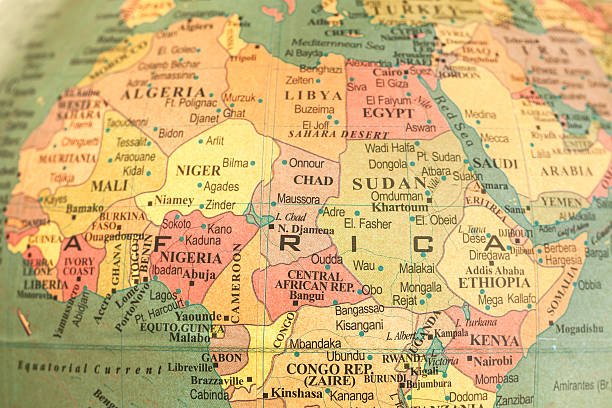
Identifying **which country in Africa is most developed** requires looking at metrics like the Human Development Index, Gross Domestic Product per capita, and the overall quality of national infrastructure. Currently, Mauritius and Seychelles often lead the rankings due to their high standards of living, robust education systems, and sustained economic stability. These nations showcase how strategic governance and resource management can lead to significant social and industrial progress on the continent.
The journey toward becoming a fully modernized state involves balancing economic growth with social equity and environmental sustainability. This article explores the various nations that have successfully managed these factors to emerge as leaders in continental development.
These are the Countries and the Details on Which Country In Africa Is Most Developed
When investigating the progress of various nations, it is essential to consider that development is not measured by wealth alone but by how that wealth improves the daily lives of the citizens. The **countries in Africa that are most developed** typically feature high literacy rates, accessible healthcare, and advanced technological infrastructure that supports a modern economy. While the continent is often discussed as a group of emerging markets, a few specific nations have already reached or are very close to high-income status according to international standards. Below is a detailed analysis of the top nations that define the peak of development in the region today.
1. Mauritius
Mauritius is frequently cited as the African country which is most developed due to its incredible transformation from a sugar-dependent colony to a diversified, high-income economy. Since gaining independence in 1968, the island has focused on building a robust financial services sector, a high-tech manufacturing base, and an upscale tourism industry. The government provides free universal healthcare and free education up to the university level, which has resulted in a highly skilled and healthy workforce. With a Human Development Index score consistently above 0.800, it sits in the Very High Human Development category, a rare feat for any nation in the region. The political landscape is defined by stability and a strong respect for the rule of law, which encourages significant foreign direct investment. For example, Mauritius has become a major hub for international businesses looking to bridge the gap between Asian and African markets. Its infrastructure is modern, featuring high-speed internet and well-maintained transport networks that facilitate efficient commerce across the island.
3. Seychelles
Seychelles is another island nation that holds a prominent position as a country in Africa most developed in terms of per capita wealth and social welfare. With a small population and a vast maritime territory, Seychelles has successfully leveraged its blue economy to fund extensive social programs and environmental conservation. The tourism sector is the primary driver of the economy, but the government has made significant strides in sustainable fisheries and offshore financial services to ensure long-term stability. Citizens of Seychelles enjoy one of the highest life expectancies on the continent, supported by a comprehensive public health system that is accessible to all residents. The country’s GDP per capita is often the highest in Africa, frequently exceeding fifteen thousand dollars in nominal terms. This wealth is visible in the modern housing, high-quality public utilities, and the sophisticated telecommunications network found across the archipelago. Seychelles also leads the way in environmental protection, designating nearly half of its land area as protected territory to ensure a sustainable future for its people.
3. Algeria
Algeria is a North African powerhouse that has used its massive natural gas and oil reserves to build an impressive social safety net and industrial foundation. The country has made massive investments in public infrastructure, resulting in high-quality road networks and a modern housing sector that accommodates its large population. Algeria’s focus on education has led to one of the highest literacy rates in the Arab world, with a particular emphasis on engineering and medical sciences. The government utilizes a socialized model that provides heavily subsidized food, housing, and healthcare, ensuring that the basic needs of the population are met even during global economic fluctuations. While the economy remains somewhat dependent on hydrocarbons, the industrial base in the north is highly developed, featuring large-scale manufacturing and chemical processing plants. The nation's Human Development Index score reflects a high standard of living, placing it among the leaders of the Mediterranean region. Algeria’s commitment to self-sufficiency has also led to a robust agricultural sector that utilizes modern irrigation techniques to thrive in a semi-arid climate.
4. South Africa
South Africa remains the most industrialized nation on the continent and is often the first name mentioned when people discuss African countries that are most developed in terms of corporate and physical infrastructure. It possesses a highly sophisticated financial sector centered around the Johannesburg Stock Exchange, which is the largest in Africa and among the top twenty globally. The country’s infrastructure is world-class, featuring an extensive railway network, modern international airports, and a power grid that supports a massive industrial heartland. South Africa is a global leader in mining technology and deep-level engineering, extracting a significant portion of the world's platinum, gold, and chromium. The private sector is incredibly resilient and innovative, leading the way in sectors like telecommunications, retail, and renewable energy. Despite the challenges of economic inequality, the sheer scale of the South African economy and its role in the G20 showcase a level of development that is unique in the region. The nation’s universities are also ranked as the best in Africa, serving as a hub for research and development for the entire Southern African Development Community.
5. Tunisia
Tunisia has long been recognized for its focus on human capital and its strategic economic ties with Europe, which have fostered a highly diversified and developed economy. The nation has a strong manufacturing sector that produces automotive components, electronics, and textiles for the European market, moving away from a reliance on raw materials. Tunisia was a pioneer in the region for promoting women’s rights and education, which has created a balanced and highly productive workforce. The healthcare system in Tunisia is remarkably advanced, making the country a regional hub for medical tourism where thousands of international patients seek specialized treatments every year. The urban infrastructure in cities like Tunis and Sousse is modern and well-connected, featuring efficient public transport and a high density of services. Although the country has faced political transitions in recent years, its institutional foundation remains strong, supporting a vibrant middle class. The focus on vocational training ensures that the youth are prepared for the demands of a globalized economy, maintaining the country's competitive edge.
6. Botswana
Botswana is often cited as a miracle of African development because it transformed from one of the poorest nations in the world to a middle-income success story through prudent management of its diamond resources. The government established a sovereign wealth fund that ensures the profits from mining are reinvested into education, healthcare, and infrastructure for the benefit of all citizens. Botswana has some of the lowest levels of corruption on the continent, fostering a transparent environment that is highly attractive to international business. The country’s commitment to the rule of law and democratic stability has created a predictable landscape for long-term growth. While the population is small, the standard of living is high, with a strong focus on community-based social services and high-quality primary education. Botswana’s infrastructure has expanded rapidly, with paved roads and modern telecommunications reaching even the most remote parts of the country. The nation is also a leader in sustainable eco-tourism, utilizing its natural beauty to diversify the economy away from a sole reliance on diamonds.
7. Morocco
Morocco has experienced a rapid modernization over the last two decades, positioning itself as a major industrial and logistics hub between Africa and Europe. The country has built some of the most impressive infrastructure projects on the continent, including the Al-Boraq high-speed rail line and the Tanger-Med port, which is the largest in Africa. Morocco is now a global player in the automotive industry, with companies like Renault and Stellantis operating massive manufacturing plants that produce hundreds of thousands of vehicles for export. The government has also made a massive commitment to renewable energy, hosting the world's largest concentrated solar power plant in Ouarzazate. Morocco’s urban centers are becoming increasingly sophisticated, blending ancient heritage with modern skyscrapers and high-end shopping districts. The educational system is undergoing major reforms to align with the needs of the industrial sector, producing a new generation of skilled technicians and engineers. This strategic focus on logistics and green energy has made Morocco one of the most stable and developed economies in North Africa.
8. Egypt
Egypt is a historic center of power that has recently embarked on some of the largest infrastructure projects in human history to modernize its economy. The construction of the New Administrative Capital and the expansion of the Suez Canal demonstrate a massive commitment to future growth and urban efficiency. Egypt possesses a diverse industrial base that includes textiles, chemicals, and food processing, supported by a large and increasingly skilled labor force. The country’s telecommunications sector is one of the fastest-growing in the region, with Cairo emerging as a major startup hub for tech entrepreneurs. While Egypt faces the challenge of a very large population, its recent investments in road networks, electricity generation, and healthcare reform have significantly improved the quality of life in its urban areas. The nation’s strategic location at the crossroads of three continents makes it a vital part of global trade, and its developed service sector contributes a massive portion to the national GDP. Egypt’s focus on digital transformation is also helping to formalize the economy and improve the efficiency of government services.
9. Libya
Libya, despite its recent political challenges, remains a nation with a high level of historical development and immense potential due to its vast oil reserves. Before the period of instability, Libya had some of the highest standards of living in Africa, with the state providing free education, healthcare, and subsidized housing to all its citizens. The country still possesses an extensive network of roads and modern urban centers that were built during its era of peak prosperity. Libya’s GDP per capita remains high in nominal terms, and the nation’s wealth continues to be anchored by its status as a top oil producer. The Great Man-Made River, a massive irrigation project that brings fresh water from the Sahara to the coastal cities, is a testament to the nation's engineering capabilities. As the country moves toward stability, the existing infrastructure and the high literacy rate of its population provide a solid foundation for rapid redevelopment. The resilience of the Libyan people and their focus on restoring their nation's status as a regional leader in development remains a central theme in North African geopolitics.
10. Gabon
Gabon is one of the most prosperous nations in Central Africa, largely due to its abundance of oil and mineral resources and its relatively small population. The country has utilized its wealth to build modern urban centers like Libreville, which feature high-quality services and a vibrant commercial sector. Gabon has one of the highest urbanization rates on the continent, with over eighty percent of its people living in cities where they have access to better education and healthcare. The government has also made a significant commitment to environmental protection, creating a network of thirteen national parks that preserve its unique rainforest biodiversity. This focus on sustainability is part of a broader strategy to diversify the economy away from a sole reliance on petroleum. Gabon’s infrastructure is well-developed compared to its regional neighbors, with a focus on improving the rail and port networks to facilitate the export of manganese and timber. The standard of living for the average Gabonese citizen is among the highest in the region, supported by a state that continues to invest in social welfare.
11. Cape Verde
Cape Verde is an island nation that has achieved significant development through its focus on service industries, tourism, and good governance. Because it lacks significant natural resources, the country has invested heavily in its human capital, resulting in one of the highest literacy rates and best education systems in West Africa. Cape Verde is a model of democratic stability and respect for human rights, which has created a peaceful environment that is highly attractive to international travelers and investors. The country’s infrastructure is modern and well-maintained, with a focus on renewable energy to reduce its dependence on imported fuels. Citizens enjoy a high quality of life with a life expectancy that is among the best in Africa, reflecting the effectiveness of the national healthcare system. Cape Verde’s economy is closely tied to the global market, and its focus on digital services is helping it to overcome the geographic limitations of being an archipelago. The nation’s transition from a low-income to a middle-income country is often cited by the World Bank as a success story for small island developing states.
Reasons Why These Countries Are Most Developed in Africa
1. Long Term Political Stability: The primary reason for which country in Africa is most developed is almost always the presence of consistent and peaceful governance. Nations like Mauritius and Botswana have avoided the civil unrest and coups that have hampered development in other parts of the continent. This stability allows for long-term economic planning and gives international investors the confidence to build factories, hotels, and financial centers. When a government respects the rule of law and ensures peaceful transitions of power, it creates a foundational trust that is necessary for a modern economy to thrive.
2. Strategic Economic Diversification: The most developed nations are those that have successfully moved beyond a reliance on exporting raw materials like oil or minerals. By developing sectors like financial services, high-tech manufacturing, and luxury tourism, these countries have built more resilient economies that can withstand global commodity price shocks. Morocco’s shift into the automotive industry and Tunisia’s focus on electronics are perfect examples of how diversification leads to higher value-added growth and more diverse job opportunities for the population. This complexity in the economy is a hallmark of a developed state.
3. Massive Investment in Human Capital: A defining characteristic of highly developed African nations is their focus on education and healthcare as the primary drivers of progress. African countries that are most developed recognize that a healthy and well-educated workforce is more productive and innovative. By providing free or heavily subsidized primary and secondary education, nations like Cape Verde and Seychelles have ensured that their citizens can participate in the global knowledge economy. High literacy rates are closely correlated with higher standards of living and better health outcomes across the entire population.
4. Development of Robust Infrastructure: Modern development is physically supported by a high-quality network of roads, railways, ports, and power plants. South Africa and Egypt have built some of the most sophisticated infrastructure systems on the planet, which reduce the cost of doing business and improve the efficiency of daily life. Reliable electricity and high-speed internet are now essential components of development, allowing businesses to connect with the global market instantly. Nations that prioritize these capital projects often see a direct increase in their national productivity and their attractiveness to foreign direct investment.
5. Effective Resource Management: Several developed nations in Africa have shown that natural resources can be a blessing if they are managed with transparency and accountability. Botswana’s use of diamond revenues to fund its national development plans is the gold standard for resource-rich countries. By avoiding the resource curse through strong institutions and sovereign wealth funds, these nations ensure that their natural wealth benefits future generations. This responsible management allows for the sustained funding of social services and the continuous modernization of the national economy even when resource prices are low.
6. Integration into Global Trade Networks: Developed African countries are those that have successfully positioned themselves as vital nodes in the global supply chain. Morocco’s proximity to Europe and its world-class ports allow it to be a key partner for international manufacturers, while Mauritius has used its offshore banking sector to become a financial gateway. By signing free trade agreements and participating in regional economic blocs, these nations have expanded their market reach and attracted cutting-edge technology from around the world. This connectivity ensures that they stay at the forefront of international trends and continue to grow their national wealth.
Conclusion
In summary, Mauritius and Seychelles currently lead as the **country in Africa most developed** based on a wide range of human development and economic indicators. These **African countries that are most developed** serve as powerful examples of how political stability, economic diversification, and a focus on human capital can transform a nation's trajectory. While each country has faced unique challenges, their common commitment to building strong institutions and modern infrastructure has set them apart on the global stage. As more nations across the continent adopt these successful strategies, the overall level of development in Africa is expected to reach new heights. Ultimately, the progress of these nations proves that with the right leadership and vision, a high quality of life is achievable for all people on the African continent.
Enjoyed this read?
Share it with your friends and colleagues.