Which Country In Africa Has The Most Jews

BSC Insights Admin
September 30, 2026
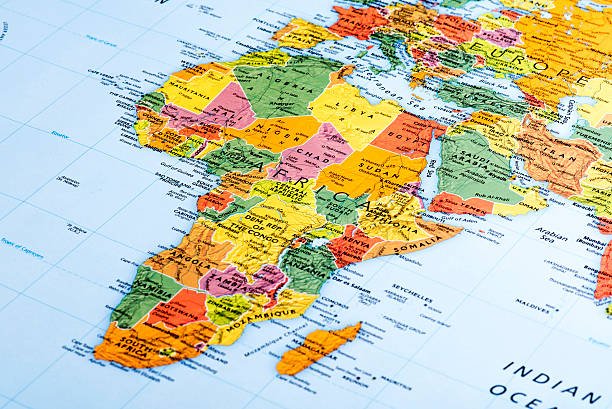
South Africa is the country in Africa which has the most Jews, currently housing a community of approximately 50,000 to 52,000 individuals. The majority of this population resides in major urban hubs like Johannesburg and Cape Town where they maintain active synagogues, schools, and cultural organizations. While many African nations once held large Jewish populations, historical migrations and political shifts have made South Africa the primary center for Jewish life on the continent today.
The history of the Jewish Diaspora in Africa is a fascinating journey that spans thousands of years, from ancient biblical times to the colonial era and the modern day. To understand the current demographic landscape, we must look at the migration patterns, religious tolerance, and economic factors that shaped these communities over several centuries.
These are the Countries and the African Country Which Has the Most Jews
When analyzing the demographics of the Jewish people across the continent, it becomes clear that the African country which has the most Jews stands out significantly due to its unique historical ties with Eastern Europe. While North African countries like Morocco and Tunisia once held hundreds of thousands of Jews, the mid twentieth century saw a massive exodus toward Israel, France, and North America. Today, the distribution is much more concentrated in a few specific nations where institutional support and safety have allowed the communities to persist. Below is a detailed look at the countries that currently maintain the largest Jewish populations and the historical context of their presence.
1. South Africa
South Africa remains the undisputed leader in terms of Jewish population size on the continent, with a community that is deeply integrated into the country's economic and cultural fabric. The vast majority of South African Jews are of Ashkenazi descent, specifically tracing their roots back to Lithuania in the late nineteenth and early twentieth centuries. These immigrants fled persecution and poverty in Eastern Europe, seeking new opportunities in the burgeoning mining and trade industries of the Cape and the Transvaal. Today, the community is highly organized under the South African Jewish Board of Deputies and the South African Zionist Federation, ensuring that religious and cultural needs are met. Johannesburg is home to the largest concentration, followed by Cape Town, which hosts the beautiful Gardens Shul and a significant Jewish museum. Despite some migration to other countries in recent decades, the community remains vibrant, maintaining a network of King David schools and numerous kosher facilities. The resilience of this population makes South Africa the most prominent hub for Jewish life in the southern hemisphere.
2. Morocco
Morocco holds a unique and prestigious place in the history of the Jewish Diaspora, as it once hosted the largest Jewish community in the Muslim world. Today, it remains one of the few countries in Africa that have the most Jews with a population estimated between 2,000 and 2,500 people. The history of Moroccan Jews is divided between the Toshavim, who lived there since antiquity, and the Megorashim, who arrived after the Spanish Inquisition in 1492. For centuries, Jews lived in specific quarters known as Mellahs, where they were often protected by the Moroccan monarchy. Even though the population was once over 250,000, the remaining community in Casablanca, Rabat, and Marrakesh continues to maintain ancient synagogues and cemeteries. King Mohammed VI has been a vocal supporter of the Jewish heritage in Morocco, overseeing the restoration of Jewish sites and including Jewish history in the national curriculum. This high level of state support ensures that the small but influential community can practice their faith in peace and security.
3. Tunisia
Tunisia is home to a small but historically significant Jewish community that is primarily centered in the capital, Tunis, and on the island of Djerba. The Jewish population in Tunisia is currently estimated to be around 1,000 to 1,500 people, with a history that dates back more than 2,000 years. Djerba is particularly famous for the El Ghriba synagogue, which is one of the oldest in the world and serves as a major pilgrimage site for Jews globally. During the annual Lag BaOmer festival, hundreds of visitors travel to the island to participate in traditional rituals and celebrations. The Tunisian government has traditionally protected its Jewish minority, recognizing them as an essential part of the nation's multi cultural identity. While the community has shrunk since the mid twentieth century due to migration, those who remain continue to operate Jewish schools and maintain a distinct Judeo-Arabic culture. The persistence of the Djerba community is a rare example of an unbroken Jewish presence in North Africa since ancient times.
4. Ethiopia
Ethiopia is the ancestral home of the Beta Israel, a community that practiced a unique and ancient form of Judaism for centuries in the northern highlands. While the vast majority of Ethiopian Jews, numbering over 150,000, now live in Israel following major airlifts like Operation Solomon and Operation Moses, a small population still remains in Ethiopia. These individuals, often referred to as the Falash Mura, are descendants of Jews who converted to Christianity under pressure but have returned to Jewish practice. There are several thousand people in Gondar and Addis Ababa who are waiting for the opportunity to immigrate to Israel and join their families. The Beta Israel claim descent from the tribe of Dan or from the companions of Menelik I, the son of King Solomon and the Queen of Sheba. Their presence in Ethiopia represents one of the most remarkable stories of religious survival in the face of isolation from the rest of the Jewish world. Today, the remaining community receives support from various international Jewish organizations to maintain their religious identity while they navigate the complex process of Aliyah.
5. Kenya
Kenya has a relatively modern Jewish community that is mostly comprised of expatriates, business professionals, and a small group of local converts. The community is centered in Nairobi, where the Nairobi Hebrew Congregation operates a beautiful synagogue that was established in the early 1900s. During the colonial era, Kenya was even considered as a potential site for a Jewish homeland under the British Uganda Program, though the plan was ultimately rejected. Today, the Jewish population is estimated to be around 400 to 600 people, including Israelis working in the agricultural and security sectors. There is also a small community of indigenous Kenyans in the central highlands who have embraced Judaism and are seeking formal recognition from the global Jewish community. The Kenyan Jewish community is known for its hospitality and serves as a vital stop for Jewish travelers and diplomats in East Africa. This diverse mix of backgrounds makes the Kenyan Jewish experience unique on the continent.
6. Uganda
Uganda is home to the Abayudaya, a unique community of black African Jews who have been practicing Judaism since the early twentieth century. The community was founded by Semei Kakungulu, a former military leader who broke away from Christianity and embraced the Torah in 1919. Today, the Abayudaya number approximately 2,000 to 3,000 people and are primarily located in the eastern part of the country near the town of Mbale. They have several synagogues, including the impressive Stern Synagogue, and they run schools that teach Hebrew and Jewish traditions to the younger generation. The community faced severe persecution during the reign of Idi Amin, who banned Jewish practice and destroyed many of their communal buildings. However, they persevered and have since gained significant recognition and support from the Conservative and Reform movements in the United States. Their beautiful liturgical music, which blends traditional Jewish prayers with African rhythms, has gained international acclaim.
7. Zimbabwe
Zimbabwe hosts a small but resilient Jewish community, with most members living in the capital city of Harare and the second largest city, Bulawayo. The Jewish presence in Zimbabwe dates back to the late nineteenth century when pioneers arrived with the British South Africa Company. At its peak in the 1960s, the community numbered over 7,000 people and played a significant role in the country's development and political life. Today, the population has decreased to around 100 to 200 individuals due to the country's economic challenges and political instability over the last two decades. Despite their small numbers, they maintain two active synagogues and a dedicated home for the elderly, ensuring that the remaining members are cared for. Additionally, Zimbabwe is home to the Lemba people, an ethnic group that claims Jewish ancestry and follows many Jewish customs, such as circumcision and dietary laws. DNA testing has shown that many Lemba men carry the Cohen Modal Haplotype, a genetic marker associated with the Jewish priesthood.
8. Nigeria
Nigeria is home to a growing number of people who identify as Jews, particularly among the Igbo ethnic group in the southeastern part of the country. These African countries that have the most Jews often include self-identifying communities that see themselves as descendants of the lost tribes of Israel. Estimates suggest there could be several thousand Nigerians practicing some form of Judaism, with dozens of small synagogues scattered across the country. While they are not yet universally recognized by the central Jewish authorities in Israel, many members are diligent in their study of Hebrew and the Torah. They often cite cultural similarities between Igbo traditions and ancient Israelite customs as evidence of their heritage. International Jewish groups have visited Nigeria to provide books, ritual items, and educational support to these emerging communities. This phenomenon represents a modern shift in how Jewish identity is being explored and reclaimed on the African continent.
9. Ghana
Ghana is home to a small community known as the House of Israel, located in the village of Sefwi Wiawso in the western region of the country. This community claims that their ancestors migrated from the north and brought with them traditions that were strikingly similar to Jewish practices, such as resting on the seventh day. It was only in the 1970s that a local man named Aaron Ahomtre Toakyirafa had a vision that his people were actually Jews, leading to a formal embrace of the faith. Today, the community consists of a few hundred members who have built a synagogue and established a school for their children. They have received guidance and support from Jewish visitors who have helped them align their traditional practices with mainstream Rabbinic Judaism. The Sefwi Wiawso community is a testament to the diverse ways that Jewish identity can take root in West Africa through oral tradition and spiritual discovery. Their commitment to the faith in a predominantly Christian and Muslim region is a source of inspiration for many.
10. Mauritius
The Jewish presence in Mauritius is small but holds great historical significance, particularly regarding the events of the Second World War. In 1940, a group of approximately 1,500 Jewish refugees fleeing Nazi occupied Europe were denied entry into Palestine by the British and were instead deported to Mauritius. They were held in the Beau Bassin prison for nearly five years, during which time they established a vibrant communal life behind bars, including a makeshift synagogue and school. Today, the Jewish population is tiny, consisting mostly of expatriates and a few descendants of those who chose to stay, totaling around 40 to 100 people. There is a small synagogue in the town of Curepipe and a well maintained Jewish cemetery that serves as a memorial to those who died during the internment. The community serves as a reminder of the global reach of the Holocaust and the unexpected places where Jewish history has been written. While small, the community remains an active participant in the multi cultural tapestry of the island nation.
Reasons Why These Countries Have Significant Jewish Populations in Africa
1. Historical Migration from Europe: One of the primary reasons for which country that has the most Jews in Africa is the pattern of migration from Eastern and Western Europe during times of persecution. South Africa, in particular, benefited from the influx of Lithuanian Jews who were looking for a safe haven and economic opportunities in the late 1800s. These immigrants brought with them a strong commitment to communal organization, which allowed the population to grow and thrive even in a distant land. The stability of these established institutions continues to attract and retain Jewish residents today. This historical foundation is why the southern tip of the continent remains the epicenter of Jewish life in Africa.
2. Royal and State Protection: In North Africa, the African country which has the most Jews often had a history of monarchs who viewed the Jewish community as an asset and protected them from external threats. For instance, the Kings of Morocco have historically defended their Jewish subjects, a tradition that continues with the current monarchy. This protection allowed the community to survive even when Jewish populations in neighboring countries were forced to flee. State recognition of Jewish heritage as a part of national identity has been a crucial factor in the preservation of these communities. Without such high level support, the cultural and religious infrastructure would likely have disappeared long ago.
3. Ancient Ancestral Traditions: Some African nations have significant Jewish populations because of ancient oral traditions and customs that have been passed down through generations. In Ethiopia and among the Lemba in Zimbabwe, these traditions were maintained in isolation from the rest of the world for over a millennium. These communities did not "become" Jewish through modern migration but rather held onto their identity as Beta Israel or "children of Israel" through centuries of change. DNA evidence has increasingly supported these claims, bringing international attention and support to these long isolated groups. This ancestral connection is a powerful driver of Jewish identity in various regions of the continent.
4. Colonial Era Economic Links: The development of colonial economies in countries like Kenya, Zimbabwe, and South Africa created a demand for skilled professionals and traders, many of whom were Jewish. During the early twentieth century, the British and other colonial powers encouraged the settlement of people who could help build the infrastructure and commercial networks of their territories. Many Jewish families moved to Africa to work in the diamond, gold, and agricultural sectors, establishing the roots of modern urban communities. While the political landscape has since changed, the economic foundations laid during this period allowed Jewish families to build a permanent home. This commercial success facilitated the construction of the synagogues and schools that still exist today.
5. Modern Religious Reclaim and Conversion: In West Africa, particularly in Nigeria and Ghana, the presence of Jewish communities is often the result of people actively reclaiming what they believe is their lost heritage. This country in Africa with the most Jews among the self-identifying groups is usually one where the local population finds deep parallels between their traditional customs and the laws of the Torah. This movement is often fueled by a desire to connect with a global faith that emphasizes education, law, and a direct relationship with God. The growth of internet access has allowed these emerging communities to study Hebrew and connect with Jewish organizations abroad. This proactive adoption of the faith is a major reason for the increasing numbers of practicing Jews in sub Saharan Africa.
6. Proximity to Europe and Trade Routes: The geography of North Africa made it a natural destination for Jews expelled from Spain and Portugal during the late 15th century. Morocco and Tunisia were easily accessible across the Mediterranean, offering a refuge for those who wanted to maintain their Sephardic traditions while continuing their roles as international merchants. These traders established networks that linked Africa with Europe and the Ottoman Empire, ensuring their economic vitality for centuries. This geographic advantage allowed for a continuous flow of people and ideas, keeping the Jewish communities in these regions culturally rich and populous. Today, the legacy of these trade routes is still visible in the architecture and culture of cities like Casablanca and Tunis.
Conclusion
In conclusion, South Africa is clearly the country in Africa with the most Jews, maintaining a robust and influential population of over 50,000 people. While the overall number of Jews across the continent has decreased since the mid twentieth century due to migration to Israel, the remaining communities in Morocco, Tunisia, and Ethiopia continue to preserve their ancient heritages. These African countries that have the most Jews are characterized by a mix of ancient lineages, colonial era migrations, and modern spiritual revivals. The diversity of the Jewish experience in Africa, from the Ashkenazi of the south to the Beta Israel of the east, adds a unique and vital layer to the continent's religious history. As global connections strengthen, these communities will likely continue to evolve while remaining anchored in their long and storied African identities.
Enjoyed this read?
Share it with your friends and colleagues.