Which Country In Africa Is The Poorest

BSC Insights Admin
September 30, 2026
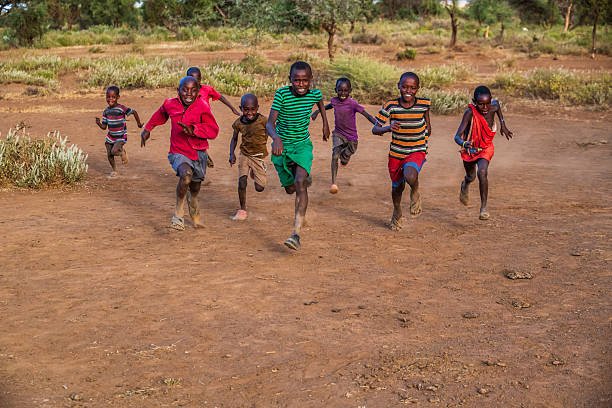
Identifying which country in Africa is the poorest requires a detailed examination of Gross Domestic Product per capita adjusted for purchasing power parity and the latest Human Development Index scores. Currently, Burundi is frequently cited as the nation with the lowest economic output per person, largely due to its landlocked geography and historical reliance on subsistence agriculture. This economic status is a reflection of complex factors including past political instability and limited access to global trade markets.
To understand the root causes of poverty on the continent, one must look beyond simple numbers and analyze the structural challenges facing these nations. Economic experts often use data from the World Bank and International Monetary Fund to rank countries and identify the most vulnerable populations requiring international development assistance.
These are the Countries In Africa That are the Poorest
When evaluating countries in Africa that are the poorest, economists typically look at GDP per capita, which measures the average economic output per person. However, it is equally important to consider the Purchasing Power Parity, or PPP, which accounts for the local cost of living and inflation rates to give a more accurate picture of an individual's buying power. Many of these nations possess vast natural resources, yet they struggle with the "resource curse" where wealth does not reach the average citizen. The following list highlights the nations currently facing the most significant economic hurdles, based on the latest international financial reports and development indices.
1. Burundi
Burundi is often officially designated as the African country which is the poorest in the world based on its GDP per capita, which frequently hovers around 800 to 900 dollars when adjusted for purchasing power parity. This small, landlocked nation in East Africa has a population of over 13 million people, with more than 80 percent of the workforce engaged in subsistence farming. The country has faced decades of civil unrest and political instability, which has severely hampered the development of its infrastructure and discouraged foreign investment. Furthermore, Burundi has one of the highest population densities in Africa, leading to intense competition for land and resources among its rural inhabitants. Access to electricity remains a major barrier to industrialization, as less than 12 percent of the population is connected to the national grid. Despite the challenges, the resilience of the Burundian people is evident in their vibrant local markets and the continued importance of coffee and tea as their primary export commodities.
2. South Sudan
South Sudan is the youngest nation in the world and frequently ranks as a country in Africa poorest due to the lingering effects of a devastating civil war that began shortly after its independence in 2011. While the nation sits on significant oil reserves, the dependency on a single commodity has made its economy extremely vulnerable to fluctuations in global oil prices and internal conflict. The war destroyed much of the basic infrastructure, including roads, schools, and hospitals, leaving the majority of the population without access to essential services. Currently, it is estimated that over 70 percent of the population requires humanitarian assistance to survive on a daily basis. High levels of inflation have also eroded the value of the local currency, making basic food items unaffordable for many families. Development is further complicated by severe seasonal flooding, which displaces thousands of people and destroys crops in the fertile Nile basin. The path to recovery for South Sudan depends heavily on maintaining a stable peace agreement and diversifying the economy beyond the petroleum sector.
3. Central African Republic
The Central African Republic is another African country which is the poorest despite possessing an abundance of diamonds, gold, and uranium. This "paradox of plenty" is caused by decades of misrule and a series of coup d'états that have left the state unable to provide security or basic services outside of the capital, Bangui. Armed groups still control large swathes of the country, leading to frequent displacement and a breakdown in the agricultural supply chain. The Human Development Index consistently places the Central African Republic at or near the bottom of its global rankings, reflecting low life expectancy and high illiteracy rates. Many citizens rely on informal mining or artisanal farming to survive, often in dangerous conditions and with little legal protection. International aid remains a lifeline for the country, but the volatile security situation makes it difficult for development agencies to implement long-term projects. For the average citizen, the struggle for daily survival is a stark contrast to the immense mineral wealth buried beneath their feet.
4. Somalia
Somalia is a country in Africa poorest because of over three decades of conflict and the absence of a fully functional central government for much of its recent history. The economy is largely informal, driven by livestock exports, remittances from the global diaspora, and a rapidly growing telecommunications sector that has pioneered mobile money transfers. However, frequent droughts and the presence of extremist groups like Al-Shabaab have created a permanent state of humanitarian crisis in many regions. It is estimated that nearly 70 percent of Somalis live below the poverty line, with limited access to clean water or formal education. The lack of a stable national banking system has also hindered large-scale investment, although the recent debt relief efforts by the IMF have provided some hope for future fiscal stability. The resilience of the Somali business community is remarkable, but without a secure environment, the transition from an informal economy to a structured, growth-oriented system remains elusive. Climate change has also hit Somalia particularly hard, with recurring famines destroying the cattle herds that are the primary source of wealth for nomadic communities.
5. Malawi
Malawi is frequently listed among African countries that are the poorest due to its high dependence on rain-fed agriculture and its lack of significant mineral resources. The nation is often hit by climate shocks, such as cyclones and droughts, which devastate the maize crops that the majority of the population relies on for food. With a GDP per capita PPP of around 1,500 dollars, Malawi struggles with a high debt-to-GDP ratio that limits the government's ability to invest in healthcare and infrastructure. Over 50 percent of the population lives in poverty, and the country has one of the highest rates of maternal mortality in the region. Tobacco is the main export, but declining global demand for the product has put additional pressure on the national budget. The government has recently focused on irrigation projects and diversifying into crops like legumes and macadamia nuts to build resilience. While the "Warm Heart of Africa" is known for its peaceful culture and hospitality, the structural economic challenges remain a significant hurdle for its youthful and growing population.
6. Mozambique
Mozambique is a country in Africa poorest in the southern region, despite having recently discovered some of the world's largest offshore natural gas reserves. The country is still recovering from a long civil war that ended in the 1990s, and more recently, it has been plagued by an insurgency in the northern province of Cabo Delgado. This conflict has displaced over a million people and delayed the massive gas projects that were expected to transform the national economy. Mozambique is also one of the most vulnerable nations to climate change, frequently suffering from intense cyclones like Idai and Kenneth which destroyed entire cities and thousands of hectares of farmland. The national debt crisis, sparked by "hidden debts" discovered several years ago, has further constrained the government's fiscal space. Most Mozambicans still live in rural areas, practicing subsistence farming with very limited access to modern tools or fertilizers. The gap between the potential wealth of the energy sector and the daily reality of the poor is one of the nation's most pressing social challenges.
7. Sierra Leone
Sierra Leone remains an African country which is the poorest after having survived a brutal decade-long civil war and a subsequent Ebola epidemic that killed thousands and crippled the healthcare system. The nation is famous for its "blood diamonds," but the wealth from the mining sector has historically failed to benefit the average citizen due to corruption and mismanagement. High inflation, which recently surpassed 40 percent, has made life increasingly difficult for the urban poor in the capital, Freetown. The country also faces a significant challenge with youth unemployment, as a large portion of the population lacks the vocational training needed for modern jobs. Despite these setbacks, Sierra Leone has made strides in democratic stability and has implemented free primary and secondary education to boost human capital. The agricultural sector is being revitalized with a focus on rice production to reduce the need for expensive imports. However, the path to prosperity is slow, and the country remains heavily dependent on international development partners to fund its national budget.
8. Madagascar
Madagascar is a unique case among countries in Africa that are the poorest because its poverty is exacerbated by its isolation as an island and its extreme vulnerability to environmental degradation. More than 75 percent of the population lives on less than 1.90 dollars a day, making it one of the highest poverty rates in the world. The southern part of the island, known as the "Grand Sud," frequently faces "famine-like conditions" due to consecutive years of drought, which many scientists attribute to climate change. Madagascar is the world's leading producer of vanilla, but the volatility of global vanilla prices often leaves farmers in a cycle of debt and poverty. The country's unique biodiversity is also under threat from slash-and-burn agriculture, as desperate families clear forests to create new farmland. Political instability has historically led to the suspension of foreign aid, which the country relies on for basic services. Without significant investment in infrastructure and climate adaptation, the island's poor remain trapped in a fragile relationship with their environment.
9. Niger
Niger is a country in Africa poorest in the Sahel region, facing a combination of rapid population growth and a harsh, arid climate. It consistently ranks near the bottom of the UN Human Development Index, with a literacy rate of only about 35 percent. While Niger is a major producer of uranium, the revenue from this resource has not been enough to lift the majority of its citizens out of poverty. The nation is also on the front lines of the climate crisis, as the encroaching Sahara Desert reduces the amount of land available for grazing and farming. Security concerns have increased in recent years due to insurgencies along its borders with Mali and Nigeria, forcing the government to divert scarce resources to the military. Niger has one of the highest fertility rates in the world, which places an immense strain on the education and healthcare systems. Efforts to empower women and improve access to family planning are seen as critical to the country's long-term economic survival. However, the recent political shifts have created uncertainty regarding international partnerships and future development funding.
10. Democratic Republic of Congo
The Democratic Republic of Congo (DRC) is often cited as the ultimate African country which is the poorest relative to its potential, as it is arguably the richest country on earth in terms of natural resources. With vast reserves of cobalt, copper, and gold, the DRC should be an economic powerhouse, yet its GDP per capita PPP remains around 1,200 to 1,300 dollars. This discrepancy is the result of decades of systemic corruption, poor governance, and a "permanent" state of war in the eastern provinces. The infrastructure is so poor that many parts of the country are inaccessible by road, making trade and the delivery of services nearly impossible. While a small elite has benefited from the mining industry, the majority of the 100 million citizens live in extreme poverty without access to clean water or electricity. The country's "resource curse" is fueled by global demand for minerals used in electric vehicle batteries and smartphones, often mined in informal and dangerous conditions. If the DRC could achieve internal peace and transparent governance, it has the potential to become the engine of growth for the entire continent, but for now, it remains a giant struggling with profound poverty.
Reasons Why These Countries Are Poorest in Africa
1. Historical Legacy of Extractive Colonialism: Many of the countries in Africa that are the poorest today inherited economic structures designed by colonial powers solely to extract raw materials. These systems did not invest in local industries or human capital, leaving the newly independent nations with economies that were not diversified. When the colonial masters left, the lack of a local manufacturing base meant these countries had to export cheap raw goods and import expensive finished products, a trade imbalance that persists to this day.
2. Prolonged Political Instability and Conflict: War is perhaps the most significant barrier to development, as it destroys infrastructure and forces the brightest minds to flee. In an African country which is the poorest, such as South Sudan or the DRC, resources that should go toward schools and hospitals are instead spent on weapons and military personnel. Conflict also discourages foreign investors, who fear the loss of their assets, leading to a total stagnation of the private sector and job market.
3. Severe Infrastructure Deficits: Poverty is often a physical barrier, as the lack of reliable roads, ports, and electricity grids makes it expensive to do business. In landlocked nations like Burundi or Niger, the cost of transporting goods to the nearest seaport can be higher than the value of the goods themselves. Without a steady supply of energy, industries cannot operate efficiently, and the digital economy remains out of reach for the majority of the population. This "infrastructure gap" keeps rural communities isolated from the national and global economy.
4. Vulnerability to Climate Change: African countries that are the poorest are often the most reliant on agriculture and therefore the most affected by shifts in weather patterns. Droughts in Somalia and cyclones in Mozambique can wipe out a decade of economic progress in a single season. These nations lack the financial reserves to build resilient infrastructure or provide safety nets for farmers, leading to widespread food insecurity. As the planet warms, the frequency of these "shocks" is increasing, making it harder for the poor to recover between disasters.
5. High Levels of External Debt: Many poor nations spend a significant portion of their national revenue just paying the interest on loans from international lenders. This "debt trap" prevents governments from investing in social sectors like education and healthcare, which are essential for long-term growth. When a country in Africa is the poorest, it often enters a cycle of borrowing more money to pay off old debts, leaving little for actual development projects. Debt relief initiatives have helped some nations, but the underlying issue of fiscal sustainability remains a major challenge.
6. Rapid Population Growth and Educational Gaps:
When population growth outpaces economic growth, the average wealth per person naturally declines. Many of the poorest nations have very high birth rates, which means they must constantly build new schools and clinics just to keep up with the new arrivals. Without a high-quality education system, the youth are unable to compete in the modern global economy, leading to high rates of underemployment. Breaking the cycle of poverty requires a massive investment in vocational training and higher education to ensure that the next generation can drive innovation and productivity.
Conclusion
In summary, identifying which country in Africa is the poorest is a task that reveals the deep structural and historical challenges facing the continent's most vulnerable states. While Burundi currently holds the lowest GDP per capita, nations like South Sudan, Somalia, and the Central African Republic share similar burdens of conflict and resource mismanagement. Achieving long-term prosperity will require more than just financial aid; it will necessitate stable governance, infrastructure development, and a focused effort to mitigate the impacts of climate change. As the global community works toward the Sustainable Development Goals, the focus remains on transforming these economies from extractive to inclusive. Ultimately, the potential for growth is immense, but the road to overcoming extreme poverty in Africa is one that requires persistent regional cooperation and international solidarity.
Enjoyed this read?
Share it with your friends and colleagues.