Which Country In Africa Is Ruled By Military

BSC Insights Admin
October 01, 2026
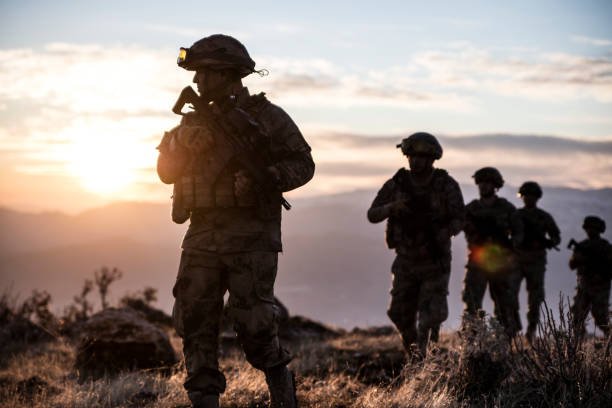
As of early 2024, several African countries are experiencing military rule or have recently undergone military coups, marking a concerning trend of democratic backsliding in parts of the continent. Nations like Niger, Burkina Faso, Mali, and Guinea are prominent examples where military juntas have seized power, replacing democratically elected governments. This phenomenon is particularly concentrated in West and Central Africa, where a combination of factors including insecurity, governance issues, and socio-economic challenges has fueled political instability, providing fertile ground for military interventions.
African Countries Currently Under Military Rule
The landscape of governance in Africa is dynamic, with transitions often occurring rapidly. However, a cluster of nations has found itself under the direct control of military governments following successful coups. These regimes often promise to restore stability and improve living conditions, though their rule frequently raises concerns about human rights, democratic freedoms, and long-term development.
Niger: The Latest Coup in West Africa
Niger experienced a military coup in July 2023, when the presidential guard detained President Mohamed Bazoum, establishing a junta led by General Abdourahamane Tchiani. This takeover sent shockwaves across the international community, given Niger's strategic importance in the fight against jihadist groups in the Sahel and its democratic progress. The coup led to widespread condemnation and sanctions from regional bodies like ECOWAS, as well as international partners, highlighting the severe repercussions of military interventions on diplomatic relations and foreign aid.
Burkina Faso: A Nation Grappling with Instability
Burkina Faso has witnessed two military coups in 2022 alone, underscoring deep-seated issues of insecurity and public dissatisfaction. The first, in January 2022, saw Lieutenant Colonel Paul-Henri Sandaogo Damiba oust President Roch Marc Christian Kaboré. Just eight months later, in September 2022, Captain Ibrahim Traoré seized power, citing Damiba's inability to address the escalating jihadist insurgency. These successive coups reflect the immense pressure on governments in the Sahel region to combat terrorism and protect their populations, a challenge that has often been exploited by military factions to justify their interventions.
Mali: A Protracted Transition Under Military Rule
Mali has been under military rule since August 2020, following a coup that ousted President Ibrahim Boubacar Keïta. A subsequent coup in May 2021 solidified the military's grip on power, with Colonel Assimi Goïta becoming the interim president. The Malian junta has repeatedly delayed promises of a return to civilian rule, leading to strained relations with ECOWAS and the imposition of sanctions. The country continues to battle a persistent jihadist insurgency, further complicating its political transition and exacerbating humanitarian challenges. The situation in Mali is a stark illustration of the complexities involved when military-led governments attempt to navigate both internal security crises and international pressure for democratic restoration.
Guinea: A Seizure of Power Amidst Public Discontent
In September 2021, Guinea experienced a military coup led by Colonel Mamady Doumbouya, who overthrew President Alpha Condé. The coup was widely condemned, but it also found some initial support among a populace weary of perceived corruption and President Condé's controversial third term. Doumbouya's junta promised a swift transition to civilian rule but has faced criticism for delays and a lack of transparency in its transitional roadmap. The military junta in Guinea has faced significant international pressure to adhere to a clear timetable for democratic elections.
Other African Nations with Recent Military Influence or Attempted Coups
While the countries listed above are currently under overt military rule, other nations have also experienced significant military influence or attempted coups that highlight broader patterns of political instability in Africa.
Gabon: A Sudden Coup Ending a Dynastic Rule
In August 2023, Gabon witnessed a military coup that overthrew President Ali Bongo Ondimba, just moments after he was declared the winner of a disputed election. This coup ended the Bongo family's 56-year rule. While the coup leaders, grouped under the Committee for the Transition and Restoration of Institutions (CTRI), promised a return to order and democracy, the abrupt nature of the takeover underscores the fragility of political institutions in some African states, particularly those with long-standing authoritarian tendencies. The military takeover in Gabon was met with mixed reactions, with some citizens expressing relief at the end of dynastic rule, while the international community called for a swift return to constitutional order.
Sudan: A Complex Transition and Ongoing Conflict
Sudan's journey since the overthrow of Omar al-Bashir in 2019 has been tumultuous. A military coup in October 2021 derailed a fragile power-sharing agreement between civilian and military leaders. While a nominal civilian government was later reinstated, the military retained significant power. The country plunged into a devastating civil conflict in April 2023 between the Sudanese Armed Forces (SAF) and the Rapid Support Forces (RSF), demonstrating the profound risks when military factions vie for ultimate control, even within a transitional framework. Sudan serves as a tragic example of how military power struggles can lead to widespread suffering and humanitarian crises.
Chad: A Controversial Military-Led Transition
Following the death of President Idriss Déby Itno in April 2021, his son, Mahamat Déby Itno, took power at the head of a military transitional council, dissolving the government and parliament. This move, while framed as a necessary measure to ensure stability, was widely condemned as unconstitutional. Chad's transition period has been extended, and promises of democratic elections have been met with skepticism and public protests, highlighting the challenges of military-backed transitions that lack broad civilian consensus.
The Resurgence of Military Coups in Africa: A Deeper Look
The recent wave of coups across Africa, particularly in the Sahel region, has prompted significant analysis into its underlying causes and consequences. This trend is a stark reversal of progress made in democratic governance over the past few decades, raising alarms about the future of democracy on the continent.
Factors Contributing to Military Interventions
Several interconnected factors contribute to the prevalence of military takeovers in Africa:
- Insecurity and Terrorism: The rise of jihadist groups, particularly in the Sahel, has destabilized governments and created a perception that civilian authorities are incapable of protecting their citizens. Militaries often capitalize on this narrative, presenting themselves as stronger, more decisive leaders capable of restoring order.
- Weak Governance and Corruption: Poor governance, widespread corruption, and a lack of accountability erode public trust in democratic institutions. When citizens feel their leaders are unresponsive or self-serving, they can become more receptive to calls for change, even from non-democratic actors.
- Constitutional Manipulations: Attempts by leaders to extend their terms beyond constitutional limits or to alter constitutions to remain in power often trigger public outrage and provide a pretext for military intervention.
- Economic Disparities and Youth Unemployment: High rates of poverty, inequality, and unemployment, especially among young people, create fertile ground for discontent. Frustrated populations, seeing no economic prospects, may view a change in leadership, even by force, as a potential solution.
- Lack of Strong Democratic Institutions: In many countries, democratic institutions are still relatively young and fragile. Weak opposition parties, an undeveloped civil society, and a judiciary lacking independence can leave a power vacuum that the military is eager to fill.
- Geopolitical Shifts: Changing international alliances and a perceived waning of influence from traditional Western partners may embolden military actors, particularly if they feel they can secure support from other global powers.
Impacts of Military Rule on African Nations
The consequences of military rule are far-reaching and often detrimental to a nation's development and its citizens' well-being:
- Erosion of Democratic Principles: Military coups invariably undermine democratic institutions, suppress political freedoms, and often lead to human rights abuses. The rule of law is typically weakened, replaced by arbitrary power.
- Economic Stagnation and Sanctions: Military takeovers often trigger international sanctions, suspension of foreign aid, and a decline in foreign investment. This leads to economic hardship, increased poverty, and stalled development projects.
- Increased Insecurity: Paradoxically, while militaries often cite insecurity as a reason for intervention, their rule can sometimes exacerbate it. Divisive policies, lack of public trust, and a focus on military solutions over comprehensive governance can fuel insurgencies and internal conflicts.
- Humanitarian Crises: Political instability and conflict often lead to displacement, food insecurity, and a breakdown of essential services, creating or worsening humanitarian crises.
- Regional Instability: A coup in one country can destabilize an entire region, setting a dangerous precedent and encouraging similar actions in neighboring states. Regional bodies like ECOWAS and the African Union struggle to contain these spillover effects.
International and Regional Responses to Military Juntas
Regional organizations such as the Economic Community of West African States (ECOWAS) and the African Union (AU) have been at the forefront of responding to military takeovers. Their responses typically involve:
- Condemnation: Issuing strong statements denouncing the unconstitutional change of government.
- Sanctions: Imposing economic, financial, and travel sanctions on the coup leaders and their allies.
- Mediation: Attempting to negotiate with the military juntas for a swift return to constitutional order and a clear timeline for democratic elections.
- Suspension: Suspending the membership of the affected country from regional and continental bodies, isolating the military regime.
International bodies like the United Nations and individual countries (e.g., the United States, France) also typically condemn coups, impose targeted sanctions, and suspend security cooperation or development aid. The effectiveness of these measures, however, varies, and military leaders sometimes resist external pressure, relying on internal support or new geopolitical alignments.
Looking Ahead: The Path to Stability and Democracy
Addressing the root causes of military rule in Africa requires a multifaceted approach focused on strengthening democratic institutions, promoting good governance, ensuring equitable economic development, and effectively tackling insecurity. Investing in education, creating employment opportunities, fostering inclusive political dialogue, and reinforcing the rule of law are crucial steps. Moreover, the international community and regional organizations must maintain consistent pressure while also offering support for credible civilian-led transitions.
The recent increase in military interventions underscores a critical challenge for democratic consolidation in Africa. While specific countries like Niger, Burkina Faso, Mali, and Guinea are currently under explicit military governance, the underlying factors that enable such takeovers are present in various forms across the continent. Understanding these dynamics is essential for promoting long-term stability and democratic progress.
Enjoyed this read?
Share it with your friends and colleagues.