Which Country In Africa Speaks French

BSC Insights Admin
October 01, 2026
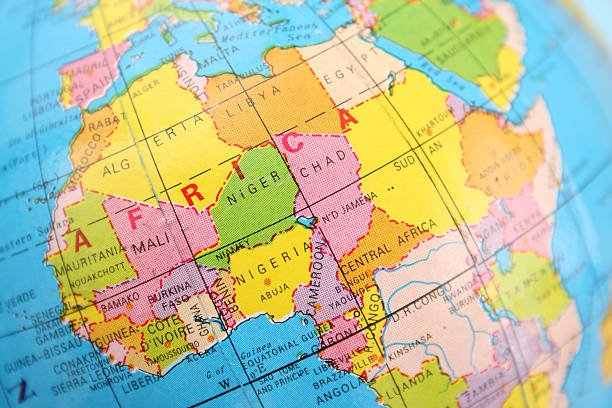
Identifying which country in Africa speaks French is a common inquiry for those exploring the vast and culturally rich Francophone regions across the continent. There are currently twenty-one sovereign nations in Africa where French is recognized as an official or co-official language, making the continent home to the largest number of French speakers in the world. These nations utilize the language in government, education, and international trade to bridge communication between hundreds of diverse ethnic groups.
Beyond simple numbers, the use of the French language in these regions has shaped their political and social structures for generations. This article examines each of these nations to provide a comprehensive understanding of the Francophone landscape in Africa today.
These are the Countries In Africa That Speak French
The distribution of the French language across Africa is a testament to the complex history of the continent and its ongoing global connections. While indigenous languages remain the heartbeat of local communities, French serves as the formal medium for administration, law, and higher education in many states. From the Mediterranean coasts of the North to the tropical archipelagos of the Indian Ocean, the following list explores the nations that comprise the Francophone world in Africa. Each entry highlights how the language is utilized and its significance within the specific national context.
1. Democratic Republic of the Congo
The Democratic Republic of the Congo is the largest African country which speaks French and holds the title of the most populous Francophone nation in the world, even surpassing France itself. Kinshasa, the capital city, is a massive urban center where French is the primary language of the streets, media, and government, serving to unite a population that speaks over two hundred different ethnic languages. In the educational system, French is the medium of instruction from primary school through university, ensuring that the youth are proficient in the language for professional life. The country's music scene, particularly the world-famous Congolese Rumba, often features lyrics in a blend of Lingala and French, reflecting the hybrid cultural identity of the people. As the nation continues to grow, the number of French speakers is projected to reach unprecedented levels, making it the epicenter of the global Francophone future. Travelers will find that while local languages are essential for daily life, French is the key to navigating the administrative and commercial landscapes of this vast territory.
2. Madagascar
Madagascar is an island nation where French and Malagasy share official status, creating a unique bilingual environment in the Indian Ocean. While Malagasy is the language of national identity and the mother tongue of nearly the entire population, French is heavily utilized in the business, judicial, and diplomatic sectors. The historical influence of French culture is still visible in the architecture of Antananarivo and in the legal codes that govern the country. Most newspapers and television news broadcasts are presented in French, providing a bridge to the international Francophone community and global current events. In the tourism sector, French is the dominant language used to welcome visitors exploring the island's unique biodiversity and pristine beaches. This dual-language system allows Madagascar to maintain its distinct Austronesian heritage while participating actively in the economic and political spheres of the Francophone world.
3. Cameroon
Cameroon is a unique bilingual state where both French and English are official languages, though the vast majority of the population resides in the French-speaking regions. Approximately eighty percent of the country is Francophone, with the language serving as the primary medium for government administration and education in eight of the ten administrative regions. In cities like Douala and Yaoundé, French is the dominant language of commerce and social interaction, blending with local dialects to create a vibrant cultural tapestry. The country’s commitment to bilingualism is reflected in its dual educational sub-systems, though French remains the dominant professional tongue for most Cameroonians. Historically, the French-speaking identity was solidified after World War I when much of the territory came under French administration, leaving a lasting legal and linguistic legacy. For travelers, Cameroon offers a fascinating look at how French and English coexist alongside hundreds of indigenous languages like Bamileke and Fulfulde.
4. Ivory Coast (Côte d'Ivoire)
The Ivory Coast is often considered the economic powerhouse of Francophone West Africa, with Abidjan frequently referred to as the "Paris of Africa" due to its cosmopolitan atmosphere and high proficiency in French. The language is the sole official tongue of the country and is used universally in education, media, and the corporate world, making it a central pillar of the nation's success. Unlike some neighboring states where French is strictly a formal language, many Ivorians in urban centers use it as their primary language of daily communication. A localized and popular version of French, known as Français Moussa or Nouchi, has emerged in the streets, blending traditional French with local slang and African rhythms. This linguistic innovation is celebrated in the country's thriving music and film industries, which export Ivorian culture to the rest of the continent. The Ivory Coast remains a primary hub for international organizations and multinational corporations, largely because of its robust and sophisticated French-speaking professional class.
5. Niger
Niger is a landlocked nation in the Sahel where French serves as the official language and the primary tool for national administration across a diverse ethnic landscape. With major groups like the Hausa, Zarma, and Tuareg speaking their own distinct languages, French acts as the vital bridge that allows for national governance and legal proceedings. In the educational system, French is introduced early as the language of instruction, though recent reforms have sought to integrate mother-tongue education in the initial years. Niamey, the capital, is a center for French-language media and publishing, connecting the country to its neighbors in the West African Economic and Monetary Union. Despite the geographic challenges and the harsh Saharan climate, the use of French in the civil service and military remains a constant force for institutional stability. For international researchers and development workers, French is the indispensable language for engaging with the government and community leaders across the country.
6. Burkina Faso
Burkina Faso utilizes French as its official language to coordinate the affairs of more than sixty different ethnic groups, including the Mossi and the Mandinka. While More is the most widely spoken indigenous language, French is the language of the parliament, the courtroom, and the classroom. The country has a long tradition of French-language cinema, hosting the prestigious FESPACO film festival in Ouagadougou, which celebrates the best of African storytelling in the French tongue. This cultural commitment has made Burkina Faso a significant player in the international Francophone community, particularly in the arts and humanities. Most government documents and public signs are written in French, ensuring a standardized system of communication for all citizens regardless of their ethnic background. For anyone visiting the Sahelian nation, French is the primary language for professional interactions, though learning a few Mossi greetings is highly appreciated by the locals.
7. Mali
Mali has a long history as a major center for French culture and administration in West Africa, though the status of the language has recently undergone constitutional changes. In 2023, Mali officially shifted the status of French from an "official language" to a "working language," while elevating thirteen indigenous languages to official status. Despite this shift, French remains the dominant language for higher education, international diplomacy, and the formal business sector in Bamako and other urban centers. It continues to be the primary language used by the media to disseminate news across the diverse regions of the country, from the banks of the Niger River to the ancient city of Timbuktu. The intellectual and literary history of Mali is deeply intertwined with the French language, with many famous Malian authors gaining international acclaim through their French-language works. For travelers and business investors, a strong command of French remains essential for navigating the complexities of Malian society and its institutional frameworks.
8. Senegal
Senegal is a beacon of Francophone culture in West Africa, with a deep intellectual tradition that has long championed the French language alongside its national identity. The first president of Senegal, Léopold Sédar Senghor, was a world-renowned French poet and one of the founders of the Négritude movement, which celebrated African culture through the French tongue. While Wolof is the lingua franca of the street and the market, French remains the official language of government, education, and international relations. Dakar is a major hub for the International Organization of La Francophonie and hosts numerous French-language conferences, universities, and media outlets. The Senegalese educational system is highly regarded for its standard of French, producing scholars who contribute significantly to global academic and scientific discourse. In daily life, French is often used in formal settings, while code-switching between Wolof and French is a common practice among the urban population.
9. Chad
Chad is a vast and diverse nation where French and Arabic are the two official languages, reflecting the country's position at the crossroads of Sub-Saharan Africa and the Arab world. French is the primary language used in the civil service, the legal system, and the modern educational sector, particularly in the southern regions and the capital, N'Djamena. In many schools, French is the medium of instruction, though Arabic is also taught extensively as part of the national curriculum. The use of French allows Chad to maintain strong ties with its Francophone neighbors in Central Africa and to participate in the regional economic block. While hundreds of local languages are spoken across the desert and savanna landscapes, French serves as the neutral administrative language that facilitates national unity. For international NGOs and oil companies operating in the country, French is the essential language for all formal negotiations and site management.
10. Guinea
Guinea was the first French colony in Sub-Saharan Africa to gain independence, yet it has maintained French as its sole official language to manage its diverse ethnic population. The language is used in all levels of the government, from the presidency to local municipal offices, and is the primary language of the national media in Conakry. Although Soussou, Pular, and Malinke are spoken by millions at home, French remains the language of social mobility and professional advancement. The Guinean educational system uses French as the medium of instruction, and the country’s legal codes are based on the French civil law system. In the markets and on the streets, French often blends with local dialects, but the formal standard is respected in all official correspondence and academic settings. For visitors exploring the stunning landscapes of the Fouta Djallon highlands, French is the primary tool for communicating with guides and local authorities.
11. Rwanda
Rwanda has a complex linguistic history where French has traditionally been a major official language alongside Kinyarwanda and English. While the government has significantly increased the role of English in the educational system over the last two decades, French remains an official language and is still widely spoken by the older generation and the intellectual elite. Many national laws and official documents are still published in French, and the language is frequently heard in the Catholic Church and within certain diplomatic circles. Rwanda remains an active member of the International Organization of La Francophonie, hosting various French-language cultural events and summits. In the bustling streets of Kigali, it is common to hear a mix of Kinyarwanda, English, and French as the nation positions itself as a multilingual hub for East Africa. For travelers, especially those from other Francophone countries, French remains a useful and respected language for high-level communication and historical exploration.
12. Burundi
Burundi is a country in Africa speaking French as an official language alongside Kirundi, which is the national language spoken by nearly all citizens. French is primarily used in formal administration, higher education, and international diplomacy, acting as a window to the wider world for this landlocked nation. In the schools, French is taught as a major subject and is often the language of instruction for secondary and tertiary levels. The media in Bujumbura, including newspapers and radio stations, frequently utilize French to reach an educated audience and to participate in regional discussions. While Kirundi is the language of the heart and the home, French is the language of the state and the professional world. The country’s history as a former Belgian mandate has left a lasting linguistic legacy that continues to influence its legal and institutional structures. For international visitors, French is the primary language for all official transactions and for engaging with the country’s growing service sector.
13. Benin
Benin is a country in Africa speaking French as its sole official language, which is used to unify a population that speaks over fifty different indigenous tongues. In cities like Cotonou and Porto-Novo, French is the language of the street, the market, and the government, with a very high level of proficiency among the urban population. The Beninese educational system is modeled on the French system, and the country is known for its high standards of French-language literature and academic research. Most national newspapers, television channels, and government websites operate exclusively in French, ensuring that the language is at the center of the nation's public life. French is also the language of the judiciary and the national assembly, where laws are debated and drafted in the tongue of Molière. For travelers, Benin is one of the most accessible Francophone countries, as the language is understood and spoken by people at almost all levels of society.
14. Togo
Togo is a small but vibrant coastal nation where French is the official language and the primary medium for all formal communication. While Ewe and Kabiye are recognized as national languages and are spoken widely in the south and north respectively, French is the language that bridges these regional divides. In Lomé, the capital, French is the dominant language of commerce, utilized by traders and international businessmen in the city's busy port. The educational system is conducted entirely in French, from primary school to the University of Lomé, which attracts students from across the region. Togo’s media landscape is almost entirely Francophone, with a wide range of newspapers and radio stations broadcasting in the language. For international business investors, Togo’s high proficiency in French makes it an ideal location for regional headquarters in West Africa. Travelers will find that French is the key to exploring the country's diverse landscapes, from its palm-lined beaches to its mountainous interior.
15. Central African Republic
The Central African Republic recognizes both French and Sango as its official languages, with French serving as the primary language of the state and formal institutions. While Sango is the national lingua franca used by almost everyone for daily communication, French is the language of the law, the parliament, and higher education. In Bangui, the capital, most official signs, government decrees, and academic textbooks are in French, reflecting the country's ongoing ties to the Francophone world. The use of French allows the Central African Republic to maintain its international relations and to participate in the regional economic structures of Central Africa. Despite the challenges of conflict and displacement, the educational system continues to prioritize French literacy as a tool for modern development. For aid workers and international diplomats, French is the indispensable language for coordinating with the national government and local administrative bodies. The bilingual nature of the country is a central part of its national identity and its strategy for future integration.
16. Republic of the Congo
The Republic of the Congo, with its capital in Brazzaville, is a deeply Francophone nation where French is the sole official language and is spoken with a high degree of fluency. Brazzaville has a long historical connection to France, serving as the symbolic capital of Free France during World War II, which solidified the language's place in the national consciousness. Today, French is used in all government sectors, schools, and the media, and it is the primary language for the country's important oil and forestry industries. Unlike many other nations where local languages are the primary tongue, many residents of Brazzaville and Pointe-Noire speak French as their first language. The country’s literary scene is particularly strong, with many Congolese authors writing in French and winning prestigious international awards. For visitors, the Republic of the Congo offers a seamless Francophone experience, where the language is the primary means of communication in every aspect of life. Its high literacy rate and sophisticated media make it a central pillar of French-speaking Central Africa.
17. Gabon
Gabon is frequently cited as one of the most Francophone countries in Africa that speak French, with a remarkably high percentage of the population being fluent in the language. In Libreville, the capital, French is the primary language of daily life for almost everyone, often displacing local languages in the home among the younger generations. The government utilizes French exclusively for all administrative, judicial, and educational purposes, reflecting the nation's high level of urbanization and its historical ties to France. Gabon’s wealth from oil and minerals has allowed it to build a robust educational system where French is the medium of instruction and the language of social mobility. The country is an active and influential member of the International Organization of La Francophonie, often hosting regional summits and cultural events. For international business people, Gabon’s deep immersion in the French language makes it a professional and easy environment to conduct trade and investment. The language is seen as a unifying force that transcends the country’s diverse ethnic backgrounds and connects it to the global economy.
18. Djibouti
Djibouti is a strategic coastal nation where French and Arabic are the two official languages, serving a diverse population of Afars and Somalis. French is the primary language of the government administration, the legal system, and the modern educational sector, while also being the language used by the various international military bases located in the country. In the capital, Djibouti City, French is the language of business and is spoken fluently by the majority of the urban population. The country’s legal codes are based on French law, and the educational system follows the French curriculum, producing a highly skilled and bilingual workforce. The presence of a significant French military and diplomatic community further reinforces the language's importance in daily life. For travelers, Djibouti offers a unique Francophone atmosphere in the Horn of Africa, where the language is the key to navigating its volcanic landscapes and busy ports. Most newspapers and government broadcasts are in French, providing a bridge to the international community and the Mediterranean world.
19. Equatorial Guinea
Equatorial Guinea is the only Spanish-speaking nation in Africa, but it has also adopted French as an official language to facilitate its integration into the Francophone economic block of Central Africa. While Spanish remains the primary language of the people and the state, French is increasingly used in diplomatic circles and within the regional business community. The country is a member of the Bank of Central African States, which uses the CFA Franc and conducts much of its business in French, necessitating a high level of proficiency among Equatorial Guinean officials. In the capital, Malabo, and the coastal city of Bata, many professionals are bilingual, and French is taught as a mandatory second language in the schools. This strategic adoption of French has allowed the country to strengthen its ties with its neighbors like Gabon and Cameroon. For travelers, while Spanish is the most useful language for daily life, French is highly effective in professional and governmental settings. Equatorial Guinea's multilingualism reflects its pragmatic approach to regional cooperation and global trade.
20. Comoros
The Comoros archipelago recognizes French, Arabic, and Comorian as its three official languages, with French serving as the primary language of administration and higher education. While Comorian is the language of daily life and Arabic is the language of religion, French is the tool used for the national government, the judiciary, and international relations. In the schools, French is the medium of instruction for most subjects, ensuring that the youth are connected to the global Francophone community. The country’s legal system is influenced by French civil law, and most official documents and government decrees are published in French. Moroni, the capital, features French-language media and a business sector that operates primarily in the tongue of its former colonial administrator. For visitors, French is the most effective language for navigating the islands and interacting with the local authorities. The use of French in Comoros is a vital link between the islands and the various international organizations that support the nation's development.
21. Seychelles
Seychelles is a trilingual nation in the Indian Ocean where French is an official language alongside English and Seselwa (Seychellois Creole). While Seselwa is the mother tongue of almost everyone, French is highly respected and is used extensively in the media, in the Catholic Church, and in certain diplomatic and high-end tourism settings. Many Seychellois are fluent in French, and the language is taught as a core subject in the national educational system. The historical influence of French settlers is still visible in the island’s culture, cuisine, and many of its place names. Seychelles is an active member of the International Organization of La Francophonie and celebrates its French heritage through various festivals and cultural exchanges. For travelers from other French-speaking countries, the island offers a very welcoming environment where the language is widely understood and used in the professional world. The presence of French alongside English reflects the nation's unique history as a territory that was contested and eventually shared by the two major European powers.
Reasons Why These African countries that speak French in Africa
1. Historical Colonial Legacy: The primary reason why many nations in Africa speak French is the historical legacy of the French colonial empire, which once spanned vast territories across the North, West, and Central parts of the continent. During the 19th and early 20th centuries, France established administrative systems that utilized the French language for all official business, a system that was largely maintained after independence. This colonial foundation left a lasting mark on the legal, educational, and political institutions of these countries. Even after decades of sovereignty, the language remains deeply embedded in the state structures as a tool for governance and law. This historical continuity has ensured that French remains the language of power and social mobility in many of these states.
2. Tool for National Unity and Communication: In many of the African countries that speak French, the language serves as a vital tool for national unity, bridging the gap between hundreds of different indigenous ethnic groups. For a country in Africa speaking French, like the Democratic Republic of the Congo or Ivory Coast, choosing one local language over another for official business could lead to ethnic tensions and political instability. French acts as a neutral lingua franca that allows people from diverse backgrounds to communicate with each other in the classroom, the marketplace, and the national assembly. This functional role of the language has helped maintain the integrity of multi-ethnic states by providing a common administrative and social platform. It is a pragmatic solution to the linguistic complexity of the continent.
3. Educational and Academic Standards: The French language remains the primary medium of instruction in many African countries, especially at the secondary and tertiary levels of education. By utilizing French, these nations can access a vast library of textbooks, scientific research, and academic resources produced throughout the Francophone world. This allows students and scholars to participate in international academic exchanges and to obtain degrees that are recognized globally. For many young Africans, proficiency in French is the key to unlocking educational opportunities in Europe and Canada. This educational dependency reinforces the language's status as the tongue of the intellectual and professional elite across the continent. It ensures that the next generation of leaders continues to be fluent in the language.
4. International Diplomacy and Regional Integration: French is one of the official languages of the United Nations, the African Union, and various regional organizations like the Economic Community of West African States (ECOWAS). For any African country which speaks French, the language is an essential tool for conducting international diplomacy and participating in regional trade and security agreements. It allows leaders to communicate directly with their counterparts in other Francophone nations, fostering a sense of community and shared purpose. Many regional economic blocks use French as a working language, which simplifies the process of harmonizing laws and facilitating the cross-border movement of goods and people. This diplomatic and economic utility ensures that the language remains at the heart of Africa's international relations. It provides a shared linguistic space for continental decision-making.
5. Influence of Global Media and Culture: The ongoing presence of French-language media outlets, such as France 24, TV5Monde, and Radio France Internationale (RFI), plays a significant role in maintaining the language's influence in Africa. These outlets provide a constant stream of news, entertainment, and cultural programming that reaches millions of people across the continent. Additionally, the French government actively promotes the language through the Institut Français and various cultural exchange programs that support local artists and writers. This cultural soft power makes French an aspirational language for many young Africans who associate it with global culture and modern media. The thriving French-language literature and music scenes on the continent also contribute to the language's vibrancy and continued growth. It remains the language of the modern, globalized African identity.
6. Economic Ties and the CFA Franc Zone: Many French-speaking African nations are part of the CFA Franc zone, a currency union that has historically maintained close economic ties with France. This monetary relationship has fostered a high degree of trade and investment between these countries and the Francophone world, making the French language a business necessity. Multinational companies from France and other French-speaking nations often prioritize these countries for their regional headquarters because of the shared language and legal frameworks. Being a country in Africa speaking French provides a competitive advantage in attracting French-speaking investment and accessing global supply chains that utilize the language. This economic integration creates a professional environment where French is the dominant language of finance and industry. It reinforces the language's practical value in the modern marketplace.
Conclusion
In summary, understanding which country in Africa speaks French involves exploring a diverse array of twenty-one nations that use the language to navigate their unique social and political realities. From the massive cities of the Congo to the strategic island of Madagascar, French remains an essential tool for unity, education, and international trade across the continent. While indigenous languages are the primary expression of local culture, French provides a shared linguistic framework that connects millions of Africans to each other and to the global Francophone community. As the continent continues to grow and industrialize, the role of the French language is expected to expand, particularly in the urban centers and the digital economy. Ultimately, the future of the French language is being written on the shores of Africa, where it continues to evolve and thrive as a modern African tongue.
Enjoyed this read?
Share it with your friends and colleagues.