Which Country In Africa Speaks Spanish

BSC Insights Admin
September 30, 2026
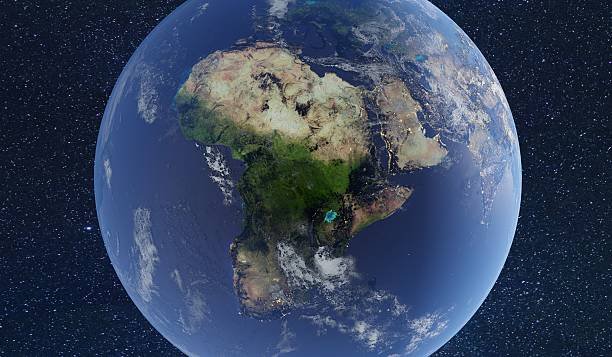
Identifying the specific African country which speaks Spanish is a vital step for travelers and scholars who want to navigate the unique linguistic landscape of the continent beyond the more common English and French speaking regions. Equatorial Guinea holds the distinction of being the only sovereign nation in Africa where Spanish is recognized as an official and primary language for administration and education. This linguistic rarity is the direct result of 18th century colonial treaties that saw Spain gain control of territories in the Gulf of Guinea. Today, the language serves as a unifying force for the nation's various ethnic groups and links the country to the global Hispanic community.
The presence of Spanish in Africa is not limited to a single nation but extends into regional territories and historical enclaves that maintain deep cultural ties to the Iberian Peninsula. To understand the full scope of where this language is used, we must look at both official recognition and the practical use of the language in trade and daily life.
These are the Countries in Africa that Speak Spanish
Exploring the regions where Spanish is spoken requires a journey from the central rain forests to the northern desert shores where history has left an indelible mark on the local tongue. While many people assume that the continent is exclusively divided into Anglophone and Francophone zones, the reality is far more diverse and includes a strong Hispanic heritage in specific pockets. Each of these locations offers a different perspective on how the Spanish language has adapted to African social structures and cultural norms. The following list identifies the key nations and territories that make up the Spanish speaking world of the African continent.
1. Equatorial Guinea
Equatorial Guinea is the primary African country which speaks Spanish and stands as the only sovereign nation on the continent where it is the official language used by the state. This linguistic heritage began in 1778 when Portugal ceded the islands of Annobon and Bioko, along with trade rights to the mainland coast, to the Spanish Empire in exchange for territorial concessions in South America. Today, approximately ninety percent of the population is fluent in Spanish, using it for government business, legal proceedings, and academic instruction across all levels of schooling. The local dialect, known as Equatoguinean Spanish, has developed its own unique phonology and vocabulary, often incorporating words from indigenous languages such as Fang and Bubi. In cities like Malabo and Bata, the language is the default medium for social interaction and commerce, making it a vibrant part of the national identity. The government has consistently promoted the use of Spanish as a way to maintain its unique status in the African Union and to foster strong diplomatic ties with nations in Latin America and Europe.
2. Western Sahara
Western Sahara is an important territory when discussing countries in Africa that speak Spanish because of its history as a former Spanish colony known as Spanish Sahara. While its political status remains a subject of international dispute, the Sahrawi people who inhabit the region continue to use Spanish as a major second language for administration and international communication. The language was introduced during the Spanish protectorate in the late 19th century and remained the official language until Spain withdrew in 1975. Today, many Sahrawi professionals and government officials in the Sahrawi Arab Democratic Republic (SADR) are fluent in Spanish, and the language is taught in schools within the refugee camps in Algeria. Spanish serves as a critical bridge for the Sahrawi people to engage with the Spanish speaking world, particularly in Spain and Cuba, where many Sahrawi students receive higher education. This enduring linguistic connection has helped preserve the region's historical identity despite the ongoing political challenges it faces.
3. Morocco
Morocco is a country in Africa speaks Spanish in its northern regions due to a history of colonial protectorates and its close geographic proximity to the Spanish mainland. During the early 20th century, Spain controlled the northern zone of Morocco, centered around the city of Tetouan, which left a lasting linguistic legacy among the local population. Today, many older residents in northern cities like Nador, Larache, and Tangier still speak Spanish fluently, and the language remains a popular subject of study for the younger generation. The proximity to the Spanish coast means that Spanish television and radio broadcasts are easily accessible, further reinforcing the use of the language in daily life. Morocco also shares land borders with two Spanish autonomous cities, which facilitates a constant flow of trade and people, ensuring that Spanish remains a practical tool for communication in these border areas. While Arabic and French are the dominant official languages, the historical and economic influence of Spain keeps the Spanish language alive in the northern corridors of the kingdom.
4. Ceuta and Melilla
Ceuta and Melilla are unique because they are technically Spanish autonomous cities located on the mainland of North Africa, making them the most direct examples of a country in Africa speaks Spanish on a daily basis. These territories have been under Spanish sovereignty for centuries, with Melilla joining in 1497 and Ceuta in 1668 after a period of Portuguese rule. As integral parts of the Spanish state, the official language is Spanish, and it is used in every aspect of life, from the local government to the school system and the media. The populations of these cities are a blend of people of Spanish and Moroccan descent, resulting in a bilingual environment where Spanish remains the dominant and administrative tongue. These cities are fully integrated into the European Union, yet their geographic location on the African coast makes them a fascinating cultural crossroads. Visitors to these cities will find that they are functionally no different from cities on the Spanish mainland in terms of language and law, despite their African setting.
5. The Canary Islands
The Canary Islands are geographically located off the coast of Morocco and Western Sahara, and they are a vital part of the Spanish speaking presence in the African region. Although they are a Spanish autonomous community and fully part of Spain, their location on the African tectonic plate often places them in the discussion of African geography. Spanish is the only official language of the islands, spoken by the entire population with a distinct accent that shares many similarities with the Spanish spoken in the Caribbean and Latin America. The islands serve as a major logistical and cultural hub between Europe, Africa, and the Americas, and the Spanish language is the primary medium for this global interaction. Because of their proximity to the African mainland, the Canary Islands have strong economic ties with neighboring African nations, often serving as a gateway for Spanish companies looking to invest on the continent. The language is the bedrock of the islands' identity, connecting their historical origins with their modern role as a premier international tourism destination.
6. Gabon
Gabon is an interesting case because it has seen a growing interest in the Spanish language, positioning itself among the African countries that speak Spanish as a significant foreign language. While French remains the official language, the Gabonese government has made efforts to promote Spanish in the educational system due to the country's proximity to Equatorial Guinea. Many Gabonese students choose to study Spanish as their primary foreign language, and there is a high degree of cross border trade that necessitates a functional understanding of the tongue. In recent years, the two nations have signed various agreements to promote cultural and linguistic exchange, leading to a rise in Spanish language programs in Gabonese secondary schools. This regional cooperation has made Spanish a valuable professional asset for Gabonese citizens looking to work in the regional oil and gas industries. The influence of Equatoguinean media and music also plays a role in making the language familiar to the people of Gabon, especially in the border provinces.
7. Cameroon
Cameroon is another nation where the Spanish language is experiencing a surge in popularity, making it a country in Africa speaks Spanish through its academic and cultural institutions. As a neighbor to Equatorial Guinea, Cameroon has a significant number of people who use Spanish for trade and social interaction along the southern borders. The Cameroonian educational system offers Spanish as an elective in many secondary schools, and it has become one of the most popular choices for students pursuing a career in international relations or linguistics. There is also a strong cultural presence of the Cervantes Institute in the region, which promotes the language through various programs and certifications. Many Cameroonians view Spanish as a gateway to the vast markets of Latin America, leading to an increased demand for language proficiency in the business sector. While the country is officially bilingual in French and English, the practical and cultural value of Spanish ensures that it continues to grow as a vital third language for many citizens.
8. Senegal
Senegal is a prominent African country which speaks Spanish as a foreign language with a very high level of academic dedication. For decades, the Senegalese government has included Spanish as a major option in the national curriculum, and today, there are thousands of Spanish teachers and hundreds of thousands of students across the country. This passion for the language is partly driven by historical connections and partly by the modern influence of Spanish culture and football, which has a massive following in Senegal. The University of Cheikh Anta Diop in Dakar has one of the largest Spanish departments in Africa, producing scholars and translators who work across the continent. There is also a significant Senegalese diaspora in Spain, which has created a continuous loop of linguistic and cultural exchange between the two nations. This grassroots enthusiasm has made Senegal a key partner for Spain in West Africa, with the language serving as a primary tool for diplomatic and educational cooperation. Most visitors to Dakar are surprised to find a high level of Spanish proficiency among the educated urban population.
9. Ivory Coast (Côte d'Ivoire)
The Ivory Coast has seen a remarkable rise in the number of people learning Spanish, making it a significant country in Africa speaks Spanish through its vibrant educational sector. Much like Senegal, the Ivory Coast has a long standing tradition of offering Spanish in secondary schools, and the language is currently the second most studied foreign language after English. This interest is fueled by the popularity of Spanish language media, including telenovelas and Latin music, which have found a massive audience in the country. The government has supported this trend by facilitating partnerships with Spanish universities and cultural organizations to improve the quality of language instruction. Many Ivorian professionals see Spanish as an essential skill for engaging in the global economy, particularly in sectors like agriculture and energy where Spanish speaking nations are major players. The presence of a growing Spanish speaking community in Abidjan, including diplomats and business expatriates, further reinforces the language's relevance in the country's professional life.
10. Nigeria
Nigeria is increasingly being recognized as an African country which speaks Spanish for strategic and commercial reasons. As a regional economic powerhouse, Nigeria has sought to expand its diplomatic and trade ties with South America, particularly with nations like Brazil and Argentina, where Spanish and Portuguese are dominant. Many Nigerian universities now offer robust Spanish programs, and there is a growing number of private language centers in cities like Lagos and Abuja catering to business professionals. The Nigerian government has recognized the importance of the Spanish language in international forums like the African Union, where it is one of the official working languages. Furthermore, the cultural reach of the Hispanic world through the internet and global entertainment has inspired a new generation of Nigerians to pursue fluency in the language. While it is not a native tongue, the pragmatic and cultural value of Spanish in Nigeria ensures that it plays a significant role in the nation's international outlook and human capital development.
Reasons Why These Countries Speak Spanish in Africa
1. Historical Colonial Expansion and Treaties: The most fundamental reason for which country that speaks Spanish in Africa is the history of Spanish colonial ventures during the late 19th and early 20th centuries. Spain sought to establish a presence in Africa to compete with other European powers, leading to the colonization of Equatorial Guinea and parts of Morocco and Western Sahara. The Treaty of El Pardo in 1778 was a turning point, allowing Spain to claim territories in the Gulf of Guinea that eventually became a unified Spanish colony. This long period of administration established Spanish as the language of law, government, and education, creating a linguistic foundation that survived long after these nations achieved independence. The legal and institutional structures of these regions remain deeply rooted in the Spanish system.
2. Geographical Proximity to the Spanish Mainland: For African countries that speak Spanish in the north, such as Morocco, the primary driver is the sheer proximity to Spain. The Strait of Gibraltar is only about nine miles wide at its narrowest point, making Spain the closest European neighbor to the African continent. This proximity has fostered centuries of migration, trade, and cultural exchange that have naturally brought the Spanish language into the daily lives of North Africans. The ease of accessing Spanish media and the constant movement of people across the Mediterranean ensure that the language remains a practical and familiar tool for communication. For many in northern Morocco, Spanish is not just a foreign language but a regional tongue tied to their economic livelihood.
3. Educational Priority and Global Opportunity: In many West African countries that speak Spanish, such as Senegal and Ivory Coast, the language is prioritized because of the global opportunities it provides. Spanish is one of the most spoken languages in the world, and African governments recognize that proficiency in it opens doors to trade and diplomacy with Latin America and Europe. The inclusion of Spanish in national curriculums is a strategic move to produce a globally competitive workforce that can navigate the Hispanic markets. Students are often motivated by the prospect of working in international organizations or pursuing higher education in Spanish speaking countries. This academic focus has created a large and growing population of fluent Spanish speakers who use the language for professional advancement.
4. Diplomatic Integration and the African Union: The status of Spanish as an official language of the African Union is a major reason why more African countries that speak Spanish are emerging in the diplomatic sphere. This recognition was largely driven by Equatorial Guinea's membership and its desire to see its national language represented on the continental stage. As a result, diplomats and officials from across Africa are often required to have a working knowledge of Spanish to participate in high level meetings and negotiations. This institutional support gives the language a prestige that encourages other nations to invest in Spanish language training for their civil servants. It ensures that Spanish remains a vital part of the continent's multi-layered political discourse.
5. Cultural Influence and Media Consumption: The global "soft power" of the Hispanic world through music, film, and sports is a significant factor in why a country in Africa speaks Spanish today. Spanish language telenovelas are incredibly popular across the continent, often dubbed or subtitled, which has led to a natural familiarity with the sounds and vocabulary of the language. The massive following of Spanish football leagues like La Liga also plays a role, as fans in Africa feel a personal connection to the teams and players from Spain. This cultural immersion creates a "friendly" environment for the language, making it more attractive for young people to learn. It transforms Spanish from a purely academic subject into a living part of the local popular culture.
6. Strategic Trade Alliances with Latin America: Many countries in Africa that speak Spanish are doing so as part of a broader shift toward "South-South" cooperation, particularly with nations like Mexico, Colombia, and Argentina. As African economies grow, they are looking for new partners beyond their traditional colonial ties, and the Spanish speaking world offers a massive and diverse market for African exports. Learning Spanish is seen as an essential step in building these commercial bridges and facilitating the exchange of technical expertise in sectors like oil, gas, and agriculture. This economic pragmatism is a powerful driver for the language's expansion in nations that were never Spanish colonies but see the benefit of linguistic alignment. It positions these African nations to take a leading role in the 21st century global economy.
Conclusion
In summary, while Equatorial Guinea remains the only country in Africa speaks Spanish as an official sovereign tongue, the language's influence is felt across the continent from the northern shores of Morocco to the universities of West Africa. This linguistic presence is a complex blend of colonial history, geographical proximity, and modern economic pragmatism that continues to grow in the digital age. As African nations seek deeper integration with the global Hispanic community, the demand for Spanish language proficiency will likely continue to rise, fostering new cultural and commercial ties. Whether through the official halls of Malabo or the classrooms of Dakar, Spanish has become a permanent part of the African identity. Understanding this Hispanic dimension is essential for anyone looking to fully appreciate the diverse and evolving character of the African continent.
Enjoyed this read?
Share it with your friends and colleagues.