Which Country In Africa Speaks Swahili

BSC Insights Admin
October 01, 2026
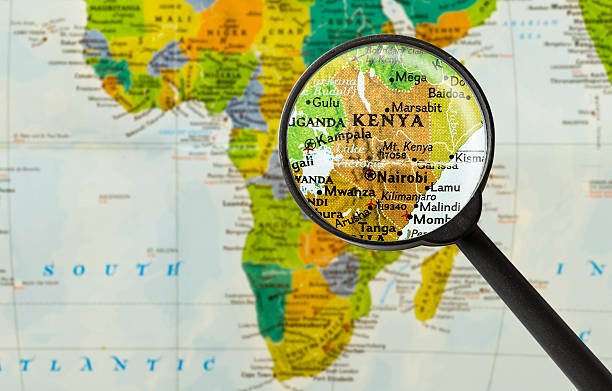
Identifying which country in Africa speaks Swahili takes us on a fascinating journey through the cultural heart of the East African Community and beyond. This rhythmic Bantu language serves as a vital bridge for over 200 million people, acting as a primary medium for trade, diplomacy, and social integration. While Tanzania is globally recognized as the cradle of the language, its usage has expanded significantly, making it one of the most influential indigenous tongues on the entire planet.
The evolution of Swahili, also known as Kiswahili, reflects centuries of maritime history and the blending of African, Arabic, and even Persian influences. Today, it stands as an official language for the African Union and continues to gain prestige in international academic and technological spheres.
These are the Countries In Africa That Speak Swahili
When investigating which country that speaks Swahili in Africa, it is essential to distinguish between nations where it is the primary national language and those where it serves as a secondary lingua franca. The language has successfully transcended ethnic boundaries, allowing people from hundreds of different tribes to communicate with ease. The following list identifies the nations that form the Swahili-speaking belt, highlighting how the language is used in government, education, and daily life across the diverse landscapes of the continent. Each entry reflects the unique historical and social context that has allowed the language to flourish in that specific region.
1. Tanzania
Tanzania is the definitive African country which speaks Swahili as both its national and official language, serving as the global headquarters for the language's development. Following independence, the first president, Julius Nyerere, championed Kiswahili as a tool for national unity, successfully using it to bridge the gaps between more than 120 different ethnic groups. Today, it is used in every aspect of Tanzanian life, from the highest levels of parliament and the judiciary to the smallest village marketplaces. The version spoken here, known as Kiswahili Sanifu, is considered the standard against which all other dialects are measured. Tanzanian music, literature, and news media are almost entirely produced in Swahili, ensuring that the language remains vibrant and deeply rooted in the national identity. It is nearly impossible to navigate the country without encountering the language, as it is the very soul of the Tanzanian people.
2. Kenya
Kenya is another prominent country in Africa speaks Swahili where the language holds official status alongside English. While English is often preferred in formal business and higher education, Swahili is the language of the masses and the primary tool for national cohesion. In urban centers like Nairobi, a unique and evolving dialect known as Sheng has emerged, blending Swahili with English and local tribal languages to create a vibrant youth culture. Along the Kenyan coast, in places like Mombasa and Lamu, the most traditional forms of the language are spoken, reflecting the ancient history of the Swahili civilization. The Kenyan government has integrated Swahili into the national curriculum as a mandatory subject, ensuring that the younger generation maintains high levels of proficiency. For most Kenyans, Swahili is the language of the heart, used to express humor, emotion, and solidarity in daily social interactions.
3. Uganda
Uganda has had a complex relationship with the language, but it is now recognized as one of the countries in Africa that speak Swahili with increasing official support. Historically, the language was associated with the military and police, which created a certain level of social stigma among the civilian population during periods of political instability. However, in 2022, the Ugandan government officially adopted Swahili as a second official language to facilitate better integration with its East African neighbors. This policy change has led to the introduction of Swahili lessons in primary and secondary schools across the country. In northern and eastern Uganda, the language is widely used in trade, particularly with people from Kenya and South Sudan. As the nation moves toward greater regional cooperation, the proficiency of the average Ugandan in Swahili is expected to rise significantly in the coming years.
4. Democratic Republic of the Congo
The Democratic Republic of the Congo is a massive country in Africa speaks Swahili throughout its eastern provinces, where it serves as one of the four national languages. The dialect spoken here is often referred to as Kingwana, which has developed its own unique vocabulary and phonetic characteristics due to the influence of French and local Bantu languages. In cities like Goma, Bukavu, and Lubumbashi, Swahili is the primary medium for trade, mining operations, and social communication. The language acts as a vital link between the mineral-rich eastern regions and the neighboring East African markets. Despite the vast geographical distance from the Indian Ocean coast, the language has maintained a strong presence for over a century, brought inland by historical trade caravans. For the residents of eastern Congo, Swahili is not just a language but a powerful symbol of their regional identity and economic connectivity.
5. Rwanda
Rwanda has recently positioned itself as an African country which speaks Swahili to align with the protocols of the East African Community. In 2017, the Rwandan parliament passed a law making Swahili an official language, joining Kinyarwanda, French, and English in the national linguistic framework. This move was primarily driven by the need to facilitate regional trade and to accommodate the many Rwandans who returned from exile in neighboring Swahili-speaking nations. While Kinyarwanda remains the mother tongue of nearly the entire population, Swahili is increasingly heard in the capital, Kigali, and in the border towns. It is now a common language in the hospitality sector and is being integrated into the school system to prepare the youth for a regionalized job market. The transition shows Rwanda's pragmatic approach to using language as a tool for economic expansion and regional diplomacy.
6. Burundi
Burundi is a country in Africa speaks Swahili primarily in its urban centers and along its trading routes, where it serves as an essential secondary language. While Kirundi is the national language and French is used for administration, Swahili is the dominant tongue in the bustling markets of Bujumbura. The language has deep roots in the country, dating back to the arrival of Arab and Swahili traders in the 19th century. Many Burundians who lived in refugee camps in Tanzania also brought a high level of Swahili proficiency back with them, further strengthening its presence. It is widely used in the transport and commerce sectors, allowing Burundian traders to interact seamlessly with partners from across East Africa. The government recognizes its importance for regional integration and encourages its use in cross-border professional settings.
7. Comoros
The Comoros islands are often overlooked in the discussion of African countries that speak Swahili, but their national language, Shikomori, is essentially a group of Swahili dialects. While Shikomori has its own distinct characteristics and French is used for government business, the linguistic link to the mainland Swahili coast is undeniable. The grammar and a large portion of the vocabulary are shared with Kiswahili, allowing Comorians to understand mainland speakers with relative ease. The islands have been part of the Swahili maritime world for over a thousand years, serving as a major hub for the exchange of goods and ideas across the Indian Ocean. In the modern era, many Comorians study in Tanzania or Kenya, further reinforcing the linguistic and cultural ties. The language here is a beautiful testament to the seafaring heritage of the Swahili people and their enduring influence on the island's culture.
8. Mozambique
Mozambique is a country in Africa speaks Swahili in its northernmost provinces, specifically in Cabo Delgado and the Niassa region. The language has been spoken along this coastline for centuries, acting as the primary medium for the fishing and maritime trade communities. While Portuguese is the official language and various local Bantu languages are spoken, Swahili remains a vital lingua franca for those living near the Tanzanian border. The cross-border movement of people and goods has ensured that the language stays relevant in daily life and local commerce. There is also a significant population of Swahili-speaking Muslims in these areas, as the language is historically tied to the spread of Islamic culture in Southeast Africa. For the people of northern Mozambique, Swahili is the bridge that connects them to the broader cultural and economic sphere of the East African coast.
9. Malawi
Malawi is a country in Africa speaks Swahili in its northern districts, where it is used primarily by traders and communities along the shores of Lake Malawi. The language reached the region through historical trade routes that connected the lake to the Indian Ocean ports of Kilwa and Bagamoyo. While Chewa is the national language, Swahili is often used as a trade language by those interacting with Tanzanian merchants. In towns like Karonga, it is common to hear the language used in the markets and transport hubs. Malawi’s membership in regional organizations has also increased the prestige of the language among the educated elite and business professionals. Though not an official language, its utility in the northern region makes it a significant part of the country's diverse linguistic landscape.
10. Somalia
Somalia is home to a unique community of African countries that speak Swahili through the Bravanese and Bajuni people living along the southern coast. These groups speak dialects known as Chimwiini and Kibajuni, which are recognized as being part of the broader Swahili linguistic family. The historical city of Brava was once a major northern outpost of the Swahili civilization, blending Somali culture with the maritime traditions of the coast. While the majority of Somalis speak Somali, these coastal enclaves have preserved their Swahili heritage through centuries of change. The language is used in poetry, traditional songs, and daily household interactions within these specific communities. Recent migrations and the return of refugees from Kenya have also brought standard Swahili into the urban centers of southern Somalia, particularly in Mogadishu.
11. South Sudan
South Sudan has emerged as an African country which speaks Swahili in a functional capacity as it seeks deeper ties with its East African neighbors. After gaining independence, many South Sudanese who had lived as refugees in Kenya and Uganda returned home with a high level of Swahili proficiency. The language is now commonly heard in the capital, Juba, particularly in the markets and among the business community. While Arabic and English are the primary languages of administration, the government has expressed interest in adopting Swahili as an official language to facilitate integration into the East African Community. It is seen as a neutral language that can help unify a country with many different ethnic groups and languages. As trade between Juba and Nairobi continues to grow, the use of Swahili is becoming increasingly essential for the nation's economic future.
12. Zambia
Zambia is a country in Africa speaks Swahili in its northern border towns, where it facilitates trade with neighbors from the Democratic Republic of the Congo and Tanzania. While English is the official language and Bemba is the dominant regional tongue in the north, Swahili is frequently used by cross-border traders and truck drivers. The town of Nakonde, a major gateway between Zambia and Tanzania, is a place where Swahili is spoken fluently by many residents involved in the transit industry. Furthermore, the presence of various East African expatriates and refugees has introduced the language to other urban centers like Lusaka and Ndola. While it is not taught in schools or used in government, its practical value in the southern African interior is significant. For many Zambians, Swahili is a valuable professional asset that allows them to participate in the lucrative trade corridors of the continent.
Reasons Why These Countries Speak Swahili in Africa
1. Historical Indian Ocean Trade: The primary reason which country that speaks Swahili in Africa has this linguistic heritage is the ancient trade network that flourished along the coast. For over a millennium, monsoon winds brought traders from Arabia, Persia, and India to the African shores, where they interacted with the local Bantu populations. This constant exchange of goods, such as spices, gold, and ivory, necessitated a common language, leading to the birth and expansion of Swahili. The language followed the trade dhows and caravans deep into the interior, establishing itself as the premier tongue for commerce and diplomacy across vast distances.
2. Post-Colonial National Identity: In several African countries that speak Swahili, the language was intentionally chosen by independence leaders to serve as a symbol of national sovereignty. In Tanzania, Mwalimu Julius Nyerere recognized that English was the language of the colonizer and that a native tongue was needed to unite the people. By promoting Swahili, these nations were able to foster a sense of pride and collective identity that transcended the ethnic divisions created during the colonial era. This political strategy proved highly effective, making Swahili a core part of the modern African nation-building process and a symbol of indigenous intellectual strength.
3. Influence of the East African Community (EAC): The growth of regional blocks is a major reason why more countries in Africa that speak Swahili are emerging today. The EAC, which now includes eight member states, has designated Kiswahili as an official language to simplify communication between its governments and citizens. This institutional support has led to the adoption of the language in countries like Rwanda and Uganda, where it was not traditionally dominant. By using a shared language, these nations can harmonize their laws, facilitate the free movement of labor, and negotiate trade agreements more effectively. Swahili is effectively becoming the diplomatic glue that holds the East African region together.
4. Spread through Religious Missions: Both Islam and Christianity played significant roles in why an African country which speaks Swahili has maintained the language over centuries. Early Muslim scholars used Swahili to teach the Quran and Islamic law along the coast, while later Christian missionaries translated the Bible into Swahili to reach a broader audience in the interior. This religious usage gave the language a level of prestige and a written form that helped it survive and spread during periods of rapid social change. Today, Swahili remains the language of sermons and religious texts for millions of believers across the central and eastern parts of the continent, ensuring its continued relevance in spiritual life.
5. Modern Media and Pop Culture: The explosion of the "Bongo Flava" music industry from Tanzania and the rise of Swahili-language television have made the language attractive to the younger generation in every country in Africa speaks Swahili. Artists like Diamond Platnumz and Sauti Sol have massive fan bases across the continent, making the language "cool" and aspirational. Digital platforms and social media have further accelerated this trend, allowing Swahili slang to travel from the streets of Dar es Salaam to the markets of Kinshasa in a matter of hours. This cultural soft power is perhaps the most effective tool for the contemporary expansion of the language, bypassing official government policies and reaching people directly through entertainment.
6. Educational Reforms and Pan-Africanism: Finally, the ideological movement of Pan-Africanism has encouraged more African countries that speak Swahili to introduce the language into their educational systems. From South Africa to Ethiopia, there is a growing realization that Africa needs its own common language to reduce reliance on European tongues. Schools in various parts of the continent are now offering Swahili as an elective or a mandatory subject, viewing it as a way to connect the next generation of Africans. This educational focus is not just about communication; it is about reclaiming the continent's cultural heritage and building a more unified future. Swahili is seen as the natural choice for this continental mission because of its history as a language of peace and cooperation.
Conclusion
In summary, determining which country in Africa speaks Swahili reveals a continent that is increasingly united by its own indigenous voice. From the national pride of Tanzania and Kenya to the strategic adoption in Rwanda and Uganda, Swahili continues to expand its reach as a vital tool for unity and progress. This language is far more than a collection of words; it is a vessel for centuries of history, a symbol of liberation, and a medium for modern innovation. As the East African region continues to integrate and grow, the role of Swahili as a global language will only strengthen, ensuring that the heart of Africa speaks with one resonant and powerful tongue. Whether used in the halls of diplomacy or the vibrant streets of its cities, Swahili remains the undisputed language of the African soul.
Enjoyed this read?
Share it with your friends and colleagues.