Which Country In Africa Uses Pounds

BSC Insights Admin
October 01, 2026
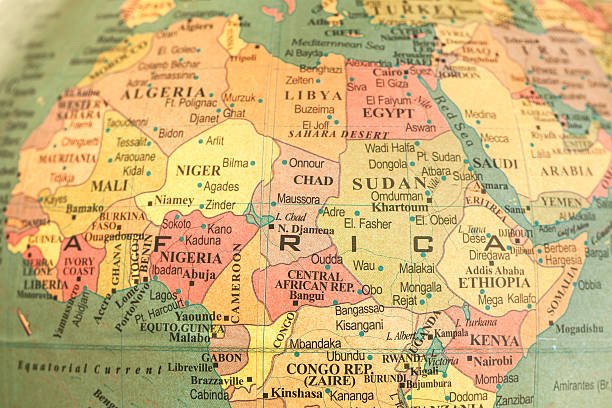
When considering which country in Africa uses Pounds, it's essential to understand that while many African nations have historical ties to the British Pound, currently only a few sovereign states on the continent officially utilize a currency explicitly named the 'Pound.' Specifically, Egypt, Sudan, and South Sudan are the primary African countries that maintain their national currencies under the 'Pound' denomination, each with its distinct value and economic context.
This article delves into the specifics of these currencies, exploring their historical origins, economic significance, and the nuances that differentiate them from the British Pound Sterling, while also providing valuable insights for travelers and those interested in the diverse monetary landscape of Africa.
The Egyptian Pound (EGP): A Legacy of Stability and Change
Egypt, one of Africa's most populous and historically rich nations, uses the Egyptian Pound (EGP) as its official currency. The Egyptian Pound is perhaps the most widely recognized of the African 'Pound' currencies, playing a crucial role in the country's economy and international trade.
History and Evolution of the Egyptian Pound
The history of the Egyptian Pound is deeply intertwined with Egypt's political and economic trajectory. Introduced in 1834 to replace the piastre as the main unit of currency, the Egyptian Pound was initially pegged to the British Pound Sterling until 1962. This historical link reflects the significant British influence in Egypt during the 19th and early 20th centuries. Over time, as Egypt gained full independence and sought to assert its economic sovereignty, the peg was removed, allowing the currency to float.
Economic Significance and Usage
Today, the Egyptian Pound is a vital component of the Egyptian economy, facilitating domestic transactions, tourism, and international trade. It is issued by the Central Bank of Egypt, with denominations ranging from banknotes (EGP 5, 10, 20, 50, 100, 200) to coins (piastres and lower pound denominations, though coins are less commonly used for everyday transactions). The currency code for the Egyptian Pound is EGP.
Egypt's economy relies heavily on sectors like tourism, Suez Canal revenues, oil and gas exports, and remittances from Egyptians working abroad. The stability and exchange rate of the Egyptian Pound against major global currencies like the US Dollar and Euro are significant indicators of the country's economic health. Fluctuations can impact import costs, inflation, and the purchasing power of citizens. For travelers, exchanging foreign currency for EGP is straightforward at banks, exchange bureaus, and hotels across the country.
The Sudanese Pound (SDG): Navigating Economic Challenges
Sudan, a nation with a complex and often turbulent history, uses the Sudanese Pound (SDG). Its currency has undergone significant changes, particularly following the secession of South Sudan.
A Currency Divided: Post-Secession Changes
Before the independence of South Sudan in 2011, Sudan used a unified currency. However, with the establishment of South Sudan as a separate nation, a new currency, also called the Sudanese Pound, was introduced in the Republic of Sudan (North Sudan) to replace the old Sudanese Dinar. This change aimed to stabilize the economy and reflect the new geopolitical reality.
Economic Landscape and Challenges
The Sudanese Pound (SDG) has faced considerable economic challenges, including high inflation, internal conflicts, international sanctions, and a significant external debt burden. The loss of oil revenues following South Sudan's independence further strained the economy, as much of Sudan's oil reserves were located in the south. The Central Bank of Sudan is responsible for issuing the currency and managing monetary policy, often under difficult circumstances.
Banknotes are available in various denominations (e.g., SDG 50, 100, 200, 500, 1000), reflecting the need to accommodate transactions amidst inflation. Due to economic volatility, the exchange rate of the Sudanese Pound can be highly variable, and access to foreign currency can be restricted. For those engaging with Sudan, understanding the current economic situation and currency exchange regulations is paramount.
The South Sudanese Pound (SSP): A Young Nation's Currency
Following its independence in 2011, South Sudan introduced its own currency, the South Sudanese Pound (SSP), marking another instance of an African nation adopting the 'Pound' denomination.
Birth of a Currency and Economic Headwinds
The South Sudanese Pound (SSP) was launched in July 2011, shortly after the country declared its independence. It was designed to replace the old Sudanese Pound and establish monetary sovereignty for the world's newest nation. The Bank of South Sudan is the issuing authority.
However, South Sudan's economic journey has been fraught with difficulties. Prolonged civil conflict, reliance on oil exports (which are subject to price volatility), underdeveloped infrastructure, and institutional weaknesses have led to severe economic instability. The South Sudanese Pound has experienced significant depreciation and hyperinflation, making it one of the most volatile currencies globally. Banknotes are issued in denominations like SSP 5, 10, 20, 50, 100, 500, and 1000.
Efforts Towards Stability
Despite these challenges, the government and central bank continue efforts to stabilize the South Sudanese Pound and foster economic growth. This includes attempts to diversify the economy beyond oil, improve governance, and attract foreign investment. For international visitors or businesses, navigating the currency landscape in South Sudan requires careful planning and awareness of rapid economic changes.
Historical Context: The British Pound's Enduring Influence
The fact that Egypt, Sudan, and South Sudan use currencies named 'Pound' is not a coincidence but a direct legacy of the British Empire's historical presence and influence across Africa.
Colonial Era and Monetary Systems
During the colonial era, many parts of Africa were under British rule or significant British influence. The British Pound Sterling was either the official currency or a widely accepted medium of exchange in these territories. As these nations gained independence, many chose to establish their own national currencies. While some opted for entirely new names (e.g., Nigerian Naira, Ghanaian Cedi), others retained the 'Pound' nomenclature as a nod to their historical monetary systems, even though these new currencies were no longer pegged to or equivalent to the British Pound.
Transition to National Currencies
The transition from colonial currencies to independent national currencies was a crucial step in economic sovereignty. For countries like Egypt and Sudan, adopting their own 'Pound' denomination allowed them to control monetary policy, issue their own banknotes, and tailor their financial systems to their specific economic needs, rather than being dictated by London.
Distinguishing 'Pound' Currencies in Africa
It is critically important to understand that the Egyptian Pound (EGP), Sudanese Pound (SDG), and South Sudanese Pound (SSP) are entirely distinct currencies. They have different values, exchange rates, and are not interchangeable, nor are they equivalent to the British Pound Sterling (GBP).
Not All Pounds Are Created Equal
- Value: The value of each African 'Pound' varies significantly. For example, 1 British Pound Sterling would exchange for a vastly different amount of Egyptian Pounds compared to Sudanese Pounds or South Sudanese Pounds.
- Issuing Authority: Each currency is issued and managed by its respective country's central bank.
- Exchange Rates: Their exchange rates are independently determined by market forces, economic policies, and geopolitical factors within their respective countries.
Key Facts About African Pound Currencies
| Country | Currency Name | Currency Code | Issuing Authority |
|---|---|---|---|
| Egypt | Egyptian Pound | EGP | Central Bank of Egypt |
| Sudan | Sudanese Pound | SDG | Central Bank of Sudan |
| South Sudan | South Sudanese Pound | SSP | Bank of South Sudan |
Practical Advice for Travelers and Businesses
For individuals planning to travel to Egypt, Sudan, or South Sudan, or businesses engaging with these nations, understanding the local currency is crucial. Here are some actionable insights:
Currency Exchange Tips
- Check Current Rates: Always check the latest official exchange rates before exchanging money. Websites of central banks or reputable financial news outlets can provide this information.
- Authorized Exchange Points: Exchange foreign currency only at authorized banks, hotels, or licensed exchange bureaus. Avoid informal street exchangers, as they may offer unfavorable rates or engage in illicit activities.
- Small Denominations: Carry a mix of small and larger denominations of the local currency, especially for everyday purchases or in areas where change might be scarce.
Payment Methods and Financial Preparedness
- Cash is King: While credit cards are accepted in major hotels and larger establishments in Egypt, cash is often preferred and sometimes the only option, especially in Sudan and South Sudan, and in more rural areas.
- ATM Availability: ATMs are common in major Egyptian cities but may be scarce or unreliable in Sudan and very limited in South Sudan. Always inform your bank of your travel plans to avoid card blocks.
- Emergency Funds: Always have a contingency plan for funds, such as a secondary credit card or a small amount of USD or Euro for emergencies, particularly when traveling to countries with less stable economic environments.
The Broader African Currency Landscape
Beyond the 'Pound' countries, Africa boasts a rich and diverse array of national currencies, each with its unique story and economic challenges. From the Nigerian Naira and the South African Rand to the various CFA Francs used across West and Central Africa, the continent's monetary systems reflect its vast cultural and economic diversity. Understanding these currencies is key to appreciating the economic dynamics of each nation.
While the colonial past has undoubtedly shaped some of these currency names, the modern African 'Pounds' are symbols of their respective nations' economic independence and aspirations. They play a pivotal role in the daily lives of millions and are central to the economic development of their countries.
Conclusion
In summary, while the question of which country in Africa uses Pounds might lead some to think of a singular currency, it is important to distinguish between the British Pound Sterling and the distinct national currencies named 'Pound' within Africa. Egypt (Egyptian Pound - EGP), Sudan (Sudanese Pound - SDG), and South Sudan (South Sudanese Pound - SSP) are the primary African nations that currently utilize currencies bearing this name. Each of these currencies has its own unique history, economic context, and independent value, reflecting the sovereignty and economic challenges of its respective nation. Understanding these differences is crucial for anyone interested in the financial markets of Africa or planning to visit these diverse countries.
Enjoyed this read?
Share it with your friends and colleagues.