Which Country In Africa Is Very Hot

BSC Insights Admin
October 01, 2026
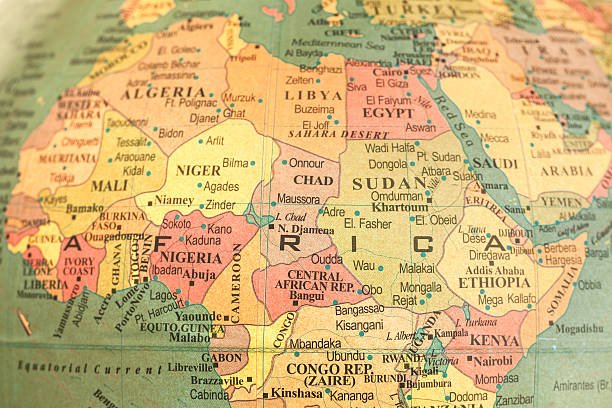
Discovering which country in Africa is very hot involves looking at meteorological data from the Sahara Desert to the Horn of Africa where temperatures frequently shatter global records. Most of these nations experience average daily highs that rarely dip below 30 degrees Celsius, with peak summer months pushing the mercury toward 50 degrees Celsius in certain regions. This extreme climate is a result of geographic positioning, low cloud cover, and the expansive influence of the world's largest hot desert.
The heat in these regions is not just a seasonal occurrence but a defining characteristic of the environment that shapes daily life, architecture, and agriculture. To provide an accurate answer, we must examine the specific nations that consistently rank as the warmest based on year-round average temperatures and extreme heat events.
These are the Countries In Africa That are Very Hot
Identifying a country in Africa very hot requires a look at various climate zones, particularly the Sahelian and Saharan belts where the sun remains intense for nearly twelve hours a day. These nations are characterized by high solar radiation and, in many cases, a lack of significant vegetation to provide cooling through evapotranspiration. The following list features the nations that meteorological stations and international climate monitors frequently highlight as the warmest on the continent. These countries have adapted to some of the harshest thermal conditions on Earth, creating a unique landscape of resilience and survival in the face of persistent heatwaves.
1. Mali
Mali is frequently cited as the African country which is very hot on a year-round basis, especially in its northern and central regions that are consumed by the Sahara. The town of Kayes, often called the "pressure cooker of Africa," regularly sees temperatures exceeding 40 degrees Celsius (104 degrees Fahrenheit) for months at a time. The heat is largely dry and relentless, with very little rain to cool the parched earth outside of a short monsoon season. In the historic city of Timbuktu, the sun reflects off the sandy streets and mud-brick mosques, creating a shimmering heat haze that is visible for miles. Even during the winter months, the daytime temperatures remain significantly higher than those found in temperate regions, making the shade a vital commodity for survival. The reliance on traditional cooling methods, such as thick adobe walls, is a direct response to the intense solar energy that defines the Malian landscape. This nation’s climate is a testament to the power of the Saharan sun and its ability to dominate an entire country's thermal profile.
2. Djibouti
Djibouti holds a unique position as a country in Africa very hot due to its low elevation and volcanic landscape. Much of the country consists of stony deserts and volcanic plates that absorb heat throughout the day and radiate it back at night. Lake Assal, which sits 155 meters below sea level, is one of the hottest places on the planet, with temperatures frequently reaching 52 degrees Celsius (125 degrees Fahrenheit). The heat is often compounded by high humidity coming off the Red Sea and the Gulf of Aden, making the "real feel" temperature even more oppressive for residents. Because of its geological activity, the ground itself can be warm to the touch, and there are very few trees to offer relief from the direct overhead sun. The capital, Djibouti City, experiences a "summer" that lasts for nearly the entire year, necessitating significant energy consumption for air conditioning among those who can afford it. For most, the midday hours are a time of rest, as the intensity of the heat makes physical labor nearly impossible between noon and four in the afternoon.
3. Senegal
While the coast of Senegal enjoys a cooling sea breeze, the interior of the country is an African country which is very hot and prone to extreme temperature spikes. In eastern Senegal, towns like Matam and Podor are known for some of the highest recorded temperatures in West Africa, often reaching well into the late 40s in April and May. This region sits on the edge of the Sahel, where the vegetation is sparse and the soil is sandy, allowing the air to heat up rapidly after sunrise. The lack of mountain ranges or significant forests means there is nothing to block the hot Harmattan winds that blow in from the Sahara. During these periods, the air becomes dusty and bone-dry, leading to high rates of dehydration if precautions are not taken. Despite the heat, the people of the interior have a rich agricultural tradition, timed carefully around the few months of the year when the heat is less punishing. The contrast between the relatively mild Dakar on the coast and the scorching plains of the interior highlights the diverse thermal reality of this West African nation.
4. Burkina Faso
Burkina Faso is a landlocked country in Africa very hot that experiences a tropical savanna climate with a distinct and punishing dry season. From March to May, the heat is at its most intense, with daily highs consistently hovering between 40 and 45 degrees Celsius. Because it is surrounded by land on all sides, there are no maritime influences to regulate the temperature, leading to high thermal inertia. The capital city, Ouagadougou, is often ranked among the hottest capital cities in the world, where the asphalt and concrete of the urban environment trap heat long after the sun has set. Dust storms are a common accompaniment to the heat, as the dry winds whip across the Sahelian plains. Life in Burkina Faso is carefully calibrated to the heat, with markets being most active in the early morning and late evening when the temperature is slightly more bearable. The construction of homes often includes high ceilings and ventilation holes to encourage whatever small breeze might exist to circulate through the living spaces.
5. Sudan
Sudan is widely regarded as one of the countries in Africa that are very hot because of its vast desert reaches and the intense solar exposure of the Nile Valley. Khartoum, the capital, is situated at the confluence of the Blue and White Nile, but the river provides little cooling effect to the surrounding city, which regularly sees summer temperatures of 47 degrees Celsius. The northern part of Sudan is almost entirely Saharan, with some of the highest solar radiation levels recorded on Earth. The heat is so intense that it can warp metal and make outdoor activities dangerous for those not acclimatized to the environment. Historically, the Kingdom of Kush thrived in this heat, but modern residents rely on heavy fans and evaporative coolers to survive the peak months. The "Haboob," or massive dust storms, often precede the hottest days, casting an orange glow over the landscape and signaling a rise in temperature. Even the rainfall, when it comes, is often preceded by a "heat burst" that can cause temperatures to spike temporarily before the water hits the ground.
6. Niger
Niger is a country in Africa very hot due to the fact that over 80 percent of its landmass is covered by the Sahara Desert. The Aïr Mountains offer some slight relief in altitude, but the vast majority of the nation lives in a state of perpetual warmth. The town of Agadez, a gateway to the desert, is a place where the sun is so powerful that it dictates the entire schedule of the town’s inhabitants. Temperatures here routinely exceed 45 degrees Celsius, and the dry air means that perspiration evaporates instantly, making it difficult for people to realize how much water they are losing. The southern part of the country, where the Niger River flows, is slightly more humid but no less hot, with the moisture creating a "sauna" effect during the rainy season. Niger’s economy, which relies heavily on uranium mining and agriculture, must contend with these extreme conditions every day. The resilience of the Tuareg and Hausa people who inhabit these regions is legendary, as they have mastered the art of living in harmony with one of the most demanding climates on the planet.
7. Mauritania
Mauritania is an African country which is very hot and uniquely shaped by its long coastline that meets the burning sands of the Sahara. While the Atlantic Ocean provides some relief to the capital, Nouakchott, the vast interior is a furnace of sun and sand. In places like Atar and Chinguetti, the heat is absolute, with the dark rocky plateaus of the Adrar region absorbing immense amounts of solar energy. The temperature can fluctuate wildly between day and night, but the daytime highs are consistently among the highest in North Africa. The "Sharki" wind occasionally blows from the east, bringing scorching air that can raise temperatures by ten degrees in a matter of hours. This wind also carries the fine sand of the desert, which can penetrate even the most tightly sealed buildings. Despite these conditions, Mauritania is home to ancient library cities and a nomadic culture that has flourished in the heat for over a thousand years. The heat is not seen as an enemy but as a constant companion that defines the very essence of Mauritanian life and spirituality.
8. Ethiopia (The Danakil Depression)
While Ethiopia is known for its cool highlands, it contains the Danakil Depression, which makes it a country in Africa very hot in specific, extreme locales. Dallol, located in this depression, holds the record for the highest average temperature for an inhabited location on Earth. The average daily maximum is consistently above 41 degrees Celsius throughout the entire year, with no "cool" season to speak of. This area is a geologically active wasteland of salt pans, hydrothermal springs, and sulfur fields that add a chemical heat to the already blistering sun. The depression is over 100 meters below sea level, which traps the hot air and prevents it from escaping, creating a natural oven. Workers who mine salt in this region face some of the most grueling conditions known to man, working under a sun that feels close enough to touch. The vibrant, neon colors of the mineral deposits contrast with the harsh, unforgiving nature of the heat, making it one of the most beautiful yet dangerous places on the continent. It is a stark reminder that within one country, the climate can vary from alpine cold to volcanic heat.
9. Chad
Chad is another African country which is very hot, particularly in the northern Borkou-Ennedi-Tibesti region where the Sahara is at its most rugged. The northern town of Faya-Largeau is a permanent heat pole, where the mercury frequently stays above 40 degrees Celsius for the majority of the year. The center of the country is part of the Sahel, a semi-arid zone that experiences a "heat season" before the arrival of the summer rains that is notoriously difficult to endure. During this time, the lack of cloud cover allows the sun to bake the earth until it cracks, and the hot winds from the north bring constant dust. Lake Chad in the southwest provides some moisture, but the surrounding plains remain incredibly warm due to the high solar angle. The people of Chad are primarily pastoralists and farmers, and their entire livelihoods are tied to the timing of these heat cycles. The vast distances between oases and towns mean that travel in Chad requires careful planning to avoid the most dangerous hours of the sun’s peak intensity. The heat here is a silent, powerful force that governs the movement of millions of people and animals across the vast landscape.
10. Libya
Libya is a country in Africa very hot that once held the world record for the highest temperature ever recorded at El Azizia, though that specific 1922 reading was later disputed by the World Meteorological Organization. Regardless of that record, the reality of Libyan heat is undeniable, with the vast Ghibli wind bringing scorching air from the desert to the Mediterranean coast. During a Ghibli event, temperatures in coastal cities like Tripoli can rise from 25 to 45 degrees Celsius in a single morning. The interior of the country, such as the town of Sabha, is consistently hot throughout the year, with very little reprieve from the sun. The vast oil fields located in the desert regions require workers to operate in conditions that are often at the limit of human endurance. Libya's ancient history, including the Roman ruins of Leptis Magna, shows that civilizations have been thriving in this heat for millennia, using stone and underground structures to stay cool. Today, the heat remains a significant challenge for the nation's infrastructure, particularly in terms of water management and electricity for cooling. The Libyan desert is one of the most pristine and beautiful parts of the Sahara, but its beauty is matched only by the intensity of its heat.
Reasons Why These Countries Are Very Hot in Africa
1. Geographic Proximity to the Sahara Desert: The most significant reason why a country in Africa very hot experiences such extremes is its proximity to or inclusion within the Sahara. The desert acts as a massive thermal battery, absorbing solar radiation and heating the air masses above it. These hot air masses then move across the continent, bringing dry, blistering heat to nations like Mali, Niger, and Chad. Without large bodies of water or forests to cool the air, the desert’s influence remains the dominant factor in regional temperatures.
2. Low Latitudinal Position and High Solar Angle: Most of the countries in Africa that are very hot are located near the equator or within the tropics. This positioning means that the sun’s rays hit the earth at a nearly vertical angle for most of the year, delivering more solar energy per square inch than in northern or southern latitudes. The intensity of this direct sunlight is the primary engine behind the high daily temperatures. In these regions, the sun is not just a source of light but a constant, heavy source of thermal energy that begins to bake the landscape as soon as it rises.
3. Lack of Cloud Cover and Humidity: In many of these nations, particularly the Saharan and Sahelian ones, the air is incredibly dry. Without moisture in the atmosphere to form clouds, there is nothing to block the sun’s rays from reaching the ground. Clouds act as a shield during the day and a blanket at night; their absence means the ground heats up rapidly to extreme levels. This country in Africa very hot phenomenon is why the daytime temperatures are so high, even if the nights can sometimes feel surprisingly cool by comparison.
4. The Effect of Continentality: Landlocked nations like Burkina Faso and Mali suffer from continentality, which is the lack of a stabilizing maritime influence. Large bodies of water, like oceans, take a long time to heat up and cool down, which helps regulate the temperature of nearby land. Since these nations are far from the sea, their land surfaces heat up much faster and reach higher temperatures than coastal areas. This isolation from the cooling effects of the Atlantic or Indian Oceans ensures that the heat remains trapped and intensified over the landmass.
5. Low Elevation and Below Sea Level Depressions: Altitude plays a major role in temperature; generally, the higher you go, the cooler it gets. A country in Africa very hot like Djibouti or Ethiopia (specifically the Danakil) contains areas that are at or below sea level. In these low-lying depressions, the air is denser and traps more heat, creating a "greenhouse" effect on a local scale. These areas act as heat sinks where the hot air settles and becomes even more compressed and warm, leading to the world-record averages seen in places like Dallol.
6. Impact of the Harmattan and Ghibli Winds: The movement of seasonal winds is a key reason for temperature spikes across the continent. The Harmattan is a dry, dusty wind that blows from the Sahara toward the Gulf of Guinea, carrying the desert’s heat to West African nations. Similarly, the Ghibli in Libya can cause sudden, massive increases in coastal temperatures. These winds function like a giant hair dryer, blowing hot, dry air over thousands of miles and ensuring that even regions outside the deep desert experience extreme thermal conditions.
7. Deforestation and Soil Degradation: Human and environmental factors such as the loss of vegetation also contribute to why a country in Africa very hot is seeing even higher temperatures. Trees and plants provide shade and release moisture into the air, which helps cool the environment. As the "Green Wall" is pushed back by desertification and human activity, the bare soil is exposed to the direct sun. This exposed earth absorbs more heat than a forested area would, leading to a rise in local temperatures and a more punishing climate for the people living there.
8. Geological and Volcanic Activity: In certain parts of East Africa, the earth’s crust is thin and geologically active. In Djibouti, the tectonic plates are pulling apart, allowing heat from the earth's mantle to be closer to the surface. This geological heat, combined with the intense African sun, creates an environment where the very ground contributes to the high temperatures. This double-source of heat makes the region around the Great Rift Valley some of the most thermally intense places on the planet.
9. Urban Heat Island Effect: In growing nations like Nigeria, Sudan, and Egypt, the development of large cities has created "urban heat islands." Concrete, asphalt, and stone absorb more heat than natural landscapes and release it slowly throughout the night. This means that in a country in Africa very hot, the cities often stay much warmer than the surrounding countryside. As urbanization continues, the residents of these cities face a constant, 24-hour cycle of heat that is exacerbated by the lack of green spaces and the density of modern buildings.
Conclusion
Determining which country in Africa is very hot reveals a continent of diverse but consistently extreme thermal environments. From the Saharan reaches of Mali and Niger to the volcanic depressions of Djibouti and Ethiopia, these nations represent the peak of global solar intensity. The heat is a fundamental force that dictates everything from the architecture of ancient cities to the daily rhythms of modern urban life. While the challenges of living in such high temperatures are significant, the cultures that have emerged in these regions show an incredible capacity for adaptation and resilience. As global climate patterns continue to shift, understanding the heat of Africa becomes increasingly important for the rest of the world. Ultimately, these countries remind us of the sun’s power and the enduring spirit of the people who call the warmest places on Earth their home.
Enjoyed this read?
Share it with your friends and colleagues.