Which Country In Africa Is Visa Free

BSC Insights Admin
October 01, 2026
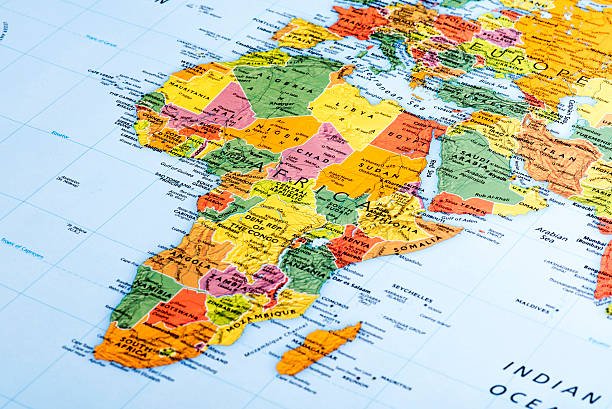
Discovering which country in Africa is visa free has become much simpler as the continent moves toward a borderless future for tourism and trade. Currently, nations such as Rwanda, Benin, and Seychelles allow visitors from many parts of the world to enter without a traditional visa to promote international connectivity. This open-door policy is a cornerstone of the African Union vision to integrate the economies and social landscapes of all fifty-four member states.
The movement toward a visa-free Africa is gaining significant momentum as governments recognize that restrictive travel policies often hinder economic growth. To understand the current travel landscape, one must look at the specific nations that have pioneered these changes and the benefits they offer to global travelers.
These are the Countries In Africa That are Visa Free
Travelers looking for a country in Africa visa free will find that the list of accessible destinations is growing every year. These nations have realized that by removing bureaucratic hurdles, they can attract more high-spending tourists and skilled professionals who contribute to the local economy. From the white sandy beaches of the Indian Ocean islands to the rolling hills of Central Africa, the following destinations provide a hassle-free entry process. Each of these countries has unique requirements, but they all share a common goal of making travel as seamless as possible for their visitors.
1. Seychelles
Seychelles is famously known as the most accessible African country which is visa free for every single nationality in the world. Rather than a traditional visa, the government requires travelers to obtain a simple electronic Travel Authorization before their arrival to ensure security and health standards are met. This archipelago of 115 islands relies heavily on its tourism industry, and this open policy has helped it maintain a steady flow of visitors from Europe, Asia, and other parts of Africa. Once you land in Mahe, you are typically granted a visitor permit for up to three months, provided you have a return ticket and proof of accommodation. This policy makes Seychelles a premier destination for honeymooners and luxury travelers who want to avoid the stress of embassy visits. The ease of entry is matched by the nation's commitment to environmental conservation, ensuring that its pristine beauty remains protected for all who visit.
2. Rwanda
In 2023, Rwanda made global headlines by announcing that it would be an African country which is visa free for all African citizens, effectively removing barriers for over a billion people. This bold move was designed to boost the continent's internal trade and tourism, positioning Kigali as a central hub for business and conferences. For non-African travelers, Rwanda still offers a very generous visa-on-arrival or electronic visa system that is processed within minutes. The government’s focus on the "Africa Visa Openness Index" has consistently placed Rwanda in the top tier of accessible nations. Travelers to Rwanda often praise the efficiency of the border checkpoints, where the process of entering the land of a thousand hills is fast and professional. By prioritizing accessibility, Rwanda has successfully attracted major international events like the Commonwealth Heads of Government Meeting and the Basketball Africa League.
3. Benin
Benin was one of the first West African nations to implement a policy that makes it a country in Africa visa free for all African nationals. Since 2017, the government of Benin has allowed Africans to stay for up to ninety days without a visa, a move that has significantly increased regional travel. For travelers from other continents, Benin offers a very reliable e-visa system that can be obtained online in a matter of hours. This openness is part of the nation's strategy to promote its rich cultural heritage, including the famous Voodoo Festival and the historical sites of Ouidah. The removal of visa requirements has helped turn Benin into a gateway for West African exploration, allowing tourists to easily transit to neighboring countries. Many visitors find that the lack of entry barriers makes Benin an attractive alternative to more restrictive destinations in the region.
4. The Gambia
The Gambia is frequently cited as a top country in Africa visa free for citizens of a wide range of countries, including those in the ECOWAS bloc and many European nations. Known as the Smiling Coast of Africa, the country has built its entire tourism model on being welcoming and easy to visit. Most Western tourists, including those from the United Kingdom and the European Union, do not need a visa for stays of up to ninety days. This policy has helped the Gambia maintain a loyal visitor base that returns year after year to enjoy its sun-drenched beaches and vibrant birdlife. The entry process at Banjul International Airport is generally straightforward, with officers focusing more on hospitality than rigorous questioning. The Gambia's commitment to visa-free travel has been a major factor in its survival as a premier tourist destination in a highly competitive market.
5. Kenya
Kenya recently underwent a major policy shift, transitioning from a traditional visa system to an Electronic Travel Authorization or ETA, making it an African country which is visa free in name for all global citizens. President William Ruto announced in early 2024 that Kenya would become a "visa-free" nation to honor its role as the cradle of mankind. While the ETA still requires a small processing fee and an online application, it removes the need for traditional visa interviews or embassy visits. This system is designed to streamline the arrival process at Jomo Kenyatta International Airport, allowing tourists to spend more time enjoying the Maasai Mara and the coastal beauty of Mombasa. The change reflects Kenya's ambition to reach five million annual visitors by 2027 by making the country as accessible as possible. For many travelers, this new system represents a significant improvement over the previous e-visa, which often had longer processing times.
6. Mauritius
Mauritius is a highly sought-after African country which is visa free for citizens of more than 100 countries, including most of the European Union, the United States, and many African states. The island nation uses its open borders to maintain its status as a leading global financial center and a high-end tourism destination. Visitors from eligible countries are typically granted a sixty-day or ninety-day entry permit upon arrival without any prior application. This ease of entry has made Mauritius a favorite for digital nomads and retirees who are looking for a stable and accessible place to stay for extended periods. The government also offers a specific "Premium Visa" for those who wish to work remotely from the island for up to a year. Mauritius consistently ranks high on the Ease of Doing Business index, and its visa policies are a direct reflection of its welcoming and professional atmosphere.
7. Senegal
Senegal is a prominent country in Africa visa free for all members of the Economic Community of West African States and many Western nations that share a history of diplomatic cooperation. The country removed many of its visa requirements in 2015 to rejuvenate its tourism sector, which had been affected by regional health scares. Today, citizens of the United States, Canada, and most European countries can enter Senegal for up to ninety days without a visa. This policy has made the capital, Dakar, a thriving center for international NGOs, artists, and business travelers who move frequently across borders. The Saint-Louis Jazz Festival and the Goree Island historical site are now more accessible than ever to the global community. Senegal's move toward openness has set a positive example for other Francophone African nations looking to modernize their immigration systems.
8. Mauritius (Regional Openness)
When discussing countries in Africa that are visa free, Mauritius deserves a second mention for its specific regional agreements that facilitate travel for Southern African Development Community members. These agreements ensure that travelers from neighboring states like South Africa, Botswana, and Namibia can move freely to the island for business and leisure. This regional integration is a model for how smaller African nations can build strong economic ties through shared travel protocols. For the traveler, this means that a multi-country tour of Southern Africa can easily include a stop in Mauritius without the need for additional paperwork. The efficiency of the Sir Seewoosagur Ramgoolam International Airport reflects the nation's dedication to maintaining a world-class entry experience. This high level of organization has helped Mauritius remain a top-tier destination for international conferences and corporate retreats.
9. Ghana
Ghana has made significant strides in becoming a country in Africa visa free for members of the African diaspora, especially through initiatives like the Year of Return. While it still requires visas for many Western nationalities, it has moved to a visa-on-arrival system for all African Union citizens to foster continental unity. The Ghanaian government has expressed a long-term goal of moving toward a completely visa-free model for all Africans as part of the AU Agenda 2063. This shift is designed to make Accra a central point for Pan-African cultural exchange and economic investment. For travelers from the diaspora, Ghana often provides simplified entry processes to encourage them to reconnect with their ancestral roots. The welcoming atmosphere of "Akwaaba" begins at the immigration desk, where the focus is on facilitating a meaningful visit to the historical slave forts and the vibrant markets of Kumasi.
10. Tunisia
Tunisia is an African country which is visa free for many Arab and European nations, as well as several Asian and American states, making it a very open gateway to North Africa. For stays of up to ninety days, citizens of the United States, Canada, the United Kingdom, and most of Europe can enter simply with their passports. This policy has helped Tunisia remain a major player in Mediterranean tourism, competing directly with destinations like Greece and Italy. The country's historical sites, such as the ruins of Carthage and the amphitheater of El Jem, are easily accessible to millions of travelers each year. Tunisia also offers visa-free entry to many African countries, recognizing the importance of regional tourism from the Maghreb and beyond. The streamlined entry process is a key part of the government's strategy to recover from the impacts of political transitions and global travel disruptions.
Reasons Why These Countries Offer Visa Free Entry in Africa
1. Boosting International Tourism Revenue: One of the primary reasons which country that is visa free in Africa chooses this path is the immediate boost to the tourism sector. When a country removes visa fees and paperwork, it becomes a more attractive option for spontaneous travelers and tour operators who plan large group trips. This increase in visitor numbers leads to higher occupancy in hotels, more business for local guides, and a general stimulation of the hospitality industry. For many African nations, tourism is a vital source of foreign exchange that helps balance the national budget.
2. Promoting Pan-African Unity and Trade: Many African countries that are visa free have adopted these policies as a direct response to the African Union's call for a more integrated continent. By allowing other Africans to travel without a visa, nations like Rwanda and Benin are fostering a spirit of brotherhood and cooperation. This open movement of people is essential for the success of the African Continental Free Trade Area, as it allows entrepreneurs and traders to move goods and services across borders more efficiently. Reducing travel barriers is seen as a key step in overcoming the colonial-era divisions that have long hindered the continent's progress.
3. Simplifying Diplomatic and Administrative Bureaucracy:
Maintaining a traditional visa system requires a massive administrative network of embassies, consulates, and processing centers that can be expensive to operate. By moving to a visa-free or electronic system, a country in Africa visa free can significantly reduce its overhead costs and reallocate those resources to other areas like border security and customs. For travelers, this means a reduction in the time spent waiting for approvals, which often translates to a more positive first impression of the country. Digital systems also allow for better data collection and more accurate tracking of visitor trends, which helps the government plan for future infrastructure needs.
4. Attracting Global Talent and Investment: Open visa policies are often used as a tool to attract foreign direct investment and skilled labor from around the world. A country in Africa visa free for business travelers, such as Mauritius or Rwanda, sends a signal to the global community that it is "open for business" and values international partnerships. When investors can travel easily to inspect sites, meet with local partners, and attend board meetings, they are more likely to commit their capital to projects in that country. This ease of movement is particularly important for the growing tech and startup sectors, where speed and agility are essential for success.
5. Enhancing National Branding and Soft Power: A nation that is easy to visit often enjoys a more positive global reputation and greater "soft power" on the world stage. By being a country in Africa visa free, a nation like the Seychelles or the Gambia creates a brand of being friendly, modern, and accessible. This positive perception encourages media coverage, social media sharing by influencers, and favorable word-of-mouth recommendations among travelers. Over time, this brand equity helps the country stand out in a crowded global marketplace, making it a "bucket list" destination for millions of people.
6. Responding to Global Travel Competition: In an era where travelers have countless options, the countries in Africa that are visa free are often those that understand they are competing with destinations in Southeast Asia and the Caribbean. If a tourist has to choose between two similar beach destinations and one requires a $100 visa and a trip to the embassy, they will almost always choose the easier option. By removing these barriers, African nations ensure they remain competitive and do not lose out on the lucrative global travel market. This proactive approach is essential for maintaining a vibrant and sustainable tourism economy in the long term.
Conclusion
In conclusion, the list of African countries that are visa free continues to expand as more nations recognize the profound economic and social benefits of open borders. From the pioneering policies of Seychelles and Rwanda to the regional leadership of Benin and Mauritius, the continent is setting a new standard for global accessibility. While each country in Africa visa free has its own specific goals, the collective movement toward easier travel is transforming how the world perceives and interacts with Africa. Whether you are traveling for business, leisure, or a reconnection with heritage, these open-door nations provide the perfect starting point for your journey. As the continent moves toward the full implementation of the African Union's travel protocols, the dream of a truly borderless Africa is closer than ever before.
Enjoyed this read?
Share it with your friends and colleagues.