Which Country Has The Best Education System In Africa

BSC Insights Admin
October 01, 2026
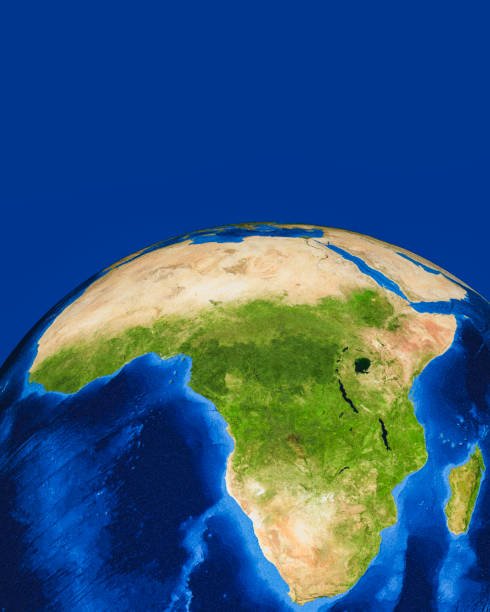
Determining which country that has the best education system in Africa involves looking at metrics like literacy rates, teacher-to-student ratios, and global university rankings. According to recent data from the World Economic Forum and UNESCO, the Seychelles currently leads the continent with a highly inclusive and free academic framework. This island nation has achieved nearly universal literacy, setting a benchmark for other regional powers to follow.
This achievement is a reflection of sustained government investment and a cultural commitment to human capital development. As we explore the top-performing nations, we see how diverse approaches to schooling are shaping the economic future of the continent.
These are the Countries that have the best education system in Africa
Ranking the educational landscape across such a vast continent requires an understanding of both basic literacy and advanced research capabilities. While many nations face challenges related to funding and infrastructure, a select group has managed to build systems that rival international standards. These nations have prioritized the training of their youth as a means to achieve long-term economic stability and technological innovation. By analyzing institutional strength, government expenditure, and the quality of graduates, we can identify the leading academic centers. Below is a detailed look at the nations that currently offer the most robust learning environments for their citizens.
1. Seychelles
Seychelles stands out as the primary African country which has the best education system, holding the highest rank on the continent for several years running. The government provides free and compulsory education for all children between the ages of six and sixteen, ensuring that every citizen has a foundational start in life. Because the nation has a relatively small population, it can maintain an incredibly low student-to-teacher ratio, often staying below fifteen students per classroom. This allow for personalized attention and high-quality instruction that is difficult to achieve in larger, more populated nations. The curriculum is closely aligned with international standards, and the nation has successfully reached the UNESCO goal of Education for All. Graduates from Seychelles are known for their high literacy and numeracy skills, which has directly contributed to the country having the highest Human Development Index in the region. Their focus on vocational training also ensures that the labor force is prepared for the specific needs of their blue economy and tourism sectors.
2. Mauritius
Mauritius has built a highly competitive schooling environment that is widely regarded as a model for emerging markets. The government offers free education from the primary level through to the university level, a policy that has fostered a deeply knowledgeable workforce. Mauritian students consistently perform well on international standardized tests, particularly in mathematics and the sciences, due to a rigorous curriculum. The nation also serves as a regional hub for higher learning, hosting several international branch campuses of prestigious universities from the United Kingdom and Australia. Bilingualism is a core component of the system, with most students becoming fluent in both English and French by the time they graduate. This linguistic versatility gives Mauritian graduates a significant advantage in the global job market, especially in finance and technology. Institutional oversight is also very strong, with regular quality assurance audits conducted to maintain high academic standards across both public and private schools.
3. South Africa
South Africa is home to some of the most prestigious tertiary institutions on the planet, making it a leader in higher education. The University of Cape Town and the University of the Witwatersrand are centers of excellence that produce world-class research and top-tier professionals in medicine, engineering, and law. While the basic education sector has faced historical challenges, the urban school districts often provide facilities and resources that are among the best in the southern hemisphere. The national matriculation exam system is known for its difficulty and is widely respected by international universities as a true measure of academic readiness. South Africa also invests heavily in technical and vocational colleges to bridge the skills gap in its industrial sectors. Their research output is the highest on the continent, showing a commitment to innovation that attracts researchers from across the globe. For many students from other regions, South Africa remains the destination of choice for advanced degrees and specialized professional training.
4. Tunisia
Tunisia has a long and storied tradition of prioritizing intellectual growth, dating back to its post-independence reforms that placed schooling at the heart of national development. The country spends a higher percentage of its national budget on education than many developed nations, resulting in a highly literate and technically proficient population. Early childhood education is a major focus, with the government ensuring that children are well-prepared before they even enter the primary system. Tunisian students are particularly well-regarded for their strengths in STEM subjects, frequently winning regional competitions in robotics and mathematics. The nation’s engineering schools are highly competitive and maintain strict entrance requirements that ensure only the most capable students advance. This focus on technical expertise has allowed Tunisia to become a major exporter of skilled labor to Europe and the Middle East. The system also emphasizes the preservation of cultural heritage while embracing modern scientific advancement, creating a balanced and holistic learning experience.
5. Kenya
Kenya is currently undergoing a massive transformation of its academic sector through the implementation of the Competency-Based Curriculum. This new system moves away from rote memorization and focuses on practical skills, critical thinking, and the individual talents of each student. The Kenyan government has also achieved a nearly one hundred percent transition rate from primary to secondary school, ensuring that all children have access to at least twelve years of learning. Nairobi has emerged as a center for digital education, with many public schools now equipped with tablets and high-speed internet through the Digital Literacy Programme. The University of Nairobi and Kenyatta University are reputable institutions that drive regional research in agriculture and mobile technology. Kenya’s literacy rate has seen a steady rise, and its graduates are known for their entrepreneurial spirit and technical adaptability. Private sector involvement in the schooling system is also high, providing a diverse range of options for parents who seek international curricula within the country.
6. Algeria
Algeria provides a comprehensive and entirely free schooling system that reaches from the bustling northern cities to the most remote communities in the Sahara. This vast outreach is part of a national strategy to eradicate illiteracy and provide every citizen with the tools for economic participation. The tertiary sector is particularly expansive, with dozens of university cities providing specialized training in petrochemicals, medicine, and architecture. Algeria has one of the highest university enrollment rates on the continent, with a significant majority of these students being women. This focus on female empowerment through learning has transformed the social and economic landscape of the country. While the system has traditionally been centered on Arabic and French, there is a growing movement to integrate English to better connect graduates with the global scientific community. The government continues to modernize its vocational centers to ensure that the youth are prepared for the transition toward a more diversified economy.
7. Ghana
Ghana has a prestigious reputation for academic excellence in West Africa, centered on a history of stable institutions and high standards. The recent implementation of the Free Senior High School policy has been a game-changer, allowing millions of students who might have otherwise dropped out to complete their secondary education. The University of Ghana at Legon is one of the most respected academic landmarks in Africa, known for its rigorous standards and its role in training continental leaders. Ghanaian graduates are often noted for their strong command of the English language and their deep understanding of civic and social issues. The nation also hosts a variety of specialized technical institutes that focus on the growing mining and energy sectors. Ghana’s stability and democratic values are reflected in its classrooms, where students are encouraged to engage in debate and critical inquiry. The country has also become a popular destination for international students from the diaspora who seek to reconnect with their roots while receiving a high-quality education.
8. Morocco
Morocco is an African country which has the best education system for vocational and industrial training, particularly in the automotive and aerospace fields. The government has partnered with global corporations to create specialized training centers that ensure students graduate with the exact skills needed by modern industry. Morocco’s Vision 2030 for education focuses on digitizing the curriculum and improving the quality of instruction in rural areas to reduce the urban-rural divide. The nation’s business schools, such as those in Casablanca and Rabat, are among the best in the Francophone world, attracting students from across the region. Morocco also hosts several prestigious international schools that offer French, American, and British curricula to a growing middle class. The country’s investment in renewable energy research is also reflected in its university programs, which are training the next generation of engineers for the world’s largest solar parks. This strategic alignment between the classroom and the national industrial goals is a key reason for Morocco’s academic success.
9. Namibia
Namibia is one of the highest spenders on schooling relative to its GDP in Africa, showing a profound national commitment to human capital. Since gaining independence, the nation has worked to dismantle the inequalities of the past by providing free and inclusive education for all ethnic groups. The Namibia University of Science and Technology is a modern institution that has gained a regional reputation for its work in environmental science and mining engineering. Literacy rates among the youth in Namibia are near ninety-five percent, a testament to the effectiveness of the primary and secondary systems. The government also provides extensive support for students to pursue postgraduate studies abroad, ensuring that the country benefits from global knowledge. There is a strong emphasis on early childhood development, with the understanding that a child’s performance in later years depends on their foundational experiences. Namibia’s system is also noted for its focus on social justice and the promotion of national unity through a shared language of instruction.
10. Egypt
Egypt possesses one of the largest and most historic educational systems in the world, with centers of learning that have existed for over a millennium. The current government is implementing the Education 2.0 reform, which aims to replace the traditional examination-heavy culture with a focus on critical thinking and problem-solving. This reform includes the distribution of millions of tablets to secondary students and the creation of a massive digital library called the Egyptian Knowledge Bank. Cairo University remains a powerhouse for medical and engineering research, producing graduates who are influential throughout the Arab world. Egypt’s focus on technical education is also seeing a revival, with new schools being built in partnership with German and Italian institutions to provide high-level vocational training. The nation’s history of academic achievement provides a strong cultural foundation that values knowledge and intellectual pursuit. Despite the sheer size of the population, Egypt’s commitment to modernizing its system ensures it remains a top-tier player in the continental academic landscape.
Reasons Why These Countries Have the Best Education System in Africa
1. Consistent Public Expenditure: One of the primary reasons why these countries in Africa that have the best education system succeed is the high percentage of the national budget allocated to learning. For example, Namibia and Seychelles regularly spend over twenty percent of their annual budgets on schools and universities. This funding is essential for maintaining infrastructure, paying teachers competitive salaries, and providing modern learning materials like textbooks and computers. When a government makes education a fiscal priority, it ensures that the system is resilient and capable of reaching even the most vulnerable members of society.
2. Professionalization of the Teaching Force: The quality of any schooling system is ultimately determined by the quality of the teachers in the classroom. The African countries that have the best education system invest heavily in continuous professional development and rigorous teacher training programs. In nations like Mauritius and Tunisia, teachers must go through extensive certification processes and are given regular opportunities to update their skills. By treating teaching as a high-status profession with adequate support, these nations attract the best talent into the academic field, resulting in better outcomes for the students.
3. Alignment with Industrial Needs: Successful systems are those that train students for the jobs that actually exist in the modern economy. Morocco and South Africa have excelled in this area by creating vocational programs that are designed in collaboration with the private sector. Whether it is training engineers for the aerospace industry or technicians for the mining sector, this alignment ensures that graduates are employable immediately after finishing their studies. This pragmatic approach reduces youth unemployment and provides a steady supply of skilled labor for national development projects.
4. Rapid Integration of Digital Technology: The country in Africa has the best education system is often the one that has most effectively embraced the digital revolution. Kenya and Egypt have distributed millions of digital devices to their students, allowing them to access the vast resources of the internet and learn at their own pace. This technology also allows teachers to use interactive and engaging methods that improve student retention and interest. Digital literacy is now considered a foundational skill, and the nations that integrate it early are setting their students up for success in a globalized world.
5. Strong Institutional Oversight and Accountability: High academic standards can only be maintained through regular evaluation and accountability. The leading nations have established independent bodies that monitor the performance of schools and ensure that the curriculum is being delivered effectively. In South Africa and Mauritius, these audits are transparent and lead to meaningful reforms whenever a school is found to be underperforming. This culture of accountability encourages schools to strive for excellence and ensures that parents can trust the quality of the education their children are receiving.
6. Focus on Early Childhood Education: The most successful systems understand that learning begins long before a child enters the primary school system. By providing high-quality pre-primary education, nations like Seychelles and Tunisia ensure that their children develop the cognitive and social skills needed for future success. Research shows that children who attend preschool are less likely to repeat grades and more likely to graduate from high school. This proactive investment in the early years is one of the most cost-effective ways to improve the overall quality of a national education system.
Conclusion
Ultimately, the Seychelles remains the specific which country that has the best education system in Africa according to current data, though nations like Mauritius and South Africa are equally vital for the continent's academic prestige. The progress made by Kenya and Ghana proves that strategic reforms and increased access can lead to rapid improvements in national learning outcomes. As the continent continues to embrace digital technology and vocational alignment, the standard of education is expected to rise across all regions. The future of Africa depends on the quality of its human capital, and these leading nations are providing the blueprint for a more knowledgeable and prosperous continent. Investing in the youth today through a robust country in Africa has the best education system is the surest way to secure a bright and sustainable tomorrow for all Africans.
Enjoyed this read?
Share it with your friends and colleagues.