Which Country Has The Best Infrastructure In Africa

BSC Insights Admin
September 30, 2026
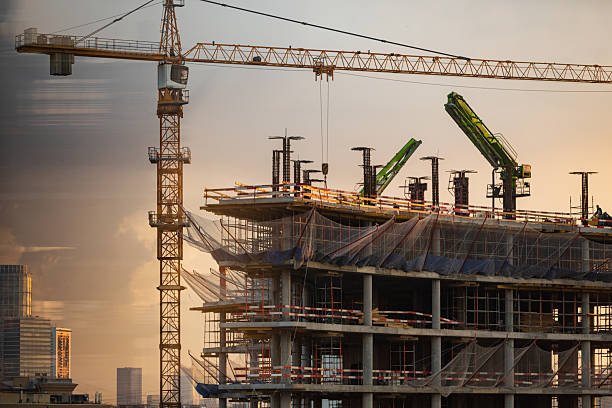
Determining which country that has the best infrastructure in Africa requires a comprehensive analysis of transport networks, energy access, and telecommunications development across the continent. According to the Africa Infrastructure Development Index (AIDI), Seychelles currently occupies the top position due to its nearly universal access to clean water and a highly developed telecommunications sector. These investments have allowed the island nation to maintain a high quality of life and attract significant foreign investment in its blue economy.
A nation's ability to maintain high-quality roads and reliable power directly correlates with its economic growth potential and institutional stability. This article explores the top performers based on the latest development indices and investment trends to provide a clearer picture of regional progress.
These are the Countries that lead in development and are often cited as the country in Africa with the best infrastructure
The state of infrastructure in the region is a critical metric for assessing economic competitiveness and human development. While many nations face challenges related to funding and maintenance, a select group has made significant strides by prioritizing large-scale projects and digital integration. These nations have built sophisticated transport hubs, expanded their power grids, and improved internet connectivity to meet the demands of a modern global economy. By examining the structural health of these nations, we can identify which countries are successfully bridging the development gap. The following list identifies the top ten performers who have consistently demonstrated excellence in building and maintaining their national assets.
1. Seychelles
Seychelles stands out as the primary African country which has the best infrastructure, particularly in the sectors of water sanitation and telecommunications. With a small but strategically managed landmass, the government has achieved nearly 100 percent electricity access for its citizens, a feat that few other nations on the continent have replicated. The telecommunications infrastructure is world-class, benefiting from high-speed submarine cables that provide the population with some of the fastest internet speeds in the region. Their transport networks, although limited in scale due to geography, are exceptionally well-maintained and integrated with their thriving tourism industry. Furthermore, the island nation has invested heavily in coastal protection infrastructure to mitigate the effects of climate change, ensuring the longevity of its national assets. The high GDP per capita has allowed for a level of maintenance and modernization that serves as a benchmark for smaller nations globally.
2. Mauritius
Mauritius has successfully transformed itself into a modern economic hub by making infrastructure development a central pillar of its national policy. The island is frequently cited as a country in Africa with the best infrastructure because of its seamless integration of road, air, and sea transport. The recent launch of the Metro Express, a light rail transit system, has revolutionized urban mobility and reduced congestion in the capital, Port Louis. Mauritius also boasts a highly efficient port that serves as a vital gateway for trade between Africa and Asia, equipped with modern container terminals and automated logistics systems. Their energy sector is robust, with a clear roadmap toward incorporating renewable energy sources into the national grid to ensure long-term sustainability. The digital infrastructure is equally impressive, with high mobile penetration and extensive fiber-optic coverage reaching even the most remote parts of the island.
3. South Africa
South Africa possesses the most sophisticated and extensive road and rail network on the continent, which has historically made it an industrial powerhouse. The country’s highway system, particularly the national routes connecting major cities like Johannesburg, Cape Town, and Durban, is comparable to those found in developed Western nations. South Africa also hosts the Gautrain, a high-speed commuter rail system that remains one of the most advanced of its kind in the southern hemisphere. While the energy sector has faced recent challenges, the overall capacity and reach of the national power grid are among the highest in Africa, supporting a massive industrial base. The financial and digital infrastructure is world-class, with a banking system that is highly integrated and a telecommunications sector that leads in 5G rollout. Large-scale investments in port facilities have ensured that South Africa remains a critical logistics hub for the entire Southern African Development Community region.
4. Morocco
Morocco has made headlines for its ambitious mega-projects, which have solidified its status as a leader in African countries that have the best infrastructure in the northern region. The Al-Boraq, a high-speed rail line connecting Tangier to Casablanca, is the first of its kind on the continent and represents a major leap in transport technology. Morocco is also home to the Noor Ouarzazate Solar Complex, one of the world's largest concentrated solar power plants, which demonstrates the nation's commitment to energy security and green technology. The Tanger Med Port is a massive industrial and logistical hub that has become the largest port in Africa and the Mediterranean in terms of container capacity. The government has also invested heavily in a network of modern highways that has drastically improved connectivity between rural and urban centers. These strategic investments have made Morocco an attractive destination for multinational corporations in the automotive and aerospace industries.
5. Egypt
Egypt is currently undergoing an unprecedented infrastructure boom, characterized by the construction of a New Administrative Capital that is designed to be a smart city of the future. This project, costing over 50 billion dollars, includes massive housing developments, a new monorail system, and a sophisticated digital command center for city management. The Suez Canal expansion is another critical infrastructure achievement, which doubled the canal's capacity and significantly increased national revenue from global shipping. Egypt has also moved from a chronic energy deficit to a surplus, thanks to the construction of three of the world’s largest power plants in partnership with Siemens. The road network has been expanded by thousands of kilometers under the National Road Project, which has improved safety and reduced travel times across the country. These developments reflect a strong national ambition to modernize the economy and accommodate a rapidly growing population through world-class engineering.
6. Tunisia
Tunisia has consistently maintained a high standard of urban and social infrastructure, which has allowed it to achieve high literacy rates and good healthcare outcomes. The country’s road density is among the highest in North Africa, with well-paved routes connecting the coastal cities to the interior provinces. Tunisia’s telecommunications sector was one of the first in Africa to be liberalized, resulting in a competitive market and extensive mobile coverage for almost the entire population. The national water management system is highly developed, providing a reliable supply to urban residents and supporting a significant agricultural sector through advanced irrigation. Public transport in cities like Tunis is served by a combination of light rail, buses, and trains that are affordable and efficient. While recent economic pressures have slowed new projects, the existing foundational infrastructure remains a significant asset for the nation’s development.
7. Algeria
Algeria has utilized its vast hydrocarbon wealth to fund a massive expansion of its national infrastructure, particularly in the areas of housing and transport. The East-West Highway, which stretches for over 1,200 kilometers, is one of the most significant engineering feats in the region, connecting Algeria’s major cities from the Tunisian border to the Moroccan border. The government has also invested heavily in the Algiers Metro and tramway systems in various cities to improve public transit and reduce urban congestion. Algeria’s energy infrastructure is extensive, with a massive network of gas pipelines that not only serve domestic needs but also export energy to Europe. Large-scale social housing projects have also been a priority, with the government delivering hundreds of thousands of units to citizens over the last decade. The Great Mosque of Algiers, which features the world's tallest minaret, also represents a major investment in architectural and religious infrastructure.
8. Botswana
Botswana is often praised for its disciplined approach to resource management, which has allowed it to build a stable and reliable infrastructure network. The country has a well-maintained road system that connects its diamond-rich interior with neighboring markets in South Africa and Namibia. Botswana’s utility infrastructure is highly dependable, with significant investments in water pipelines like the North-South Carrier, which brings water from the wetter north to the arid south. The national power grid is being expanded to reduce reliance on imports, with a focus on coal-fired and solar power plants. Digital connectivity has seen a major boost through the government’s efforts to bridge the digital divide in rural schools and community centers. Botswana’s infrastructure is a reflection of its stable governance and its long-term vision of becoming a regional hub for financial and professional services.
9. Kenya
Kenya has emerged as a leader in countries in Africa that have the best infrastructure in the East African region, driven by its Vision 2030 development plan. The Standard Gauge Railway, connecting the port of Mombasa to the capital, Nairobi, has significantly reduced transport costs and transit times for goods. Kenya is also a global pioneer in mobile technology infrastructure, with the widespread success of M-Pesa supported by a robust national fiber-optic backbone. The LAPSSET corridor is another ambitious project aimed at creating a new transport corridor connecting Kenya, South Sudan, and Ethiopia through the port of Lamu. The nation has also made massive strides in renewable energy, with over 90 percent of its electricity coming from green sources like geothermal and wind power. Nairobi’s road network has been transformed by the construction of the Nairobi Expressway, which has provided a much-needed bypass for traffic in the bustling metropolis.
10. Namibia
Namibia possesses a highly efficient and well-maintained infrastructure that serves as a vital corridor for its landlocked neighbors. The port of Walvis Bay has been recently expanded and modernized, making it a competitive gateway for trade into the Southern African interior via the Trans-Kalahari and Trans-Caprivi highways. Namibia’s road network is frequently ranked as the best in Africa in terms of quality and maintenance, with a clear focus on safety and durability in harsh desert conditions. The telecommunications sector is highly advanced, with one of the most reliable mobile networks on the continent and extensive fiber-optic connectivity in urban areas. Namibia has also invested in water desalination infrastructure to secure the water supply for its mining industry and coastal towns. The national power utility, NamPower, is working toward energy self-sufficiency by developing large-scale solar and wind projects across its vast and sunny landscapes. This logistical excellence has made Namibia a preferred partner for regional trade and investment.
| Rank | Country | Infrastructure Focus | Key Project Example |
|---|---|---|---|
| 1 | Seychelles | Telecoms & Water | Universal Clean Water Access |
| 2 | Mauritius | Integrated Transport | Metro Express Light Rail |
| 3 | South Africa | Roads & Finance | Gautrain High-Speed Rail |
| 4 | Morocco | Energy & Rail | Noor Solar Power Plant |
| 5 | Egypt | Mega-Cities & Shipping | New Administrative Capital |
Reasons Why These Countries lead in development in Africa
1. Sustained Public Investment: The primary reason these African countries that have the best infrastructure succeed is a consistent commitment to capital expenditure. Governments in nations like Egypt and Morocco allocate a significant portion of their national budget to long-term projects that outlast individual political cycles. This financial discipline ensures that roads are not only built but also maintained, and that energy grids are expanded to meet future demand. Without this continuous flow of capital, even the best-designed infrastructure will eventually deteriorate and fail to support economic activity.
2. Strategic Geographical Location: Many of the top-performing nations leverage their geography to act as regional logistics hubs. For example, Morocco and Mauritius use their coastal positions to build world-class ports that serve as essential links in global supply chains. By becoming the "gateway" for their respective regions, these countries can monetize transit and trade, providing the revenue needed to further improve their internal networks. This geographic advantage is a powerful motivator for nations to maintain high standards of infrastructure to stay competitive in international shipping and logistics.
3. Political Stability and Governance: Infrastructure projects often take decades to complete and require the cooperation of multiple administrations. Nations like Botswana and Seychelles benefit from a stable political environment where policies remain consistent even when leadership changes. This stability provides confidence to international investors and development banks, who are more likely to provide the low-interest loans needed for mega-projects. Good governance also ensures that funds are used efficiently and that corruption does not bleed the budget of essential building and maintenance resources.
4. Private Sector Partnerships: Several African countries that have the best infrastructure have embraced the Public-Private Partnership (PPP) model to fund and manage their assets. South Africa and Kenya have used this approach to build toll roads, power plants, and fiber-optic networks without placing the entire financial burden on the taxpayer. By allowing private companies to design, build, and operate infrastructure, governments can leverage private-sector efficiency and technological expertise. This model also ensures that projects are managed according to commercial standards, often resulting in better maintenance and service delivery for the public.
5. Technological Leapfrogging: Many African nations are skipping older, less efficient technologies and moving straight to modern solutions. For example, several countries have skipped traditional landline telephone networks in favor of a robust mobile and fiber-optic infrastructure. In the energy sector, Kenya and Morocco are leapfrogging fossil fuels by investing directly in massive geothermal and solar projects. This forward-looking approach allows these nations to build a "future-proof" infrastructure that is more sustainable and less expensive to maintain in the long run. By adopting the latest global innovations, these countries are ensuring their infrastructure meets 21st-century standards.
6. Access to International Development Finance: The African country which has the best infrastructure is often one that has successfully cultivated relationships with international lenders like the African Development Bank and the World Bank. These organizations provide the technical assistance and financial backing needed to undertake complex engineering projects. Nations like Egypt and Ethiopia have effectively utilized these resources to build dams, highways, and energy plants that would be impossible with domestic funding alone. These partnerships often come with high standards for transparency and environmental impact, which further improves the quality and sustainability of the final infrastructure.
Conclusion
In conclusion, identifying which country that has the best infrastructure in Africa depends on whether you prioritize digital connectivity, transport excellence, or energy access. While Seychelles and Mauritius lead in overall indices, the massive industrial projects in Morocco, Egypt, and South Africa demonstrate the continent's growing engineering capability. These investments are essential for the success of the African Continental Free Trade Area, as they facilitate the movement of goods and people across borders. As more nations adopt smart city technologies and renewable energy, the standard of African country which has the best infrastructure will continue to rise. Ultimately, the country in Africa with the best infrastructure is the one that manages to provide reliable, modern services that improve the daily lives of all its citizens.
Enjoyed this read?
Share it with your friends and colleagues.