Which Country Has The Best Jollof In Africa

BSC Insights Admin
October 01, 2026
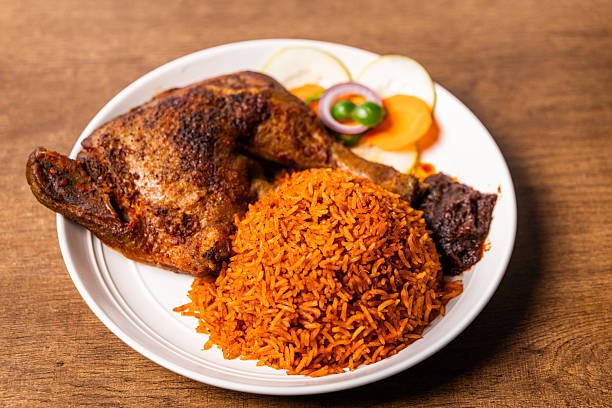
Evaluating which country that has the best jollof in Africa often leads to a passionate debate centered on the culinary traditions of Nigeria, Ghana, and Senegal. This vibrant dish, characterized by rice cooked in a rich tomato and pepper base, is a staple across the West African sub-region and serves as a point of immense national pride. While Senegal is historically recognized as the birthplace of this recipe, modern variations in neighboring nations have created a global phenomenon widely referred to as the Jollof Wars.
To truly understand why this single dish creates such a stir, one must explore the subtle differences in grain choice, spice blends, and cooking techniques across various international borders. Each nation brings a unique cultural flair to the pot, making the search for the ultimate flavor a fascinating adventure through the heart of African gastronomy.
These are the Countries that have the best Jollof in Africa
The quest to identify the top culinary destination for this rice dish requires looking at how different countries in Africa that have the best jollof maintain their authenticity while innovating for modern palates. Jollof is more than just food; it is a symbol of hospitality, celebration, and historical identity that dates back several centuries to the Wolof Empire. Today, the dish has evolved into several distinct varieties, each claiming to offer the most superior taste profile. From the smoky depths of Nigerian party rice to the fragrant basmati varieties in Ghana, here is an in-depth look at the nations that define the standard for Jollof excellence on the continent.
1. Senegal
Senegal is the undisputed birthplace of Jollof, where the dish is known as Thieboudienne and is officially recognized as the national dish. As the African country which has the best jollof origins, Senegal utilizes a unique combination of broken rice, fresh fish, and a variety of vegetables like cassava, carrots, and eggplant. The authentic Senegalese version often includes fermented conch or smoked fish to add a deep umami layer that is distinct from the meat-heavy versions found elsewhere. Because it originated with the Wolof people, the recipe remains a masterclass in slow-cooking and flavor infusion that has survived for over 200 years. It is interesting to note that in 2021, UNESCO officially added Thieboudienne to its Representative List of the Intangible Cultural Heritage of Humanity. This recognition cements Senegal's position as the historical and cultural guardian of the original Jollof recipe.
2. Nigeria
Nigeria is arguably the most vocal participant in the regional debate, and for many enthusiasts, it is the country in Africa with the best jollof due to the legendary Party Jollof flavor. Nigerian Jollof is traditionally made using long-grain parboiled rice, which allows each grain to stay separate while soaking up a rich, spicy tomato and scotch bonnet pepper base. The secret to the Nigerian version is the smoky aroma achieved by cooking the rice over firewood or allowing it to slightly burn at the bottom of the pot, known as bottom pot. Typical spices include bay leaves, thyme, curry powder, and ginger, creating a sharp and savory heat that lingers on the tongue. Nigerians typically serve their Jollof with fried plantains, known as dodo, a side of coleslaw, and various proteins like fried beef, chicken, or assorted meats. The sheer scale of Jollof consumption in Nigeria, especially at large social gatherings, has turned the dish into a cultural icon that is synonymous with Nigerian hospitality.
3. Ghana
Ghana provides the strongest competition to Nigeria, offering a version that many connoisseurs believe is the African country which has the best jollof for those who prefer fragrant rice. Unlike their neighbors, Ghanaians predominantly use perfumed or basmati rice, which gives the dish a lighter texture and a more aromatic profile. The Ghanaian preparation involves a more robust spice blend that frequently includes garlic, onions, and a significant amount of ginger to balance the tomato acidity. Many people find the Ghanaian version to be slightly more spiced and less oily, focusing on the individual fragrance of the long-grain rice. It is commonly served with Shito, a dark, spicy pepper sauce made with ginger, dried fish, and crustaceans, which adds an incredible depth of flavor to every bite. The friendly rivalry between Ghana and Nigeria over this dish has become a permanent fixture on social media, with "Jollof Wars" hashtags generating millions of impressions annually from fans all over the world.
4. The Gambia
The Gambia shares deep historical ties with Senegal and is often considered a top contender for the country in Africa with the best jollof because of its commitment to the original Wolof style. In The Gambia, the dish is frequently called Benachin, which translates to one pot in the Wolof language, emphasizing its communal and simple origins. Gambian Jollof often features a rich blend of vegetables and can be prepared with either fish or meat, maintaining a balance between the two styles found in the region. The use of local ingredients like bitter tomatoes and okra gives Benachin a rustic and authentic taste that many purists appreciate over the more commercialized urban versions. Because The Gambia is a major tourism hub, many international visitors get their first taste of authentic Jollof here, often citing the balance of spices as a highlight. The Gambian version remains a hidden gem that successfully bridges the gap between the Senegalese original and the spiced variations of the more southern West African nations.
5. Sierra Leone
Sierra Leone offers a unique take on the dish that is highly regarded among African countries that have the best jollof, particularly for its use of varied oils and spices. Sierra Leonean Jollof often incorporates a bit of palm oil along with vegetable oil, which gives the rice a distinct color and a richer, earthier mouthfeel. The spice profile is often heavy on ginger and can include various local herbs that are not commonly found in the Nigerian or Ghanaian versions. It is frequently served with a side of fried fish or chicken, and it is a staple at most celebratory events across the country. The rice is typically cooked until it is very soft but still holds its shape, allowing it to absorb the maximum amount of the savory stock. Sierra Leoneans take great pride in their version, often arguing that the richness of their ingredients makes it a more satisfying and "homely" meal compared to others. Their version is a testament to the diversity of the recipe as it traveled across the Atlantic coast.
6. Liberia
Liberia is another nation that deserves a spot on the list of countries in Africa that have the best jollof, known specifically for its meat-heavy and incredibly spicy preparations. Liberian Jollof often includes a mix of chicken, beef, and even shrimp or dried fish all in one pot, creating a protein-rich feast. The spice level in Liberia is often higher than in other West African nations, utilizing the locally grown habanero and scotch bonnet peppers to their full potential. They often include mixed vegetables like peas and carrots directly in the rice, adding both color and a slight sweetness to balance the heat. The Liberian version is seen as a comfort food that is deeply tied to the history of the settlers and the indigenous populations alike. When served at a Liberian party, the Jollof is usually the main attraction, and it is expected to be rich, oily, and packed with seasoned meat. This version appeals to those who enjoy a more "stew-like" and hearty consistency in their rice dishes.
7. Cameroon
While Jollof is primarily a West African specialty, Cameroon represents the Central African influence on the dish, making it a unique African country which has the best jollof fusion. Cameroonian Jollof, sometimes called Riz Jollof, is often characterized by the inclusion of green spices like basil and parsley, which gives it a slightly different aromatic profile. They also have a tendency to use more carrots and green beans, making the dish look vibrant and fresh compared to the deep red versions of West Africa. The heat level is generally more moderate, catering to a wider range of palates while still maintaining the core tomato and onion base. Cameroonian Jollof is often served with Ndole or other local vegetable stews, creating a fusion plate that is incredibly popular in cities like Douala and Yaoundé. This version proves that the dish has moved beyond its original borders and adapted to the local ingredients and tastes of the Central African region. It provides a refreshing alternative for those who find the West African versions too spicy or intense.
8. Togo
Togo is often overlooked in the culinary debates, but it is certainly a country in Africa with the best jollof for those who enjoy subtle and balanced flavors. Togolese Jollof is similar to the Ghanaian version but often uses more tomato paste and less ginger, resulting in a smoother and more tomato-forward taste. They also have a unique way of preparing the "sofrito" base, often frying the onions and peppers until they are nearly caramelized before adding the rice. This technique creates a sweet and savory foundation that makes the rice incredibly addictive without needing excessive heat. In Togo, Jollof is often a Sunday afternoon favorite, served with grilled chicken and a side of spicy pepper sauce for those who want to add their own heat. The Togolese version is praised for its consistency and its ability to pair perfectly with almost any side dish. It is a humble but expertly prepared version that reflects the nation's high standards for home-cooked meals.
9. Benin
Benin Republic offers a coastal take on the dish that is frequently cited among African countries that have the best jollof due to the freshness of its ingredients. Because Benin shares a long border with Nigeria, the versions found in Cotonou and Porto-Novo are often very similar to the Nigerian style but with a slight French influence in the seasoning. They may include local spices like "soumbala" or fermented locust beans, but in smaller quantities to maintain a more delicate balance. The use of fresh tomatoes is prioritized over canned paste, giving the rice a more natural and less acidic flavor profile. Beninese Jollof is often served with a variety of fried fish caught fresh from the Gulf of Guinea, making it a favorite for seafood lovers. The dish is a perfect example of how the recipe can be influenced by its neighbors while still retaining a local coastal identity. It is often served with a side of fried yams or sweet potatoes, adding more variety to the traditional plate.
10. Mali
Mali represents the inland savanna tradition of Jollof, and while it is less famous than the coastal versions, it is a country in Africa with the best jollof for those who appreciate ancient grains and rustic methods. In Mali, Jollof is sometimes prepared with local rice varieties that have a more earthy flavor than the imported long-grain varieties. The Malian version often includes more garlic and can be served with lamb, which is the preferred meat in the region. The spices are often darker and more earthy, utilizing local peppers and herbs that have been dried in the Sahelian sun. This version feels very ancient and connected to the trans-Saharan trade routes that once brought spices to the region. It is a hearty and soulful dish that reflects the resilience and history of the Malian people. While it may not have the global social media presence of the Nigerian version, it remains a favorite for anyone who has traveled through the interior of West Africa.
| Country | Primary Rice Type | Distinguishing Feature | Common Side Dish |
|---|---|---|---|
| Nigeria | Long-grain Parboiled | Smoky Firewood Aroma | Fried Plantain (Dodo) |
| Ghana | Basmati / Perfumed | Highly Fragrant & Gingery | Shito (Pepper Sauce) |
| Senegal | Broken Rice | Fish-based (Original) | Cassava & Carrots |
| Gambia | Broken / Long-grain | Vegetable-heavy (Benachin) | Bitter Tomato |
| Liberia | Long-grain | Mixed Proteins & High Heat | Fried Chicken |
Reasons Why These Countries Have the Best Jollof in Africa
1. Historical Connection to the Wolof People: The primary reason why Senegal and The Gambia are often cited as the African countries that have the best jollof is their direct ancestral link to the Wolof Empire. This group invented the original Thieboudienne, and they have spent hundreds of years refining the techniques of slow-cooking rice in a savory stock. This historical depth means that the proportions of spices and the choice of ingredients have been optimized over centuries to produce the most balanced flavor. For many, nothing beats the original because it carries the weight of a long-standing culinary heritage that other nations have only recently begun to emulate.
2. The Culture of "Party Jollof" and Firewood Cooking: In Nigeria, Jollof is not just a meal; it is the centerpiece of every major social event, known as an Owanbe. The high demand for top-quality rice at these parties has led to the development of the Party Jollof technique, which involves cooking over high heat and allowing the rice to "smoke." This African country which has the best jollof reputation in the urban sphere is built entirely on this unique smoky flavor that is difficult to replicate in a modern kitchen. The competitive nature of Nigerian catering ensures that only the most flavorful and perfectly textured rice is served at these events, constantly raising the bar for the entire nation.
3. Use of Premium Aromatic Rice Varieties: Ghana’s decision to move toward basmati and perfumed rice varieties has significantly improved the quality of its Jollof, making it a favorite for those who value texture and scent. Many countries in Africa that have the best jollof rely on cheaper rice, but the Ghanaian preference for higher-quality grains ensures that the dish feels like a luxury meal. The aromatic nature of basmati rice complements the ginger and garlic spices perfectly, creating a sophisticated eating experience that is less heavy than the parboiled versions. This focus on grain quality is a major reason why Ghana has managed to carve out such a strong identity in the global Jollof debate.
4. Local Spice Innovations and Condiments: A major reason for the success of Jollof in nations like Ghana and Sierra Leone is the development of unique condiments that accompany the dish. For example, Ghana’s Shito is a game-changer that adds a level of savory-sweet-spice that is not found anywhere else. Similarly, the country in Africa with the best jollof often uses local ingredients like crayfish, fermented locust beans, or local peppers that provide a "terroir" flavor that cannot be found in a supermarket. These local additives act as flavor enhancers that give the rice a multidimensional profile, making every spoonful a complex experience for the palate.
5. The Power of the "Jollof Wars" and Social Media: The intense digital competition between West African nations has forced cooks and restaurants to be more innovative and careful with their recipes. Because everyone wants to prove that their nation is the African country which has the best jollof, there is a massive incentive to use the best ingredients and the most authentic techniques. This social media pressure has turned every home cook into a defender of their national recipe, ensuring that the standards for Jollof remain exceptionally high. It has also helped to globalize the dish, making it a high-demand item in international food markets from London to New York.
6. Access to High-Quality Fresh Produce and Seafood: Coastal nations like Benin, Senegal, and Nigeria have a significant advantage because they have access to fresh seafood and sun-ripened tomatoes and peppers year-round. The African countries that have the best jollof often use ingredients that were harvested just hours before they went into the pot, resulting in a vibrant and fresh taste. The natural sweetness of fresh tomatoes and the heat of freshly ground scotch bonnets cannot be matched by canned alternatives. This reliance on fresh, local agriculture is a fundamental reason why the Jollof in these countries remains so flavorful and satisfying compared to versions found outside the continent.
Conclusion
In conclusion, identifying which country that has the best jollof in Africa is ultimately a matter of personal taste, whether one prefers the fish-based origins of Senegal or the smoky firewood versions of Nigeria. Each nation mentioned provides a unique and incredible culinary experience that highlights the diversity and creativity of the African people. The ongoing "Jollof Wars" between Ghana and Nigeria serve as a testament to the cultural importance of the dish and ensure that the quality of this beloved rice remains high for future generations. As the dish continues to gain international fame, the true winner is the global foodie who gets to explore all these delicious variations. Ultimately, any country in Africa with the best jollof will always be the one that serves it with the most love and hospitality.
Enjoyed this read?
Share it with your friends and colleagues.