Which Country Has Highest Currency In East Africa

BSC Insights Admin
October 01, 2026
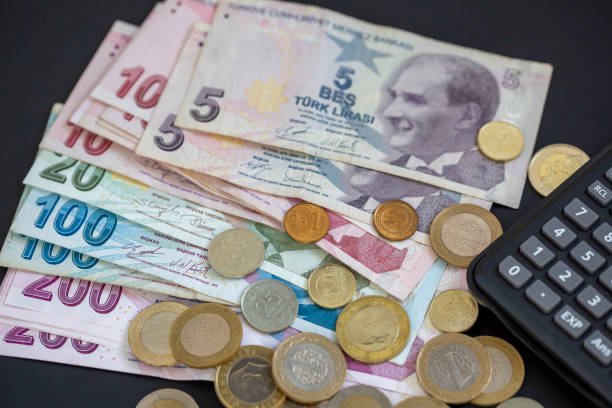
The Seychelles Rupee is currently recognized as the primary indicator for the country in East Africa with highest currency value, typically exchanging at a rate near 13 to 14 units per US Dollar. This valuation is significantly higher than neighboring mainland currencies due to the nation's high income status and flourishing tourism sector. Understanding which country has highest currency in East Africa requires a detailed look at both official exchange rates and the underlying economic stability of the region.
The fiscal strength of East African nations varies significantly based on their export capacities, central bank policies, and levels of foreign investment. This article provides an in depth analysis of the most valuable currencies in the region and the economic factors that contribute to their market standing.
These are the Countries that have the Highest Currency in East Africa
The East African region is a diverse economic landscape where some nations maintain high unit values through fixed exchange rates while others allow their currencies to float based on market demand. When evaluating which country that has highest currency in East Africa, it is essential to look at the individual unit value against a global benchmark like the United States Dollar. While larger economies like Kenya and Ethiopia have significant influence, their currency units are often smaller in value compared to the island nations or those with strictly controlled monetary systems. The following list identifies the top performing currencies in the region and the specific economic drivers behind their valuations.
1. Seychelles
Seychelles holds the top position as the country in East Africa with highest currency value, with the Seychelles Rupee (SCR) being the most expensive unit in the region. The strength of the Rupee is a direct reflection of the country's status as a high income economy, largely driven by a luxury tourism industry and a robust fisheries sector. Unlike many of its mainland neighbors, Seychelles has a very small population of around 100,000 people, which allows its per capita income to remain high and supports a stable exchange rate. The Central Bank of Seychelles follows a floating exchange rate regime, but the consistent inflow of foreign currency from European and Asian tourists keeps the demand for the Rupee strong. Even during global economic downturns, the Rupee has shown remarkable resilience, often recovering faster than other currencies in the Indian Ocean. This high valuation makes imports relatively affordable for the local population, although it also necessitates a high cost of living for visitors.
2. Eritrea
Eritrea is often cited as an East African country which has highest currency value due to its strictly fixed exchange rate for the Eritrean Nakfa (ERN). The Nakfa has been pegged at approximately 15 units to 1 US Dollar for many years, a rate that is mandated and enforced by the government. This fixed system means that the currency does not fluctuate based on international market trends, providing a facade of extreme stability. However, because the currency is not traded on global markets and is strictly controlled within the country, there is a significant difference between the official rate and the unofficial market rate. The Eritrean government maintains this peg to manage the cost of essential imports and to exercise control over the nation's financial system. While the unit value is high on paper, the lack of liquidity and convertibility presents unique challenges for international trade. For the citizens of Eritrea, the Nakfa remains a symbol of national sovereignty and economic self reliance.
3. Djibouti
Djibouti possesses one of the most stable and high value currencies in the region, the Djiboutian Franc (DJF), which has been pegged to the US Dollar since 1973. The exchange rate is fixed at 177.721 units to 1 US Dollar, making it a very strong currency compared to the Kenyan or Tanzanian Shilling. This stability is essential for Djibouti because its economy is primarily based on its strategic location as a global shipping hub and a host for multiple foreign military bases. The constant flow of Dollars and Euros into the country through port fees and lease agreements allows the Central Bank of Djibouti to back the Franc with substantial foreign reserves. This peg ensures that inflation remains low and predictable, which is crucial for a nation that imports nearly all of its food and consumer goods. The Djiboutian Franc serves as a reliable anchor in a region that has historically seen significant currency volatility and conflict.
4. Mauritius
Mauritius, frequently grouped with East African countries due to its membership in regional blocs, has a highly valuable currency known as the Mauritian Rupee (MUR). The Rupee typically trades at around 45 to 47 units per US Dollar, reflecting the island's diversified and sophisticated economy. Mauritius has successfully transitioned from a sugar dependent nation to a global hub for financial services, textiles, and high end tourism. This economic maturity provides the Mauritian Rupee with a level of credibility and strength that few other nations in the region can match. The Bank of Mauritius manages the currency with a focus on maintaining price stability and supporting the country's export competitiveness. Because the nation attracts a high level of foreign direct investment, the demand for the Rupee remains steady, preventing the sharp devaluations seen in mainland economies. The Mauritian Rupee is widely regarded as one of the most stable and well managed currencies in the entire African continent.
5. Ethiopia
Ethiopia's currency, the Birr (ETB), has historically been one of the stronger units in the region, although it has faced significant pressure in recent years due to internal challenges and economic reforms. Currently, the Birr exchanges at approximately 57 to 60 units per US Dollar, which still places it higher in unit value than the Kenyan or Ugandan Shilling. The Ethiopian government has long followed a policy of managed floating, where the central bank gradually devalues the currency to support exports and manage foreign exchange shortages. Ethiopia is a major exporter of coffee, gold, and khat, and the foreign currency earned from these goods is vital for the Birr's stability. Recently, the government has moved toward a more market determined exchange rate as part of a broader economic liberalization plan. This transition aims to attract more foreign investment and eliminate the parallel market, even if it leads to further fluctuations in the short term. The Birr remains a critical currency for the Horn of Africa, given Ethiopia's massive population and growing industrial base.
6. Kenya
The Kenyan Shilling (KES) is perhaps the most influential currency in the region, even if its unit value is currently lower than the others previously mentioned. The Shilling has experienced a period of significant volatility, trading between 130 and 150 units per US Dollar depending on the global economic climate. Kenya is the economic heart of the East African Community, and the Shilling is used extensively in cross border trade with Uganda, Rwanda, and South Sudan. The Central Bank of Kenya maintains a flexible exchange rate and often intervenes to smooth out excessive volatility caused by debt repayments or shifts in global investor sentiment. Kenya's strength lies in its diverse exports, including tea, flowers, and a rapidly growing technology and services sector known as the Silicon Savannah. The high liquidity of the Kenyan Shilling makes it the preferred currency for regional investors and international companies operating in East Africa. While it may not have the highest unit value, its role as a regional anchor currency is undisputed.
7. South Sudan
South Sudan uses the South Sudanese Pound (SSP), which was launched with a very high value upon the country's independence but has since suffered from extreme depreciation. At the official level, the government attempts to maintain a rate that is competitive, but in practice, the currency is highly volatile due to the country's dependence on oil exports and ongoing internal instability. South Sudan's economy is one of the most oil dependent in the world, meaning the value of the Pound is directly tied to global oil prices and the ability to transport crude through pipelines. When oil production is steady, the Pound sees periods of relative strength, but conflict frequently leads to massive devaluations. The Bank of South Sudan has struggled to manage inflation, which has at times been among the highest in the world. Despite these challenges, the South Sudanese Pound remains the official unit of account for a nation with vast natural resource potential. The currency's future depends heavily on political stability and the diversification of the economy away from petroleum.
8. Rwanda
The Rwandan Franc (RWF) is known for its steady and predictable performance, reflecting the country's disciplined fiscal management and rapid development. The Franc currently exchanges at over 1,200 units per US Dollar, making it a lower unit value currency compared to those in the north, but one that is highly respected for its stability. The National Bank of Rwanda manages the currency to ensure that it does not experience sudden shocks, which helps maintain investor confidence in the country's ambitious growth plans. Rwanda has focused on becoming a service and conference hub, attracting international events that bring in foreign exchange. The country's exports of minerals like tin and tungsten, along with coffee and tea, provide the necessary backing for the Franc. While the unit value is high in numerical terms, the low inflation rate in Rwanda means that the purchasing power of the Franc is relatively stable for its citizens. Rwanda's currency strategy is a key part of its goal to become a middle income nation by the middle of the century.
9. Uganda
The Ugandan Shilling (UGX) is another currency with a high numerical exchange rate, often trading at over 3,700 units per US Dollar. Despite the large number of units required to buy a Dollar, the Ugandan Shilling is considered one of the most stable and freely convertible currencies in East Africa. The Bank of Uganda was one of the first in the region to adopt a fully floating exchange rate and has been praised for its independent monetary policy. Uganda's economy is supported by a strong agricultural sector and increasing gold exports, which help stabilize the Shilling against external shocks. The country is also preparing for a significant boost in foreign exchange inflows as it begins to develop its oil reserves in the Lake Albert region. This expected oil wealth is likely to strengthen the Shilling in the coming decade, potentially making it one of the more valuable countries in East Africa that have highest currency potential. The Shilling's ease of use and the country's lack of capital controls make it a favorite for regional traders.
10. Tanzania
The Tanzanian Shilling (TZS) has a similar profile to the Ugandan Shilling, typically trading at approximately 2,500 to 2,600 units per US Dollar. Tanzania has focused on maintaining a stable exchange rate to support its large manufacturing and agricultural sectors, as well as its growing tourism industry centered around Zanzibar and the Serengeti. The Bank of Tanzania manages the Shilling with a focus on keeping inflation low and ensuring that the country has sufficient reserves to cover its import needs. Tanzania's economy is one of the most diverse in East Africa, with significant earnings from gold, cashew nuts, and transit fees from its ports. This diversity provides a cushion for the Shilling, as a downturn in one sector is often offset by growth in another. The government's recent focus on large scale infrastructure projects like the Standard Gauge Railway is expected to boost productivity and further stabilize the currency. The Tanzanian Shilling is a reliable unit of account that reflects the country's steady and consistent economic progress.
11. Somalia
The Somali Shilling (SOS) has a unique and complex status, as the country has not issued official new banknotes in several decades due to the long period of civil unrest. In many parts of the country, the US Dollar is the primary currency for significant transactions, while the old Somali Shilling banknotes are used for smaller, daily purchases. Interestingly, the exchange rate for these old notes has remained relatively stable in the informal market because the supply of notes is finite and they are difficult to counterfeit. The Central Bank of Somalia is currently working with international partners to reintroduce a new, official Somali Shilling that can be managed through modern monetary policy. This move is intended to restore the government's control over the economy and reduce the reliance on foreign currency. For now, the Somali Shilling remains a resilient but unofficial unit that survives on the trust of the local merchant community. The eventual reintroduction of a formal currency will be a major milestone in Somalia's economic recovery.
12. Burundi
The Burundi Franc (BIF) is the currency of one of the smaller economies in the region and has faced significant challenges due to the country's limited export base and historical instability. The Franc currently trades at over 2,800 units per US Dollar on the official market, though there is a large gap between the official and parallel market rates. Burundi's economy is heavily dependent on coffee and tea exports, which are subject to global price fluctuations and weather conditions. The Central Bank of Burundi has recently taken steps to unify the exchange rates and attract more foreign investment to stabilize the Franc. While it currently has a lower unit value and less liquidity than the Kenyan or Tanzanian Shilling, the Franc is essential for the millions of Burundians who rely on it for their daily livelihoods. Improvements in the political situation and increased international aid are seen as the primary drivers for a more stable and valuable Burundi Franc in the future.
Reasons Why These Countries Have the Highest Currency in East Africa
1. Fixed Exchange Rate Policies: One of the main reasons why an East African country which has highest currency value like Eritrea or Djibouti stands out is the use of a fixed peg. By legally tying their currency to the US Dollar, these governments can maintain a high unit value that does not change regardless of the internal economic conditions or global market volatility. This policy provides a sense of stability and makes the cost of imports predictable, although it requires the central bank to have enough foreign reserves to defend the peg. While this results in a high valuation on paper, it often creates a disconnect from the actual market strength of the economy.
2. Success in High Value Tourism: Nations like Seychelles and Mauritius have the country in East Africa with highest currency status because they have successfully branded themselves as luxury destinations. These island nations attract high net worth individuals who spend significant amounts of foreign currency, which then flows into the local economy and strengthens the demand for the Rupee. This constant influx of hard currency from Europe, North America, and the Middle East provides a natural support system for the exchange rate. Tourism in these regions is less about volume and more about the high value per visitor, which is a highly effective way to maintain currency strength.
3. Significant Foreign Direct Investment (FDI): Countries in East Africa that have highest currency stability, such as Kenya and Mauritius, are often the primary recipients of international investment in the region. When foreign companies build factories, offices, or data centers in these countries, they must convert their foreign capital into local currency to pay for construction and labor. This massive demand for the local Shilling or Rupee helps keep its value high relative to other nations that attract less investment. Investors are drawn to countries with clear legal frameworks and stable political environments, which further reinforces the strength of the currency.
4. Strategic Geopolitical Significance: A country in East Africa with highest currency stability often benefits from its location as a gateway for international trade or military operations. Djibouti is the prime example of this, as its currency is backed by the revenues generated from hosting foreign military bases and acting as the primary port for landlocked Ethiopia. The strategic value of the land ensures a steady and guaranteed flow of US Dollars into the treasury, allowing the country to maintain one of the most valuable currencies on the continent. This "strategic rent" provides a level of fiscal security that traditional export economies often lack.
5. Diverse and Resilient Export Bases: The East African countries that have highest currency credibility are those that do not rely on a single commodity for their foreign exchange. Tanzania and Kenya have diverse portfolios that include gold, agriculture, tourism, and services, which means that a drop in the price of one product does not lead to a total currency collapse. This diversity makes the currency more attractive to international holders because the risk is spread across multiple sectors of the economy. A resilient export sector is the most sustainable way to maintain a high and stable currency value over the long term without resorting to artificial pegs.
6. High Levels of Remittances from the Diaspora: Several East African countries that have highest currency support receive billions of dollars every year from their citizens living and working abroad. In Ethiopia, Kenya, and Somalia, these remittances are a vital source of foreign exchange that helps balance the trade deficit and supports the value of the local currency. The money sent home by the diaspora is often used for consumption and small business investment, which stimulates the local economy and maintains demand for the national currency. This "human export" provides a consistent and reliable stream of capital that is often more stable than traditional foreign aid or commodity exports.
Conclusion
When analyzing which country has highest currency in East Africa, the Seychelles Rupee clearly leads the way in terms of market value and economic strength. However, the high unit values of the Eritrean Nakfa and the Djiboutian Franc show that government policy and strategic location can also create a high value currency environment. While the Kenyan Shilling and Ethiopian Birr may have lower unit values, they remain the most important currencies for regional trade and industrial growth. As countries in East Africa that have highest currency potential continue to reform their economies, the balance of monetary power in the region is likely to shift toward those that can best manage their natural resources and attract diverse investments. Ultimately, the strength of an East African currency is a reflection of the nation's resilience and its ability to integrate into the global economy. The diversity of the region's currencies is a testament to the varied economic strategies being employed to achieve prosperity in the twenty first century.
Enjoyed this read?
Share it with your friends and colleagues.