Which Country Has The Highest Mountain In Africa

BSC Insights Admin
September 30, 2026
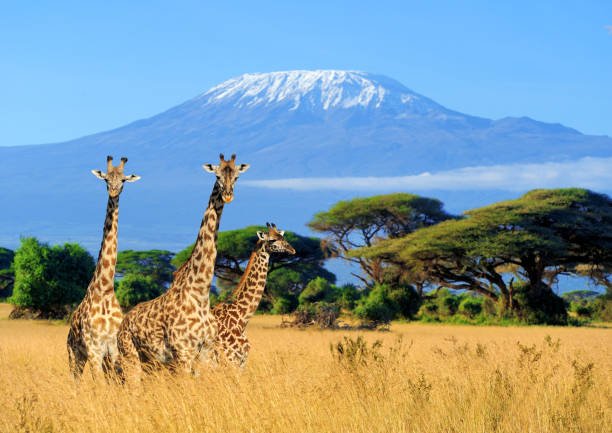
Identifying which country that has highest mountain in Africa requires a look toward the Great Rift Valley of East Africa, where tectonic forces have sculpted the landscape over millions of years. Tanzania holds the distinction of hosting Mount Kilimanjaro, a massive dormant stratovolcano that rises approximately 5,895 meters above the surrounding plains. This peak is not only the highest point on the continent but also the tallest freestanding mountain in the world, making it a primary destination for international adventurers and researchers alike.
The distribution of high-altitude peaks across the continent is largely influenced by volcanic activity and the movement of the Earth's crust. Understanding these geographical giants provides insight into the diverse climates and unique ecosystems that exist from the equator to the northern and southern fringes of the landmass.
These are the Countries that have the highest mountain in Africa
The African continent is home to several spectacular mountain ranges and isolated volcanic peaks that pierce the clouds and sustain rare biological diversity. While the highest summits are concentrated in the eastern region, significant elevations can be found across the northern Atlas range and the southern Drakensberg escarpments. These heights are essential for regional water security, acting as water towers that feed the great rivers of Africa. By looking at the specific topography of each nation, we can identify the leaders in altitude. Here is a detailed exploration of the nations with the most significant elevations, highlighting their unique geological and cultural characteristics.
1. Tanzania
Tanzania is the definitive African country which has highest mountain, serving as the guardian of the legendary Mount Kilimanjaro. This mountain consists of three distinct volcanic cones named Kibo, Mawenzi, and Shira, with Kibo being the highest and the site of the famous Uhuru Peak. Kilimanjaro is a world-renowned landmark that supports five distinct ecological zones, ranging from tropical rainforests at the base to an arctic wasteland at the summit. The mountain’s glaciers have fascinated scientists for decades, though they are currently receding at an alarming rate due to global climate shifts. Climbing this peak is a significant economic driver for the local Chaga people and the Tanzanian tourism industry, attracting thousands of trekkers every year. The sight of its snow-capped peak rising above the sun-drenched savanna remains one of the most iconic images of the African natural landscape.
2. Kenya
Kenya follows closely as a primary country in Africa highest mountain contender, possessing Mount Kenya, which reaches an elevation of 5,199 meters. This ancient extinct volcano is characterized by its rugged, jagged peaks, with Batian and Nelion being the two highest points that require technical climbing skills to summit. Mount Kenya is deeply significant to the local Gikuyu community, who traditionally believe it to be the earthly dwelling place of their deity, Ngai. The mountain’s diverse vegetation includes unique Afro-alpine flora such as giant lobelias and groundsels, which have adapted to the intense solar radiation and freezing nighttime temperatures. Its slopes are protected within a national park and are designated as a UNESCO World Heritage site due to their ecological importance and scenic beauty. While smaller than Kilimanjaro, Mount Kenya is often considered a more challenging and rewarding climb for experienced mountaineers because of its technical rock and ice routes.
3. Uganda
Uganda hosts the third highest peak on the continent, located within the Rwenzori Mountains, often poetically referred to as the Mountains of the Moon. Mount Stanley is the highest point in this range, with its Margherita Peak reaching 5,109 meters above sea level along the border with the Democratic Republic of the Congo. Unlike the volcanic giants of Tanzania and Kenya, the Rwenzori is a block mountain range formed by the uplift of the Earth's crust during the formation of the Albertine Rift. This region is famous for its high rainfall and permanent mist, which supports a lush and somewhat prehistoric-looking environment filled with moss-covered heathers and giant flora. The glaciers of the Rwenzori are unique because they are located almost exactly on the equator, providing a stunning contrast between tropical heat and frozen ice. The range is a vital source for the Nile River, contributing significant water volume through its melting snow and high-altitude wetlands.
4. Democratic Republic of the Congo
The Democratic Republic of the Congo shares the majestic Mount Stanley with Uganda, placing it firmly among the African countries that have the highest mountain peaks. The western slopes of the Stanley massif drop into the vast Congolese rainforest, creating a dramatic transition from alpine glaciers to dense tropical jungle. Congolese territory also includes other significant peaks within the Virunga Mountains, which are active volcanoes that periodically reshape the surrounding landscape. Mount Karisimbi, which stands at 4,507 meters, is another high point located on the border with Rwanda, known for its occasional snow cover during the dry season. The security challenges in the eastern part of the country have historically limited access to these peaks, but they remains some of the most biologically diverse areas on earth. These mountains are home to the critically endangered mountain gorillas, making the high-altitude forests a site of global conservation priority. The geological instability of the region ensures that these mountains are constantly being monitored by vulcanologists and environmental scientists.
5. Ethiopia
Ethiopia is often called the Roof of Africa because a significant portion of its land area sits at a high altitude, including the Simien Mountains where Ras Dashen is located. Standing at 4,550 meters, Ras Dashen is the highest point in Ethiopia and is part of a massive plateau system that was formed by volcanic eruptions millions of years ago. The Simien Mountains are characterized by dramatic escarpments and deep gorges that offer some of the most stunning landscapes on the continent. This high-altitude environment is the exclusive home of several endemic species, including the Walia ibex, the Gelada baboon, and the Ethiopian wolf. The Ethiopian Highlands are culturally unique, having sustained an independent Orthodox Christian civilization for over a thousand years in relative isolation. The cool, temperate climate of these mountains allows for a variety of agriculture that is not possible in the surrounding arid lowlands of the Horn of Africa. Ethiopia's mountains are a testament to the resilience of both nature and culture in one of the world's oldest sovereign nations.
6. Rwanda
Rwanda is a small but exceptionally mountainous nation that hosts several peaks exceeding 4,000 meters within the Virunga volcanic chain. Mount Karisimbi is the highest among them at 4,507 meters, and it is frequently shrouded in white clouds or capped with light snow, which is the origin of its name in the local Kinyarwanda language. The mountain is situated within the Volcanoes National Park, which is internationally famous for its primate conservation efforts led by the late Dian Fossey. Rwanda’s high-altitude terrain is characterized by fertile volcanic soil, which supports one of the highest human population densities in Africa through intensive terraced farming. The mountains also play a crucial role in regulating the local climate, ensuring that Rwanda receives consistent rainfall throughout the year. For travelers, the trek up Karisimbi offers a chance to see the varying layers of vegetation, from bamboo forests to sub-alpine moorlands. The discipline and organization of Rwanda’s environmental management have made these high peaks accessible and well-protected assets for the nation.
7. Morocco
Morocco possesses the highest peak in North Africa, Mount Toubkal, which rises to 4,167 meters in the heart of the High Atlas Mountains. This range acts as a massive barrier between the Mediterranean climate of the coast and the arid landscape of the Sahara Desert. Unlike the equatorial mountains, Toubkal experiences heavy snowfall during the winter months, making it a popular destination for skiing and winter mountaineering. The surrounding valleys are inhabited by the Berber people, who have adapted to the rugged terrain with sophisticated irrigation systems and stone-built villages. Toubkal is a relatively accessible climb for trekkers, requiring no technical skills during the summer months, which has made it a central hub for Moroccan mountain tourism. The contrast between the red dust of the lower slopes and the stark white of the snow-covered summit is a defining feature of the Moroccan landscape. The High Atlas provides a critical water source for the fertile plains of Marrakech, highlighting the economic importance of Morocco's highest elevations.
8. Cameroon
Cameroon is home to the highest peak in West Africa, Mount Cameroon, which is an active volcano standing at 4,040 meters above the Gulf of Guinea. Locally known as Fako or Mongo ma Ndemi, which means Mountain of Greatness, it is one of the most frequent erupting volcanoes on the continent. The mountain is unique because it rises directly from the coast, meaning climbers begin their ascent at sea level and pass through every climatic zone to the cold, windy summit. The slopes of Mount Cameroon are among the wettest places on earth, receiving incredible amounts of annual rainfall that sustain lush biodiversity. Every year, the mountain hosts the Race of Hope, an extreme marathon that attracts international athletes to compete on its steep and rocky trails. The volcanic soil around the mountain is extremely fertile, supporting massive tea and rubber plantations that are vital to the Cameroonian economy. Despite its active status, the communities living at its base have a deep spiritual and practical connection to the mountain, viewing it as a powerful protector of their land.
9. Lesotho
Lesotho is a unique country in Africa highest mountain territory because it is the only nation in the world that lies entirely above 1,000 meters in elevation. Its highest point is Thabana Ntlenyana, which reaches 3,482 meters and is the tallest peak in Southern Africa. The mountain is part of the Drakensberg range, which forms a massive basaltic escarpment along the border with South Africa. Lesotho’s high altitude has earned it the nickname the Kingdom in the Sky, and it is a place where snow is a common occurrence during the southern winter. The rugged terrain has historically protected the Basotho people from invaders, allowing them to maintain their sovereignty and cultural traditions. The mountains are also a massive source of water for the region, with the Lesotho Highlands Water Project providing essential supplies to the industrial heartland of South Africa. Life in these mountains is centered on pastoralism, with hardy Basotho ponies and sheep being a common sight on the high plateaus. The thin air and dramatic vistas make Lesotho a hidden gem for those seeking a truly alpine African experience.
10. South Africa
South Africa possesses a significant portion of the Drakensberg range, with its highest peak, Mafadi, standing at 3,450 meters on the border with Lesotho. The Drakensberg, or uKhahlamba in the Zulu language, means Barrier of Spears, a fitting name for the jagged and imposing cliffs that define the landscape. This area is recognized as a UNESCO World Heritage site not only for its natural beauty but also for the thousands of ancient San rock paintings found in its caves. The mountains provide a diverse range of activities, from world-class hiking and rock climbing to bird watching for rare species like the bearded vulture. South Africa has developed an extensive network of national parks and private reserves in the Drakensberg, making it one of the most organized mountain tourism sectors on the continent. The high-altitude grasslands are critical for biodiversity and serve as the primary catchment area for the Tugela and Orange rivers. The weather in the South African high peaks can be unpredictable, with sudden thunderstorms and winter blizzards adding to the wild and majestic character of the range.
11. Algeria
Algeria features the Ahaggar Mountains in the heart of the Sahara, where Mount Tahat reaches an elevation of 2,908 meters. This volcanic massif rises sharply from the desert floor, creating a stark and beautiful landscape of twisted rock formations and deep red sands. The Ahaggar region is the ancestral home of the Tuareg people, the "blue people" of the Sahara, who have navigated these mountains for centuries as part of their nomadic lifestyle. Although Tahat is lower than the peaks of East Africa, its location in the middle of a vast desert makes its elevation feel particularly dramatic and isolated. The high altitude provides a cooler refuge from the extreme temperatures of the surrounding Sahara, allowing for the survival of unique desert-adapted plants and animals. Algeria has designated the area as a national park to protect its geological wonders and the rich cultural heritage of the Tuareg. These mountains serve as a reminder that the North African interior possesses its own rugged giants that have shaped the history of trans-Saharan trade and migration.
12. Eritrea
Eritrea is characterized by a high central plateau that drops steeply toward the Red Sea, with Mount Emba Soira being its highest point at 3,018 meters. The mountain is part of the Eritrean Highlands, a region that shares many geological similarities with the Ethiopian Highlands to the south. The climb to the summit offers spectacular views of the Great Rift Valley and the distant coastal plains, showcasing the dramatic topography of the Horn of Africa. The high altitude of the Eritrean interior provides a temperate climate that has historically supported the nation's agricultural heartland and its capital, Asmara. Eritrea's mountains are often terraced for farming, showing the ingenuity of the local population in managing steep and rocky land. During the long struggle for independence, these rugged peaks provided essential cover and strategic advantages for Eritrean forces. Today, the mountains remain a symbol of national resilience and a key part of the country's unique highland identity.
Reasons Why These Countries Have Highest Mountains in Africa
1. Active Tectonic Rifting and Uplift: The most significant reason why many African countries that have the highest mountain peaks are located in the east is the Great Rift Valley. This massive geological feature is caused by the African plate splitting into the Somalian and Nubian plates, a process that forces the Earth's crust to rise and create high-altitude plateaus. As the plates pull apart, the resulting tension causes blocks of land to uplift, forming ranges like the Rwenzori. This ongoing tectonic activity is the primary engine behind the continent's most dramatic elevations.
2. Presence of Volcanic Hotspots: Many of Africa's highest summits are actually massive volcanoes that formed over millions of years due to hotspots in the mantle. Kilimanjaro, Mount Kenya, and Mount Cameroon are all stratovolcanoes that grew as layer upon layer of lava and ash accumulated from successive eruptions. Because these volcanoes are often isolated from larger mountain ranges, they can reach incredible heights while standing on relatively flat plains. This volcanic heritage is responsible for the fertile soil and the unique conical shapes of the continent's most famous peaks.
3. Continental Collision and Folding: In the northern part of the continent, the highest mountains were formed by the collision of the African and Eurasian tectonic plates. This process created the Atlas Mountains in Morocco and Algeria through a process called folding, where the Earth's crust is squeezed and pushed upward. Unlike the volcanic peaks of the east, these are fold mountains characterized by long, continuous ridges and rugged valleys. This collision is the same geological force that created the Alps in Europe, giving North Africa a distinct alpine topography.
4. Erosion and Geological Time: The height of a mountain is often a balance between the forces of uplift and the forces of erosion. In stable regions like the Ethiopian Highlands, the massive height was maintained because the volcanic rock was resistant enough to withstand the carving action of rivers and wind over eons. Conversely, in other areas, erosion has carved deep gorges and sharp peaks out of high plateaus, making the remaining summits appear even more prominent. The African country which has highest mountain status is often the result of having the right combination of high-density rock and specific climatic conditions that slow down the weathering process.
5. Ancient Cratonic Stability: Parts of Africa, especially in the south and west, consist of very old and stable pieces of the Earth's crust called cratons. While these areas are not currently as tectonically active as the rift zones, they have experienced periods of massive uplift in the distant past. The Drakensberg range in South Africa and Lesotho is a remnant of a massive basaltic flow that occurred during the breakup of the supercontinent Gondwana. The sheer thickness of these ancient lava flows allows these mountains to maintain their high elevations despite millions of years of exposure to the elements.
6. Glacial Sculpting and High-Altitude Weathering: For the highest peaks like Kilimanjaro and the Rwenzori, their current shape has been significantly influenced by the action of glaciers. During previous ice ages, larger ice caps covered these summits, carving out the dramatic cirques and valleys we see today. This glacial action removes softer material and leaves behind the hardest rock cores, which form the sharp summits. Even today, the extreme temperature fluctuations at high altitudes cause frost-shattering, which continues to sharpen the peaks of the highest African mountains, giving them their rugged and formidable appearance.
Conclusion
In summary, while several nations boast impressive peaks, Tanzania remains the specific which country that has highest mountain in Africa with the towering presence of Kilimanjaro. From the volcanic summits of Kenya and Cameroon to the rugged fold mountains of Morocco and the ancient escarpments of Lesotho, the continent’s high altitudes are a reflection of its dynamic geological history. These mountains are far more than just physical landmarks; they are essential for the continent's ecology, culture, and economy. As global temperatures rise, the preservation of these high-altitude environments and their glaciers becomes a matter of international concern. Ultimately, the African country which has highest mountain peaks will continue to inspire awe and serve as a vital reminder of the raw power and beauty of the natural world.
Enjoyed this read?
Share it with your friends and colleagues.