Which Country Has The Most Iphone Users In Africa

BSC Insights Admin
September 30, 2026
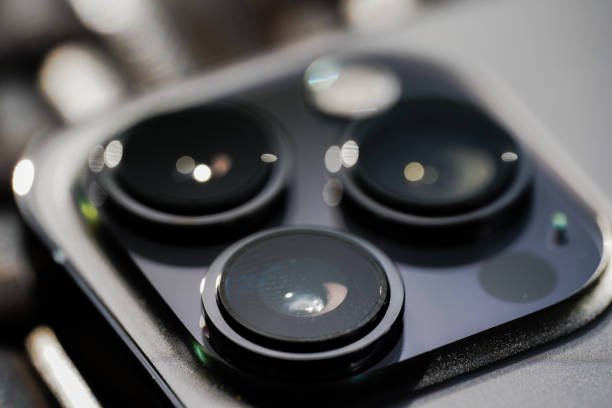
Identifying which country that has the most iPhone users in Africa requires a close look at market share data and total population figures across the continent's major tech hubs. Nigeria currently leads in total volume due to its massive population and a strong culture of luxury tech consumption, even though South Africa often shows a higher percentage of iOS adoption relative to its total mobile market. This distribution highlights the growing middle class in these regions and the high demand for premium smartphones as status symbols and reliable professional tools.
The rise of the Apple brand in these markets is closely tied to the expansion of 4G and 5G networks and the availability of refurbished devices. Understanding these trends helps us pinpoint the specific nations where the Apple ecosystem has established the deepest roots among African consumers.
These are the Countries which have the most iPhone users in Africa
While Android remains the dominant operating system across the continent due to affordability, certain nations have become significant markets for Apple products. These countries are characterized by urban centers with high purchasing power, robust telecommunications infrastructure, and a thriving market for both new and pre owned electronics. The following list examines the primary markets where iPhone usage is most prevalent today.
1. Nigeria
Nigeria is arguably the country in Africa with the most iPhone users in terms of sheer numbers, driven by a population of over 200 million people. In major cities like Lagos and Abuja, the iPhone is seen as a major status symbol and is the preferred device for the booming creative and tech industries. While a large portion of the population uses budget Android devices, the sheer volume of the Nigerian middle class ensures that millions of iPhones are in active use. Interestingly, a significant portion of this market is fueled by the UK used or refurbished phone trade, which makes premium Apple devices accessible to a wider demographic. The local tech ecosystem also favors iOS for app development, further cementing its place in the Nigerian digital landscape. Recent market reports suggest that iOS market share in Nigeria fluctuates between 10 and 14 percent, which represents a massive number of individual users compared to smaller nations.
2. South Africa
South Africa stands out as the most mature market for Apple on the continent, boasting a very high percentage of iPhone adoption among its urban population. Unlike many other African nations where phones are bought outright, South Africa has a well developed contract system with carriers like Vodacom and MTN that makes expensive iPhones more affordable through monthly installments. This has resulted in a consistent iOS market share that often hovers around 15 to 20 percent, making it a critical hub for Apple's regional strategy. The presence of official Apple Premium Resellers and dedicated service centers ensures that users have high quality support and access to the latest models immediately upon global release. Cities like Johannesburg and Cape Town have extremely high concentrations of iPhone users, particularly within the corporate and creative sectors. South Africa's stable banking and payment infrastructure also encourages the use of Apple Pay, which further locks users into the Apple ecosystem.
3. Egypt
Egypt is a massive market for mobile technology and ranks highly among the African countries that have the most iPhone users due to its large, tech savvy youth population. In the bustling streets of Cairo and Alexandria, Apple devices are highly sought after by young professionals and students who value the brand's prestige and software longevity. The Egyptian market has seen a steady increase in iPhone users as the economy urbanizes and more people gain access to high speed mobile internet. Apple has also made efforts to localise services in Egypt, which has helped maintain a loyal user base despite stiff competition from Chinese brands. The availability of diverse financing options through local retailers has made it easier for Egyptians to upgrade to the latest iPhone models. Furthermore, the strong influence of social media culture in Egypt drives the demand for iPhones because of their superior camera quality for content creation.
4. Kenya
Kenya is often referred to as the Silicon Savannah, and its position as a regional tech leader means it has a significant and growing number of iPhone enthusiasts. While the market was historically dominated by Android due to the popularity of local services like M-Pesa, the iPhone has gained massive ground among the affluent and the growing tech workforce in Nairobi. Many Kenyans prefer the iPhone for its security features and the high resale value that Apple products maintain over time. There is a vibrant market for certified refurbished iPhones in Kenya, which allows many university students and young entrepreneurs to join the iOS ecosystem at a lower price point. The integration of mobile money with Apple services has also improved over the years, making the device more functional for the average Kenyan consumer. As the country's middle class continues to expand, the number of iPhone users is projected to rise steadily over the next decade.
5. Morocco
Morocco has a unique market profile because of its close economic and cultural ties to Europe, which significantly influences its consumer tech preferences. This North African nation has one of the highest per capita rates of iPhone ownership on the continent, with a strong preference for the latest premium models. The proximity to Europe allows for a steady flow of both new and second hand Apple devices into the Moroccan market, ensuring high availability. Major cities such as Casablanca and Rabat feature numerous high end retail outlets where iPhones are a top seller during the holiday seasons. The Moroccan government's push for digitalization has also encouraged the adoption of high end smartphones that can handle complex mobile banking and e-government applications. Apple's brand image in Morocco is synonymous with quality and professional success, making it the go to choice for the country's business elite.
6. Algeria
Algeria represents another significant North African market where the iPhone has a strong foothold despite high import duties on luxury electronics. The demand for Apple products remains resilient because of the perceived durability and the long term software support that Apple provides compared to many Android manufacturers. Algerian consumers often rely on independent importers and specialized tech boutiques to acquire the latest iPhone models shortly after their international launch. There is a strong community of iOS users in Algiers who utilize the platform for its robust security and privacy features, which are highly valued in the region. The second hand market is also very active, allowing the iPhone to reach various socio economic tiers within the urban population. As the telecommunications sector in Algeria continues to modernize, the integration of iOS devices into daily life for both personal and professional use is becoming more visible.
7. Ghana
Ghana has emerged as one of the most stable and growing markets for Apple in West Africa, with a consumer base that is increasingly brand conscious. In Accra, the iPhone is the device of choice for celebrities, influencers, and the burgeoning corporate class, leading to a visible presence of the brand in public life. The Ghanaian market is characterized by a strong appetite for the Pro and Pro Max versions of the iPhone, which are utilized heavily for photography and social media management. While the total number of users is smaller than in Nigeria, the density of iPhone users in urban areas is quite high. Retailers in Ghana have also started offering trade in programs, where users can swap their older models for the newest versions, which has helped sustain user numbers. Ghana's friendly business environment and rising disposable income make it a key target for third party Apple distributors in the West African sub-region.
8. Tunisia
Tunisia may have a smaller population than its neighbors, but it boasts a highly educated and tech oriented citizenry that favors the iOS platform. The country has a relatively high percentage of iPhone users compared to its total population, driven by a strong desire for high performance technology. Tunisian developers are also very active in the Apple App Store, contributing to a local ecosystem that encourages iPhone ownership. The market for Apple devices is well supported by numerous authorized resellers and independent technicians who specialize in iOS hardware. Despite economic fluctuations, the iPhone remains a priority purchase for many Tunisians who view it as a long term investment in technology. The widespread availability of public Wi-Fi and 4G services in Tunisian cities further enhances the user experience for those on the Apple platform.
9. Ethiopia
Ethiopia is a rapidly developing market that is beginning to see a surge in high end smartphone adoption as its telecommunications sector opens up to competition. With a population of over 110 million, the potential for iPhone growth is enormous, and currently, the brand is making significant inroads among the elite in Addis Ababa. The recent entry of new telecom providers has led to better data packages, making the data intensive features of the iPhone more accessible to the average user. While Android still holds the majority share, the prestige associated with countries in Africa that have the most iPhone users is starting to manifest in Ethiopia's urban culture. Many Ethiopians living in the diaspora also send iPhones back to their families, which has created a substantial base of Apple users throughout the country. As the economy continues to liberalize, Ethiopia is expected to become one of the most important markets for Apple in East Africa.
10. Mauritius
Mauritius is a small island nation but ranks very high in terms of the percentage of the population that uses an iPhone. As one of the wealthiest countries in Africa per capita, many Mauritians can afford to buy the latest Apple products at full retail price. The country has excellent internet connectivity and a high level of digital literacy, which makes it an ideal environment for the iOS ecosystem to thrive. Apple products are widely available through official channels, and the level of technical support available on the island is superior to many other African nations. Mauritius serves as a prime example of how economic prosperity directly correlates with high iPhone adoption rates on the continent. The lifestyle in Mauritius, which blends tourism, finance, and technology, is perfectly suited for the seamless integration of Apple's various devices and services.
Reasons Why These Countries Have Many iPhone Users in Africa
1. Growth of the Urban Middle Class: The primary reason why an African country which has the most iPhone users sees such high numbers is the rapid expansion of the middle class in cities like Lagos, Nairobi, and Johannesburg. As people move into professional roles in finance, technology, and the creative arts, they seek out devices that offer better performance and a premium brand experience. This demographic shift has turned the iPhone from an unreachable luxury into a standard tool for the modern African professional.
2. The Thriving Refurbished Market: A significant portion of iPhone users across the continent do not buy brand new devices but instead opt for high quality refurbished models from Europe and the United States. This secondary market has made the Apple ecosystem accessible to millions of people who cannot afford the high price tag of a new iPhone 15 or 16 but want the reliability of iOS. In many African cities, specialized markets exist solely for the sale and repair of these pre owned Apple devices.
3. Status and Brand Perception: In many African cultures, the iPhone is more than just a phone; it is a significant status symbol that signals success and modern sophistication. This perception drives high sales volumes even in economies where the average income might suggest otherwise, as consumers are willing to save for months to afford an Apple device. This brand loyalty is incredibly strong, with many users refusing to switch back to Android once they have entered the Apple ecosystem.
4. Superior Camera and Social Media Integration: The rise of the creator economy in Africa, particularly in Nigeria, Ghana, and Kenya, has made the iPhone the preferred choice for influencers and videographers. Apple's superior video processing and the way apps like Instagram and TikTok are optimized for iOS give iPhone users a distinct advantage in content quality. This functional advantage is a major reason why the younger generation in these countries prioritizes getting an iPhone over other brands.
5. Longevity and Software Support: African consumers are increasingly aware that iPhones tend to last longer and receive software updates for many years compared to budget and mid range Android phones. This makes the iPhone a better long term investment for those who do not want to replace their phone every year or two. The ability of an older iPhone model to still run the latest apps smoothly is a massive selling point in markets where disposable income must be spent wisely.
6. Better Resale Value: Unlike most other smartphone brands, iPhones retain a high percentage of their value even after several years of use. This allows users in countries like South Africa and Egypt to trade in their old devices for a significant discount on a new model. This circular economy within the Apple ecosystem ensures that the number of active users remains high as devices are passed down or resold through multiple owners.
Conclusion
When analyzing which country that has the most iPhone users in Africa, it is clear that Nigeria and South Africa remain the dominant leaders due to their unique economic and demographic conditions. While the high cost of new Apple devices remains a barrier for many, the combination of a robust refurbished market and the brand's high status continues to drive adoption across the continent. As telecommunications infrastructure improves and more Africans enter the middle class, the presence of the iPhone in the African market is set to grow even further. Ultimately, the iPhone has transitioned from being a niche luxury item to a vital tool for the continent's digital transformation. Apple's influence in Africa is a testament to the universal appeal of quality hardware and a well integrated software ecosystem.
Enjoyed this read?
Share it with your friends and colleagues.