Which Country Has The Best Jollof Rice In West Africa

BSC Insights Admin
October 01, 2026
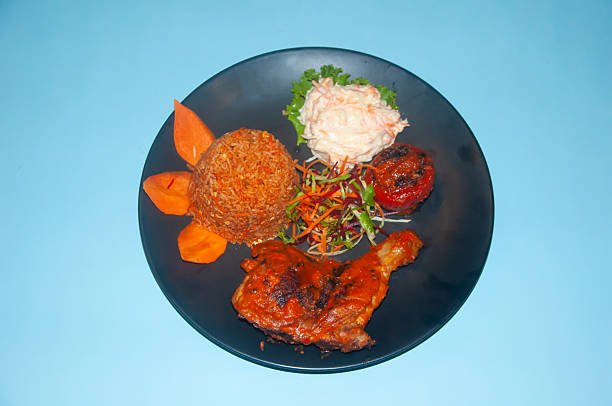
Determining which country that has the best Jollof Rice in West Africa involves exploring a rich tapestry of culinary traditions that center on the historic Wolof people of Senegal. While Senegal is the recognized birthplace of the dish, nations like Nigeria and Ghana have elevated it into a global phenomenon known for its intense spices and vibrant red color. This friendly but fierce rivalry is often celebrated through international culinary challenges, showcasing the unique flavor profiles found in each national kitchen.
Understanding the technical differences in preparation reveals why each nation claims the top spot in this regional debate. The discussion transcends simple nutrition and enters the realm of cultural identity and heritage for millions of people across the sub-region.
These are the Countries that have the best Jollof Rice in West Africa
The culinary landscape of West Africa is defined by a shared love for this one-pot rice dish, yet every nation has developed a unique signature that reflects its local agriculture and history. From the type of grain used to the specific blend of peppers and seasonings, the variations are staggering. Finding the African country which has the best Jollof Rice requires an appreciation for the subtle nuances that make each version distinct. Below is a detailed look at the leading nations in the region and what makes their specific version of this beloved dish stand out to food critics and locals alike.
1. Senegal
Senegal is the historical home of Jollof rice, where it is known as Thieboudienne and has been officially recognized as a UNESCO Intangible Cultural Heritage. Unlike the versions found in other countries, the Senegalese original primarily uses broken rice and is traditionally prepared with fresh fish rather than meat. The depth of flavor is achieved through the use of fermented conch and smoked fish, which provide a deep umami base that is unique to the Senegambia region. They also include a wide variety of vegetables such as cassava, carrots, and eggplant, which are simmered in a rich tomato and herb stock before the rice is added. This version is often considered the most complex and nutritionally balanced because it incorporates so many different food groups into a single pot. For those who want to experience the authentic roots of the dish, Senegal remains the definitive destination.
2. Nigeria
Nigeria is arguably the most vocal participant in the debate, famous for its smoky "Party Jollof" that is a staple at every wedding and social gathering. Nigerian Jollof is characterized by the use of long-grain parboiled rice, which ensures that each grain remains separate and firm rather than mushy or sticky. The distinct smoky flavor is traditionally achieved by cooking the rice over firewood, allowing the bottom layer to slightly scorch in a process known as "bottom pot." The base is a fiery blend of tomatoes, scotch bonnet peppers, and red onions, often seasoned with bay leaves, thyme, and curry powder. This version is typically served with fried plantains, a side of coleslaw, and various proteins like fried beef or chicken. Nigeria is often cited as the country in Africa that has the best Jollof Rice by those who prefer a spicy, bold, and smoky flavor profile.
3. Ghana
Ghana provides a strong alternative that many connoisseurs believe is superior due to its use of aromatic basmati or perfumed rice. Unlike the Nigerian version, Ghanaian Jollof usually has a lighter texture and a more fragrant aroma, with a heavy emphasis on ginger and garlic in the starting base. Ghanaians are particularly proud of their spice blend, which often results in a rice that is more intensely seasoned and less oily than other varieties. It is frequently served with "shito," a dark and spicy black pepper sauce made with ginger, dried fish, and crustaceans, which adds an incredible layer of flavor to the meal. Many people find that the Ghanaian method of steaming the rice slowly produces a more delicate and sophisticated dish. The rivalry between Ghana and Nigeria is the heart of the "Jollof Wars," a cultural phenomenon that has gained global attention on social media platforms.
4. The Gambia
The Gambia shares deep cultural ties with Senegal and is another top contender for the title, using a style very similar to the original Thieboudienne but with local twists. In The Gambia, the dish is often called Benachin, which literally translates to "one pot" in the Wolof language. They often use a mix of seafood and meat, providing a rich, savory experience that highlights the abundance of the Gambia River and the Atlantic coast. The Gambian version is known for being incredibly hearty, often featuring large chunks of vegetables and a very thick, tomato-rich sauce. While it may not have the global social media presence of Nigeria or Ghana, many travelers argue that the balance of flavors in a Gambian Benachin is the best in the region. It remains a hidden gem of West African cuisine, offering an authentic taste of the Sahelian coast.
5. Sierra Leone
Sierra Leone offers a version of Jollof rice that is highly regarded for its richness and the inclusion of various local oils and leafy greens on the side. Sierra Leonean Jollof often incorporates a bit of palm oil along with vegetable oil, which gives the rice a unique color and an earthy undertone. It is common to find it served with "crain crain" or cassava leaves, providing a textural contrast that is not found in the more northern versions. The spice level is generally moderate but well-balanced, focusing on the sweetness of the onions and the richness of the meat stock. This version is a favorite for those who enjoy a more rustic and "homely" feel to their rice dishes, emphasizing comfort over showmanship. It reflects the agricultural diversity of the nation and its history as a melting pot of various West African influences.
6. Liberia
Liberia has a unique take on Jollof rice that is influenced by its historical connections to both the West African coast and the American South. Liberian Jollof is often very spicy and includes a wide variety of meats and seafood all in one pot, including beef, chicken, and shrimp. They often add mixed vegetables like peas and carrots into the rice as it cooks, giving it a colorful appearance and a diverse range of flavors in every bite. The consistency of Liberian Jollof is often a bit more moist than the Nigerian variety, making it feel like a very rich and filling stew-rice hybrid. Because of the heavy spice and mixed protein content, it is often favored by those who want a "complete" meal experience without many side dishes. It is an unapologetically bold version that showcases the nation's vibrant culinary spirit.
7. Togo
Togo is a smaller nation but its culinary contributions are immense, and its Jollof rice is noted for its smooth and well-integrated tomato flavor. Togolese Jollof often uses a significant amount of tomato paste and fresh puree, resulting in a deep red color that is visually striking. They tend to use a lot of onions and garlic, creating a savory foundation that is less about the heat of the peppers and more about the sweetness of the vegetables. It is often served with "wagasi," a traditional fried cheese, or grilled chicken that has been marinated in local spices. The Togolese style is often praised for its consistency and the perfect "doneness" of the rice, which is neither too hard nor too soft. This version is a great entry point for those who are new to the dish and want a balanced, approachable introduction to West African flavors.
8. Benin Republic
Benin Republic shares many culinary traits with its neighbors but its Jollof rice stands out for the inclusion of certain coastal spices and artisanal oils. Beninese Jollof is often cooked with fresh fish heads or stocks that give the rice a rich maritime flavor even if the main protein served is chicken or beef. They also utilize "djansang" or other local nuts to thicken the sauce and add an earthy complexity that is quite rare in other countries. The influence of French culinary techniques is sometimes seen in the way the vegetables are cut and the careful layering of the seasoning. It is a sophisticated version that rewards a discerning palate with its multiple layers of flavor. Beninese Jollof proves that even within a shared regional tradition, there is always room for unique local innovation.
9. Ivory Coast (Côte d'Ivoire)
Ivory Coast has a version called "Riz Gras," which is essentially their take on the Jollof tradition, focusing on the richness and oiliness of the sauce. As the name implies, the rice is meant to be "fat" or rich, having absorbed a large amount of seasoned oil and meat stock during the cooking process. Ivorian Riz Gras often features large pieces of meat or poultry that are cooked directly in the rice, ensuring that the grains are saturated with animal fats and juices. They also use a unique blend of "Maggi" cubes and local bouillon that gives the dish a distinctive savory profile that is different from the more pepper-forward versions. It is a highly satisfying and energy-dense meal that is a favorite in the bustling markets of Abidjan. This style reflects the French influence on Ivorian culture, where the richness of the ingredients is prioritized.
10. Mali
Mali represents the inland, Sahelian variation of the dish, where the use of different spices like cumin and dried ginger is more prevalent. Because it is a landlocked nation, the Malian version often relies on dried fish and land-based proteins like lamb or goat, which give the rice a gamey and robust flavor. They often include local beans or lentils in the pot, adding a nutritional boost and a different texture to the final dish. Malian Jollof is often served with a side of "fakoye," a dark green herb stew that adds an intensely savory and slightly bitter element to the meal. It is a soulful and ancient-feeling version of the dish that connects the trans-Saharan trade routes with the coastal culinary traditions. For those who enjoy earthy, deep flavors, the Malian variation is a fascinating discovery.
Reasons Why These Countries Have The Best Jollof Rice in West Africa
1. Centuries of Culinary Evolution: The primary reason why these African countries that have the best Jollof Rice are so successful is the deep historical roots of the dish. Jollof originated with the Wolof people in the 14th century, and for hundreds of years, it has been refined, adapted, and passed down through generations. This long history has allowed each nation to experiment with different rice varieties and cooking techniques until they achieved a "national standard" of excellence. When you eat Jollof in West Africa, you are literally tasting centuries of cultural development and domestic skill.
2. Access to Fresh, Local Ingredients: The quality of the food in this region is largely driven by the use of fresh, non-processed ingredients that are harvested daily. The tomatoes, onions, and scotch bonnet peppers are often sold in local markets just hours after being picked, ensuring a level of flavor and "kick" that canned or frozen alternatives cannot match. Countries in Africa that have the best Jollof Rice rely on the natural sweetness of sun-ripened produce and the richness of red palm oil or locally produced vegetable oils. This commitment to fresh agriculture is a major factor in the dish's worldwide popularity.
3. The Influence of the Jollof Wars: The intense but friendly rivalry between Nigeria and Ghana has actually served to improve the quality of the dish across the continent. Because of the "Jollof Wars" on social media, chefs and home cooks are now more attentive to their recipes, trying to perfect the smokiness, the texture, and the presentation to represent their flag. This competition has turned a standard family meal into a point of national prestige, driving innovation and a renewed interest in traditional cooking methods. It has essentially created a "quality control" system where everyone strives to be the best.
4. Mastery of Spices and Umami Bases: West African cooks are masters at creating deep, savory flavors using natural umami sources like fermented locust beans, smoked fish, and crayfish powder. These African countries that have the best Jollof Rice do not just rely on salt; they build layers of flavor by sautéing onions until they are caramelized and frying tomato paste until the acidity is gone. This technique, often called "frying the base," is what gives the rice its rich color and its addictive savory quality. It is a time-consuming process that requires patience and an expert understanding of how different flavors interact in a hot pot.
5. Use of Traditional Cooking Methods: Even in modern cities, many of the best versions of Jollof are still cooked over firewood or charcoal, which provides a smoky flavor that is impossible to replicate on a gas stove. This traditional method is a key reason why many people believe the country in Africa that has the best Jollof Rice must be one where the "party style" of cooking is prevalent. Firewood allows for a high, even heat that sears the rice and creates that coveted "bottom pot" layer of crunchy, flavorful grains. This connection to ancient cooking styles is what keeps the dish grounded in its authentic heritage while it gains modern fans.
6. Communal Dining and Hospitality: In West Africa, Jollof rice is rarely eaten alone; it is a communal meal that represents love, unity, and the welcoming of guests. This cultural context means that the food is always prepared with a high level of care, as it is a reflection of the host's character and generosity. When you are cooking for a community, there is an added pressure to ensure that the rice is perfectly seasoned and that there is plenty for everyone. This "love" that goes into the cooking is often cited by travelers as the secret ingredient that makes West African Jollof truly the best in the world.
Conclusion
In the final analysis, determining which country that has the best Jollof Rice in West Africa is a subjective journey through some of the most vibrant and flavorful kitchens on the planet. Whether you prefer the fish-based heritage of Senegal, the smoky fire of Nigeria, or the aromatic basmati of Ghana, each nation offers a unique and soul-satisfying experience. The continuous evolution of this dish, fueled by national pride and local agriculture, ensures that it remains at the heart of African culinary identity. Ultimately, any country in Africa that has the best Jollof Rice is the one that manages to tell its own story through a single, delicious pot of rice. As this dish continues to capture hearts globally, it stands as a testament to the shared history and resilient spirit of the West African people.
Enjoyed this read?
Share it with your friends and colleagues.