Which Country Has More Juju In Africa

BSC Insights Admin
September 30, 2026
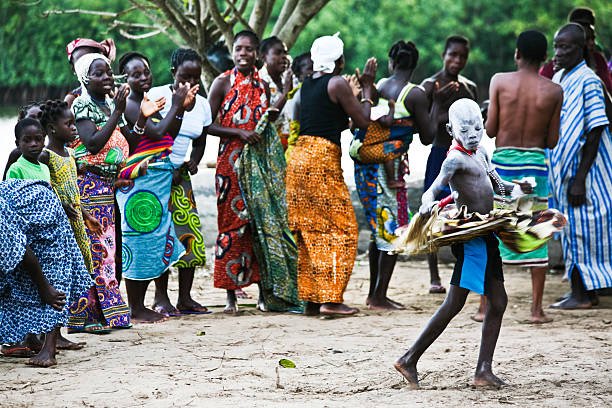
Determining which country that has more juju in Africa requires an exploration of the deep-seated spiritual traditions and ancestral belief systems that dominate the cultural landscape of West and Central Africa. Benin is widely regarded as the global epicenter of these practices, particularly through its formal recognition of Voodoo as a national religion and its historical role in preserving ancient spiritual rituals. These belief systems are not merely superstitions but are integrated into the daily lives, judicial processes, and community structures of many millions of people across the continent.
Understanding the prevalence of these traditions helps in appreciating the complex tapestry of African spirituality that has survived centuries of external influence. As we look at various nations, we see how these traditional practices manifest in different ways, from protective amulets to sophisticated healing ceremonies.
These are the Countries that have more juju in Africa
The concept of juju is a multifaceted term that encompasses traditional medicine, spiritual protection, and the invocation of ancestral spirits to influence the physical world. While the term is often used colloquially or even pejoratively in modern media, it represents a profound connection to the metaphysical world for many practitioners. In some regions, these practices are so integrated into the social hierarchy that spiritual leaders hold as much influence as political figures. By examining the demographic and cultural data, we can identify specific nations where these traditions remain most visible and influential in the public sphere. The following list details the countries where traditional spiritual systems, often referred to under the umbrella of juju, are most prominently practiced and respected today.
1. Benin
Benin is often cited as the primary African country which has more juju because of its historical and official embrace of Voodoo, which is a foundational element of many regional spiritual practices. In the city of Ouidah, the annual Voodoo Festival attracts thousands of practitioners and tourists from across the globe, showcasing the nation's commitment to its spiritual heritage. The government has officially recognized this belief system, placing it on the same legal footing as Christianity and Islam, which is a rarity on the continent. Practitioners in Benin utilize a vast array of fetishes, shrines, and sacred forests to communicate with the spirit world and seek guidance for communal issues. This openness about spiritual matters has made Benin the intellectual and spiritual hub for anyone studying the roots of traditional West African beliefs. The influence of Beninese spirituality extends far beyond its borders, impacting the diaspora in places like Haiti, Brazil, and Cuba.
2. Nigeria
Nigeria is arguably the most famous country in Africa with more juju due to the massive cultural influence of the Yoruba, Igbo, and Edo people and their well documented spiritual systems. In Southwestern Nigeria, the veneration of Orishas like Sango and Ogun remains a powerful force, even among those who identify as modern Christians or Muslims. Nigeria’s film industry, Nollywood, has played a significant role in projecting images of these spiritual practices to a global audience, often focusing on the power of charms and the consequences of spiritual contracts. Shrines in places like the Osun-Osogbo Sacred Grove serve as active centers for ritual and pilgrimage, drawing thousands of devotees every year. The use of protective amulets and spiritual consultations is common across both rural and urban settings, reflecting a persistent belief in the efficacy of ancestral intervention. This spiritual vibrancy makes Nigeria a critical point of study for understanding the modern evolution of traditional beliefs.
3. Togo
Togo is home to the Akodessewa Fetish Market in Lomé, which is considered the largest market of its kind in the world and a testament to the nation's deep spiritual roots. This market provides everything from animal parts to carved idols used in traditional medicine and spiritual ceremonies, serving practitioners from across the West African region. Togo shares many cultural and linguistic ties with Benin, leading to a similarly high concentration of Voodoo and other traditional practitioners. The Ewe people, in particular, are known for their sophisticated spiritual hierarchies and their use of spiritual music and dance to induce trances and communicate with deities. In Togo, traditional priests often act as intermediaries in disputes, using their spiritual authority to bring about justice and reconciliation within the community. The visibility of these practices in everyday life confirms Togo's status as a major center for traditional African spirituality.
4. Ghana
Ghana possesses a rich and varied spiritual landscape where the Ashanti and Ewe traditions maintain a strong presence alongside modern religions. Many people view Ghana as a country in Africa with more juju because of the persistence of the "Akom" tradition, where priests and priestesses serve as vessels for the spirits of the ancestors. In the northern regions, traditional healers are often the first point of contact for health issues, utilizing a combination of herbal knowledge and spiritual invocation. The concept of the "fetish priest" is well established in Ghanaian society, and these figures are frequently consulted by everyone from politicians to businessmen seeking success and protection. Sacred sites like the Larabanga Mosque and various ancestral groves are protected as both historical and spiritual landmarks. Ghana’s ability to modernize while keeping its traditional spiritual roots intact is a defining feature of its national character.
5. Cameroon
Cameroon is a nation of immense ethnic diversity, and this is reflected in the wide variety of spiritual practices that are colloquially grouped under the term juju. In the western highlands, secret societies play a crucial role in local governance and the enforcement of traditional laws through spiritual means. Masked dancers, representing various spirits, appear at funerals and festivals to perform rituals that ensure the well-being of the living and the peaceful transition of the dead. Belief in "Nyongo," a form of spiritual wealth creation or influence, is a frequent topic of social discourse in both rural and urban areas. Cameroonians often rely on traditional practitioners to navigate complex life issues, such as infertility, bad luck, or legal troubles. The resilience of these practices despite colonial and modern pressures demonstrates the deep psychological and cultural importance they hold for the population.
6. The Gambia
The Gambia is widely recognized for the influence of Marabouts, who are spiritual guides and healers that blend Islamic teachings with traditional African mysticism. These practitioners are famous across the region for creating "gris-gris," which are protective charms containing verses or spiritual items intended to ward off evil and bring good fortune. Many Gambians, as well as visitors from neighboring Senegal, seek out these specialists for protection before embarking on long journeys or making significant life decisions. The role of the Marabout is deeply embedded in the social structure, and they are often consulted for advice on everything from family matters to political strategies. This blending of faiths creates a unique spiritual environment where the line between religious devotion and traditional juju practices is often blurred. The small size of the country allows for a high density of these practitioners, making their influence felt in almost every community.
7. Senegal
Senegal is another African country which has more juju in the form of syncretic practices that involve Sufi brotherhoods and ancient Serer or Wolof traditions. While the country is predominantly Muslim, the belief in spirits known as "Jinns" and the use of protective spiritual symbols are extremely common. Traditional wrestling, the national sport of Senegal, is a prime example of this, as wrestlers are seen covered in protective liquids and amulets before they enter the ring. These rituals are believed to provide strength and protect the athletes from the spiritual attacks of their opponents. The Lebou people of the Cape Verde Peninsula are particularly known for their "Ndeup" ceremonies, which are elaborate healing rituals used to treat mental illness and spiritual disturbances. This strong presence of traditional mysticism within a modern Islamic framework makes Senegal a fascinating study of spiritual adaptation.
8. Mali
Mali has a long history of mysticism that dates back to the era of the great West African empires, and much of this knowledge has been preserved through oral traditions. The Dogon people, for instance, are world famous for their complex astronomical knowledge and their elaborate masked dances that serve as spiritual conduits. In the southern regions, the Bamana and Mandinka peoples have a long tradition of "Komotigui" or spiritual masters who lead secret societies and protect the community from spiritual harm. Mali is also a place where hunters’ guilds hold significant spiritual status, using special charms and rituals to ensure success in the forest. Despite the rise of radicalism in some northern areas, the core traditional spiritual beliefs of the Malian people remain a powerful source of resilience and identity. The deep connection between the land and the spirit world is a recurring theme in Malian art, music, and social life.
9. Sierra Leone
Sierra Leone is notable for the continued influence of secret societies such as the Poro and Mende, which serve as the guardians of traditional knowledge and spiritual power. These societies are responsible for the initiation of young men and women into adulthood, teaching them the medicinal and spiritual secrets of their ancestors. The "country fashion," a local term for traditional rituals and charms, is commonly used to settle disputes and ensure the loyalty of community members. Many Sierra Leoneans believe that spiritual forces play a direct role in the success of their daily endeavors, and it is common to see people wearing protective items or placing them in their homes. During the civil war, these traditional beliefs were often invoked by combatants on all sides as a source of protection and courage. The survival of these societies into the 21st century highlights their essential role in the social and spiritual fabric of the nation.
10. Democratic Republic of the Congo (DRC)
The DRC is a vast nation where spiritual beliefs are incredibly diverse, often centering on the power of ancestors and the existence of malicious spiritual forces. In many parts of the country, people believe that illnesses and misfortunes are caused by spiritual interference, leading to a high demand for traditional healers and spiritual exorcists. The concept of "Kindoki," or spiritual power, is a frequent topic of discussion and can be used for both good and evil purposes. In the mining regions of the east, miners often use spiritual charms to protect themselves from accidents and to help them find precious minerals. The blending of traditional beliefs with charismatic Christianity has created a unique religious landscape where spiritual warfare is a constant reality. Despite its modernization, the DRC remains a country in Africa with more juju because of the persistent and widespread belief in the active presence of the spirit world.
Reasons Why These Countries Have More Juju in Africa
1. Preservation of Cultural Identity: Many countries in Africa that have more juju utilize these spiritual practices as a means of maintaining a connection to their pre-colonial history and identity. In the face of globalization and Western cultural hegemony, traditional beliefs offer a unique sense of belonging and continuity with the ancestors. For many, practicing these rituals is an act of cultural resistance and a way to affirm that African wisdom and spirituality are still relevant in the modern world.
2. Psychosocial Support and Healing: In many African nations where formal mental health services are scarce or stigmatized, traditional spiritual practitioners provide a vital support system. These healers offer explanations for suffering and rituals for closure that are culturally resonant and accessible to the average person. The community based nature of these rituals helps individuals feel supported and understood, providing a psychological benefit that modern medicine sometimes lacks in these specific contexts.
3. Judicial and Social Regulation: Historically, African countries that have more juju used spiritual oaths and secret societies as a way to enforce laws and ensure social harmony. Even today, the fear of spiritual consequences can act as a powerful deterrent against theft, adultery, and other social transgressions in rural communities. Traditional priests are often called upon to mediate conflicts because their spiritual authority is respected and feared more than the local police or civil courts.
4. Influence of the Entertainment Industry: The massive success of the Nigerian film industry, Nollywood, has contributed significantly to the visibility and perception of juju across the continent. By dramatizing the power of charms, curses, and spiritual interventions, these films reinforce the belief in these forces among millions of viewers. This media exposure ensures that even younger, urbanized Africans remain aware of and, in many cases, cautious of traditional spiritual powers.
5. Medicinal and Herbal Knowledge: A large part of what is categorized as juju is actually an extensive knowledge of indigenous flora and fauna used for medicinal purposes. Traditional healers spend years learning which plants can treat specific ailments, and these treatments are often accompanied by spiritual invocations to enhance their efficacy. Because pharmaceutical drugs can be expensive or unavailable, a significant portion of the population continues to rely on these traditional practitioners for their basic healthcare needs.
6. Religious Syncretism and Adaptation: The African country which has more juju is often one where traditional beliefs have successfully merged with mainstream religions like Christianity or Islam. Instead of being replaced, traditional practices are often "rebranded" or practiced in secret alongside modern faiths. This flexibility allows traditional spirituality to survive in a changing world, as people find ways to integrate their ancestral customs into their modern religious identities.
Conclusion
While the term juju is complex and often misunderstood, it represents a vital and enduring aspect of African spirituality that is most prevalent in nations like Benin, Nigeria, and Togo. These African countries that have more juju demonstrate a remarkable ability to preserve their ancient traditions while navigating the challenges of the modern era. Whether used for healing, protection, or social order, these spiritual practices remain deeply embedded in the hearts and minds of millions. Understanding the role of these traditions is essential for anyone wishing to comprehend the true cultural and psychological landscape of the African continent. Ultimately, these practices are a testament to the resilience and richness of African heritage that continues to thrive in the 21st century.
Enjoyed this read?
Share it with your friends and colleagues.