Which Country Has The Largest African Population

BSC Insights Admin
September 30, 2026
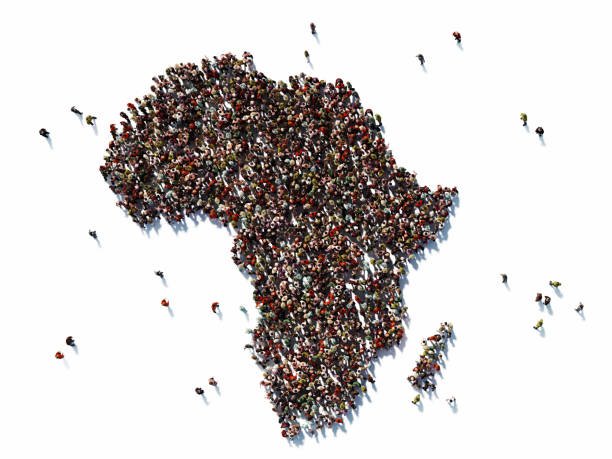
When searching for which country that has the largest African population, Nigeria emerges as the undisputed leader with a total headcount exceeding 220 million residents. This massive demographic weight not only makes it the most populous nation on the continent but also positions it as the sixth largest country in the world by population. Understanding the factors driving this growth is essential for anyone analyzing the economic and social landscape of the African region in the twenty-first century.
The distribution of people across the continent is largely determined by historical settlement patterns, fertile land availability, and recent trends in rapid urbanization. This article takes a deep dive into the nations currently hosting the most significant numbers of citizens and how these figures impact the continent's development.
These are the Countries that have the largest African population
Africa is currently the fastest-growing continent in terms of human numbers, with several nations projected to double their populations by the middle of this century. While the sheer scale of some nations provides them with a massive domestic market and a vibrant labor force, it also presents unique challenges regarding infrastructure, education, and healthcare delivery. By examining the demographic data from the most recent census reports and international estimates, we can identify the specific nations that are leading this human expansion. Here is a detailed exploration of the ten most populous countries in Africa, providing insight into their growth drivers and urban concentrations.
1. Nigeria
Nigeria is the definitive African country which has a large population, often referred to as the Giant of Africa due to its estimated 223 million inhabitants. This population is incredibly diverse, consisting of over 250 ethnic groups, with the Hausa, Yoruba, and Igbo being the most prominent. The country’s population is concentrated in the southwest, particularly around Lagos, which is one of the world's largest megacities, and in the northern plains. Nigeria’s growth rate remains high at approximately 2.4 percent per year, fueled by a high fertility rate and improvements in infant survival. This demographic explosion has turned Nigeria into a primary economic hub, as its massive internal market attracts global investors in telecommunications, fintech, and manufacturing. As the nation moves toward 2050, it is projected to potentially overtake the United States to become the third most populous nation on the planet.
2. Ethiopia
Ethiopia holds the second position as a major country in Africa with the most people, boasting a population of approximately 126 million according to recent United Nations estimates. Unlike many of its neighbors, Ethiopia’s population is largely concentrated in the highlands where the climate is more temperate and suitable for the agriculture that supports the majority of the workforce. Addis Ababa, the capital and headquarters of the African Union, serves as a massive urban magnet, though the country remains predominantly rural compared to other nations on this list. The Ethiopian government has invested heavily in infrastructure and industrial parks to harness this large labor pool for manufacturing exports. Ethiopia is also unique because it has one of the oldest histories of centralized governance, which has allowed for a relatively stable distribution of people across its diverse regions. The nation continues to see high birth rates, although efforts to improve education and healthcare are slowly beginning to shift the demographic transition toward a more balanced growth model.
3. Egypt
Egypt is a primary country in Africa having the largest population in the northern region, with its headcount recently crossing the 112 million mark. The most striking feature of Egyptian demographics is the concentration of almost the entire population along the narrow strip of the Nile River valley and its delta. This creates some of the highest population densities in the world, as people compete for space in a nation that is otherwise largely dominated by the Sahara Desert. Cairo, the capital, is a sprawling metropolis that serves as the cultural and political heart of the Arab world, housing over 20 million people in its greater metropolitan area. Egypt has implemented various family planning initiatives to manage its growth, yet the total number of citizens continues to rise significantly every year. The nation's strategic location and its large, educated youth population make it a critical player in regional trade and international logistics. To accommodate this growth, the government is currently building a new administrative capital in the desert to relieve the intense pressure on Cairo’s existing infrastructure.
4. Democratic Republic of the Congo
The Democratic Republic of the Congo (DRC) is rapidly climbing the list of African countries that have the largest population, with current estimates placing it at around 102 million people. Located in the heart of Central Africa, the DRC possesses a vast territory that is rich in natural resources, which historically influenced the settlement of people in its eastern highlands and southern mining belts. Kinshasa, the capital, has recently overtaken Paris as the largest French-speaking city in the world, reflecting the staggering rate of urbanization in the country. The DRC’s population is incredibly young, with a median age of only 17, which presents a massive potential for future labor and consumption if correctly managed. However, the nation faces significant hurdles in providing services to such a large and widely dispersed population, particularly in remote forest regions. Despite these challenges, the human capital of the DRC remains its most valuable asset, and its growth is a central focus for development agencies across the globe.
5. Tanzania
Tanzania has seen a robust increase in its citizenry, with the total population now estimated at approximately 67 million, making it a major demographic force in East Africa. The country’s population is distributed between the mainland and the islands of Zanzibar, with high concentrations in the fertile coastal regions and around Lake Victoria. Dar es Salaam is the commercial heart of the nation and is currently one of the fastest-growing cities in the world, attracting thousands of migrants from rural provinces every week. Tanzania’s government has moved its political capital to Dodoma to promote a more balanced regional development, yet Dar es Salaam remains the primary center for industry and trade. The nation possesses a youthful demographic profile, which the government aims to support through expanded access to primary and secondary education. Tanzania’s stability and its role as a regional peacekeeper have made it an attractive place for people to settle and build lives, further contributing to its steady population increase.
6. South Africa
South Africa is a unique case among countries in Africa that have the largest population, with a headcount of about 60 million people characterized by extreme diversity and high urbanization. The population is concentrated in the Gauteng province, which includes the economic hubs of Johannesburg and Pretoria, as well as along the coastal cities of Cape Town and Durban. South Africa has a lower birth rate compared to its northern neighbors, yet its population continues to grow due to significant migration from other parts of the continent. As the most industrialized nation in the region, it offers economic opportunities that act as a magnet for millions of people seeking better livelihoods. The country’s demographic challenges include managing high levels of urban density and addressing the historical disparities in service delivery across different residential zones. South Africa’s sophisticated census data collection provides one of the most accurate pictures of population trends on the continent, showing a gradual aging of the population compared to the extreme youth of West Africa.
7. Kenya
Kenya is frequently cited as the economic and technological hub of East Africa, and its population of approximately 55 million plays a vital role in that reputation. The population is diverse, with major ethnic groups like the Kikuyu, Luhya, and Kalenjin contributing to a vibrant social fabric. Nairobi, the capital, is often called the Silicon Savannah because of its highly educated and tech-savvy youth population which drives innovation in mobile money and digital services. Kenya has successfully reduced its fertility rate over the last few decades through extensive public health and education campaigns, yet its total population continues to rise due to increased life expectancy. The agricultural heartlands of the Rift Valley and the central highlands support a significant portion of the rural population, which remains the backbone of the national economy. Kenya's focus on human development and its role as a gateway to the East African market ensure that its people remain a primary driver of regional prosperity.
8. Uganda
Uganda possesses one of the youngest populations in the world, with a total headcount of roughly 48 million and a median age of just 16 years. This demographic profile is the result of historically high fertility rates and recent improvements in child mortality, leading to a massive "youth bulge" that will soon enter the labor force. Most Ugandans live in the southern regions near the shores of Lake Victoria, where the soil is fertile and the rainfall is consistent for farming. Kampala, the capital, is experiencing rapid expansion as it tries to accommodate the influx of people from the northern and western provinces. The Ugandan government faces the enormous task of creating millions of jobs for its young citizens while maintaining food security in a changing climate. Despite these pressures, the energy and entrepreneurial spirit of the Ugandan youth are frequently praised by international observers as a key potential for future growth. The nation's commitment to universal primary education has ensured that a large percentage of this growing population is literate and ready for vocational training.
9. Algeria
Algeria is the largest nation on the continent by land area, and its population of approximately 45 million is primarily concentrated in the northern coastal strip along the Mediterranean. The vast interior of the country is dominated by the Sahara Desert, which is sparsely populated, leading to extreme urban density in cities like Algiers, Oran, and Constantine. Algeria has a highly developed infrastructure and a relatively high standard of living compared to the continental average, which has influenced its demographic trends. The nation saw a significant population boom following its independence, but birth rates have since stabilized as more women have entered the workforce and achieved higher education. Algeria’s youth remain a significant demographic weight, and the government has focused on utilizing its oil and gas wealth to fund housing and education for its citizens. The cultural influence of Algeria, blending African, Arab, and Mediterranean traditions, is reflected in its large and vibrant urban communities. Its strategic importance as an energy supplier to Europe is bolstered by its large and technically skilled workforce.
10. Sudan
Sudan rounds out the list with a population estimated at around 48 million, although accurate counting has been difficult in recent years due to internal displacement and conflict. The population is concentrated along the banks of the Nile, particularly at the confluence of the Blue and White Nile in the Khartoum metropolitan area. Sudan is home to a complex mix of Arab and indigenous African ethnic groups, creating a diverse cultural landscape that has historically shaped the nation's politics. Despite the massive geographic size of the country, much of the population remains reliant on the river for agriculture and trade, leading to high density in the central riverine provinces. Sudan has a high birth rate, and the population is characterized by a significant percentage of children and young adults. The resilience of the Sudanese people in the face of environmental and political challenges is a defining trait of the national identity. Rebuilding the country's infrastructure and managing its human resources will be the primary focus for future stability and development in the region.
| Rank | Country Name | Estimated Population | Primary Growth Driver |
|---|---|---|---|
| 1 | Nigeria | 223,800,000 | High Fertility & Urbanization |
| 2 | Ethiopia | 126,500,000 | Agricultural Expansion & Birth Rate |
| 3 | Egypt | 112,700,000 | Concentrated Nile Delta Density |
| 4 | DR Congo | 102,300,000 | Youth Bulge & Forest Settlements |
| 5 | Tanzania | 67,400,000 | Fastest Urbanizing Hubs |
| 6 | South Africa | 60,400,000 | Regional Migration & Industrialization |
Reasons Why These Countries Have The Largest Population in Africa
1. Historical Improvements in Public Healthcare: One of the primary reasons why these African countries that have the largest population continue to see growth is the massive advancement in medical services over the last forty years. The successful rollout of vaccines, better maternal care, and the fight against infectious diseases like malaria have drastically reduced the infant mortality rate. As more children survive into adulthood, the base of the population expands, creating a cumulative effect that results in the massive numbers we see in nations like Nigeria and Ethiopia today. This strong focus on health has effectively increased the average life expectancy across the board.
2. Cultural Values and High Fertility Rates: In many of the most populous African nations, large families are traditionally viewed as a sign of wealth, social security, and ancestral blessing. In rural areas of the DRC, Uganda, and Nigeria, children are often seen as a vital labor force for family farms and as a support system for parents in their old age. While urban populations are beginning to see a decline in family size, the rural heartlands still maintain high birth rates that outpace the global average. This cultural preference for large households ensures that the demographic momentum remains strong for several more decades.
3. Massive Agricultural Productivity in Fertile Zones: High populations are naturally attracted to regions that can produce enough food to sustain them. The African country which has the largest population in terms of density, such as Egypt, is built entirely on the fertile silt of the Nile, while Ethiopia and Kenya rely on their rich volcanic highlands. These geographic "breadbaskets" allow for a higher carrying capacity of the land, supporting millions of people in relatively small areas. Agriculture remains the primary employer in many of these nations, and the need for labor-intensive farming techniques historically encouraged larger family units to manage the crops.
4. Rapid Rural-to-Urban Migration: The pull of the "bright lights" in cities like Lagos, Kinshasa, and Dar es Salaam is a major reason for the population clusters in these nations. Young people move from the countryside to urban centers in search of better education, specialized healthcare, and formal employment. This migration creates massive urban sprawl and megacities that concentrate millions of people in a single metropolitan area, significantly boosting the national headcount statistics. Urbanization also brings people into closer proximity to services, which can paradoxically lead to higher survival rates even as the cost of living increases.
5. Youthful Demographic Momentum: Since a huge percentage of the people in the countries in Africa that have the largest population are currently under the age of 20, there is a built-in momentum for future growth. Even if every couple decided to have fewer children today, the sheer number of young people entering their reproductive years ensures that the population will continue to increase for at least two more generations. This "youth bulge" is a common feature across sub-Saharan Africa, where the median age is often under 20. This demographic energy is the engine that will drive the continent's future consumption and labor markets.
6. Regional Stability and Internal Peace: Nations that have managed to avoid long-term large-scale conflict, such as Tanzania and South Africa, have been able to maintain consistent population growth. Stability allows for the steady development of infrastructure and the consistent delivery of food and medicine, which are essential for population health. In South Africa, the relatively stable economy also attracts millions of migrants and refugees from more volatile neighboring states, further increasing its total headcount. When people feel secure in their environment, they are more likely to settle down, invest in property, and expand their families within those national borders.
Conclusion
In summary, identifying which country that has the largest African population leads us directly to Nigeria, followed by the rapidly expanding nations of Ethiopia and Egypt. This demographic scale is a testament to the resilience and growth potential of the African continent, offering a vast human resource that is reshaping global economic projections. While these large numbers present significant challenges in terms of resource management and urban planning, they also provide a massive opportunity for innovation and industrialization. As the African country which has the largest population, Nigeria will continue to be the primary focus of international interest and a barometer for the continent's progress. Ultimately, the future of Africa will be defined by how these populous nations manage their greatest resource: their people.
Enjoyed this read?
Share it with your friends and colleagues.