Which Country Has The Largest Economy In Africa

BSC Insights Admin
October 01, 2026
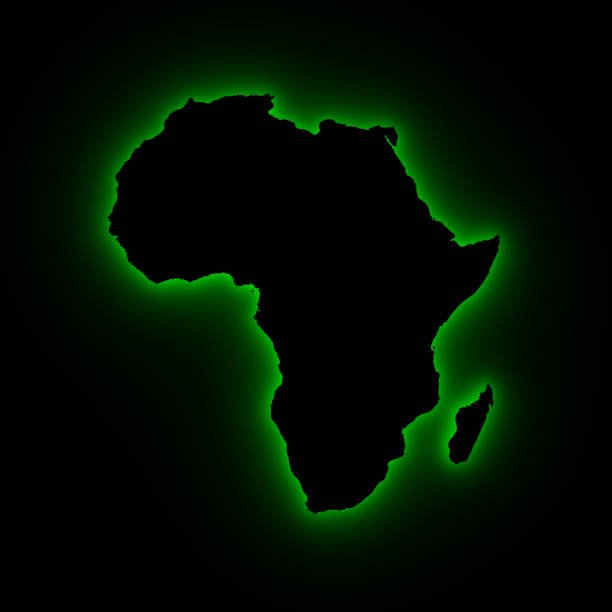
Determining which country that has the largest economy in Africa involves looking at nominal Gross Domestic Product data provided by the International Monetary Fund and the World Bank. Currently, South Africa and Egypt are frequently cited at the top of the list due to significant industrial output and strategic trade positions. While Nigeria held the first position for several years, recent currency devaluations and market reforms have shifted the rankings among the continent's most powerful nations.
The economic landscape of the region is characterized by a mix of resource-rich giants and rapidly diversifying emerging markets. Understanding the fiscal health of these nations provides essential insights into the future of African trade and investment.
These are the Countries that have the largest economy in Africa
The continent is home to some of the world’s most dynamic and fast-growing financial systems, with a total output that continues to climb despite global challenges. Each region possesses its own heavyweights that use their unique resources and labor pools to dominate the market. From the energy hubs of the north to the industrial centers of the south, these nations represent the primary drivers of prosperity. By examining the current fiscal data, we can see a clear picture of the nations that hold the most significant economic weight. Here is a detailed look at the leading economies that define the fiscal landscape of Africa in the present day.
1. South Africa
South Africa is often recognized as the most industrialized nation on the continent and is frequently the answer to which country that has the largest economy in Africa when looking at nominal GDP. The nation possesses the most advanced financial infrastructure, centered on the Johannesburg Stock Exchange which is the largest in Africa by market capitalization. Beyond its financial depth, the country is a global leader in the production of platinum group metals, chromium, and gold, providing a stable source of export revenue. The manufacturing sector is equally robust, with a sophisticated automotive industry that exports vehicles to Europe and North America. Large scale services including telecommunications and retail have expanded South African influence across the Southern African Development Community. While the country faces energy supply hurdles, its legal framework and mature industrial base keep it at the summit of continental wealth.
2. Egypt
Egypt serves as a massive economic bridge between Africa and the Middle East, maintaining one of the highest nominal GDPs on the continent. The nation’s wealth is derived from a diverse range of sources, including the lucrative Suez Canal, which acts as a critical artery for global maritime trade and generates billions of dollars in annual revenue. Egypt has also seen a significant resurgence in its tourism sector, attracting millions of visitors to its historic sites and coastal resorts. The government has recently embarked on ambitious infrastructure projects, such as the construction of a new administrative capital and a massive expansion of its energy grid. Agriculture remains a foundational part of the economy along the Nile, while a growing manufacturing sector produces textiles and chemicals for export. With a population exceeding one hundred million, Egypt offers a massive domestic market that continues to attract multinational corporations looking for regional stability.
3. Nigeria
Nigeria, often referred to as the Giant of Africa, boasts a massive Gross Domestic Product that is driven by its status as a leading oil and gas producer. As a primary African country which has the largest economy in the West African sub-region, its financial strength is rooted in a massive population exceeding two hundred million people. The creative industry, popularly known as Nollywood, and the burgeoning technology hub in Lagos contribute significantly to non-oil growth. In recent years, the government has focused on economic diversification by investing in commercial agriculture and solid mineral mining to reduce reliance on petroleum. The recent launch of the Dangote Refinery is expected to transform Nigeria from a fuel importer to a net exporter, further boosting its fiscal position. Despite currency fluctuations, the sheer scale of the Nigerian market ensures it remains an essential pillar of the continent's total economic output.
4. Algeria
Algeria is a primary country in Africa has the largest economy in the Maghreb region, largely due to its status as a major global supplier of natural gas. The nation possesses the tenth largest proven natural gas reserves in the world and is the largest exporter of the commodity to the European Union. This energy wealth has allowed the Algerian government to maintain a stable fiscal position with one of the lowest levels of external debt on the continent. Beyond hydrocarbons, Algeria is investing in its mining sector, particularly in iron ore and phosphates, to broaden its economic base. The country also has a significant agricultural sector in the northern coastal regions, producing grains and fruits for domestic consumption. Algeria’s strategic location and its role as a regional energy giant ensure it maintains a high ranking among the continent's wealthiest nations.
5. Ethiopia
Ethiopia has consistently been one of the world’s fastest growing economies over the last two decades, driven by a state-led development model. The nation has invested billions in massive infrastructure projects, including the Grand Ethiopian Renaissance Dam, which is set to make Ethiopia the largest exporter of electricity in the region. Its economy is fundamentally based on agriculture, with coffee and flowers being the most significant export earners for the country. Ethiopia has also successfully established several industrial parks that have attracted international garment and textile manufacturers, positioning the country as a rising hub for light manufacturing. Addis Ababa, the capital, serves as the diplomatic and logistical heart of Africa, hosting the African Union and the headquarters of Ethiopian Airlines. The government is currently undergoing a process of economic liberalization, opening up telecommunications and banking sectors to foreign investors to further stimulate growth.
6. Morocco
Morocco has built a highly resilient and modern economy by leveraging its proximity to Europe and its vast mineral wealth, specifically phosphates. It holds the world’s largest reserves of phosphate, which are essential for the global fertilizer industry, providing a steady source of export revenue. The Moroccan government has successfully attracted massive investment in the automotive and aerospace sectors, with major global brands setting up manufacturing plants in the Tangier and Casablanca regions. Tourism also plays a vital role, as the country’s unique blend of African, Arab, and Mediterranean cultures attracts millions of visitors annually. Morocco is a leader in renewable energy on the continent, hosting one of the largest solar power plants in the world in the Sahara Desert. The nation has also expanded its financial influence across Africa, with Moroccan banks becoming major players in West and Central African markets.
7. Kenya
Kenya is the undisputed economic and technological hub of East Africa, often referred to as the Silicon Savannah due to its leadership in digital innovation. The nation’s economy is characterized by a vibrant private sector and a highly skilled workforce that has pioneered global trends in mobile money through platforms like M-Pesa. Agriculture remains a critical pillar, with Kenya being one of the world's largest exporters of tea and cut flowers to European markets. The port of Mombasa serves as the primary gateway for trade for several landlocked neighbors, granting Kenya significant regional influence. In recent years, the country has made massive strides in geothermal and wind energy, making its power grid one of the greenest in the world. Nairobi has become a preferred location for multinational corporations to set up their regional headquarters, further boosting the professional services sector.
8. Angola
Angola possesses immense natural wealth, primarily in the form of oil and diamonds, which has made it one of the wealthiest nations in Southern Africa. For many years, the economy was heavily dependent on crude oil exports, but the government is now aggressively pursuing a diversification strategy to promote agriculture and manufacturing. Angola is the second largest oil producer in sub-Saharan Africa, and its offshore deepwater reserves continue to attract investment from global energy giants. The nation is also undergoing significant structural reforms to improve transparency and attract foreign direct investment in sectors such as telecommunications and retail. Luanda, the capital, is one of the most expensive cities in the world, reflecting the high concentration of wealth generated by the extractive industries. The government is investing in rebuilding its infrastructure, including railways and ports, to better connect the mineral-rich interior with international markets.
9. Tanzania
Tanzania has seen steady and robust economic growth, driven by its rich natural resources and a thriving tourism sector. The nation is a major producer of gold and is home to unique gemstones like tanzanite, which provide significant export revenue. Tanzania has also made significant discoveries of natural gas off its southern coast, which are expected to transform the nation into a major energy exporter in the coming decade. The government is currently implementing a massive infrastructure program, including the construction of a new standard gauge railway and the expansion of the Dar es Salaam port. Agriculture remains the backbone of the economy, providing employment for a large portion of the population and contributing significantly to the national output. Tanzania’s strategic location on the Indian Ocean allows it to serve as a vital transit hub for landlocked neighbors like Zambia and Malawi.
10. Ghana
Ghana is frequently cited as one of the most stable and democratic nations in West Africa, with an economy that is highly diversified. It is a leading producer of gold and cocoa, and the discovery of offshore oil reserves in 2007 provided a significant boost to its GDP growth. Ghana has successfully attracted foreign investment in its services and manufacturing sectors, with Accra becoming a preferred destination for tech companies and regional headquarters. The country’s "Year of Return" initiative also significantly boosted tourism revenue and strengthened ties with the global African diaspora. Despite recent fiscal challenges, Ghana remains a critical player in the African countries that have the largest economy rankings due to its educated workforce and business-friendly environment. The nation’s commitment to regional integration is evident in its hosting of the African Continental Free Trade Area headquarters.
| Rank | Country | Nominal GDP (USD Billion) | Primary Economic Drivers |
|---|---|---|---|
| 1 | South Africa | 373 | Mining, Finance, Manufacturing |
| 2 | Egypt | 347 | Tourism, Suez Canal, Gas |
| 3 | Nigeria | 252 | Oil, Services, Tech |
| 4 | Algeria | 239 | Natural Gas, Petroleum |
| 5 | Ethiopia | 192 | Aviation, Coffee, Energy |
| 6 | Morocco | 152 | Automotive, Phosphates |
| 7 | Kenya | 107 | Agriculture, Fintech |
| 8 | Angola | 92 | Oil, Diamonds |
| 9 | Tanzania | 79 | Gold, Tourism, Gas |
| 10 | Ghana | 75 | Gold, Cocoa, Oil |
Reasons Why These Countries Have Large Economies in Africa
1. Vast Natural Resource Endowments: One of the primary reasons why these African countries that have the largest economy are so successful is their immense wealth of natural minerals and fossil fuels. Nations like Nigeria, Algeria, and Angola leverage their massive oil and gas reserves to fund national budgets and drive industrial activity. Similarly, South Africa and Tanzania utilize their gold and platinum mines to maintain a strong export position in the global market. These resources provide a foundational source of capital that can be reinvested into infrastructure and human development. When managed effectively, these minerals serve as a powerful engine for national wealth creation and long-term fiscal stability.
2. Large and Youthful Domestic Markets: The sheer size of the population in nations like Nigeria, Egypt, and Ethiopia provides a massive internal market that can sustain economic growth even when global demand is low. As the middle class expands in these countries, the demand for consumer goods, housing, and financial services rises, creating opportunities for local manufacturers. This demographic dividend ensures that businesses have a consistent customer base, which encourages long-term investment in the domestic economy. A large population also provides a vast labor pool that, when properly educated, becomes a major driver of national productivity. This internal economic engine is often the most resilient part of a nation's financial structure.
3. Strategic Geographical and Trade Locations: Many of the leading economies on the continent benefit from their positions along critical maritime trade routes. Egypt’s control over the Suez Canal and Morocco’s proximity to the European market grant them unique advantages in global logistics and trade. Kenya and Tanzania serve as the primary gateways for East Africa, handling the imports and exports of several landlocked nations through their deepwater ports. This strategic positioning allows these countries to collect transit fees and develop robust logistics sectors that support the broader economy. By becoming regional hubs, these nations attract international shipping lines and multinational corporations looking for efficient access to the African interior.
4. Successful Industrial Diversification Efforts: The African country which has the largest economy is typically one that has moved beyond a single commodity and developed multiple streams of income. South Africa and Morocco are excellent examples of nations that have built strong manufacturing bases in the automotive and aerospace industries. By producing finished goods rather than just raw materials, these countries capture more value and create higher-paying jobs for their citizens. Diversification also provides a shield against the volatility of global commodity prices, ensuring more stable long-term growth. As more African nations move toward value-added production, their total economic output increases significantly and becomes more resistant to market shocks.
5. Massive Infrastructure and Energy Projects: Governments that prioritize the building of roads, railways, and power plants often see a direct correlation with an increase in their national GDP. Ethiopia and Egypt have embarked on some of the largest infrastructure projects in history, which not only create immediate jobs but also facilitate long-term industrial growth. High-quality infrastructure reduces the cost of transporting goods and ensures that factories have the reliable power they need to operate. These leading economies have recognized that a modern economy cannot function without a robust physical foundation. By connecting rural areas to urban centers and domestic markets to international ports, these investments unlock the true economic potential of the entire nation.
6. Digital Transformation and Technological Innovation: Technology has become a major force multiplier for African economies, with Kenya and Nigeria leading the way in mobile finance and tech startups. The widespread adoption of digital payment systems has improved financial inclusion and allowed small businesses to thrive in previously underserved areas. This digital transformation reduces the cost of doing business and fosters a culture of innovation that attracts global tech giants like Google and Microsoft. As more sectors of the economy become digitized, productivity increases across the board, from agriculture to healthcare. The rise of the digital economy is now a primary driver of GDP growth, allowing these nations to compete more effectively on a global scale.
Conclusion
In summary, identifying which country that has the largest economy in Africa requires a close monitoring of nominal GDP figures and industrial shifts across the continent. While the top position often rotates between South Africa, Egypt, and Nigeria depending on currency valuations, these three remain the primary pillars of African wealth. The overall trend across the region is one of rapid diversification and technological adoption, promising a future where the continent is a central player in global trade. These leading nations not only drive their own prosperity but also serve as the engines for the entire African Continental Free Trade Area. Ultimately, the African country which has the largest economy will be the one that most effectively balances its natural resource wealth with the development of its human capital.
Enjoyed this read?
Share it with your friends and colleagues.