Which Country Has The Most Beautiful Flag In Africa

BSC Insights Admin
October 01, 2026
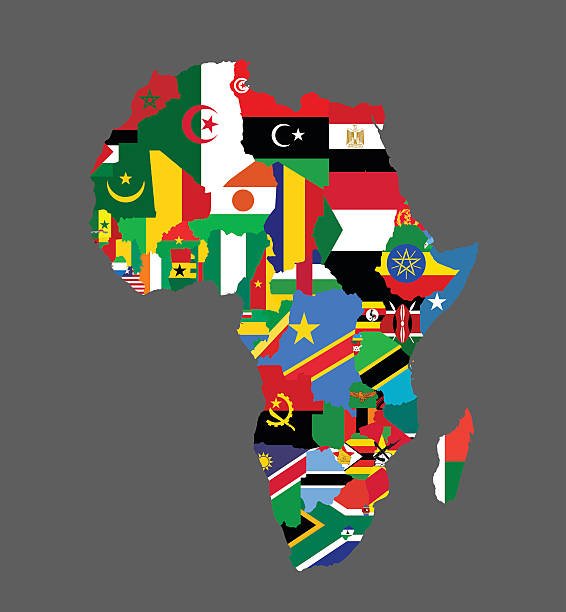
Determining which country has the most beautiful flag in Africa is a delightful challenge because the continent is home to some of the most vibrant and symbolic banners in the world. Each design is a unique blend of historical struggle, cultural pride, and hope for future prosperity, often utilizing the famous pan-African colors of red, gold, and green. Vexillologists and travelers alike frequently point to nations like South Africa and the Seychelles as having the most visually striking and modern designs on the entire African landmass.
The aesthetic appeal of these flags often lies in their ability to tell a complex national story through simple geometric shapes and bold color palettes. In the following sections, we will explore the artistic and symbolic details of the most celebrated banners across the various regions of the continent.
These are the Countries with the most beautiful flag in Africa
The beauty of a national flag often depends on its symmetry, the uniqueness of its symbols, and the harmony of its color scheme. African nations have pioneered several design trends in vexillology, moving away from traditional horizontal stripes to include diagonal rays, intricate shields, and rare wildlife emblems. These designs are not merely for identification but serve as a source of national identity that resonates deeply with the citizens. By looking at the technical balance and the cultural depth of these banners, we can identify the leaders in continental design. Here is a detailed examination of the nations that possess the most visually captivating flags in Africa today.
1. South Africa
South Africa possesses what many consider the most beautiful African country which has a stunning flag due to its intricate "Y" design and its use of six distinct colors. Adopted in 1994 to symbolize the birth of a new democracy, the flag was designed by Frederick Brownell and was intended to represent the convergence of different paths into a unified nation. The colors include red, white, and blue, which nod to the country's colonial past, alongside the green, black, and gold of the African National Congress. This combination makes it one of the few flags in the world to utilize so many colors without appearing cluttered or disorganized. The central green "Y" shape acts as a visual anchor that draws the eye toward the center, representing the "Rainbow Nation" philosophy that defines modern South African society. For many people, the sheer complexity and historical weight of this banner make it the definitive winner in any aesthetic competition. It remains a powerful symbol of reconciliation and hope that is recognized instantly on the global stage.
2. Seychelles
The Seychelles flag is widely praised for its modern and dynamic design, featuring five oblique bands that radiate from the bottom-left corner. This country in Africa with a beautiful flag adopted this specific version in 1996 to signify a new era of pluralism and movement toward the future. The colors—blue, yellow, red, white, and green—represent various aspects of the island nation, such as the sky and sea, the sun, the people and their determination, social justice, and the lush land. The diagonal arrangement creates a sense of kinetic energy that is quite rare in national flag design, making it stand out among more traditional horizontal or vertical tricolors. Travelers often remark that the colors perfectly mirror the vibrant tropical environment of the archipelago, from the turquoise waters to the golden sands. The simplicity of the layout combined with the boldness of the colors ensures that the flag remains legible even when seen from a great distance or in low wind. It is a masterpiece of modern vexillology that manages to be both aesthetically pleasing and deeply meaningful.
3. Kenya
Kenya’s flag is a primary example of how countries in Africa that have the most beautiful flag utilize traditional warrior symbols to project strength and heritage. The centerpiece of the flag is a traditional Maasai shield and two crossed spears, which sit prominently over horizontal stripes of black, red, green, and white. The black represents the people of Kenya, red symbolizes the blood shed during the struggle for independence, and green stands for the nation's rich landscape and natural wealth. The thin white fimbriations represent peace and honesty, while the shield and spears signify the defense of freedom. This banner is particularly effective because the central emblem provides a strong focal point that is culturally specific and visually striking. The symmetry of the spears against the dark background creates a bold contrast that makes the Kenyan flag one of the most recognizable in the world. It is a design that successfully bridges the gap between ancient tribal traditions and the modern sovereign state.
4. Eswatini
Eswatini, formerly known as Swaziland, hosts a flag that is often cited for its incredible detail and artistic complexity, particularly the large Nguni shield in the center. The flag consists of horizontal stripes of blue, yellow, and a large central red band that houses the shield and two spears decorated with "injobo" feathers. The blue stripes represent peace and stability, the yellow signifies the country's mineral wealth, and the red symbolizes the battles fought in the past. The shield itself is a masterpiece of indigenous art, colored in black and white to represent the peaceful coexistence of different races within the kingdom. Unlike many other nations that use simplified symbols, Eswatini has maintained the intricate patterns of the cowhide shield, giving the flag a tactile and handcrafted feel. This commitment to artistic detail makes the banner look like a piece of traditional tapestry rather than a standard political flag. It is a source of immense pride for the Swazi people and is often featured in cultural ceremonies and royal processions.
5. Rwanda
Rwanda’s flag is a refreshing departure from the standard pan-African color scheme, opting for a serene palette of sky blue, yellow, and green. Adopted in 2001, the flag features a bright yellow sun with twenty-four rays in the top-right corner, symbolizing the light of progress and national unity. The sky blue band, which takes up half of the flag's height, represents happiness and peace, while the yellow signifies economic development and the green stands for prosperity through agriculture. This design was intentionally created to distance the nation from the symbols associated with its troubled past and to look toward a bright, peaceful future. Many people find the Rwandan flag to be one of the most calming and hopeful designs on the continent, as the color blue is rarely the dominant shade in African vexillology. The placement of the sun in the canton adds a unique asymmetrical balance that makes the flag modern and sophisticated. It serves as a visual testament to the nation's resilience and its commitment to a "new dawn" for all its citizens.
6. Tanzania
Tanzania possesses a flag that is celebrated for its clever use of diagonal lines and its meaningful color choices that represent the land and its resources. The flag features a black diagonal stripe with yellow borders that divides the banner into two triangles: a green one at the top and a blue one at the bottom. The green represents the fertile land and vegetation, while the blue signifies the Indian Ocean and the numerous lakes and rivers found throughout the country. The black stripe represents the people, and the yellow fimbriations symbolize the mineral wealth that is so vital to the Tanzanian economy. This design was created by merging the flags of Tanganyika and Zanzibar upon their unification in 1964, creating a harmonious blend of regional identities. The diagonal orientation gives the flag a unique look that sets it apart from its neighbors in East Africa, and the balance of the four colors is exceptionally well-executed. It is a flag that feels solid and grounded, perfectly reflecting the stability and natural beauty of the Tanzanian state.
7. Mozambique
Mozambique’s flag is one of the most unique and talked-about designs in the world, largely because it is one of the only national banners to feature a modern firearm. The flag is composed of green, black, and yellow horizontal stripes separated by thin white lines, with a red triangle on the hoist side containing a yellow star, a book, a hoe, and an AK-47. While the inclusion of a rifle is controversial to some, for the people of Mozambique, it represents the defense of their sovereignty and the struggle for independence. The book symbolizes education, the hoe represents agriculture, and the star signifies internationalism and the country's bright future. The colors are also deeply symbolic: green for the land, black for the African continent, and yellow for the nation's minerals. Despite the complexity of the emblem, the flag maintains a strong visual balance through its bold geometric shapes and primary colors. It is a African country which has a stunning flag because of its unapologetic storytelling and its refusal to follow standard Western design norms.
8. Eritrea
Eritrea features a flag that is dominated by a large red isosceles triangle that stretches from the hoist to the fly, creating a dramatic and aggressive visual profile. Within the green and blue triangles created by the central red shape, there is a golden wreath surrounding an upright olive branch in the hoist area. This wreath was taken from the country's previous flag and represents the victory of the Eritrean people in their thirty-year war for independence. The green symbolizes the fertility of the land and agriculture, the blue represents the bounty of the sea, and the red signifies the blood shed for freedom. The layout of the Eritrean flag is highly unconventional, as the triangles create a sense of direction and purpose that leads the eye toward the symbols of victory. The use of gold for the wreath adds a touch of elegance and prestige to an otherwise martial design. It is a banner that speaks of a nation that is fiercely independent and proud of its hard-won liberty, making it a standout in the Horn of Africa.
9. Uganda
Uganda’s flag is a rhythmic and repetitive design consisting of six horizontal stripes of black, yellow, and red, with a white circle in the center featuring the national bird. The Grey Crowned Crane is a stunning symbol that is native to the region and is depicted in a graceful, walking pose with one leg raised. The colors have specific meanings: black for the African people, yellow for the sun that shines on the continent, and red for the brotherhood of all Africans. Because the stripes repeat twice, the flag has a vibrating and energetic quality that is very effective when seen flying in the wind. The central crane provides a delicate and naturalistic counterpoint to the rigid geometric stripes, making it one of the most "animated" flags on the continent. Many vexillologists praise the Ugandan flag for its high contrast and its successful integration of a biological emblem within a traditional stripe pattern. It is a design that feels both sophisticated and deeply rooted in the natural world.
10. Ethiopia
Ethiopia holds the distinction of having the flag that inspired the rest of the continent, as its green, yellow, and red horizontal stripes became the basis for the pan-African movement. In the center of the flag, a blue circle houses a yellow pentagram with radiating rays, which was added in 1996 to represent the equality and unity of the diverse ethnic groups in the country. The green represents the land and hope, yellow signifies peace and harmony, and red stands for strength and the blood shed in defense of the motherland. As the only African nation to never be colonized, Ethiopia’s flag became a beacon of hope for other nations during their struggles for independence in the 1950s and 60s. The simplicity of the tricolor combined with the intricate celestial emblem in the center creates a look that is both ancient and modern. The colors are so iconic that they are now synonymous with the identity of the entire continent, making the Ethiopian flag a "foundational" beauty in the world of vexillology. It remains one of the most respected and copied designs in human history.
11. Ghana
Ghana was the first sub-Saharan nation to adopt the pan-African colors after gaining independence in 1957, and its flag is a masterclass in minimalist design. The banner consists of three horizontal stripes of red, gold, and green, with a large black five-pointed star in the center of the gold stripe. The red represents the blood of those who died for independence, the gold signifies the mineral wealth of the country (formerly the Gold Coast), and the green stands for the rich forests. The "Black Star of Africa" is the most significant feature, representing the lodestar of African freedom and the guiding light for other nations to follow. This simple yet powerful design by Theodosia Salome Okoh has become a symbol of West African pride and has been used as a template for several other national flags. The high-contrast color scheme and the centered star make it one of the most legible and iconic flags in the world. It is a design that does not need complex patterns to be beautiful; its beauty lies in its clarity and its historical significance as the first flag of a free West African state.
12. Namibia
Namibia possesses a flag that is vibrant and modern, utilizing a diagonal red stripe with white borders to divide the field into blue and green triangles. In the top-left blue triangle, a golden sun with twelve rays provides a bright focal point, representing life and energy. The blue symbolizes the Atlantic Ocean and the clear skies, the green represents the country's vegetation and agricultural resources, and the red signifies the heroism of the people. Adopted upon independence in 1990, the flag was selected through a national competition, ensuring that it resonated with the diverse population of the new nation. The diagonal layout gives the flag a sense of forward motion, while the sun emblem adds a touch of warmth and optimism. The colors are balanced perfectly, creating a look that is both energetic and professional. Namibia's flag is often cited as a favorite by those who appreciate clean lines and a bold, primary color palette. It is a visual celebration of a nation that found its voice after a long period of struggle.
13. Zimbabwe
Zimbabwe’s flag is one of the most detailed on the continent, featuring seven horizontal stripes and a white triangle on the hoist side containing the Great Zimbabwe Bird over a red star. The stripes alternate between green, yellow, red, and black, representing agriculture, minerals, the blood of the struggle, and the African people, respectively. The white triangle symbolizes peace, while the red star represents the nation's socialist aspirations during its founding era. The most striking element is the Zimbabwe Bird, which is based on soapstone carvings found in the ruins of the ancient city of Great Zimbabwe. This inclusion of an archaeological and cultural icon gives the flag a deep sense of historical continuity and national pride. The flag’s complex arrangement of colors and symbols makes it a fascinating study for those who enjoy banners with high narrative density. It is a flag that demands closer inspection to fully appreciate its layers of meaning and its connection to a rich pre-colonial history.
14. Cabo Verde
Cabo Verde (Cape Verde) features a flag that is often compared to the banner of the European Union, yet it has a uniquely Atlantic and African identity. The flag consists of a blue background with a white and red horizontal band running through the lower third, and a circle of ten yellow stars centered on the bands toward the hoist. The blue represents the vast ocean surrounding the islands, the white stripe symbolizes peace, and the red represents the effort and perseverance of the people. The ten stars represent the main islands of the archipelago, arranged in a circle to signify the unity of the nation. This design, adopted in 1992, was a move toward a more "maritime" and democratic identity following political reforms. Many find the Cabo Verde flag to be exceptionally elegant because of its clean, deep blue color and the graceful arrangement of its stars. It is a design that looks particularly beautiful on the high seas, reflecting the nation's deep connection to the Atlantic and its role as a bridge between continents.
15. Mauritius
Mauritius is home to "Les Quatre Bandes," a flag that consists of four simple horizontal stripes: red, blue, yellow, and green. While it may seem simple, it is one of the few national flags to use four stripes of equal width, and the colors are remarkably vibrant and distinct. The red represents the struggle for freedom and independence, the blue symbolizes the Indian Ocean, the yellow signifies the new light of independence, and the green represents the lush vegetation of the island. Adopted in 1968, the flag is loved for its bright and cheerful appearance, which many say reflects the multicultural and harmonious nature of Mauritian society. The absence of any central emblem allows the pure colors to take center stage, making it a very effective and easy-to-draw banner for children and citizens alike. The specific shades of blue and green used on the flag are particularly striking, mirroring the natural beauty of the island's lagoons and forests. It is a timeless design that proves that simplicity can be just as impactful as complex symbolism when the colors are chosen with care.
Reasons Why These Countries Have The Most Beautiful Flags in Africa
1. Masterful Use of Symmetry and Geometry: One of the primary reasons African countries that have the most beautiful flag succeed in their designs is the sophisticated application of geometric principles. South Africa and Namibia utilize diagonal lines and Y-shapes to break the monotony of standard horizontal bars, creating a sense of movement and modernity. This structural balance ensures that the flags are aesthetically pleasing to the human eye, which naturally gravitates toward symmetry and well-proportioned shapes. These designs are often more memorable because they deviate from the "tricolor" norm, allowing them to capture international attention more effectively than simpler layouts.
2. Incorporation of Unique Indigenous Symbols: The African country which has a stunning flag often includes elements that are found nowhere else in the world, such as Kenya’s Maasai shield or Uganda’s grey crowned crane. These biological and cultural markers provide a level of authenticity and "soul" that generic stars or stripes cannot achieve. By turning traditional artifacts into national symbols, these nations ensure that their flags are not just political tools but are living extensions of their cultural heritage. This uniqueness is a major factor in why these banners are consistently ranked as the most beautiful, as they offer a visual narrative that is both exotic and deeply personal.
3. Rich and Meaningful Color Psychology: Most African countries that have a stunning flag use colors that are chosen for their deep psychological and historical impact on the population. The use of vibrant green to represent the vast forests or bright gold to signify mineral wealth resonates with the citizens' pride in their natural resources. Unlike flags from other regions that might use more muted tones, African banners are unapologetically bold, reflecting the intense sunlight and the energetic spirit of the people. This high-saturation approach creates a visual "pop" that makes the flags appear more alive and inspiring when flown at public events or international stadiums.
4. Historical Storytelling through Vexillology: Every line and color on a flag like Zimbabwe’s or Mozambique’s tells a story of resistance, liberation, and the dawn of a new era. This narrative depth adds a layer of intellectual beauty to the visual appeal, as the viewer is not just seeing a design but reading a national biography. The transition from colonial-era banners to these vibrant, self-designed flags was a monumental moment for many nations, and that energy is preserved in the fabric of the flags. This historical weight gives the flags a gravitas and importance that transcends mere fashion or trend, anchoring them in the collective memory of the African continent.
5. Modern Design Philosophy and Professionalism: In recent decades, many countries in Africa that have the most beautiful flag have utilized professional designers and national competitions to update their banners. Rwanda and Seychelles are prime examples of nations that moved away from old, cluttered designs to embrace a more minimalist and sleek aesthetic. These modern flags are designed with digital scalability and international branding in mind, ensuring they look just as good on a smartphone screen as they do on a massive flagpole. This professional approach to "national branding" has resulted in some of the most "clean" and high-concept designs in the world, proving that African vexillology is at the cutting edge of global design trends.
6. Reflection of Diverse Natural Environments: The beauty of a flag is often a reflection of the beauty of the country itself, and African flags are no exception. The African country which has the most beautiful flag often draws its color palette directly from its local landscapes, such as Cabo Verde’s deep ocean blue or Rwanda’s sunny yellow. This environmental connection makes the flags feel "natural" and harmonious with the world around them, creating a sense of place that is very powerful. When a citizen looks at their flag, they are seeing a stylized version of their own home, from the savanna to the tropical rain forest, which reinforces the emotional bond between the people and their national banner.
Conclusion
In summary, the debate over which country has the most beautiful flag in Africa usually finds its answer in the intricate designs of South Africa, the dynamic rays of Seychelles, or the culturally rich emblems of Kenya. These banners are more than just colored fabric; they are the visual heartbeat of a continent that has successfully reclaimed its identity and is moving toward a bright future. Whether through the use of rare wildlife symbols or modern minimalist palettes, these flags set a global standard for artistic excellence in vexillology. As Africa continues to grow in influence and prestige, these stunning national symbols will continue to fly as a testament to the creativity and resilience of its people. Ultimately, the African country which has a stunning flag is the one that best captures the unique spirit and history of its people in a single, beautiful design.
Enjoyed this read?
Share it with your friends and colleagues.