Which Country Has The Most Cattle In Africa

BSC Insights Admin
September 30, 2026
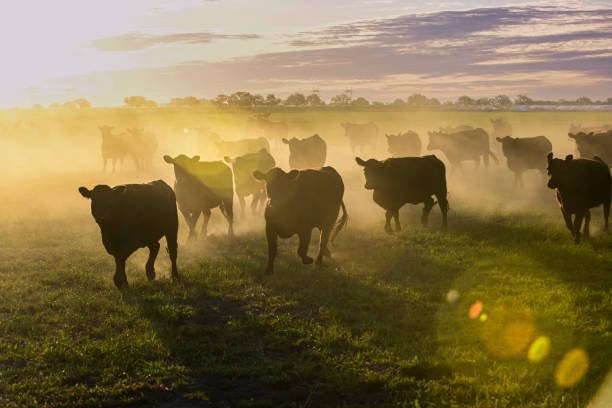
Ethiopia is widely recognized as the country in Africa with the most cattle, boasting a national herd that exceeds 70 million head according to the latest agricultural surveys and global food reports. This massive livestock sector is the foundational backbone of the nation's rural economy and serves as a primary source of livelihood for millions of highland farmers and lowland pastoralist communities. Identifying which country that has the most cattle in Africa helps researchers and developmental organizations understand the continent’s food security potential and the strategic importance of livestock in regional trade.
The distribution of these animals across the continent is influenced by ancient nomadic routes, varied climatic conditions, and the historical reliance on livestock for social status and survival. As we explore the statistical leaders in this sector, it becomes clear that geography and cultural heritage are the primary factors driving the growth of these massive national herds.
These are the Countries that have the most cattle in Africa
The cattle industry in Africa is one of the most significant agricultural sectors, providing meat, milk, leather, and animal traction for millions of smallholder farms. While many people associate cattle primarily with food, in many African societies, these animals represent a mobile bank account and a vital store of wealth that can be accessed during times of environmental or economic stress. In recent years, several nations have implemented modernization programs to improve animal health and increase the commercial viability of their livestock for international export markets. By examining the current census data and agricultural outputs, we can identify the nations that currently hold the largest cattle populations on the continent. Below is a detailed look at the leading nations and the specific breeds and practices that define their cattle sectors.
1. Ethiopia
Ethiopia is the undisputed African country which has the most cattle, with its population reaching record highs year after year. The diversity of the Ethiopian landscape, ranging from the fertile highlands to the arid lowlands, allows for a wide variety of indigenous breeds to thrive, including the famous Boran and various Zebu varieties. Most of the cattle in the country are owned by smallholder farmers who use them for plowing fields, providing milk for the household, and selling for cash when needed. The Ethiopian government has recently prioritized the livestock sector as a key driver of its industrialization strategy, aiming to become a major exporter of high-quality beef to the Middle East and neighboring African nations. In the lowlands, nomadic pastoralists move their herds across vast distances in search of water and pasture, following routes that have been used for centuries. The sheer scale of the Ethiopian herd ensures that the nation remains a central player in the continental and global livestock trade landscape.
2. Sudan
Sudan possesses one of the largest cattle populations in the world, with the sector playing a critical role in the nation's social and economic fabric. The country is home to approximately 31 million cattle, which are primarily managed by nomadic and semi-nomadic pastoralists in the Sahelian regions and along the Nile basin. Sudanese cattle, such as the Baggara and Kenana breeds, are known for their incredible resilience and ability to survive in harsh, arid environments with limited water resources. For many Sudanese communities, cattle are not just commodities but are deeply integrated into cultural rituals, including bridewealth and communal celebrations. Despite internal challenges, Sudan remains a major exporter of live animals to the Gulf countries, providing a vital source of foreign exchange for the national treasury. The vast grasslands of the western and southern provinces provide the necessary grazing territory to sustain these massive numbers, making Sudan a primary hub for livestock in North and East Africa.
3. Tanzania
Tanzania has seen its cattle population grow rapidly over the last decade, currently estimated at over 36 million head. The nation’s livestock sector is dominated by the Maasai and Sukuma people, whose entire cultural identity is built around the management and protection of their herds. In Tanzania, cattle are often grazed in the expansive savannas, where they share space with the country’s world-famous wildlife in a complex and sometimes challenging ecological balance. The government has recently launched the Livestock Sector Transformation Plan to modernize the industry through better veterinary services, improved genetic selection, and the establishment of large-scale commercial ranches. Tanzanian Zebu cattle are the most common breed, prized for their ability to resist local diseases and handle the tropical heat with minimal maintenance. As urbanization increases in cities like Dar es Salaam, the demand for beef and dairy products is soaring, providing a massive domestic market for Tanzanian livestock producers. This growth ensures that Tanzania remains one of the top African countries that have the most cattle today.
4. Nigeria
Nigeria is the leading country in Africa with the most cattle in the West African sub-region, with a population estimated at roughly 20 to 22 million. The cattle industry in Nigeria is uniquely characterized by the transhumance system, where Fulani pastoralists move millions of animals from the arid north to the lush grazing lands of the south during the dry season. This movement is a critical component of the regional food supply chain, providing the beef that feeds megacities like Lagos and Ibadan. In recent years, the Nigerian government has introduced the National Livestock Transformation Plan to encourage the development of sedentary ranching and reduce the conflicts often associated with nomadic grazing. Nigeria possesses several distinct breeds, including the White Fulani and the Sokoto Gudali, which are well-adapted to the varied ecological zones of the country. The demand for cattle products in Nigeria is massive, driven by a population of over 200 million people, making the livestock sector a high-priority area for private investment and food security policy. Despite logistical hurdles, Nigeria’s cattle market remains one of the most vibrant and economically significant on the continent.
5. Chad
Chad possesses a cattle-to-human ratio that is among the highest in the world, reflecting the nation's deep reliance on pastoralism for its national identity and economy. With a herd estimated at over 15 million, cattle represent the second most important export for Chad after petroleum, providing a lifeline for millions of citizens in the Sahelian zone. The Chadian cattle industry is almost entirely traditional, with herds moving across the vast plains following the seasonal rains in search of fresh pasture. Chadian Zebu are particularly sought after in neighboring Nigeria and Cameroon, where they are exported in large numbers to satisfy the growing urban demand for meat. The resilience of Chadian pastoralists is legendary, as they navigate one of the most difficult climates on earth while maintaining the health and productivity of their animals. For the people of Chad, the health of their cattle is directly linked to their own survival and prosperity, making livestock management the primary focus of rural life. The nation’s strategic position in the center of the continent makes it a vital transit point for livestock trade between West, North, and Central Africa.
6. Kenya
Kenya hosts a diverse cattle population of approximately 18 million head, with a unique split between traditional pastoralist herds and modern commercial dairy farms. In the Arid and Semi-Arid Lands (ASALs), the Maasai and Samburu communities maintain large herds of indigenous cattle that serve as their primary source of food and social status. Simultaneously, the central highlands of Kenya have become a leader in African dairy production, utilizing high-yielding breeds like Holstein-Friesian and Ayrshire to supply the region with fresh milk and processed products. The Kenyan government has been very proactive in using technology to support its farmers, including mobile-based insurance products that protect pastoralists against drought-related losses. Kenya’s leather industry is also a growing sector, utilizing the hides from its massive national herd to produce goods for both local and international markets. The integration of livestock into the broader tourism economy, where visitors can experience traditional pastoralist cultures, adds another layer of value to the Kenyan cattle sector. This blend of tradition and innovation keeps Kenya at the forefront of the livestock discussion in East Africa.
7. Uganda
Uganda is often referred to as the Pearl of Africa, and its lush, fertile landscapes support a cattle population that has reached nearly 15 million. The country features a specific region known as the "cattle corridor," which stretches from the southwest to the northeast and is home to the majority of the nation's livestock. Uganda is famous for the Ankole Longhorn cattle, a breed with massive, majestic horns that is a source of immense cultural pride and a symbol of royalty in many western Ugandan kingdoms. In recent years, the Ugandan dairy sector has undergone a massive transformation, with the country now becoming a net exporter of milk to its neighbors in the East African Community. The government has focused on improving the infrastructure of the livestock sector, including the building of valley dams for water storage and the expansion of milk collection centers in rural areas. Ugandan farmers are increasingly adopting cross-breeding techniques to improve the milk and meat yields of their traditional herds while maintaining the resilience of the local stock. The growing importance of the beef sector for international export is also a major focus for the Ugandan Ministry of Agriculture.
8. Mali
Mali is a primary African country which has the most cattle in the Francophone West African region, with a national herd estimated at over 12 million head. Despite being a landlocked nation with a significant portion of its territory in the Sahara Desert, Mali has developed a robust livestock sector that provides a critical source of income for its rural population. The Niger River delta provides an essential grazing refuge during the dry season, where millions of cattle congregate to take advantage of the remaining water and green grass. Mali is a major exporter of cattle to coastal neighbors like Ivory Coast and Ghana, where the demand for Sahelian beef is consistently high. The Malian government works closely with regional bodies to manage the transhumance routes and ensure that pastoralists can move their animals safely across borders. The cultural significance of cattle in Mali is profound, particularly among the Fulani people, who have spent centuries perfecting the art of livestock management in a challenging environment. This heritage ensures that Mali remains a heavyweight in the West African livestock market.
9. South Africa
South Africa possesses a highly industrialized and technologically advanced cattle sector, with a population of approximately 13 million animals. Unlike many of its northern neighbors, a significant portion of South Africa's cattle are raised on large-scale commercial ranches that utilize modern management techniques and scientific breeding programs. The country is a global leader in the development of resilient breeds, such as the Bonsmara and Afrikaner, which are exported to other parts of the world to improve local herds. South Africa’s beef industry is well-integrated into the global market, with high standards of traceability and food safety that allow it to export to the European Union and Asia. Simultaneously, the country has a large number of communal farmers for whom cattle remain a vital cultural and economic asset in the rural provinces. The Johannesburg and Cape Town markets drive a massive demand for diverse beef cuts, supporting a sophisticated value chain that includes modern abattoirs and processing plants. South Africa’s expertise in veterinary science and animal nutrition is frequently shared with other African nations to help them modernize their own livestock sectors.
10. Madagascar
Madagascar is unique in the world of African livestock because of the central role that the Zebu cattle play in the nation's culture and geography. With a population of about 10 million, cattle are so important in Madagascar that they outnumber people in many parts of the southern and western regions. The Malagasy Zebu is a hardy breed with a distinctive hump that is used for everything from dowries to sacrifices in traditional ceremonies, representing the ultimate symbol of wealth and prestige. Because Madagascar is an island, its cattle have been isolated for centuries, leading to a unique genetic profile that is highly adapted to the local environment. Cattle are also the primary source of power for agriculture in Madagascar, pulling carts and plows through the rice paddies that feed the nation. The government is currently working to improve the security of the livestock sector, as "cattle rustling" has historically been a significant challenge in the remote southern provinces. The presence of these animals defines the Malagasy landscape and remains the most important part of the rural island economy.
| Rank | Country Name | Estimated Cattle Count (Millions) | Primary Breed / Type |
|---|---|---|---|
| 1 | Ethiopia | 70.3 | Ethiopian Zebu / Boran |
| 2 | Tanzania | 36.5 | East African Zebu |
| 3 | Sudan | 31.2 | Butana / Kenana |
| 4 | Nigeria | 21.8 | White Fulani / Bunaji |
| 5 | Kenya | 18.2 | Maasai Zebu / Boran |
| 6 | Uganda | 15.7 | Ankole Longhorn / Zebu |
| 7 | Chad | 15.4 | Arab Zebu |
Reasons Why These Countries Have Most Cattle in Africa
1. Vast Savanna and Grassland Ecosystems: The primary reason why these countries in Africa that have the most cattle are so successful is the presence of expansive natural grazing lands. Regions like the Ethiopian Highlands, the Tanzanian Serengeti, and the Sudanese Sahel provide millions of hectares of open pasture that can support large herds of herbivores. These ecosystems have evolved alongside grazing animals, creating a sustainable cycle where the cattle fertilize the soil while feeding on the native grasses. Without these massive, open-range territories, it would be physically impossible for any nation to maintain a herd numbering in the tens of millions.
2. Deeply Entrenched Nomadic and Pastoralist Traditions: In many of the leading livestock nations, cattle rearing is not just a job but a way of life that has been practiced for thousands of years. Ethnic groups such as the Fulani in Nigeria, the Maasai in East Africa, and the Tuareg in Mali have a specialized knowledge of the land and animal behavior that is passed down through generations. These African countries that have the most cattle benefit from a workforce that is inherently skilled in identifying disease, finding water in arid regions, and protecting the herd from predators. This cultural expertise allows for the survival of cattle in environments where modern industrial farming might fail.
3. Cattle as a Store of Wealth and Social Security: In African country which has the most cattle contexts, the animals serve a function similar to a savings account or an insurance policy. In rural areas where formal banking systems are often inaccessible, investing in cattle is the most reliable way to preserve capital and grow wealth over time. This economic incentive encourages families to continuously expand their herds, as the number of cattle a person owns determines their social standing and their ability to handle emergencies like medical bills or crop failures. This "livestock banking" system ensures that there is always a high demand for cattle and a constant drive to increase national numbers.
4. Resilience of Indigenous African Breeds: African cattle are among the hardiest animals on the planet, having developed natural resistances to tropical diseases and extreme heat over eons of natural selection. Breeds like the Boran and the Ankole can thrive on poor-quality forage and go for days without water, which is essential for survival in the country in Africa with the most cattle regions like Sudan and Chad. These genetic traits mean that the animals have a higher survival rate than imported Western breeds, allowing the national populations to grow consistently even during difficult years. Governments are now working to preserve these unique genetics as a matter of national food security.
5. Rising Urban Demand for Animal Protein: As the population of Africa grows and the middle class expands in cities like Nairobi, Lagos, and Addis Ababa, the demand for beef and dairy products is skyrocketing. This market pressure provides a powerful financial incentive for farmers to increase their cattle production to meet the needs of urban consumers. African countries that have the most cattle are those that have successfully connected their rural production zones to their urban consumption hubs through trade routes and markets. This economic link ensures that the cattle sector remains profitable and attracts the investment necessary for long-term growth.
6. Government Prioritization and Infrastructure Development: Several leading nations have realized that the livestock sector is a "sleeping giant" that can propel national development, leading to increased state support. From the building of valley dams in Uganda to the creation of industrial parks for leather in Ethiopia, governments are investing in the infrastructure needed to support millions of animals. When the state provides free vaccinations, subsidized feed, and better access to international markets, the national herd naturally flourishes. This political will is a major reason why some nations have managed to significantly outpace their neighbors in cattle population growth over the last two decades.
Conclusion
In conclusion, Ethiopia remains the definitive which country that has the most cattle in Africa with its massive population of over 70 million animals, followed by the pastoral giants of Sudan and Tanzania. The livestock sector is not merely a component of the continent's agriculture but a vital pillar of its cultural heritage and economic resilience. These animals provide millions of people with a path to financial stability and food security, while also serving as a central symbol of African identity in the rural world. As climate change poses new challenges to grazing lands, the ability of these nations to modernize and protect their herds will be critical for the future of the continent. Ultimately, the country in Africa with the most cattle is one that successfully balances its ancient traditions with the requirements of a modern, globalized economy.
Enjoyed this read?
Share it with your friends and colleagues.