Which Country Has The Most Gold Mines In Africa

BSC Insights Admin
September 30, 2026
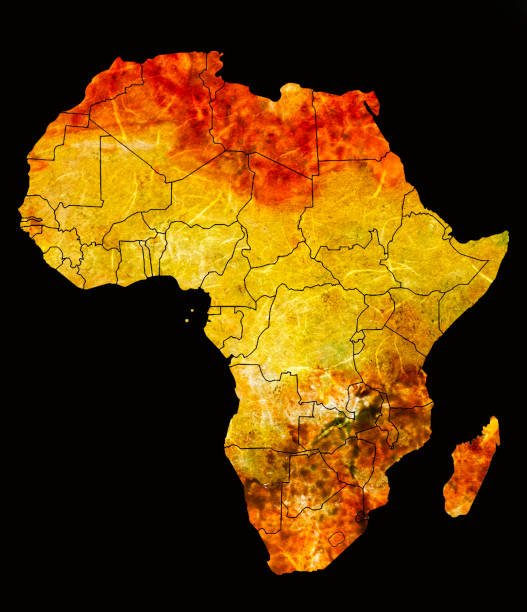
Identifying which country that has the most gold mines in Africa requires a distinction between major industrial operations and the vast number of small-scale mining sites that populate the landscape. South Africa historically holds the record for the highest number of deep-level industrial mines, though Ghana has recently seen a surge in new operational sites to support its position as the top producer. The density of these mines is primarily determined by the vast geological belts that run through West and Southern Africa, attracting billions of dollars in exploration investment.
The proliferation of these mining sites is a testament to the continent's immense geological wealth and the global demand for precious metals. This list provides a detailed look at the nations where mining infrastructure is most concentrated, ranging from long-standing southern operations to the new frontiers in the western and eastern regions.
These are the Countries that have the most gold mines in Africa
The distribution of mining permits and active sites across the continent reflects a mix of historical legacy and modern discovery. While some nations focus on a few massive, high-output sites, others have hundreds of mid-sized and small operations that contribute to the national total. To understand the landscape, we must look at the concentration of industrial mining complexes, the number of registered exploration projects, and the formalization of artisanal sectors which often contain thousands of individual digging sites. These African countries that have the most gold mines are the backbone of the global supply chain, providing the raw material for jewelry, electronics, and national reserves across the globe.
1. South Africa
South Africa remains the premier destination when considering the sheer volume of large-scale industrial infrastructure, particularly within the famous Witwatersrand Basin. This region has historically hosted over 30 major gold mines, some of which reach depths of nearly four kilometers underground to access rich reefs. Notable sites like the Mponeng mine and the South Deep mine represent the pinnacle of deep-level mining engineering and have operated for decades. Although many older mines have closed as they reached the end of their economic life, the country still maintains a high density of operational shafts and processing plants. The historical investment in South Africa's mining sector has created an unparalleled network of specialized equipment, rail links, and refining facilities that support these numerous sites. Furthermore, the expertise found in the South African mining community continues to drive innovation in deep-mining safety and extraction technology worldwide.
2. Zimbabwe
Zimbabwe is often overlooked in major production rankings, yet it is arguably the African country which has the most gold mines when counting small and medium-scale operations. The nation possesses over 4,000 recorded gold deposits, and the government has registered thousands of small-scale mining claims across its vast greenstone belts. While many of these are not massive industrial complexes like those in South Africa, they represent a significant concentration of mining activity that employs hundreds of thousands of people. Large-scale mines such as the Freda Rebecca and the Blanket Mine provide a stable industrial base, while the proliferation of smaller sites ensures that gold extraction is visible in almost every province. The geological potential of the Great Dyke and surrounding areas remains high, leading to a constant cycle of new mine openings and exploration activities. Zimbabwe's unique mining landscape is characterized by this blend of corporate operations and a highly active, decentralized network of local mining syndicates.
3. Ghana
Ghana has seen a significant increase in the number of active mining sites over the last twenty years, solidifying its status as a leading country in Africa with the most gold mines currently in operation. The country features a mix of world-class mines like Obuasi, which has been in operation since the late 19th century, and newer projects such as the Ahafo and Chirano mines. The Ghanaian government has been proactive in granting licenses to international firms, leading to the development of numerous open-pit and underground operations throughout the Ashanti and Western regions. In addition to the major players like Newmont and AngloGold Ashanti, there are dozens of mid-tier companies operating significant sites that contribute to the national output. Ghana also has a very large number of formalized small-scale mining sites, known locally as galamsey, which the government is working to regulate and integrate into the formal economy. This extensive network of mining activity ensures that Ghana remains at the forefront of the African mining industry for the foreseeable future.
4. Tanzania
Tanzania has established itself as a major mining hub in East Africa, with the Lake Victoria Goldfields serving as the primary location for numerous high-capacity mines. The region is home to several massive operations, including the Geita Gold Mine and the Bulyanhulu Mine, which are among the most productive on the entire continent. Beyond these giants, there are many smaller industrial mines and hundreds of exploration projects that are currently being developed to tap into the country's vast mineral reserves. The Tanzanian government has recently implemented reforms to encourage more local participation in the mining sector, leading to a rise in domestically-owned mining companies. These reforms have also focused on improving the infrastructure around mining sites, making it easier for new mines to be established in remote northern regions. With a focus on both gold and other minerals, Tanzania's mining landscape is becoming increasingly diverse and technologically advanced.
5. Mali
Mali is a powerhouse in West African gold mining, with several large-scale complexes that are among the largest in the world by annual output. The Loulo-Gounkoto complex and the Syama mine are key examples of how Mali has utilized its geological wealth to build a robust industrial mining sector. There are currently about 13 to 15 large industrial gold mines operating in the country, supported by a vast number of artisanal sites that contribute significantly to the total volume of gold exported. Most of these mines are located in the southern and western parts of the country, where the Birimian greenstone formations are most prominent. Despite regional security challenges, the mining sector in Mali has shown incredible resilience, with companies continuing to invest in site expansions and new exploration drills. The Malian government relies heavily on these mines for tax revenue, leading to a symbiotic relationship between the state and the international mining consortiums operating there.
6. Burkina Faso
Burkina Faso has experienced a mining boom over the last fifteen years, moving from having almost no industrial mines to having over a dozen major operational sites. This rapid expansion has made it one of the most active countries in Africa that have the most gold mines, with projects like Essakane and Sanbrado leading the charge. The country's geology is highly favorable, with much of its territory covered by the same gold-rich rock formations found in neighboring Ghana and Mali. This has led to a "gold rush" of international exploration companies from Canada and Australia setting up camp in the country. In addition to the large mines, Burkina Faso has a massive artisanal sector, with over 800 recognized mining sites scattered across the rural landscape. This high density of mining activity has transformed the national economy, making gold the primary export and a major driver of infrastructure development in previously isolated areas.
7. Sudan
Sudan presents a unique case because its mining landscape is dominated by an incredible number of small-scale and artisanal mining sites rather than a few large industrial ones. Estimates suggest there are over 2 million people involved in the gold mining sector in Sudan, operating across thousands of different locations in the Red Sea and Northern states. While there are a few established industrial mines like the Hassai mine, the sheer number of individual mining points makes Sudan a top contender for the highest number of active extraction sites. The government has attempted to centralize this activity by creating gold markets and refineries to capture the wealth generated by these numerous small mines. The geographical spread of gold in Sudan is vast, with deposits found in desert regions that were previously thought to be barren. This widespread availability has created a decentralized mining culture that is deeply embedded in the local economy of Northern Sudan.
8. Democratic Republic of Congo
The Democratic Republic of Congo is world-renowned for its mineral diversity, and its gold sector features some of the most advanced and high-yield mines in Africa. The Kibali Gold Mine, located in the northeast, is a massive operation that combines open-pit and underground mining with a high degree of automation. While the total number of large industrial mines is lower than in South Africa, the DRC has a nearly uncountable number of artisanal mining sites, particularly in the eastern provinces of Ituri and South Kivu. These sites often operate in challenging conditions but contribute a massive amount of gold to the informal and formal markets. The potential for new industrial mines is higher in the DRC than almost anywhere else in Africa, as vast areas of the country remain geologically unexplored. Efforts to stabilize the region and improve mining transparency are expected to lead to the commissioning of several more large-scale mines in the coming years.
9. Ivory Coast
Ivory Coast has recently emerged as a significant player in the gold sector, with a rapidly growing number of operational mines and exploration permits. The country has successfully attracted international investment by offering a stable political environment and a modern mining code, resulting in the opening of several new mines like Yaouré and Ity. Currently, there are around 10 to 12 major industrial gold mines in operation, with many more in the feasibility or development stages. The Ivorian government has set a goal to significantly increase the mining sector's contribution to the GDP, leading to a surge in geological surveys and license approvals. The infrastructure in Ivory Coast, including its power grid and road network, is among the best in West Africa, which facilitates the rapid development of new mining sites. As exploration continues to move into the central and northern parts of the country, the number of active gold mines is expected to grow substantially.
10. Guinea
Guinea is a nation with vast mineral potential, and while it is famous for bauxite, its gold mining sector is also expanding with numerous active sites. The Siguiri region is the heart of Guinea's gold industry, hosting large industrial operations like the Siguiri mine alongside thousands of artisanal miners. There are several major industrial projects currently operating or under development, making it one of the key countries in Africa that have the most gold mines in the West African region. The Lefa mine is another significant contributor to the national output, showcasing the high-grade deposits available in the country's northeast. The Guinean government has been working to reform its mineral policy to ensure that more of the value from these mines stays within the country through local processing and refining. With massive untapped reserves, Guinea is poised to become an even more dominant force in the global gold market as more industrial sites come online.
Reasons Why These Countries Have Many Gold Mines in Africa
1. Geological Foundations of Ancient Crates: The primary reason for the high density of mines is the presence of ancient geological structures like the West African Craton and the Kaapvaal Craton in South Africa. These formations are billions of years old and contain the specific volcanic and sedimentary environments necessary for gold to concentrate into mineable deposits. Without these specific rock types, the massive industrial complexes and the thousands of small-scale sites simply would not exist.
2. Long History of Colonial and Indigenous Exploration: Many of the major mining regions in Africa were identified centuries ago by indigenous populations and later expanded during the colonial era. This long history of exploration means that the most accessible and highest-grade deposits are well-mapped, allowing modern companies to establish mines with a high degree of confidence in the resource. This historical data acts as a roadmap for current investments, reducing the risk for companies looking to open new sites.
3. Favorable Regulatory and Mining Codes: Nations like Ghana, Ivory Coast, and Tanzania have spent the last two decades refining their mining laws to attract foreign capital while ensuring state benefits. By offering clear land rights, reasonable royalty rates, and stable tax environments, these countries have encouraged international firms to build expensive, long-term mining infrastructure. A predictable legal environment is often more important to mining companies than the grade of the ore itself when deciding where to build a mine.
4. Rise of High-Technology Extraction Methods: The ability to mine at extreme depths in South Africa or process complex ores in the DRC has been made possible by significant technological advancements. Modern mines use satellite imagery for exploration, automated trucks for hauling, and advanced chemical leaching to extract gold from low-grade rock. These technologies have made it profitable to open mines in locations that were previously considered too difficult or expensive to operate.
5. Dependence on Gold for National Revenue: For many of these nations, gold is the primary source of foreign exchange and government tax income, leading to a strong national priority on keeping mines operational. When a country's economy is heavily tied to mineral exports, the government is more likely to invest in the power grids, roads, and security needed to support a high number of mining sites. This institutional support creates a virtuous cycle where successful mines lead to more exploration and even more mine openings.
6. Strong Global Gold Prices: The consistent value of gold on the international market provides the financial incentive for companies to explore the more remote and challenging parts of the African continent. When gold prices are high, even smaller or lower-grade deposits become economically viable, leading to a surge in new mine permits and the expansion of existing sites. This global economic factor ensures that the search for the next major gold field in Africa never truly stops.
Conclusion
In conclusion, the question of which country that has the most gold mines in Africa reveals a complex and diverse mining landscape that spans from the ultra-deep shafts of South Africa to the burgeoning open pits of West Africa. While South Africa holds the legacy of industrial scale and Zimbabwe leads in the number of individual mining claims, countries like Ghana and Mali are the current engines of production and modern site development. The continued growth of this sector is fueled by ancient geology, modern technology, and a global hunger for mineral security. As exploration techniques improve and infrastructure reaches further into the interior, the number of active gold mines across the continent is likely to reach even greater heights. For the nations involved, these mines represent both a significant economic opportunity and a responsibility to manage their natural wealth sustainably for future generations.
Enjoyed this read?
Share it with your friends and colleagues.