Which Country Has The Most Islands In Africa

BSC Insights Admin
October 01, 2026
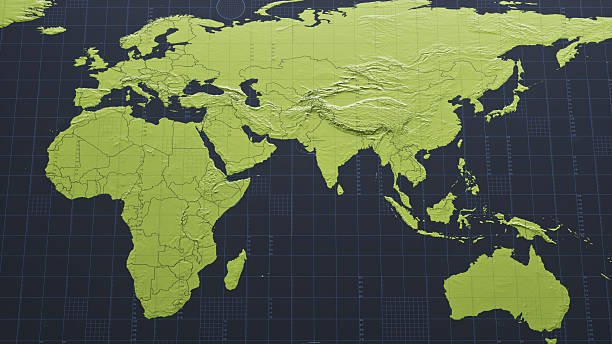
Determining which country that has the most islands in Africa requires a detailed survey of both the oceanic archipelagos and the vast inland freshwater systems that define the continent's geography. Eritrea currently holds the record for the highest number of maritime islands, primarily due to the Dahlak Archipelago which contains approximately 126 distinct islands and numerous islets in the Red Sea. This high concentration of landmasses provides the nation with a vast maritime territory that is rich in coral reefs and diverse marine life.
The distribution of these islands across Africa varies significantly, ranging from volcanic clusters in the Atlantic Ocean to ancient coral formations in the Indian Ocean. Understanding the unique geographical features of each nation helps in appreciating why certain territories possess hundreds of islands while others remain entirely landlocked yet still boast inland archipelagos.
These are the Countries that have the most islands in Africa
The following list explores the nations on the continent that possess the highest number of islands based on geological surveys and maritime records. While some of these countries are famous tourist destinations known for their white sandy beaches, others host remote and uninhabited outcrops that serve as critical sanctuaries for migratory birds and rare sea turtles. Each of these countries in Africa that have the most islands utilizes its unique geography to bolster its economy through fishing, tourism, and maritime trade. By examining these nations, we can see the incredible diversity of the African coastline and its inland waters, where hundreds of smaller landmasses contribute to the sovereign territory of the mainland states.
1. Eritrea
Eritrea is the leading nation when considering the total count of maritime islands, mainly due to the expansive Dahlak Archipelago located off the coast in the Red Sea. This archipelago consists of two large islands and 124 smaller ones, most of which are uninhabited and surrounded by some of the most pristine coral reefs in the world. The islands are predominantly made of coral limestone and are a major draw for researchers interested in marine biodiversity and ancient maritime history. Historically, these islands served as important pearl fishing hubs and transit points for trade between Africa and the Arabian Peninsula. Only a few of the islands, such as Dahlak Kebir, have permanent residents who maintain a traditional way of life centered on the sea. The sheer number of these outcrops makes Eritrea the primary answer to which African country which has the most islands in a concentrated maritime area. The rugged beauty of these islands, combined with their isolation, has preserved an ecosystem that remains largely untouched by modern industrialization.
2. Seychelles
Seychelles is perhaps the most famous island nation in the world, consisting of 115 islands scattered across a vast area of the Indian Ocean. These islands are divided into two main groups: the Inner Islands, which are mostly granitic with lush tropical forests, and the Outer Islands, which are low-lying coral atolls and sand cays. Mahe, Praslin, and La Digue are the most populous islands and serve as the economic and cultural heart of the country. Seychelles is a global leader in environmental conservation, with many of its smaller islands dedicated entirely to nature reserves for giant tortoises and rare bird species. The country’s economy is heavily dependent on high-end tourism and tuna fishing, both of which rely on the health of the surrounding archipelagos. Despite having fewer total islands than Eritrea's main cluster, the total land area and global recognition of Seychelles make it a titan among island nations. Its position in the middle of the Indian Ocean ensures it possesses a massive Exclusive Economic Zone that is many times larger than its actual landmass.
3. Guinea-Bissau
Guinea-Bissau is home to the Bijagós Archipelago, a stunning collection of approximately 88 islands and islets located just off the Atlantic coast. This archipelago is unique because it is a UNESCO Biosphere Reserve, reflecting the deep harmony between the local Bijagó people and their natural environment. Only about 20 of these islands are inhabited year-round, while others are visited seasonally for farming or religious ceremonies. The islands are characterized by a mix of mangroves, palm forests, and sandy beaches that provide a habitat for the rare saltwater hippopotamus. The cultural heritage of the Bijagós is incredibly strong, with the local population maintaining traditional social structures and spiritual practices that are tied to the island landscapes. Access to many of these islands remains limited, which has helped preserve their natural beauty and traditional way of life from the pressures of modern tourism. For those researching the African countries that have the most islands, Guinea-Bissau stands out for its ecological and cultural preservation.
4. Uganda
Uganda is a unique entry on this list because its islands are located entirely inland within Lake Victoria, the largest lake in Africa. The Ssese Islands are a lush archipelago of 84 islands situated in the northwestern part of the lake, known for their stunning scenery and vibrant fishing communities. Bugala Island is the largest and most developed among them, serving as a hub for both palm oil production and a growing tourism industry. These islands have their own distinct culture and history, having been a separate kingdom in the past before being integrated into modern Uganda. Visitors are often drawn to the islands for bird watching, sport fishing, and the tranquil atmosphere that contrasts with the busy streets of Kampala. The presence of so many islands in a landlocked country highlights the geographical diversity of the African Great Lakes region and proves that maritime wealth is not the only source of island counts. The connectivity between these islands via ferries has improved significantly, allowing for better trade and mobility for the islanders.
5. Madagascar
Madagascar is the largest island in Africa and the fourth largest in the world, but it is also surrounded by hundreds of smaller satellite islands and islets. Famous locations like Nosy Be, Ile Sainte-Marie, and the Mitsio Archipelago are just a few examples of the many smaller landmasses that fall under Malagasy sovereignty. These satellite islands vary from volcanic outcrops with dense jungles to tiny sand cays surrounded by turquoise waters. Many of these smaller islands are hubs for specialized tourism, offering unique opportunities for whale watching and diving in coral-rich waters. Madagascar’s islands are also vital for biodiversity, often hosting species that are not found on the main island itself. The total count of these coastal landmasses reaches into the hundreds, making Madagascar one of the most island-rich territories on the continent. The island of Nosy Be, in particular, has become a global center for the production of ylang-ylang, further diversifying the economic output of these offshore territories.
6. Cape Verde
Cape Verde, or Cabo Verde, is a volcanic archipelago located in the central Atlantic Ocean, consisting of ten main islands and several smaller islets known as ilhéus. The islands are divided into two groups: the Barlavento islands and the Sotavento islands, each offering a vastly different landscape ranging from volcanic peaks to flat desert plains. Sal and Boa Vista are the most famous for their expansive beaches and tourism infrastructure, while Santiago holds the capital city of Praia. The country was uninhabited until the 15th century when Portuguese explorers discovered it, and today it is a stable democracy with a vibrant Creole culture. The smaller uninhabited islets like Santa Luzia are protected as nature reserves to safeguard endemic lizards and nesting seabirds. Cape Verde’s strategic location has made its islands a historical crossroads for trade between Africa, Europe, and the Americas. The rugged terrain of Fogo, home to an active volcano, provides a stark contrast to the sandy dunes of the flatter islands in the chain.
7. Tanzania
Tanzania possesses a significant number of islands along its Indian Ocean coast, most notably the Zanzibar Archipelago, which includes Unguja, Pemba, and several smaller surrounding islands. Beyond the famous Spice Islands, Tanzania also has the Mafia Archipelago and dozens of smaller landmasses in the Songo Songo cluster and the Mnazi Bay area. Lake Victoria also contributes to the country's island count, with several inhabited and uninhabited islands on the Tanzanian side of the water. Zanzibar is the cultural and historical crown jewel, featuring the UNESCO World Heritage site of Stone Town and a long history of international trade. Pemba is known for its rugged hills and clove plantations, while Mafia Island is a premier destination for divers looking to see whale sharks. The sheer variety of Tanzanian islands, from coral outcrops to large agricultural landmasses, makes it a major island-holding nation in East Africa. Each island maintains its own local government and traditions, adding to the rich tapestry of the Tanzanian state.
8. Mozambique
Mozambique features a long and rugged coastline that is dotted with several significant archipelagos, including the Bazaruto and Quirimbas groups. The Bazaruto Archipelago consists of five main islands that are protected as a national park, known for their massive sand dunes and diverse marine ecosystems. Further north, the Quirimbas Archipelago stretches toward the Tanzanian border, comprising about 32 coral islands that are steeped in history and natural beauty. Many of these islands were former trading posts for Arab and Portuguese merchants, and they still feature ruins from the colonial era. The waters surrounding these islands are home to rare dugongs, dolphins, and thousands of species of fish, making them a priority for international conservation efforts. Mozambique’s islands are increasingly becoming luxury travel destinations, providing a vital source of foreign currency for the national economy. The isolation of these islands has allowed for the preservation of many local languages and customs that differ from those on the mainland.
9. Mauritius
Mauritius is an island nation that includes the main island of Mauritius, the island of Rodrigues, and several smaller outer territories like Agalega and the St. Brandon archipelago. While the main island is the center of population and industry, the smaller islands and atolls contribute significantly to the country's total maritime territory. St. Brandon, also known as the Cargados Carajos Shoals, consists of about 50 small islands, sandbanks, and spits that are mostly uninhabited and used for fishing. Rodrigues is a volcanic island with a distinct culture and a rugged landscape that attracts hikers and eco-tourists. Mauritius has a well-developed economy that has moved from sugar production to finance and tourism, utilizing its diverse island geography to attract investors from around the world. The country's management of its remote islands is crucial for protecting its Exclusive Economic Zone in the Indian Ocean. Its status as an African country which has the most islands in the Southern Indian Ocean region is cemented by its control over these various distant archipelagos.
10. Ethiopia
Ethiopia is a landlocked country in Africa with many islands located within its various highland lakes, most notably Lake Tana. Lake Tana, the source of the Blue Nile, contains approximately 37 islands, many of which house ancient monasteries dating back hundreds of years. These islands are of immense religious and historical significance, preserving sacred artifacts and the remains of former Ethiopian emperors. The islands of Lake Ziway also host several communities that have lived in isolation for generations, preserving unique linguistic and cultural traditions. While these islands are small compared to oceanic ones, their high density in a mountainous region is a fascinating geographical feature. The monasteries on Lake Tana’s islands are a major draw for religious pilgrims and historians who want to explore Ethiopia’s deep Christian heritage. The tranquility of these lake islands offers a spiritual retreat that has remained consistent for over seven centuries, making them unique on the African continent.
11. Egypt
Egypt has a surprising number of islands, particularly within the Red Sea and along the Nile River. In the Red Sea, the Giftun Islands and Tiran Island are famous for their world-class diving spots and crystal-clear waters, attracting millions of tourists each year. The Nile River itself is home to over 100 inhabited and uninhabited islands, such as Elephantine Island in Aswan and Gezira Island in Cairo. These river islands have played a critical role in Egyptian history, serving as defensive positions, agricultural hubs, and modern-day luxury residential areas. The Red Sea islands are predominantly coral formations, while the Nile islands are composed of rich alluvial soil deposited by the river over millennia. Egypt's management of these islands is essential for its tourism sector and for the preservation of historical sites that date back to the pharaonic era. This mix of riverine and maritime islands makes Egypt a significant player in African island geography.
12. Comoros
Comoros is a volcanic archipelago in the Mozambique Channel, consisting of three major islands—Grande Comore, Mohéli, and Anjouan—along with numerous smaller islets. The nation is often referred to as the Perfume Isles due to its historical production of ylang-ylang and vanilla, which are grown across the fertile volcanic slopes. Each island has a unique personality, with Mohéli being the smallest and most dedicated to nature conservation through its extensive marine park. The smaller islets surrounding the main islands are often used by local fishermen or as nesting sites for green sea turtles. Comoros faces significant environmental challenges, including coral bleaching and deforestation, but its islands remain some of the most beautiful and culturally rich in the region. The blend of African, Arab, and French influences is visible in the architecture and daily life across the archipelago. Despite its small land area, the country's strategic position in the channel makes it a vital maritime hub.
Reasons Why These Countries Have Many Islands in Africa
1. Tectonic and Volcanic Activity: The primary reason many African countries that have the most islands possess these features is the historical movement of tectonic plates and volcanic eruptions. In the Atlantic, Cape Verde and São Tomé were formed by hotspots in the Earth's crust that pushed molten rock above the ocean surface over millions of years. These volcanic processes created high-altitude islands with fertile soil and dramatic landscapes. In East Africa, the rifting of the continent has also played a role in creating the basins where many lacustrine islands are now located. This geological volatility is the foundation of the island diversity we see today, providing varied topographies from jagged peaks to flat plains.
2. Ancient Coral Growth and Sea Level Changes: Many islands in the Indian Ocean, such as those in the Seychelles and the Dahlak Archipelago, are the result of thousands of years of coral growth on submerged volcanic peaks. As sea levels fluctuated during various ice ages, these coral reefs were sometimes exposed, forming the flat, sandy cays and atolls that characterize the region. The biological activity of coral polyps continues to build and maintain these islands, protecting them from erosion by the sea. This organic process of island building is what allows small nations to maintain hundreds of distinct landmasses across vast oceanic stretches. Without the growth of these reefs, many of these islands would eventually be submerged by the rising tides, showing the fragile nature of coral island systems.
3. Erosion and River Delta Formation
Some islands, particularly those along the West African coast like the Bijagós, are the result of river sediment being deposited into the ocean over millennia. The powerful rivers of the continent carry massive amounts of silt and sand, which settle at the river mouths to form complex delta systems and barrier islands. Over time, the action of the tides and currents shapes these deposits into permanent islands that are eventually colonized by mangroves and other vegetation. This process creates low-lying archipelagos that are incredibly fertile and rich in aquatic life. These islands are often the most dynamic, constantly changing shape as the rivers and oceans continue their endless tug-of-war. For a country in Africa with many islands, these deltaic formations provide vital natural defenses against coastal erosion.
4. Lacustrine Geography in the Great Rift Valley: The Great Rift Valley created deep basins that filled with water to form the Great Lakes of Africa, such as Lake Victoria and Lake Tana. Within these lakes, higher ground that was not submerged became islands, providing a unique inland archipelago system for countries like Uganda and Ethiopia. These islands are often protected from the mainland's predators and diseases, allowing for the evolution of unique subspecies of fish and birds. The stability of these lake levels over centuries has allowed human populations to establish permanent settlements and religious centers on these islands. This inland island formation is a rare and beautiful byproduct of the continent's internal geological stresses, offering a different perspective on island life far from the ocean's salt spray.
5. Strategic Maritime Claims and Exclusive Economic Zones: Many African nations actively protect and count every small islet and rock within their territory to maximize their maritime claims under international law. By possessing an island, a country can claim an Exclusive Economic Zone (EEZ) that extends 200 nautical miles around it, providing access to valuable fishing grounds and potential undersea minerals. This has led to more rigorous surveying and naming of even the smallest sandbanks in nations like Mauritius and Eritrea. The desire to secure these resources has resulted in better documentation of island counts across the continent's coastlines. Every tiny outcrop represents a significant expansion of a nation's sovereign reach and economic potential, making island counting a matter of political and economic urgency.
6. Environmental Conservation Efforts: In recent years, the creation of marine protected areas has led to the formal recognition of many small islands that were previously overlooked. Countries like Seychelles and Mozambique have designated entire archipelagos as national parks, which requires a detailed inventory of every island and islet within the protected zone. This focus on conservation has highlighted the importance of these islands as biological stepping stones for migratory species. By protecting these landmasses, nations are ensuring the long-term health of their maritime ecosystems while also boosting their eco-tourism appeal. The recognition of these islands as critical habitats often leads to increased international funding for their protection, ensuring they remain part of the national geography for centuries to come.
Conclusion
In summary, the question of which country that has the most islands in Africa points primarily to Eritrea with its concentrated Dahlak Archipelago, followed closely by the diverse oceanic nation of Seychelles and the unique inland systems of Uganda. Whether located in the deep blue of the Indian Ocean or the freshwater expanses of Lake Victoria, these islands play a critical role in the continent's ecological and economic landscape. From the volcanic peaks of Cape Verde to the coral atolls of Mozambique, each archipelago offers a unique glimpse into the geological history of the Earth. As sea levels continue to change and conservation efforts expand, the importance of these islands for biodiversity and tourism will only grow. Ultimately, these numerous landmasses are a vital part of the African narrative, providing homes, livelihoods, and sanctuaries for millions of people and countless species. Protecting these fragile island ecosystems remains a top priority for every country in Africa with many islands within its borders.
Enjoyed this read?
Share it with your friends and colleagues.